
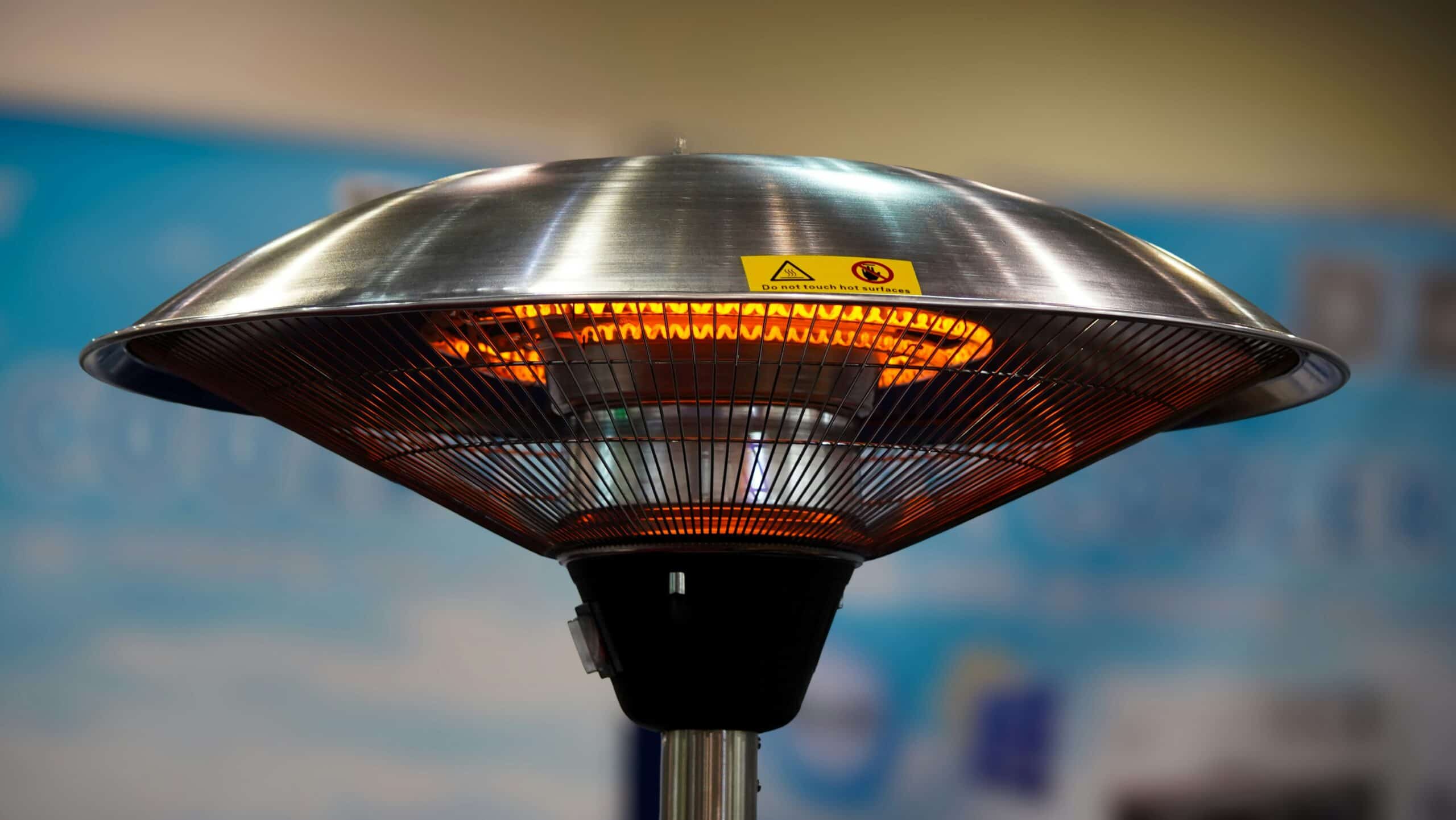
You wake at three in the morning, the inside of the fly is beaded with frost, and the thought of a heater becomes very appealing very quickly. The best tent heaters for cold camping are propane radiant units with an oxygen depletion sensor, because they put out real heat and shut themselves off when the air in the tent gets poor. The honest answer underneath that, though, is that heating the sleeper usually beats heating the tent.
Fabric holds almost no heat. A heater running inside one is fighting a wall that is a fraction of a millimeter thick.
So the useful question is not which heater is strongest. It is which approach matches your site, your power situation and how much venting you are willing to live with. Anything that burns fuel needs air coming in, which is why using a camp stove in a tent comes with the same warnings.
Tent Heating Options at a Glance
| Type | Heat Output | Combustion | Power Needed | Best Use |
|---|---|---|---|---|
| Propane radiant with ODS | High | Yes, venting required | None | Vented car camping |
| Catalytic propane | Moderate | Yes, flameless | None | Low, steady warmth |
| Electric ceramic | Moderate to high | No | Mains or large battery | Powered campgrounds |
| Butane and isobutane | Low to moderate | Yes, venting required | None | Mild cold, small spaces |
| Heated pads and blankets | Localized | No | Battery or mains | Any tent, safest option |
| Wood or diesel tent stove | Highest | Yes, flued | None | Hot tents with a jack |
How We Picked the Best Tent Heaters for Cold Camping
We compared heating approaches rather than individual models, because this category turns over quickly while the physics behind each approach does not change.
Four things decided the order: how much usable heat the approach delivers, what it demands in ventilation, what it needs in power or fuel, and how badly it behaves when something goes wrong.
We have not published output ratings or run times as figures. Fuel canister size, outside temperature and tent volume all move those numbers, and a figure borrowed from one product would not describe the type.
One point sits above the rankings. Any heater that burns fuel produces carbon monoxide, which has no smell and gives no warning, so combustion heaters and sealed tents do not belong together under any circumstances.
1. Propane Radiant Heaters With an Oxygen Depletion Sensor, Best Overall
Why It Stands Out
These are the familiar portable units that screw onto a small propane cylinder and glow through a ceramic tile. The radiant heat is immediate and genuinely strong.
The oxygen depletion sensor is the feature that matters. It cuts the gas supply when oxygen in the surrounding air falls, which turns a slow problem into a stopped heater.
Output is adjustable, and a larger refillable tank can replace the small cylinder with a hose adapter. That makes long cold nights practical rather than rationed.
Worth Knowing
A sensor is a backstop, not a license. These still require a vent low and a vent high, and they are not meant to run while everyone is asleep.
They also produce water vapor as they burn, which lands on the inside of the fly. Expect condensation to get worse, not better.
Best for drive-in winter camping in a tent you can actually ventilate. Skip it in a small, tightly sealed backpacking tent where there is nowhere for the air to go. Our guide to why the inside of a tent gets wet covers the vapor side.
2. Catalytic Propane Heaters, Best Flameless Option
Why It Stands Out
Catalytic heaters oxidize propane across a treated pad instead of burning it with an open flame. There is heat and no visible fire.
That makes them gentler neighbors inside fabric. Nothing is glowing hot enough to set a sleeping bag alight if it brushes the front.
Output is low and steady rather than fierce, which suits a long night better than a short blast of warmth does.
Worth Knowing
Flameless does not mean fume-free. The reaction still consumes oxygen and still produces carbon monoxide, so ventilation rules apply exactly as they do to a radiant unit.
Many models have no automatic shutoff, which puts the whole safety burden on your own setup. Add a battery carbon monoxide alarm and treat it as mandatory.
Best for campers who want a gentle, quiet heat source and will manage venting carefully. Skip it if you want the heater to watch itself.
3. Electric Ceramic Heaters, Best for Powered Campgrounds
Why It Stands Out
On a site with a hookup, electric wins outright. There is no combustion, no carbon monoxide, and no fuel to carry or dispose of.
Ceramic elements heat quickly and most units include a thermostat, so the tent holds a temperature instead of swinging between cold and stifling.
Tip-over and overheat cutoffs are standard on almost everything in this class. That is a meaningful safety gap over most fuel-burning options.
Worth Knowing
The power draw is the catch. A ceramic heater will empty a modest portable battery long before morning, so this really is a hookup product.
Many campgrounds also limit how much current a site can supply, and a heater plus a kettle can trip the pedestal breaker.
Best for powered sites and shoulder-season cold where you want warmth without managing fuel. Skip it for dispersed camping unless you carry serious battery capacity.
4. Butane and Isobutane Heaters, Best for Packability
Why It Stands Out
These run on the same threaded canisters that feed a backpacking stove, which keeps the fuel system simple if you already carry one.
The units themselves are small and light compared with a propane radiant heater. Several fold flat enough to slide into a pack panel.
Output suits a vestibule or a small tent being taken off the edge of cold, rather than a large space being genuinely warmed.
Worth Knowing
Butane performs badly in the cold, which is the exact situation you bought it for. Canister pressure drops as temperature falls and the flame weakens with it.
Isobutane blends cope better but still fade. Keeping the canister inside a jacket before use is a real technique, not a trick.
Best for mild cold and compact setups where weight rules. Our guide to whether all fuel canisters are the same explains which blends keep working as it gets colder.
5. Heated Pads, Blankets and Twelve Volt Layers, Best Safe Alternative
Why It Stands Out
These skip the tent entirely and heat the person. A heated pad under the sleeping bag, or a battery blanket inside it, puts warmth where it is actually lost.
Conduction into cold ground takes more heat from a sleeper than cold air does. Fixing that is far more efficient than warming the air in a tent that leaks.
There is no combustion, so no ventilation question and no alarm needed. For many campers this is the whole answer.
Worth Knowing
Battery capacity sets the limit. A pad on low can last a night, while a blanket on high will not, so match the power bank to the setting you plan to use.
These also do nothing for the air, so dressing and getting up still happen in the cold. Pair them with proper insulation underneath, which our guide to sleeping pad R-value covers.
Best for anyone who wants a warm night without a combustion risk, which is most tent campers. Skip it if you need the tent itself habitable, not just the bed.
6. Wood and Diesel Tent Stoves With a Flue, Best for Winter Base Camps
Why It Stands Out
A stove with a chimney running out through a stove jack is the only arrangement that vents combustion gases outside the tent. That is a category difference, not a degree.
Output is in another class as well. A hot tent with a running stove can be shirtsleeve warm while it snows outside.
Wood versions also dry gear, which matters more than comfort on a multi-day winter trip.
Worth Knowing
You need a tent built for it, with a fire-resistant jack and clearances designed in. A standard nylon tent cannot take a stove at all.
Wood needs feeding, so the warmth fades once someone stops getting up. Diesel and pellet versions run longer unattended but add weight and a fuel supply.
Best for established winter camps with a canvas or poly-cotton hot tent. Skip it for anything you carry on your back or set up in the dark. Our family camping tents picks cover which shelters do and do not accept one.
What to Look For in a Tent Heater
An automatic shutoff you can name
Look for a specific stated cutoff, whether that is an oxygen depletion sensor, a tip-over switch or both. A heater without one puts every safeguard on you.
A ventilation plan, not a vent
Combustion needs air entering low and leaving high. One cracked door does not create that flow, and a closed tent defeats any heater’s rating.
Fuel you already carry
Matching the heater to your stove fuel removes a second supply chain. It also means leftover canisters get used rather than stored.
Honest output against tent volume
A heater sized for a garage will overwhelm a two-person tent and waste fuel doing it. Match output to the space, then dress for the gap.
Heating the Tent or Heating the Sleeper?
When heating the tent is worth it
Larger shelters, powered sites and base camps where people sit up, cook and change clothes all justify warming the air. A hot tent with a flued stove is the only version that does this well overnight.
When heating the sleeper wins
For almost all tent camping, insulation and a heated pad beat a heater. Nothing has to be vented, nothing has to be watched, and the warmth goes where the heat is actually leaving. Cold-weather sleeping bags do more for a freezing night than any portable heater will.
What Trips People Up
Sealing the tent to keep heat in
Closing every vent with a combustion heater running is the single most dangerous thing you can do in this category. Heat loss is the price of safe air.
Running a heater while asleep
Fuel-burning heaters are for warming the tent before bed and after waking, not for overnight use. Insulation covers the hours in between.
Skipping the carbon monoxide alarm
A small battery alarm costs very little and is the only thing in the tent that can detect the hazard. Bring one with any combustion heater, including catalytic.
Using a stove as a heater
A cooking stove has no sensors, no guard and no shutoff. It is not a heating appliance, and treating it as one is how tents catch fire.
Worth reading next: our guides to how cold is too cold to hike, whether to sleep in your clothes camping, and hand warmers for cold weather.
Best Tent Heaters for Cold Camping FAQ
What are the best tent heaters for cold camping?
Propane radiant heaters with an oxygen depletion sensor deliver the most usable heat for a vented tent, and a flued wood or diesel stove in a purpose-built hot tent is the only option safe to run for long periods. For most campers, a heated pad plus better insulation is the better answer than any heater.
Is it safe to use a heater in a tent?
Electric heaters are safe in a tent because nothing burns. Fuel-burning heaters can be used with real ventilation, a model with an automatic shutoff and a battery carbon monoxide alarm, but they should not run while anyone sleeps. A sealed tent with a combustion heater inside is never safe.
Can you leave a propane heater on all night in a tent?
No. Even with an oxygen depletion sensor, an unattended combustion heater in a fabric shelter is not an acceptable overnight arrangement. Warm the tent before bed, turn it off, and let insulation carry the night.
Do tent heaters cause condensation?
Burning propane or butane releases water vapor, so combustion heaters make condensation worse. Electric heaters do not add moisture and can reduce it slightly by warming the air. Venting helps either way.
What size heater do I need for a tent?
Smaller than instinct suggests. Fabric shelters are small volumes, and an oversized heater cycles hard and wastes fuel. Match the heater to the tent’s floor area and plan on taking the edge off the cold rather than reaching room temperature.
Will a heater work in a backpacking tent?
Poorly, and in the case of combustion heaters, unsafely. Small tents have little room for clearance and almost no capacity to ventilate. Heated pads, blankets and a warmer bag are the right approach for anything you carry.
Do I need a carbon monoxide detector when camping?
Bring one with any fuel-burning heater or stove used near a shelter. Carbon monoxide has no smell and no taste, so an alarm is the only way to know. A small battery unit hung at head height works.
What is a stove jack and do I need one?
A stove jack is a heat-resistant port in the tent wall or roof that a chimney passes through. You need one for any wood, pellet or diesel tent stove, and no standard nylon tent has one. Hot tents in canvas or poly-cotton are built around them.
