
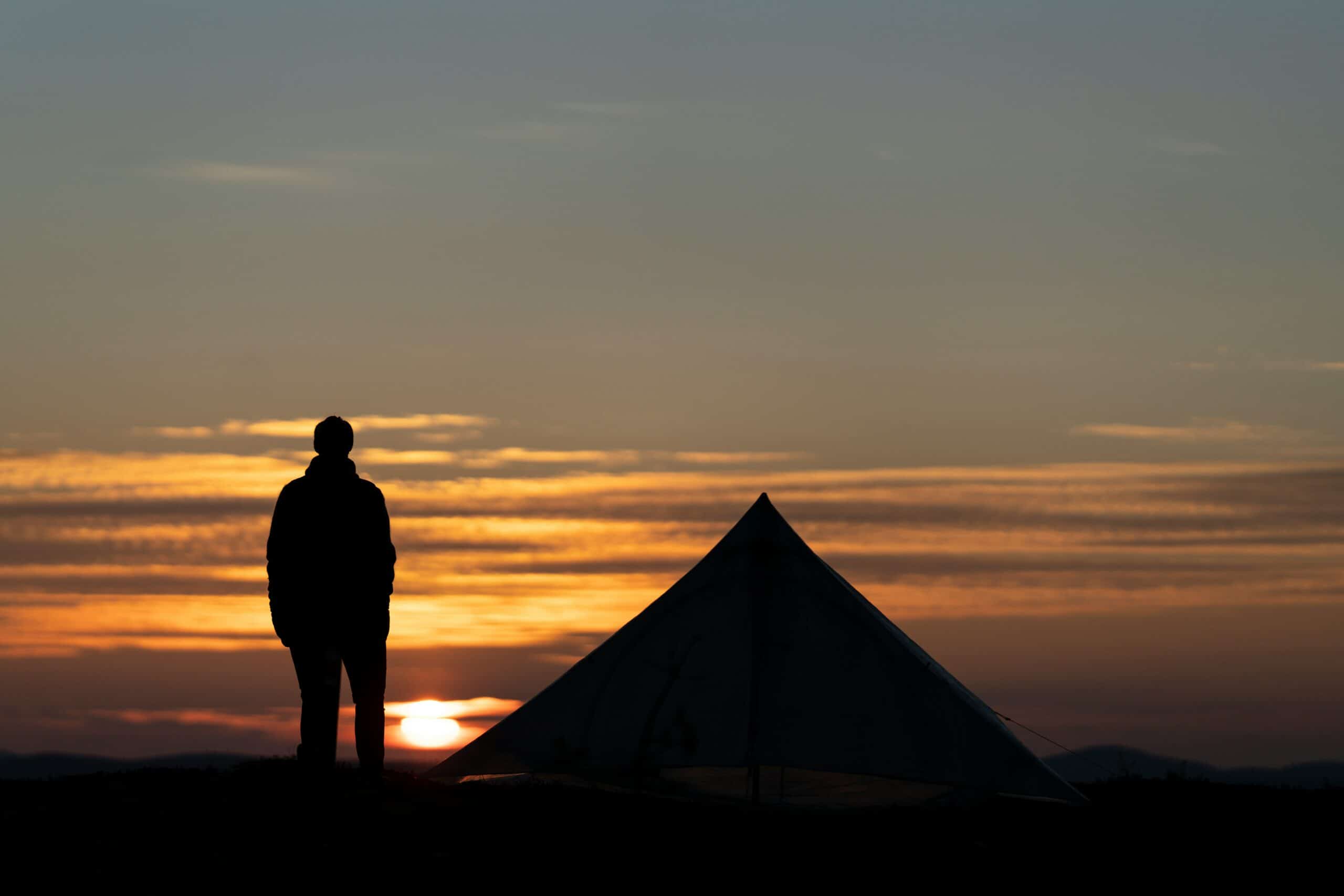
Finding the best ultralight backpacking tents under 200 dollars used to mean compromising on weight, weather protection, or both. That’s changed in 2026. Brands like Naturehike, Clostnature, and Geertop have closed the gap on premium ultralight shelters, delivering sub-4-pound tents at half the price of names like Big Agnes or Zpacks.
For thru-hikers, weekend backpackers, and beginners planning their first long trail, this price tier is the sweet spot. You get serious weight savings without the $500+ commitment of a cottage-brand cuben fiber shelter. The trade-offs are real but manageable: slightly heavier fabrics, less refined poles, and occasional fit-and-finish quirks.
This guide covers our top five picks for 2026, ranked on packed weight, weather resistance, and value at the under-$200 price point. We focus on 1P and 2P options, freestanding and trekking-pole setups, and tents that actually deliver weight numbers worth bragging about.
Why Ultralight Tents Matter for Budget Backpackers
Pack weight defines how far you can hike and how much you’ll enjoy it. Cut a pound from your shelter, and you’ll feel the difference by mile eight. Cut two pounds, and you’ll add miles to every day. The shelter is the biggest single-item weight saver in your pack, bigger than your sleeping bag, bigger than your pad.
The under-$200 tier matters because it democratizes ultralight backpacking. Premium 2-pound tents from Hyperlite Mountain Gear or Zpacks start at $600 and climb past $900. That’s a brutal entry cost for a hobby you’re still testing. Sub-$200 alternatives let you experience real ultralight performance before committing to premium gear.
The catch: budget ultralight tents use thinner fabrics (typically 15D–20D nylon vs 30D in midrange options) and aluminum poles instead of carbon fiber. They’ll last 100+ trail nights with reasonable care, but they’re not lifetime shelters. Plan to replace yours after 2–3 seasons of heavy use.
What to Look for in Ultralight Tents Under $200
Cheap tents are everywhere. Cheap tents that actually perform on the trail are rare. Use these criteria to separate the contenders from the marketing copy.
Packed Weight Under 4 Pounds
The “ultralight” label gets abused. A true ultralight tent weighs under 4 pounds packed for 2P shelters, under 2.5 pounds for 1P. Anything heavier belongs in the lightweight category, not ultralight.
Freestanding vs Trekking Pole Setup
Freestanding tents pitch anywhere, rocky tent pads, wood platforms, hard-packed dirt. Trekking pole tents save weight (no dedicated poles) but require ground you can stake into and trekking poles you already carry. Beginners do better with freestanding.
Weather Resistance Rating
Look for a minimum 2,000mm hydrostatic head rating on the fly and 3,000mm on the floor. Lower than that, expect leaks in sustained rain. Taped seams should come standard at this price point.
Vestibule and Interior Space
A vestibule lets you store wet gear and cook in marginal weather. Interior floor area under 28 square feet feels cramped for two adults, check dimensions, not marketing claims.
Pole Material and Stake Count
Aluminum poles (DAC Featherlite or similar) handle wind better than fiberglass. Six to eight stakes minimum for proper pitch. Cheap stakes bend in hard ground; consider upgrading to titanium V-stakes for $15.
Best Ultralight Backpacking Tents Under $200 in 2026: Our Top 5 Picks
Each tent below has been picked for sub-4-pound weight, weather performance, and durability across multiple trail seasons. If you’re prioritizing comfort over absolute weight, you’ll find a wider selection in our companion guide to the best ultralight tents under $300, the picks below are strictly budget tier and do not overlap. Shelter choice is usually the fastest route to trimming base weight on a multi day trip.
1. Naturehike Cloud-Up 2, Best Overall Value
Best Overall | Price: ~$130
The Naturehike Cloud-Up 2 has dominated the budget ultralight category for years, and the 2026 iteration cements its lead. At 3.7 pounds packed (20D version), it competes directly with shelters costing twice as much. The double-wall design handles condensation better than most single-wall budget tents, and the freestanding pole structure pitches in under five minutes.
Weather protection punches above its price tag. The 20D ripstop fly carries a 4,000mm hydrostatic head rating, well above the budget tier minimum, and the bathtub floor hits 5,000mm. Taped seams come factory-applied. We’ve ridden out sustained Pacific Northwest rain in this tent without leaks.
The compromise is interior space. The 2P designation is generous; two adults will be tight, with limited vestibule storage. Solo hikers love the Cloud-Up 2 as a palace-sized 1P. Couples should consider sizing up to the Cloud-Up 3.
Key Features
- 20D ripstop nylon fly and floor
- Two-pole freestanding design
- Single side door with vestibule
- 4,000mm fly / 5,000mm floor waterproof rating
PROS:
- Excellent waterproofing for the price
- Genuine sub-4-pound packed weight
- Freestanding setup pitches anywhere
- Double-wall construction limits condensation
- Years of proven trail performance
CONS:
- 2P designation is tight for two adults
- Single door only (climb-over for second occupant)
- Aluminum poles less refined than DAC Featherlite
Best for: Solo thru-hikers and budget backpackers prioritizing weather protection at minimum weight.
2. Clostnature Lightweight 2-Person Tent, Best Budget Pick
Best Budget | Price: ~$110
The Clostnature Lightweight is the entry point we recommend for hikers testing ultralight backpacking. At roughly $110, it’s the cheapest tent in this guide that still hits credible weight numbers, 4.1 pounds packed, just over the ultralight threshold. For a first thru-hike or a weekend trip with a friend, it’s hard to beat the value.
Build quality is honest at this price. The 20D nylon fly does its job in moderate weather, with a 3,000mm rating that handles steady rain. The dual-door design, rare under $150, means both occupants can exit without climbing over each other. Two vestibules also help with gear storage.
Limitations show up in wind. The pole geometry isn’t as taut as the Naturehike, so the fly flaps in sustained gusts above 25 mph. Pitch with the door facing away from the wind and you’ll be fine in most three-season conditions.
Key Features
- Two doors and two vestibules
- 20D ripstop fly construction
- Aluminum pole set
- 3,000mm fly / 5,000mm floor rating
PROS:
- Lowest price in this guide
- Dual doors for true 2P convenience
- Two vestibules for gear storage
- Solid floor waterproofing
- Easy 5-minute pitch
CONS:
- Fly flaps in sustained high winds
- Heaviest tent in this guide at 4.1 lbs
- Fabric quality less refined than Naturehike
Best for: Beginners and weekend backpackers wanting a true 2P shelter without spending $200+.
3. Geertop 1-Person Backpacking Tent, Best 1P Solo Pick
Best 1P | Price: ~$90
Solo backpackers don’t need a 2P shelter, and the Geertop 1P proves it. At 2.4 pounds packed, it’s the lightest freestanding option in this guide, and at under $100, it’s the cheapest credible 1P ultralight tent we can recommend. Long-trail hikers who want a sub-3-pound shelter without going to a tarp setup should start here.
Construction holds up surprisingly well at this weight. The 20D ripstop fly and floor share the same waterproofing standards as the Cloud-Up, and the aluminum pole set keeps the pitch taut even in moderate wind. Interior space fits a tall hiker (up to 6’2″) with room for a pack at the foot.
The trade-off is condensation. Single-door, narrow-vestibule designs trap moisture in humid conditions. Crack the vent at the top and pitch with the door open in dry weather to keep things dry.
Key Features
- 2.4 lbs packed weight
- 20D fly and floor waterproof rating
- Single-door freestanding design
- Compact pole set
PROS:
- Lightest tent in this guide
- Under $100 price point
- Fits tall hikers up to 6’2″
- Genuine sub-3-pound packed weight
- Strong waterproofing for the price
CONS:
- Condensation in humid conditions
- Limited interior volume
- Single small vestibule
Best for: Solo thru-hikers, ultralight beginners, and budget hikers who don’t need 2P space.
4. Forceatt 2-Person Backpacking Tent, Best Three-Season All-Rounder
Best All-Rounder | Price: ~$160
The Forceatt 2-Person hits the rare combination of dual doors, sub-4-pound weight, and serious weather protection, all under $160. It’s the tent we’d hand to a friend who needs one shelter to cover spring, summer, and fall trips without breaking the bank.
The 20D fly and floor pair with taped seams and a 5,000mm waterproofing rating on both surfaces. That’s premium-tier numbers at a budget price. Dual doors and dual vestibules make the 2P designation honest. Pole geometry is taut, holding shape in winds up to 30 mph without flapping.
Where the Forceatt loses points is packed size. The tent stuffs into a slightly larger bag than competitors, eating pack volume. Strip it from the stuff sack and pack components separately to save space.
Key Features
- Dual doors and dual vestibules
- 20D ripstop construction
- 5,000mm fly / 5,000mm floor rating
- Aluminum pole set
PROS:
- True 2P space with dual doors
- Premium-tier waterproofing
- Stable pitch in higher winds
- Strong three-season versatility
- Taped seams factory standard
CONS:
- Packed size is larger than competitors
- 3.9 lbs nudges the ultralight ceiling
- Not as refined as Naturehike on fit-and-finish
Best for: Couples and pairs doing varied three-season trips who want a single do-everything shelter under $200.
5. Naturehike VIK 1, Best Trekking Pole Tent
Best Trekking Pole | Price: ~$180
For hikers already carrying trekking poles, the Naturehike VIK 1 unlocks the lightest possible setup at this price point. By using your hiking poles as tent supports, the VIK 1 eliminates dedicated pole weight, bringing total packed weight to 1.7 pounds. That’s cottage-brand territory at a fraction of cottage-brand pricing.
The 15D Sil-Nylon construction is thinner than the Cloud-Up’s 20D, which saves weight but demands more careful site selection. Pitch on smooth ground, avoid sharp rocks, and use a groundsheet for longer trail life. Weather protection is solid at 3,000mm fly / 4,000mm floor.
The learning curve is real. Trekking pole tents require practice to pitch properly. First-time setups in the field often look saggy until you learn the geometry. Practice in your backyard before relying on it on trail.
Key Features
- 1.7 lbs packed weight
- 15D Sil-Nylon fly construction
- Trekking pole pitch (no dedicated poles)
- Single-door with vestibule
PROS:
- Lightest tent in this guide by far
- Eliminates dedicated pole weight
- Sub-2-pound total system weight
- Sil-Nylon resists stretch when wet
- Cottage-brand performance at budget price
CONS:
- Requires trekking poles to pitch
- Learning curve on proper setup
- Thinner fabric requires careful site selection
Best for: Experienced ultralight hikers and trekking pole users chasing the lightest possible 1P shelter under $200.
Quick Comparison
| Tent | Best For | Packed Weight | Capacity | Price |
|---|---|---|---|---|
| Naturehike Cloud-Up 2 | Overall value | 3.7 lbs | 2P | ~$130 |
| Clostnature Lightweight | Budget pick | 4.1 lbs | 2P | ~$110 |
| Geertop 1-Person | Solo backpacking | 2.4 lbs | 1P | ~$90 |
| Forceatt 2-Person | Three-season all-rounder | 3.9 lbs | 2P | ~$160 |
| Naturehike VIK 1 | Trekking pole setups | 1.7 lbs | 1P | ~$180 |
How to Match a Tent to Your Trip and Style
Start with how many sleep inside. Solo hikers should jump straight to the Geertop 1P for value or the Naturehike VIK 1 for absolute minimum weight. Couples and pairs need a true 2P, the Forceatt or Cloud-Up 2 (treating the 2P as cozy) are your best bets.
Next, consider how you pitch. Freestanding tents (Naturehike Cloud-Up, Clostnature, Geertop, Forceatt) pitch anywhere, rocky pads, platforms, hard-packed sites. Trekking pole tents (Naturehike VIK) save weight but need ground you can stake into. Beginners almost always do better with freestanding.
Finally, weigh your weather priorities. Sustained rain demands at least 3,000mm fly rating and taped seams, the Cloud-Up and Forceatt lead this category. Wind exposure favors taut pole geometry, which again pushes you toward the Naturehike or Forceatt. Don’t forget to bring proper layers regardless of shelter choice, even summer alpine nights drop into the 30s, and our guide to cold weather hiking gear covers the layering basics that protect you outside the tent.
Our Verdict
The Naturehike Cloud-Up 2 is our top overall recommendation for 2026. It delivers premium waterproofing, sub-4-pound weight, and proven trail durability for under $130, a combination no other tent in this guide matches.
That said, solo hikers should look hard at the Geertop 1P for the best 1P value or the Naturehike VIK 1 for the lightest possible setup. Couples doing varied three-season trips will appreciate the Forceatt’s dual-door layout and premium waterproofing.
Whichever you pick, pair it with a quality groundsheet (a $15 polycro sheet adds 3 ounces and doubles fabric life), six titanium V-stakes, and guy lines for stormy nights. Pack smart, and a budget ultralight tent will carry you through hundreds of trail miles, and if you’re heading out before your gear arrives, our guide to the best hiking daypacks covers the rest of your kit. Budget tents ship with the weakest hardware, and better stakes and guylines is the cheapest upgrade available.
Frequently Asked Questions
What’s the difference between ultralight and lightweight tents?
Ultralight 2P tents weigh under 4 pounds packed; ultralight 1P tents weigh under 2.5 pounds. Lightweight tents fall in the 4–6 pound range. True ultralight uses thinner fabrics and minimal features.
Can I really thru-hike with a tent under $200?
Yes. Hundreds of AT and PCT hikers complete thru-hikes with Naturehike Cloud-Up tents every year. Budget ultralight tents won’t last forever, but they’ll handle one full thru-hike with care.
How long do budget ultralight tents last?
Expect 100–150 trail nights from a 20D fabric tent before noticeable wear. Premium 30D+ tents last 300+ nights but cost three times as much.
Do I need a footprint with an ultralight tent?
A footprint or groundsheet extends floor life significantly. Polycro window-shrink film cut to size weighs 3 ounces and costs $5, far cheaper than replacing the tent.
What’s the difference between freestanding and trekking pole tents?
Freestanding tents use dedicated poles and pitch anywhere. Trekking pole tents use your hiking poles as supports, saving weight but requiring stakeable ground.
Are these tents waterproof enough for heavy rain?
The Cloud-Up 2, Forceatt, and VIK 1 all hit at least 3,000mm hydrostatic head ratings with taped seams. That’s adequate for sustained rain in three-season conditions.
Can I use these tents in winter?
These are three-season shelters. They’ll handle light snow but lack the structural reinforcement and snow skirts for genuine winter use. Consider a four-season tent for sub-freezing trips.
How do I prevent condensation in single-wall tents?
Crack vents at both ends to promote airflow. Pitch on dry ground when possible. Avoid pitching too close to streams or in low-lying areas where humidity collects.
More Camping Guides
Our guide to how to seam seal a tent covers matching the sealant to a silicone or polyurethane fabric.
