
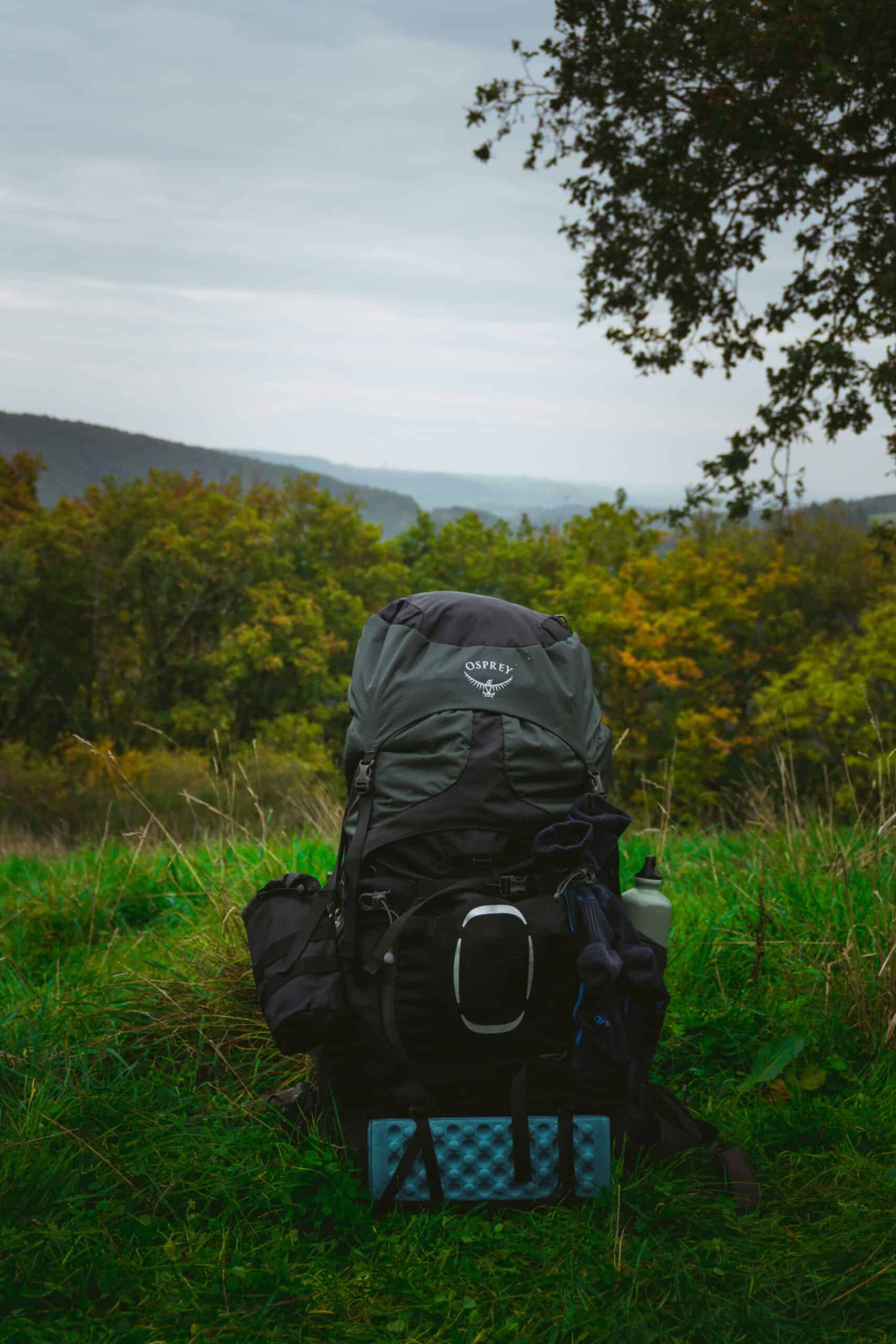
The best hiking backpacks under $100 prove that the most important specifications for a day hiking pack, proper fit, adequate capacity, and hydration compatibility, do not require a $150 to $200 investment to get right.
The premium hiking backpack market is filled with genuinely excellent products. It is also filled with features that most day hikers never use, frame sheets for overnight loads, proprietary suspension systems designed for multi-day weight distribution, and technical attachment systems for ice axes and rope that see a trail on approximately zero percent of day hikes. Paying for those features on a pack you use for 10-mile day hikes with a 15-pound load is paying for engineering you will never need.
Under $100, the backpack market has improved significantly in the past few years. Better suspension systems, more breathable back panels, and proper hydration compatibility are now available at prices that were premium territory 3 years ago. The five packs on this list deliver genuine trail performance for the day hiking and weekend backpacking use cases, where most hikers spend most of their time on the trail.
For the gear that goes inside your pack, our guides to the best hiking boots for beginners and the best hiking socks cover the foot protection that every trail-ready kit needs.
What to Look for in a Hiking Backpack Under $100
Capacity determines whether your gear actually fits.
Day hiking packs range from 18 to 35 liters at the under-$100 price point. An 18 to 22-liter pack carries the essentials for a 6 to 10-mile day hike, water, food, a rain layer, a first aid kit, and a map. A 25 to 30-liter pack adds enough room for extra layers, a camera, trekking poles, and everything needed for a full-day summit hike. A 30 to 35-liter pack bridges day hiking and lightweight overnight use. Match the capacity to your typical hiking distance and the amount of gear your trails require, and resist the urge to buy the largest available pack just in case.
Back panel design determines how hot and uncomfortable you get on climbs.
A flat foam back panel makes full contact with your back, effective for transferring load weight but trapping heat and sweat against your spine during sustained effort. A suspended mesh back panel holds the pack slightly away from your back with a trampoline-like mesh that allows airflow between the pack and your body. The difference in back comfort during a 2,000-foot climb on a 70-degree day is immediately obvious, a mesh-back pack keeps you noticeably cooler and prevents the solid sweat patch that a foam-back pack creates. At the under-$100 price point, mesh back panel options are available and worth specifically seeking out.
Hip belt determines how much of the load transfers to your hips.
A padded hip belt transfers 60 to 80 percent of the pack’s weight from your shoulders to your hips and legs, your body’s strongest muscle groups. A thin webbing hip belt does nothing for weight transfer and exists only to stabilize the pack against swing during movement. For day hikes with 15 pounds or less, the difference between a padded and webbing hip belt is minor. For loads above 15 pounds or hikes above 8 miles, the padded hip belt becomes a meaningful comfort factor, shoulder fatigue accumulates significantly without hip belt weight transfer on longer distances.
Organization determines how quickly you access what you need on the trail.
The best under-$100 hiking packs include a main compartment for bulky items, a top lid pocket for quick-access essentials like sunscreen and a first aid kit, side mesh pockets accessible while the pack is on your back, and a hip belt pocket or two for snacks and a phone. Interior organization, laptop sleeves repurposed as hydration bladder sleeves, key clips, and organizer pockets, reduces the time spent searching for small items in a full pack.
The 5 Best Hiking Backpacks Under $100 in 2026
#1 Overall Regardless of Price, Osprey Talon 22
Best Overall Hiking Backpack Under $100 | Price: ~$130
I want to be upfront, the Osprey Talon 22 costs $130, which is above the $100 threshold in this article. I am including it because it is the pack that every serious hiking community consistently recommends as the first pack worth owning, and understanding what it offers helps you evaluate the genuine trade-offs of the sub-$100 options below. If your budget extends to $130, the Talon 22 is where to spend it, we covered it in detail in our best hiking daypacks guide.
#1 Under $100, REI Co-op Trail 25
Best Value Hiking Backpack Under $100 | Price: ~$90
The REI Trail 25 is the hiking backpack that makes the Osprey Talon 22’s $130 price genuinely difficult to justify for hikers who need a solid everyday trail pack without the mesh ventilation system and hip belt pockets that the Talon’s premium covers. At $90, it delivers proper suspension, hydration compatibility, and intuitive organization at the best value on this list.
Solid Performance at the Right Price
The 25-liter capacity handles full-day hiking loads, including a 3-liter hydration bladder, food, rain gear, extra layers, and a first aid kit without requiring creative packing. The padded shoulder straps and foam hip belt distribute weight adequately for day hikes up to 12 to 15 miles with a standard load. The hydration sleeve fits bladders up to 3 liters, larger than many competitors at this price point.
The side mesh pockets stretch wide enough to hold a 32-ounce Nalgene bottle, accessible with one hand while the pack is on your back, without stopping or removing the pack. The top lid pocket separates quick-access items from the main compartment. The foam back panel makes more contact with your back than the Osprey’s mesh system, warmer on hot days but adequate for cool to moderate temperature hiking.
PROS:
- Strong value at $90 for a well-featured day hiking pack
- 25-liter capacity handles full-day hiking loads comfortably
- Hydration sleeve fits bladders up to 3 liters
- Side pockets hold a 32-ounce Nalgene bottle accessible while moving
- Padded hip belt transfers weight adequately for loads up to 20 pounds
- REI brand quality and return policy
CONS:
- Foam back panel traps heat against your back in warm conditions
- No hip belt pockets, snacks and phone require stopping to access
- Basic suspension compared to the Osprey Talon at a similar weight
Best for: Day hikers and weekend backpackers who want solid everyday trail performance at the best price available without the Osprey’s mesh ventilation premium.
2. Deuter Speed Lite 21
Best Lightweight Hiking Backpack Under $100 | Price: ~$100
The Deuter Speed Lite 21 sits at the very top of the under-$100 budget and delivers the best weight-to-features ratio on this list, at 1.1 pounds, it is the lightest pack here and a genuine option for trail runners and fast hikers who want minimal pack weight alongside adequate capacity.
The Airstripes back system uses two foam rails rather than a full foam panel, reducing back contact area and improving airflow significantly over standard foam back panels. The 21-liter capacity is intentionally minimal, this pack rewards disciplined packing rather than encouraging you to bring everything. The hydration sleeve fits bladders up to 3 liters. Compression straps on the outside cinch the load tight against your back for stability on technical terrain and scrambling.
At $100 the Deuter Speed Lite 21 delivers noticeably better back ventilation than the REI Trail 25 at $10 more, a worthwhile trade for hikers who prioritize breathability in warm conditions.
PROS:
- 1.1 pounds, lightest pack on this list by a meaningful margin
- Airstripes ventilation significantly improves airflow over foam panel alternatives
- Compression straps stabilize load on technical terrain and scrambling
- Hydration compatible up to 3 liters
- Deuter build quality consistently above average for the price
- Multiple sizes available for accurate torso length fit
CONS:
- 21-liter capacity requires disciplined packing, not ideal for hikers who bring more gear
- Minimal hip belt provides stability but limited weight transfer
- No integrated rain cover, requires a separate pack cover in wet conditions
Best for: Trail runners, fast hikers, and warm-weather day hikers who want the lightest pack with adequate ventilation at the under-$100 price point.
3. Teton Sports Explorer 4000
Best Large Capacity Hiking Backpack Under $100 | Price: ~$70
The Teton Sports Explorer 4000 is the hiking backpack for hikers who need maximum capacity at a budget price, at 65 liters and $70, it provides enough room for multi-day trips and heavy gear loads at a price that removes all financial hesitation from getting started with overnight backpacking.
The semi-rigid frame provides enough structure to carry heavier loads comfortably, up to 40 to 50 pounds without the frame flexing uncomfortably under the load. The padded hip belt transfers a meaningful portion of that load to the hips. The multiple external pockets and compression straps organize and secure a full backpacking kit, including a sleeping bag, tent, sleeping pad, food, water, and clothing for a weekend trip.
You can check what size suits before comparing models before deciding.
More About the Teton Sports Explorer 4000
The honest trade-off at $70 for a 65-liter pack is suspension precision, the fit adjustment system is less refined than premium packs from Osprey and Gregory at equivalent capacity. The suspension works adequately for most body types but does not provide the precise torso length adjustment that correctly distributes heavy loads for longer trips. For weekend trips under 30 miles, the Teton Explorer is a practical starting option at a price that makes overnight backpacking accessible.
PROS:
- 65-liter capacity handles multi-day backpacking loads at a budget price
- Semi-rigid frame supports heavier loads up to 40 to 50 pounds
- Padded hip belt provides meaningful weight transfer
- Multiple external pockets organize a full backpacking kit
- Most affordable large-capacity backpack on this list at approximately $70
- Teton Sports lifetime warranty
CONS:
- Less precise suspension fit adjustment than premium alternatives
- Heavier than premium alternatives at equivalent capacity
- Less breathable back panel than mesh-back alternatives
Best for: Beginning overnight backpackers who want to try multi-day trips at the lowest possible gear investment before deciding whether to upgrade to a premium pack.
4. Mountaintop 40L Hiking Backpack
Best Mid-Size Hiking Backpack Under $100 | Price: ~$50
The Mountaintop 40L is the mid-size option for hikers who need more capacity than a standard day pack but less than a full overnight pack, perfect for long day hikes with multiple layers, photography equipment, or any gear load that a 25-liter pack cannot comfortably accommodate.
More About the Product
The 40-liter capacity sits between the REI Trail 25 and the Teton Explorer, large enough for a full day of gear plus some overnight capacity for one-night trips with minimal overnight equipment. The rain cover is built into the bottom of the pack and pulls out when needed, one of the more practical inclusions at this price point that most packs at twice the price require a separate purchase to add. The ventilated back panel improves airflow over flat foam alternatives without reaching the performance of a fully suspended mesh system.
At $50, it is the most affordable option with an integrated rain cover on this list, a meaningful practical value for hikers in variable weather conditions who do not want to carry a separate pack cover.
PROS:
- 40-liter capacity handles long day hikes and light overnight trips
- Integrated rain cover pulls out from bottom pocket, no separate purchase needed
- Ventilated back panel improves airflow over flat foam alternatives
- Most affordable option on this list with a rain cover at approximately $50
- Hip belt pocket on one side for quick snack and phone access
- Hydration compatible
CONS:
- Less refined suspension than REI and Deuter alternatives
- Ventilated back panel is not fully suspended, less airflow than mesh-back designs
- Build quality reflects the lower price, less durable than premium alternatives for heavy use
Best for: Hikers who need more than a standard day pack capacity and want an integrated rain cover at a budget price, particularly those in variable weather regions where a separate rain cover would otherwise be a required additional purchase.
5. Kelty Redwing 30
Best Everyday Hiking Backpack Under $100 | Price: ~$70
The Kelty Redwing 30 is the everyday hiking pack for hikers who want the most organized storage layout at the under-$100 price point, the front organization panel with multiple pockets and loops keeps small items accessible without digging through the main compartment during a hike.
The 30-liter capacity handles full-day hiking loads for most hikers without feeling oversized. The padded shoulder straps and basic hip belt distribute weight adequately for moderate day hiking distances. The hydration compatible sleeve fits standard bladders. The front panel zippered pocket opens like a clamshell and reveals a series of smaller organization pockets, the most useful organization feature available in this price range for hikers who carry many small items like a first aid kit, headlamp, snacks, maps, and sunscreen that otherwise get buried in the main compartment.
PROS:
- Front panel clamshell organization pocket is the most useful organization feature at this price
- 30-liter capacity handles full-day hiking loads comfortably
- Padded shoulder straps and a basic hip belt for adequate weight distribution
- Hydration compatible
- Kelty brand reliability is backed by decades of outdoor gear manufacturing
- Most organized storage layout of any pack on this list at the price
CONS:
- Foam back panel traps heat in warm conditions
- Basic hip belt provides stability rather than meaningful weight transfer
- Less breathable than the Deuter Speed Lite alternative
Best for: Day hikers who carry many small items and prioritize organized storage access over back ventilation, and anyone who has been frustrated by digging through a disorganized main compartment to find small items during a hike.
Quick Comparison: Best Hiking Backpacks Under $100 in 2026
| Backpack | Price | Capacity | Weight | Back Panel | Rain Cover | Score |
|---|---|---|---|---|---|---|
| REI Co-op Trail 25 | ~$90 | 25L | 2.2 lb | Foam | No | 9.1 |
| Deuter Speed Lite 21 | ~$100 | 21L | 1.1 lb | Airstripes | No | 9.0 |
| Kelty Redwing 30 | ~$70 | 30L | 2.5 lb | Foam | No | 8.9 |
| Teton Explorer 4000 | ~$70 | 65L | 4.9 lb | Foam | No | 8.8 |
| Mountaintop 40L | ~$50 | 40L | 2.6 lb | Ventilated | Yes | 8.7 |
Our Verdict
For most day hikers, the REI Trail 25 at $90 is the right choice, solid suspension, 25-liter capacity, and 3-liter hydration compatibility at the best price-to-performance ratio on this list. For warm-weather hikers who prioritize breathability, the Deuter Speed Lite 21 at $100 delivers noticeably better back ventilation at the lightest weight on this list.
The Kelty Redwing 30 at $70 is the best choice for hikers who carry many small items and want the most organized storage layout under $100. Beginning overnight backpackers who want to try multi-day trips at the lowest investment should consider the Teton Explorer 4000 at $70. And hikers who want an integrated rain cover at a budget price should look at the Mountaintop 40L at $50, the built-in rain cover is a practical inclusion that most packs at twice the price require a separate accessory to add.
Frequently Asked Questions: Best Hiking Backpacks Under $100
What is the best hiking backpack under $100 in 2026? The REI Co-op Trail 25 is the best overall hiking backpack under $100, solid suspension, 25-liter capacity for full-day hiking loads, and 3-liter hydration compatibility at $90 make it the strongest combination of performance and value. For hikers who prioritize breathability and minimum pack weight, the Deuter Speed Lite 21 at $100 delivers the best back ventilation and lightest weight at the budget ceiling.
What size hiking backpack do I need for day hiking? For short day hikes of 3 to 6 miles, a 20 to 22-liter pack carries everything needed without excess bulk. If you were to do a full-day hike of 8 to 15 miles, a 25 to 30-liter pack provides adequate room for water, food, layers, and safety gear. And if you were to do a long summit hike or hikes with technical gear like trekking poles, a camera, and emergency equipment, a 30 to 35-liter pack is the right range. Avoid going larger than 35 liters for pure day hiking, the extra space encourages overpacking that adds unnecessary weight without adding function.
More Questions About Hiking Backpacks
How do I properly fit a hiking backpack? Start by measuring your torso length, the distance from the C7 vertebra at the base of your neck to the iliac crest at the top of your hip bones. Most hiking packs are available in small, medium, and large torso lengths corresponding to these measurements. Once you have the right size pack, put it on with the hip belt sitting on your iliac crest, tighten the hip belt first before adjusting anything else. Then tighten the shoulder straps until the pack sits against your back without the straps pulling forward. Finally, tighten the load lifter straps, the straps connecting the top of the shoulder straps to the pack frame, until they angle upward at approximately 45 degrees. A properly fitted pack feels connected to your body rather than hanging off your shoulders.
Should I waterproof my hiking backpack? Most hiking packs at the under-$100 price point are water-resistant rather than waterproof, they handle light rain and brief exposure adequately, but soak through in sustained heavy rain. For hiking in regions with regular precipitation, add either a fitted pack rain cover, which fits over the exterior of the pack, or pack all gear in dry bags inside the pack. The internal dry bag approach is more reliable than an external rain cover in wind-driven rain, where the cover can peel back. For consistently dry hiking conditions, the standard water-resistant treatment of most packs handles occasional light rain without any additional waterproofing measures.
More Hiking Guides
When you need to inspect distant terrain closely, a spotting scope picks up where binoculars leave off.
