
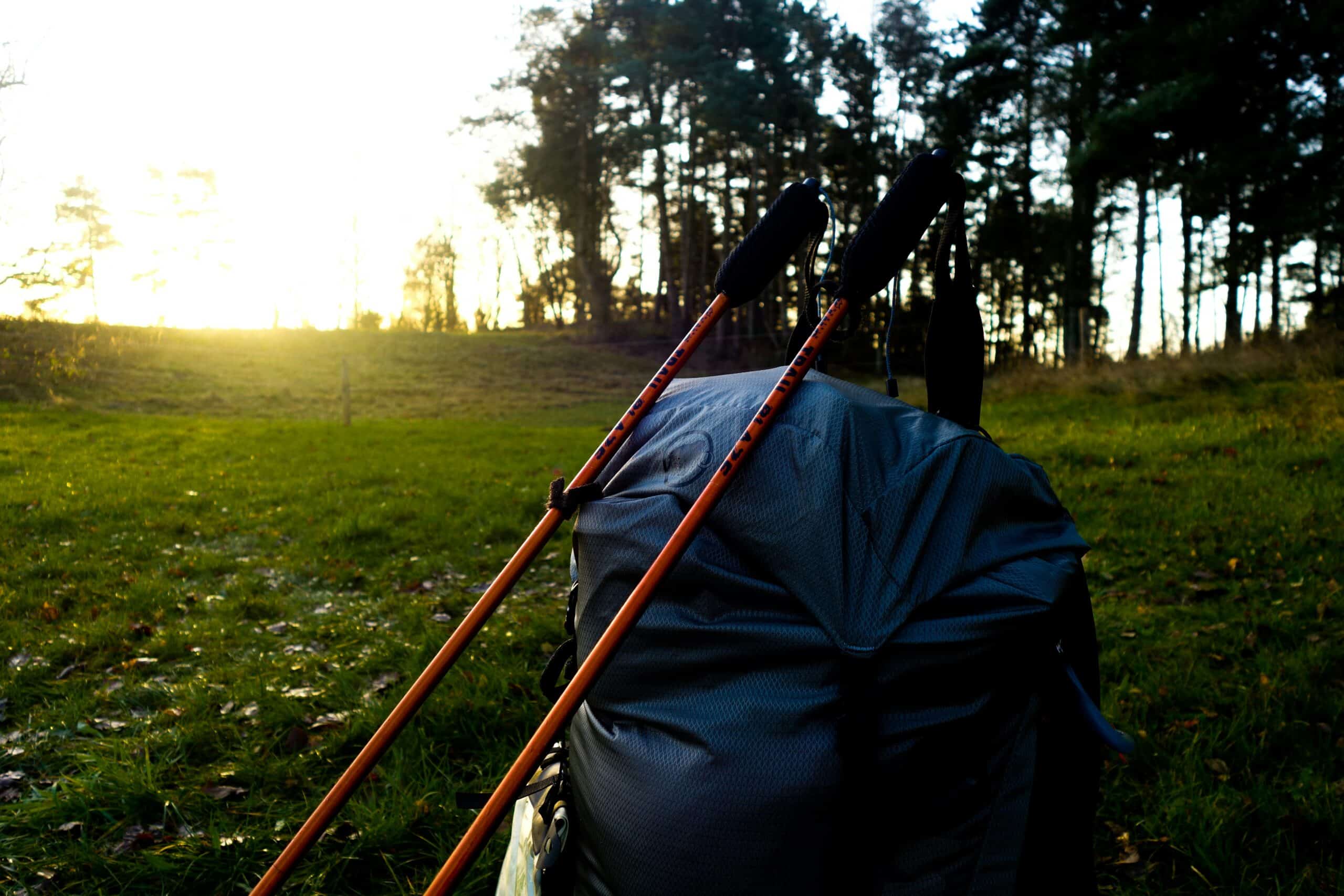
You’ve been hiking with the same trekking poles for two years, and the tips that came with them have been worn down to stubs by hundreds of miles of granite, sandstone, and paved approach trails. The rubber caps disappeared somewhere in Colorado. The baskets are cracked and spinning loosely on the shaft. And now, on a steep scree descent last weekend, your pole slipped on a flat rock instead of gripping, almost sending you tumbling fifteen feet down the slope. Time to replace your trekking pole tips and baskets. But what you discover when you start shopping is that “trekking pole tips” isn’t one product, it’s at least five distinct categories designed for completely different terrain, and getting the wrong type is worse than using worn tips.
Trekking pole tips and baskets are among the most undervalued pieces of hiking gear. Good tips transform your poles from walking accessories into legitimate mobility tools that reduce knee impact by up to 25%, improve stability on unstable terrain, and provide fall recovery during slips. Wrong tips do the opposite, they skitter on rocks, collapse through soft snow, damage sensitive trail surfaces, and fail at exactly the moments you need support most. Worn-out tips create safety hazards that many hikers don’t recognize until they’re already falling.
This guide compares the five best trekking pole tip and basket options of 2026 across different terrain types and use cases. Whether you hike primarily on rock, soft dirt, snow, or mixed terrain that demands versatility, there’s a tip system below matched to your specific conditions. If you’re still choosing your trekking poles themselves, our guide on the best trekking poles for hiking covers pole selection before accessory optimization.
Why Trekking Pole Tips Matter More Than You Think
Most hikers treat tips and baskets as afterthoughts, using whatever came with their poles until they fail completely, then replacing with whatever is cheapest. Understanding how much tip choice affects real hiking performance changes this calculation significantly.
The Traction Reality
Different terrain demands different traction mechanisms. Carbide steel tips grip rock through mechanical bite, microscopically interlocking with stone surface irregularities for aggressive traction. Rubber tips grip smooth surfaces through friction, working best on pavement, wooden boardwalks, and wet rocks where metal tips slide. Soft snow requires wide baskets that distribute weight across the surface rather than punching through. Using the wrong mechanism for the terrain doesn’t just reduce grip, it can create active hazards as the pole fails to provide expected support.
A carbide tip on wet granite provides reliable grip that rubber tips can’t match. That same carbide tip on a painted bridge deck or polished stone slab skates across the surface with virtually no traction. Experienced hikers switch tip types based on terrain segments, which most hikers don’t realize is even an option.
The Surface Damage Factor
Beyond your own safety, tip choice affects trail surface durability. Carbide tips on granite and rock trails cause no lasting damage. Those same tips on delicate desert crust, alpine meadows, wooden boardwalks, and sandstone slickrock cause visible and permanent damage to surfaces that took centuries to form. Leave No Trace principles specifically address trekking pole use, requiring rubber tips in sensitive environments like desert biological crust and alpine tundra.
Many national parks and wilderness areas now require rubber tip use in specific zones. Zion National Park, Canyonlands, Grand Staircase-Escalante, and numerous alpine protection areas have tip restrictions. Hiking without rubber tips in these areas isn’t just bad etiquette, it’s potentially a violation with real consequences.
The Longevity Math
Quality trekking pole tips last 300-800 miles of regular hiking depending on conditions and materials. Budget tips often wear through in 150-300 miles. Replacement costs $10-25 per set, and running worn tips creates progressive performance degradation, each successive hike provides less grip than the last until a fall happens.
Understanding when to replace tips matters as much as choosing the right types. Most hikers replace far too late, accepting progressively worse performance rather than spending $15 on replacement tips every 500 miles.
The Basket Function
Baskets prevent poles from sinking too deep into soft terrain, snow, mud, sand, and soft forest duff. Without appropriate baskets, poles punch through soft surfaces uselessly, providing zero stability benefit while demanding energy to retrieve. With appropriate baskets, the same terrain becomes reliably traversable because the pole actually transfers force into the ground rather than sinking into it. If you’re heading into winter terrain, pair the right baskets with our guide on cold weather hiking gear for complete mountain preparation.
What to Look for in the Best Trekking Pole Tips and Baskets
Not every replacement tip system fits every trekking pole, and not every tip type handles every terrain. Specific features determine whether replacement parts actually improve your hiking experience.
Compatibility with Your Pole Brand
Trekking pole tip attachment systems vary significantly between manufacturers. Black Diamond, Leki, Komperdell, Gossamer Gear, Fizan, Cascade Mountain Tech, and others use different shaft diameters (typically 10-14mm), different thread patterns, and different basket attachment mechanisms. Universal-fit claims should be verified against your specific pole model before purchasing.
The pole brand’s own replacement tips always fit correctly. Generic replacements sometimes fit and sometimes don’t. Check your pole manual or manufacturer’s website for shaft diameter before ordering generic replacements.
Material Quality for the Tip
Tungsten carbide is the premium tip material, harder than steel, grips rock aggressively, lasts significantly longer than alternatives. Steel tips are the standard middle ground, decent performance and longevity. Hardened aluminum is the budget option, shorter lifespan, adequate performance for dirt and gravel but poor on hard rock.
For heavy rock use, carbide is clearly worth the premium. For primarily soft-surface hiking (forest trails, dirt paths), steel or aluminum serves adequately at lower cost. Carbide tips on soft surfaces exclusively represent overkill without meaningful benefit.
Basket Size and Style for Terrain
Trail baskets (2-2.5 inch diameter) work for mixed hiking conditions, enough surface area for mud and soft dirt, small enough to slip through rocks and dense vegetation. Snow baskets (3.5-5 inch diameter) provide the large surface area necessary for powder and soft snow. Mud baskets fall between, typically 2.5-3 inch diameter, specialized for specific wet terrain.
Most hikers benefit from having both trail baskets (daily use) and snow baskets (winter-specific) available. Seasonal swapping takes 30 seconds per pole and dramatically improves terrain-specific performance.
Quick-Change vs Threaded Attachment
Some tip systems allow quick-change without tools, push-button releases or twist-lock mechanisms. These are convenient for hikers who switch between rubber and carbide tips based on terrain segments. Threaded attachment systems require tools for changes but typically provide more secure attachment under heavy use.
For occasional tip changes, threaded systems work fine. For hikers who change tips multiple times per hike (transitioning between rock and pavement sections, for example), quick-change systems save significant time.
Rubber Tip Quality
Rubber tips vary significantly in quality. Premium rubber tips use durable compounds that resist wear and maintain grip. Budget rubber tips compress and smooth out within 20-50 miles, losing their textured traction pattern. The difference in lifespan between premium and budget rubber tips is often 5-10x.
For serious rubber tip users (urban approaches, sensitive environments, wet rock hiking), spending the extra $5-10 for premium rubber compounds pays back quickly in replacement frequency.
Noise Level
Metal tips on hard surfaces create distinct clicking sounds that some hikers (and wildlife) find objectionable. Rubber tips eliminate this noise entirely. For wildlife observation, photography hiking, or simply quieter trail experiences, rubber tips provide acoustic benefits beyond surface protection.
Best Trekking Pole Tips and Baskets in 2026: Our Top 5 Picks
1. Black Diamond Z-Pole Carbide Tech Tips, Best Overall Trekking Pole Tips
Best Overall | Price: ~$25 per pair
Black Diamond’s Z-Pole Carbide Tech Tips set the standard for trekking pole tips, combining premium tungsten carbide bite with the quality manufacturing that makes Black Diamond the largest trekking pole company globally. These tips thread directly onto Black Diamond poles and fit many competitor brands with 12mm shaft diameters. For Black Diamond pole owners specifically, and for generic compatibility across many pole systems, these are the default recommendation.
Best for: Black Diamond pole owners, general hikers wanting premium quality, mixed rock and dirt terrain users.
Why Black Diamond Carbide Tech Tips Set the Standard
The tungsten carbide grade is genuinely premium, harder than carbide used in budget tips, retaining sharp edges longer and providing more consistent grip across hundreds of miles. Black Diamond’s manufacturing tolerances are tight enough that tips don’t develop the wobble common in aftermarket replacements, maintaining secure attachment through extended use.
The tip geometry uses a specific angle optimized for rock grip without being so aggressive that the tip catches on vegetation or gets stuck in crack systems. This geometry balance comes from extensive field testing across different terrain types, Black Diamond’s alpine history influences their tip design in ways competitor brands don’t match.
Threading uses standard 12mm pitch that matches most major pole brands including Leki, Komperdell, and many others. Compatibility is usually excellent for aftermarket use, though always verify shaft diameter on your specific poles before ordering.
Lifespan averages 500-800 miles of regular hiking depending on terrain intensity. Rock-heavy use at the shorter end; soft surface use at the longer end. Compared to budget carbide at 300-500 miles, the premium cost pays back in longer service life.
Total cost of ownership: $25 per pair with 500-800 mile lifespan. Per-100-mile cost around $3-5, genuinely reasonable for quality that prevents skittering failures on technical terrain.
PROS:
- Premium tungsten carbide construction
- Superior longevity to budget alternatives
- Compatible with most major pole brands
- Optimized tip geometry for mixed terrain
- Black Diamond manufacturing tolerances
- Reliable attachment without wobble
CONS:
- Higher price than basic tips
- Compatibility requires verifying shaft diameter
- Too aggressive for sensitive trail surfaces
- Need rubber tip complement for mixed use
- Threads may require occasional tightening
- Not available in multi-pack savings
2. Leki Aergon Air Baskets and Carbide Flex Tips, Best Premium System
Best Premium System | Price: ~$32 per pair tips, $18 per pair baskets
Leki pioneered modern trekking pole design, and their Aergon system represents the most refined tip-and-basket combination available. The Carbide Flex Tips use a specialized vibration-damping construction that reduces arm fatigue during extended use, while the Aergon baskets offer quick-change mounting that allows fast swapping between trail and snow sizes. For Leki pole owners and hikers wanting the most refined system available, this is the premium choice.
Best for: Leki pole owners, long-distance hikers with arm fatigue concerns, technical terrain hikers, seasonal transition users needing quick basket changes.
Why the Leki System Justifies the Premium
The flex portion of the Carbide Flex Tip isolates impact vibration from transmitting up the pole shaft. During extended hiking on hard rock, repeated impact shock causes progressive arm and shoulder fatigue. Leki’s vibration damping reduces this measurably, studies of thru-hikers using Leki tips report less arm soreness compared to rigid tips over equivalent distances. The benefit compounds across long-distance hiking.
The quick-change basket system lets you swap trail and snow baskets in under 30 seconds per pole without tools. For backcountry skiers, snowshoers, and hikers crossing snow fields during shoulder seasons, this flexibility matters. Most tip systems require tools or aggressive force to change baskets; Leki’s design is genuinely quick and secure.
Construction tolerances exceed even Black Diamond’s, Leki manufactures in Germany with precision that shows in component fit and durability. Tips don’t loosen during extended use, baskets don’t crack under impact, and the overall system maintains performance across 1,000+ miles of thru-hiking use.
The premium price reflects genuine quality differences. For casual hikers, the benefits may not justify the cost premium over Black Diamond. For serious thru-hikers or users with arm fatigue issues, the Leki system often becomes the preferred choice.
Total cost of ownership: $50 combined tips and baskets with 800-1,200 mile lifespan. Per-100-mile cost around $4-6, slightly more than Black Diamond but with meaningful additional benefits.
PROS:
- Vibration damping reduces arm fatigue
- Quick-change basket system
- Premium German manufacturing tolerances
- Longest expected lifespan in category
- Excellent compatibility with most Leki poles
- Genuinely reduces fatigue on long hikes
CONS:
- Highest price in category
- Primarily designed for Leki poles
- Limited compatibility with some generic shafts
- Premium features matter less for casual hikers
- Requires ordering tips and baskets separately
- Complex system less forgiving of user error
3. Raidlight Ultra Light Carbide Tips, Best Ultralight Option
Best Ultralight | Price: ~$18 per pair
For thru-hikers and ultralight backpackers counting grams, Raidlight Ultra Light Carbide Tips deliver premium carbide performance at minimal weight, 0.4 ounces per pair compared to 1.2 ounces for standard carbide tips. The trail-running heritage of Raidlight (originally a French trail running brand) brings ultralight design sensibilities to trekking pole accessories.
Best for: Ultralight hikers, thru-hikers, trail runners, weight-conscious users who still want premium performance.
Why Raidlight Bridges Trail Running and Hiking
The weight reduction comes from a smaller tip body combined with a focused carbide insert that provides rock grip without unnecessary material. Traditional carbide tips include substantial metal housing that doesn’t contribute to function, Raidlight eliminates this overbuilding for weight savings without sacrificing grip.
The compatibility range covers most major pole brands through a standard 12mm thread pattern. Installation is straightforward with any standard wrench. The smaller tip profile is slightly more prone to getting caught in crack systems compared to Black Diamond’s optimized geometry, but this is a minor concern for most users.
Raidlight manufactures tips specifically designed for the French Alps terrain, mixed rock, scree, and alpine conditions that closely match what most mountain hikers encounter. The tip geometry works well across these conditions without needing specialization.
Lifespan averages 400-600 miles, slightly less than Black Diamond’s premium tips due to the reduced material. For thru-hikers, this means potentially one mid-trail replacement, which is accepted tradeoff for the weight savings across thousands of miles.
Total cost of ownership: $18 per pair with 400-600 mile lifespan. Per-100-mile cost around $3-4.50, excellent value for ultralight performance.
PROS:
- Dramatically lighter than standard carbide
- Still genuinely premium performance
- Lower cost than Black Diamond or Leki
- Well-suited for thru-hiking
- Good compatibility with major brands
- Trail-running heritage shows in design
CONS:
- Shorter lifespan than full-weight alternatives
- Specialty brand less common in US retail
- Smaller tip can catch in crack systems
- Less available than mainstream alternatives
- May require online-only ordering
- Limited color options
4. TrailBuddy Rubber Tip Feet, Best Rubber Tip Replacement
Best Rubber Option | Price: ~$12 per pair
Rubber tips protect sensitive trail surfaces and provide superior grip on smooth, wet, or paved surfaces where metal tips skitter. TrailBuddy Rubber Tips deliver genuine premium rubber compound at budget pricing, making them the go-to replacement for sensitive-area hikers and anyone requiring the quiet operation rubber tips provide. The textured grip pattern maintains traction across hundreds of miles of mixed use.
Best for: Sensitive-area hikers (deserts, alpine zones), urban approach users, wet rock hikers, anyone wanting quieter pole operation.
Why TrailBuddy Outperforms Budget Rubber Tips
The rubber compound is substantially denser and more durable than budget alternatives. Budget rubber tips (the $3-5 variety) compress and smooth out within 20-50 miles, losing their traction pattern entirely. TrailBuddy rubber tips maintain their textured grip across 150-300 miles of regular use, roughly 5-10x the lifespan of cheapest alternatives.
The compound balances hardness (for wear resistance) with grip (through tacky surface texture). Walking on pavement, wooden boardwalks, slickrock, and wet stone all benefit from the increased friction compared to smooth rubber. The tread pattern sheds dirt and small debris rather than collecting them like some aggressive tread designs.
Fit compatibility covers a wide range of pole diameters through a flexible insertion system, the rubber tip slides over existing metal tips rather than replacing them. This means you retain metal tips for terrain that requires them while adding rubber protection when conditions demand it. Quick on-off capability without tools.
Some users report the initial fit requires forcing, rubber is tight initially to ensure secure attachment. This is correct behavior; looser-fitting rubber tips fall off during use. Once installed, the tips stay secure through miles of use until you choose to remove them.
Total cost of ownership: $12 per pair with 150-300 mile lifespan. Per-100-mile cost around $4-8, reasonable for the specific benefits rubber tips provide.
PROS:
- Premium rubber compound at budget price
- 5-10x lifespan of cheapest alternatives
- Slides over existing metal tips
- Maintains traction pattern through extensive wear
- Compatible with nearly all pole brands
- Eliminates clicking noise on hard surfaces
- Protects sensitive trail surfaces
CONS:
- Initial fit requires forcing
- Eventually wear smooth despite quality compound
- Not for aggressive rock use (metal still needed)
- Can be lost if not secured properly
- Doesn’t completely eliminate shaft wear
- Dirty conditions accelerate wear
5. Cascade Mountain Tech Snow Baskets, Best Snow and Winter Baskets
Best Snow Baskets | Price: ~$8 per pair
Winter hiking, snowshoeing, and ski touring require large-diameter snow baskets that small trail baskets can’t match for flotation. Cascade Mountain Tech Snow Baskets deliver 4-inch diameter baskets with secure locking attachment at remarkably affordable pricing. For seasonal hikers needing winter-specific baskets without premium investment, these are the practical choice.
Best for: Seasonal winter hikers, snowshoers, ski tourers, budget-conscious users wanting additional basket sets without premium pricing.
Why Cascade Mountain Tech Snow Baskets Work
The 4-inch diameter provides enough surface area for soft powder flotation without being so large that baskets catch on vegetation during mixed terrain use. This sizing hits the practical sweet spot for most non-expedition winter hiking, expedition use in very deep powder may benefit from larger 5-inch baskets, but these are uncommon for most winter recreation.
The locking attachment system uses a screw-lock mechanism that secures the basket to the pole shaft without allowing rotation during use. Basket rotation is a common problem with friction-fit baskets, they spin freely on the pole, occasionally interfering with pole placement on hard surfaces. The screw-lock design eliminates this issue.
Construction uses impact-resistant polymer that handles cold temperatures without becoming brittle. Budget baskets often crack in sub-freezing conditions, Cascade Mountain Tech specifically tested for winter temperatures, maintaining impact resistance down to -20°F. The polymer also resists damage from ice crust punch-through that breaks cheaper baskets.
Compatibility covers most pole brands with shaft diameters 11-13mm. Cascade Mountain Tech, Black Diamond, Leki (some models), Komperdell, and many others work well. Verify shaft diameter before ordering, particularly for high-end ultralight poles that may use non-standard diameters.
Total cost of ownership: $8 per pair with 3-5 year lifespan for seasonal use. Per-season cost around $2-3, dramatically affordable for seasonal users who need snow-specific baskets.
PROS:
- Proper snow basket size for flotation
- Screw-lock prevents basket rotation
- Cold-resistant polymer construction
- Remarkably affordable pricing
- Good compatibility across major brands
- Seasonal use gives long practical lifespan
CONS:
- Not premium brand quality
- Plastic construction less durable than metal
- Can become loose over time without maintenance
- Color options limited
- Installation requires initial setup
- Not suited for very deep powder expeditions
Quick Comparison of the Best Trekking Pole Tips and Baskets
For fast reference, here’s how the five options stack up:
- Black Diamond Carbide Tech Tips, Best overall for mixed terrain, ~$25 per pair
- Leki Aergon System, Best premium system with vibration damping, ~$50 combined
- Raidlight Ultra Light Tips, Best ultralight carbide, ~$18 per pair
- TrailBuddy Rubber Tips, Best rubber for sensitive surfaces and wet rock, ~$12 per pair
- Cascade Mountain Tech Snow Baskets, Best snow baskets for winter use, ~$8 per pair
How to Choose the Right Trekking Pole Tips and Baskets
Match your choice to your specific terrain and use patterns.
If you want reliable general-purpose replacement tips, Black Diamond Carbide Tech Tips are the default recommendation. The premium carbide quality, broad compatibility, and optimized tip geometry handle mixed terrain without requiring specialized alternatives. For Black Diamond pole owners especially, these are the obvious choice.
If you’re a serious long-distance hiker with arm fatigue concerns or specifically own Leki poles, the Leki Aergon system’s vibration damping delivers genuine benefits across 1,000+ mile distances. The premium price is justified for users whose hiking patterns specifically benefit from the additional features.
If you’re an ultralight hiker where grams matter across thousands of miles, Raidlight Ultra Light Carbide Tips deliver premium grip at minimal weight. The slight lifespan reduction versus full-weight alternatives is worth the weight savings for thru-hiking applications.
If you hike sensitive environments (deserts, alpine zones, wet rock), TrailBuddy Rubber Tips are essential rather than optional. Leave No Trace principles and park regulations often require rubber tips in specific areas. Pair with metal tips for terrain that demands aggressive grip.
If you hike in winter conditions, Cascade Mountain Tech Snow Baskets provide the flotation that trail baskets can’t deliver. At $8 per pair, adding winter-specific baskets to your kit costs less than most pairs of hiking socks, genuine value for the functional difference.
Budget Math Across Tip and Basket Options
Annualized costs based on expected lifespan with regular use:
- Cascade Mountain Tech Baskets: $8 ÷ 4 seasons = $2/season
- TrailBuddy Rubber Tips: $12 per 200 miles = $15-25/year typical use
- Raidlight Ultra Light Tips: $18 per 500 miles = $18-35/year typical use
- Black Diamond Carbide Tech Tips: $25 per 650 miles = $20-40/year typical use
- Leki Aergon Full System: $50 per 1,000 miles = $25-50/year typical use
For context, a single trekking pole costs $80-200, and a slip or fall from worn tips often leads to injuries requiring medical attention that costs hundreds. Maintaining quality tips and baskets is genuinely cheap insurance against preventable hiking injuries.
Accessories Most Users Need Alongside Tips
Three additions that optimize trekking pole performance.
A small multi-tool ($15-30) for tip and basket changes and pole maintenance on-trail. Most tip changes require a small wrench or pliers, and having the right tool available prevents waiting until you return home for maintenance. Leatherman Squirt or similar small multi-tools handle most pole maintenance needs.
Thread-locking fluid ($5-8) for semi-permanent tip installation. Loctite Blue or equivalent prevents tips from loosening during extended use without making removal impossible. Apply sparingly to tip threads during installation, one bottle lasts years.
Pole-specific lubricant ($8-12) for keeping telescoping pole mechanisms smooth. Grit accumulation in pole telescope joints eventually binds the mechanism, which prevents proper pole adjustment. Regular lubrication maintenance extends pole lifespan significantly beyond tip lifespan alone.
How Often to Actually Replace Your Tips
Most hikers replace far too late. Signs your tips need replacement:
For carbide and metal tips: Visible blunting or wear on the tip point, reduced grip on rock surfaces you previously trusted, development of mushroom-shaped deformation at the tip, or surface scratching on your pole shaft near the tip attachment point (indicating tip wobble).
And for rubber tips: Smoothing of the textured grip pattern, visible thinning at contact points, development of cuts or tears in the rubber compound, or loss of the tacky surface texture that provides friction grip.
Finally for baskets: Visible cracks in the basket material, loss of the rotation-preventing lock mechanism, deformation from impact, or reduced surface area from broken-off segments.
Replace tips and baskets immediately when you notice these signs rather than pushing through another hiking season. The cost difference between proactive replacement and reactive replacement after a fall isn’t close, falls cause injuries and damaged gear that collectively cost hundreds or thousands.
When Better Tips Aren’t Enough
Quality tips and baskets improve pole performance, but they’re limited by the pole itself. If your poles have significant issues, bent shafts, compromised telescoping mechanisms, broken locking systems, or worn handles, replacement tips won’t fix underlying pole problems.
Poles generally last 2-4 years of regular hiking use before significant degradation. Aluminum shafts develop bends from impacts that subtly affect performance without being visibly obvious. Carbon fiber shafts develop micro-fractures from repeated flex cycles that reduce strength progressively. Locking mechanisms wear from repeated use, eventually slipping under load.
If you’re replacing tips on poles that are more than 3 years old and showing other wear signs, consider whether complete pole replacement would provide better overall value than continuing to maintain aging poles. Our best trekking poles guide covers current recommendations.
For technical terrain hiking, some conditions exceed what tips and baskets can address. Extremely hard ice requires ice axes rather than trekking poles. Very steep scree demands different mobility approaches than poles can support. Stream crossings at certain depths benefit more from hiking staffs than telescoping poles. Know when poles are the right tool and when alternatives serve better.
Our Verdict on the Best Trekking Pole Tips and Baskets
Black Diamond Carbide Tech Tips are the right choice for most hikers wanting quality replacement tips. The premium carbide construction, broad brand compatibility, and optimized geometry handle mixed terrain reliably. At $25 per pair with 500-800 mile lifespan, the per-mile cost is genuinely reasonable for the quality.
For long-distance hikers with arm fatigue concerns or Leki pole owners specifically, Leki Aergon System justifies its premium price through vibration-damping and quick-change basket systems. The difference becomes meaningful across thousands of miles of thru-hiking, where compound benefits add up significantly.
Ultralight hikers should consider Raidlight Ultra Light Carbide Tips for genuine weight savings without sacrificing premium grip performance. The slightly shorter lifespan is worth the weight reduction for hikers whose pack optimization benefits from every gram saved.
Anyone hiking sensitive environments, urban approaches, or wet rock conditions needs TrailBuddy Rubber Tips available in their kit. These aren’t replacements for metal tips, they’re complementary additions that provide capabilities metal tips can’t. At $12, adding rubber tips to your kit is inexpensive insurance for terrain-appropriate responses.
Winter hikers absolutely need dedicated snow baskets, and Cascade Mountain Tech Snow Baskets deliver the functional size at a price that makes them accessible. Seasonal hikers who tough out winter trails with trail baskets are choosing harder hiking for no good reason, $8 for proper snow baskets is genuinely cheap insurance for winter performance.
Whichever combination you choose, match tips to terrain rather than using universal tips for all conditions. Carry rubber tips for sensitive surfaces, swap to carbide for rock terrain, install snow baskets for winter conditions. The 30 seconds required to switch components in the field delivers dramatically better terrain-specific performance than powering through inappropriate gear. Quality tips and baskets aren’t just replacement parts, they’re terrain-specific tools that transform trekking pole function for whatever trail conditions you encounter.
Frequently Asked Questions
How often should I replace trekking pole tips?
Metal and carbide tips typically last 500-800 miles of regular hiking before visible blunting reduces grip performance. Rubber tips last 150-300 miles before surface smoothing eliminates friction grip. Budget tips often last half these distances. Replace proactively when you notice visible wear, reduced grip on surfaces you previously trusted, or mushroom-shaped tip deformation. Running worn tips creates slip hazards that cause falls and injuries.
Are carbide tips better than steel tips?
Carbide is harder than steel, providing a longer lifespan (500-800 miles vs 300-500 for steel) and more aggressive rock grip. For users who hike primarily on rock or mixed terrain, carbide is worth the premium cost. For users who hike almost exclusively on dirt and soft surfaces, steel tips are adequate at a lower cost. Most serious hikers benefit from carbide’s longer lifespan despite the higher upfront price.
Can I use trekking pole tips from a different brand on my poles?
Sometimes yes, sometimes no. Compatibility depends on shaft diameter (most common is 12mm, but some ultralight poles use 10-11mm, and some burly poles use 13-14mm) and thread pattern. Always verify your specific pole’s shaft diameter before ordering generic replacement tips. Manufacturer-specific tips always fit correctly; generic replacements fit most poles, but not all. When in doubt, stick with your pole brand’s own replacement tips.
Do I really need rubber tips if I already have carbide?
Yes, for any hiker who encounters smooth or sensitive surfaces. Carbide tips skitter dangerously on paved approaches, wooden boardwalks, and polished stone. They also damage sensitive surfaces (desert biological crust, alpine tundra) that are protected in many wilderness areas. Rubber tips provide the appropriate response to these conditions. Swapping takes seconds but dramatically improves safety and reduces environmental impact.
When do I need snow baskets vs trail baskets?
Snow baskets are essential any time you encounter soft snow, soft mud, or sand. The larger diameter provides flotation that trail baskets can’t match, without snow baskets, your poles punch through soft surfaces uselessly. Trail baskets work for hard-packed snow, firm mud, and mixed terrain. For winter hiking, snowshoeing, or ski touring, snow baskets aren’t optional. For shoulder-season mixed conditions, carry both and swap as conditions change.
Will cheap replacement tips ruin my trekking poles?
Low-quality tips with poor threads can damage pole shaft threads over time through repeated loosening and tightening cycles. Very cheap tips may not fit properly, creating a wobble that wears shaft threads progressively. Mid-range and premium tips from reputable brands (Black Diamond, Leki, Cascade Mountain Tech) don’t cause this issue. If you’re saving $5-10 on truly cheap generic tips, you may eventually need to replace poles prematurely due to thread damage.
How do I remove stuck or damaged trekking pole tips?
Penetrating oil (WD-40 or similar) applied to the tip thread and left overnight usually loosens most stuck tips. For tips that still won’t remove, using a strap wrench prevents damaging the shaft while providing more torque than hand removal. Avoid using standard pliers on the pole shaft, they scratch and potentially damage the shaft surface. For completely seized tips, professional repair from the pole manufacturer is often possible at modest cost.
Can I use trekking pole tips in the winter?
Standard carbide tips work in winter but require paired snow baskets for soft snow conditions. Rubber tips lose grip significantly in cold temperatures, the compound stiffens and reduces tacky friction. For serious winter hiking, carbide tips combined with snow baskets provide the best combination. Some winter-specific tips include ice spikes for genuine ice conditions, though these cross into specialized mountaineering gear rather than standard hiking equipment.
