
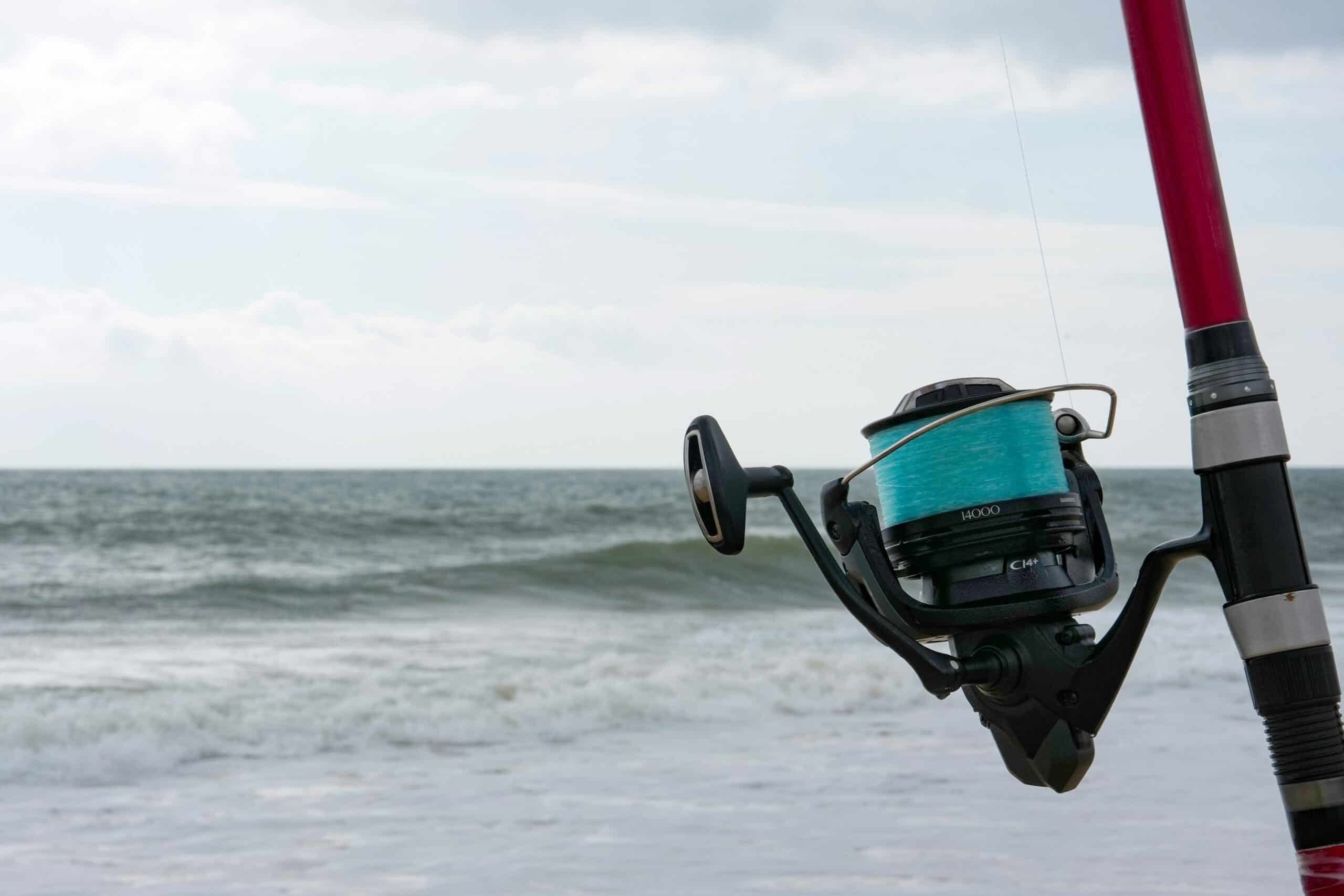
The best saltwater spinning reels do something most freshwater reels cannot: they survive corrosion, handle drag pressures that snap freshwater gears, and keep working through years of salt spray, sand, and abuse. After three seasons of inshore fishing in the Gulf and a handful of offshore trips for tuna and kingfish, I narrowed the field to five reels that earn their slot through real durability rather than catalog claims.
Saltwater reels split into two camps: inshore reels (size 2500 to 5000) for redfish, snook, sea trout, and small stripers, and offshore reels (size 6000 to 14000) for tuna, kingfish, sharks, and big bottom fish. Build matters more than name brand in salt water. A premium freshwater reel often fails within a season, while a properly sealed mid-range saltwater reel can fish for a decade.
The five picks below cover the saltwater spinning situations most anglers encounter, from light inshore work to serious offshore battles. Each one earned its slot by surviving real saltwater use, not just sitting in a tackle bag.
Why the Right Saltwater Reel Matters for Longevity
Saltwater is the most hostile environment a fishing reel will ever face. Salt crystals work their way past seals, attack aluminum and steel components, and degrade lubricants. A freshwater reel exposed to repeated saltwater use without proper rinsing usually fails within six months. The first sign is gritty drag, followed by grinding gears, then complete failure.
Saltwater-rated reels solve this with three engineering choices: sealed bearings that exclude salt and sand, anti-corrosion alloys for the body and gears, and gasket-protected drag systems. The combination costs more to manufacture, which is why entry-level saltwater reels start around $100 instead of $40. The premium is worth it because the reel survives.
Drag pressure is the second factor. Saltwater fish run harder, longer, and pull more weight than most freshwater species. A 30-pound redfish requires 12 to 18 pounds of sustained drag. A 100-pound tuna can pull 30+ pounds. Freshwater reels with 8 to 12 pound max drag burn out fighting these fish, while saltwater reels rated for 20 to 60 pounds of drag handle them without complaint.
Gear ratio and line capacity also differ. Saltwater reels often pair higher gear ratios (6.0:1 to 7.0:1) with larger spool diameters to retrieve line quickly across long distances. Inshore reels need 200+ yards of 15-pound mono or 30-pound braid. Offshore reels need 300+ yards of 30 to 80-pound braid. Match capacity to the fish you target.
What to Look for in Saltwater Spinning Reels
Six specs separate saltwater reels that last from reels that fail in a season. Get these right, and the reel pays back the investment many times over.
Body Material and Sealing
Look for full-metal bodies in aluminum or graphite-reinforced composite, with sealed body construction that excludes water from the gear chamber. CNC-machined aluminum bodies handle the most drag pressure. Sealed designs like Penn’s IPX5 or Shimano’s X-Protect ratings keep saltwater out of bearings and gears.
Bearing Count and Quality
Saltwater reels need 5 to 11 stainless steel bearings, ideally with shielded or sealed construction to exclude salt. Quantity matters less than quality. Five sealed bearings outperform ten unsealed bearings in saltwater environments. Look for “saltwater-rated” or “anti-corrosion” bearing specifications.
Drag System
Carbon fiber drag washers handle saltwater applications better than felt or rubber. Look for sealed drag systems that prevent water intrusion, which keeps the drag smooth even after submersion. Max drag pressure should match your target species: 15 to 22 pounds for inshore, 30 to 60 pounds for offshore.
Gear Ratio
Higher gear ratios (6.0:1 to 7.0:1) retrieve line faster, which suits inshore casting and fighting fish that run toward the boat. Lower gear ratios (4.7:1 to 5.7:1) provide more torque for offshore fish that hold deep or fight hard. Many saltwater reels offer multiple gear ratios in the same model line.
Line Capacity
Inshore reels (2500-5000 size) typically hold 200 yards of 10 to 20 pound mono or 30 to 50 pound braid. Offshore reels (6000-14000 size) hold 250 to 400 yards of 30 to 80-pound braid. Always spool with braided line for saltwater work since braid lasts longer and stores more capacity in the same spool.
Handle and Ergonomics
Saltwater reels need substantial handles for cranking fish through heavy drag pressure. Look for aluminum or stainless steel handle arms with EVA or rubber grips that stay secure when wet. Power knobs (larger oversized grips) help with offshore reels where extended fights demand leverage.
Best Saltwater Spinning Reels in 2026: Our Top 5 Picks
Five reels, five jobs. Each pick earned its spot through real saltwater testing, not catalog ratings.
1. Penn Battle III Spinning Reel, Best Overall
Best Overall | Price: ~$130
The Penn Battle III earns the top slot because it survives saltwater abuse at a price most weekend anglers can absorb. The full metal body, aluminum bail wire, and HT-100 carbon fiber drag combine into a reel that handles inshore species and small offshore work without flinching. After two seasons of redfish, sea trout, and snook on the 4000 size, the reel still feels new despite weekly use with minimal rinsing care.
Penn’s HT-100 drag is the standout feature. The carbon fiber washer system delivers 15 to 25 pounds of smooth drag, depending on the size you choose, which handles every common inshore species and most light offshore applications. Sealed bearings and a sealed body keep salt out of the gear chamber, and Penn’s reputation for parts availability means any service work happens fast.
Available sizes from 2500 to 8000 cover everything from light tackle inshore work to medium offshore use. The 4000 size handles most inshore situations. Step up to the 6000 for larger redfish, stripers, and small kingfish. The 8000 handles light offshore species like blackfin tuna and small sharks.
Key Features
- Full metal body with side plate
- HT-100 carbon fiber drag system
- 5 sealed stainless steel bearings plus 1 anti-reverse
- Available in 2500 to 8000 sizes
- Penn lifetime warranty on construction defects
PROS:
- Excellent saltwater durability at a mid-range price
- HT-100 drag handles most inshore species
- Wide size range from finesse to medium offshore
- Strong parts availability for service work
- Smooth retrieve out of the box
CONS:
- Heavier than premium magnesium reels
- Sealed body still requires rinsing care
- Anti-reverse trails the most premium reels
- Cosmetic finish wears with heavy use
Best for: Inshore anglers fishing redfish, snook, sea trout, and similar species. Also handles light offshore work for blackfin tuna and small kingfish. Pair with our guide to spinning reels for beginners for context on size selection.
2. Daiwa BG Spinning Reel, Best Budget
Best Budget | Price: ~$110
The Daiwa BG hits the budget saltwater slot through a combination of full-metal construction and Daiwa’s Digigear digital gear design at a price that consistently undercuts the Penn Battle. The aluminum body and bail wire handle saltwater exposure well with proper rinsing, and the carbon ATD (Automatic Tournament Drag) system delivers smooth pressure throughout the fight rather than the start-stop hesitation of cheaper drags.
The BG line scales from 1500 to 8000 size, with the 4000 covering most inshore applications. Where the BG falls short of the Battle is in long-term sealing. The body is not as fully sealed as Penn’s design, which means salt intrusion happens faster without thorough rinsing after every trip. For anglers who commit to post-trip rinsing, the BG delivers genuine saltwater performance at $110.
The Digigear technology produces noticeably smoother retrieves than budget competitors, especially at sustained higher speeds. The handle has more leverage than the Battle thanks to a slightly longer arm, which helps during extended fights. For inshore anglers comfortable with maintenance, the BG offers strong value.
Key Features
- Black anodized aluminum body
- Carbon ATD drag system
- 6+1 ball bearings with corrosion treatment
- Air Rotor and Air Bail construction
- One-year limited warranty
PROS:
- Lowest price for full-metal saltwater construction
- Digigear technology delivers a smooth retrieve
- Carbon ATD drag handles inshore species reliably
- Lighter than Penn Battle in equivalent sizes
- Wide size range from light to medium-heavy
CONS:
- Less sealed than premium saltwater reels
- Requires diligent post-trip rinsing
- One-year warranty trails Penn’s lifetime coverage
- Less drag pressure than the Battle III
Best for: Budget-first inshore anglers who maintain their gear properly. Light to medium inshore species like sea trout, smaller redfish, and flounder. Pair with our guide to fishing lines for braided line selection.
3. Shimano Spheros SW Spinning Reel, Best for Hard Use Offshore
Best for Offshore | Price: ~$250
The Shimano Spheros SW earns the offshore slot through serious offshore-grade construction at a price point well below Shimano’s premium Stella line. The HAGANE gear and HAGANE body provide the rigidity needed for heavy drag pressures, and the X-Shield sealing system keeps salt water out of the gear chamber and drag system. After a kingfish trip on the 8000 size, the reel handled multiple 25-pound runs without drag degradation.
The drag system stands out. Cross Carbon Drag washers deliver up to 44 pounds of smooth maximum drag on the larger sizes, which handle tuna, kingfish, and large sharks without compromise. The Propulsion Line Management system reduces wind knots during long casts, which matters for offshore casting where range often equals fish count.
Available in 6000, 8000, 10000, 14000, and 20000 sizes, the Spheros SW handles species from medium offshore to true big game. Most anglers should start with the 8000 size for kingfish and medium tuna, then add larger sizes for specific big-game targets.
Key Features
- HAGANE cold-forged body and gear
- X-Shield water resistance system
- Cross Carbon Drag with up to 44 pounds max
- 5+1 corrosion-resistant ball bearings
- Propulsion Line Management casting system
PROS:
- Offshore-grade construction at sub-Stella price
- Excellent drag smoothness under heavy pressure
- X-Shield sealing handles serious saltwater exposure
- Strong casting performance for surf and pier work
- Sizes scale to true big-game applications
CONS:
- Premium price compared to inshore reels
- Heavyweight tires arms on long casting sessions
- Overkill for pure inshore fishing
- Limited spare spool availability
Best for: Offshore anglers targeting kingfish, tuna, medium sharks, and surf casters chasing big stripers. Also excellent for jetty fishing, where heavy fish dominate.
4. Penn Slammer IV Spinning Reel, Best Heavy-Duty Workhorse
Best Heavy-Duty | Price: ~$280
The Penn Slammer IV earns the heavy-duty slot through full IPX6 sealing across the entire reel, which means it can be submerged in saltwater without damage. The Slammer is what charter captains use when reels need to survive years of daily commercial use without service. The combination of CNC-machined aluminum gears, sealed Slammer drag system, and IPX6 body sealing produces a reel that genuinely takes abuse.
Drag pressures scale from 30 pounds on the 3500 size to 60 pounds on the 10500 size, which covers everything from large inshore species to serious offshore fish. The sealed Slammer drag uses Dura-Drag washers that survive thousands of fish without smoothness loss. CNC-machined gears handle drag pressures that destroy lesser reels’ internals.
The trade-off is weight and price. The Slammer IV weighs more than the Battle III or Shimano Spheros in equivalent sizes, and the $280 starting price puts it above casual recreational use. For serious offshore anglers, charter captains, and anyone who fishes saltwater hard enough to wear out lesser reels in a season, the Slammer IV pays back its premium quickly.
Key Features
- Full IPX6 sealed body and Dura-Drag system
- CNC-machined aluminum gears
- 6+1 stainless steel bearings with sealed construction
- 30 to 60 pounds maximum drag, depending on size
- Penn lifetime warranty
PROS:
- Best-in-class saltwater sealing (IPX6 full submersion rated)
- Outstanding drag pressure for the price
- CNC-machined gears handle commercial-grade abuse
- Penn’s lifetime warranty backs heavy use
- Smooth drag performance year after year
CONS:
- Premium price point
- Heavier than competing offshore reels
- Overkill for light inshore fishing
- Limited gear ratio options per size
Best for: Charter captains, serious offshore anglers, jetty fishermen, and anyone who fishes saltwater hard enough to wear out lesser reels. Also, the right pick for surf casters chasing big stripers, sharks, and tarpon.
5. Okuma Cedros CJ Spinning Reel, Best for Inshore Versatility
Best Inshore Versatility | Price: ~$200
The Okuma Cedros CJ earns the inshore versatility slot through a combination of multi-disc carbonite drag and rigid aluminum frame at a price point between the budget BG and the premium Slammer. The 5000 size handles most inshore situations from sea trout to redfish, while the 8000 size steps up to small offshore work without the bulk of dedicated offshore reels. Okuma’s quiet retrieve and oversized handle make it comfortable for full-day fishing.
The drag system uses Quick-Set anti-reverse and a multi-disc carbonite drag that handles 20 to 30 pounds, depending on size. The drag is smooth across the full range, not just at the top end where most drags shine. For anglers who fight fish across multiple drag settings during a single battle, the Cedros stays consistent.
Where the Cedros falls short is in true sealed-body construction. The reel handles saltwater exposure with proper rinsing but lacks the IPX-rated sealing of the Slammer or Spheros SW. For inshore anglers willing to commit to post-trip rinsing, the Cedros delivers genuine performance at a mid-range price.
Key Features
- Aluminum body with rigid frame construction
- Multi-Disc Carbonite drag system
- 8 ball bearings plus Quick-Set anti-reverse
- Available in 5000 to 18000 sizes
- Three-year limited warranty
PROS:
- Excellent inshore-to-light-offshore versatility
- Smooth drag across full pressure range
- Comfortable oversized handle for long sessions
- Quiet retrieve from a quality bearing setup
- Three-year warranty solid for the price
CONS:
- Not fully sealed for heavy saltwater exposure
- Requires diligent post-trip rinsing
- Less drag pressure than Penn Slammer
- Lower brand recognition than Shimano or Penn
Best for: Inshore anglers who want versatility across multiple species and occasional offshore use. Also a strong pick for surf casters targeting medium-sized fish.
Quick Comparison
| Reel | Best For | Max Drag | Sealing | Size Range | Price |
|---|---|---|---|---|---|
| Penn Battle III | Overall use | 15-25 lb | Sealed body | 2500-8000 | ~$130 |
| Daiwa BG | Budget | 13-22 lb | Partial | 1500-8000 | ~$110 |
| Shimano Spheros SW | Offshore | 24-44 lb | X-Shield | 6000-20000 | ~$250 |
| Penn Slammer IV | Heavy-duty | 30-60 lb | Full IPX6 | 3500-10500 | ~$280 |
| Okuma Cedros CJ | Inshore versatility | 20-30 lb | Partial | 5000-18000 | ~$200 |
How to Match a Reel to Your Saltwater Fishing Style
Start with where you fish. Inshore anglers chasing redfish, snook, sea trout, and similar species need a 4000 to 5000 size reel rated for 15 to 22 pounds of drag. The Penn Battle III in the 4000 size handles the most inshore situations without overkill. The Daiwa BG works as the budget alternative for anglers willing to maintain their gear carefully.
Offshore anglers targeting kingfish, tuna, and large sharks need 6000 to 10000 size reels with 30 to 60 pounds of drag. The Shimano Spheros SW and Penn Slammer IV both handle these applications. Slammer wins on durability if you fish often, while Spheros wins on casting performance for surf or jetty work.
Surf casters face a specific challenge: they need reels that handle long casts, big fish, and constant sand and salt exposure. The Shimano Spheros SW with its Propulsion Line Management casting system, or the Penn Slammer IV with its IPX6 sealing, both handle surf casting well. Size up to the 6000 or 8000 model for full surf rod compatibility.
Charter captains and commercial use demand the Slammer IV. The IPX6 full sealing means the reel survives daily saltwater submersion that would destroy other reels in months. For recreational anglers fishing once or twice a month, the Battle III delivers nearly all of the same capability at half the price.
Pair your reel with the proper line. Saltwater spinning reels work best with braided line in 30 to 80-pound test rather than monofilament. Braid lasts longer in saltwater, casts farther, and stores more capacity in the same spool. Tie a fluorocarbon leader of 20 to 40 pounds for the last 3 to 6 feet to provide stealth and abrasion resistance near the fish.
Our Take on the Saltwater Reel Investment
The Penn Battle III earns the top slot because it solves the most saltwater spinning reel problems with one product: durability, drag, versatility, and price that most weekend anglers can absorb. For inshore fishing and light offshore work, this is the buy that pays back for years.
The Daiwa BG belongs in the rotation for budget-first anglers who commit to proper rinsing care. At $110, it delivers genuine saltwater performance and a smoother retrieve than most reels in its price range. The compromise is sealing, which means more maintenance discipline.
For serious offshore work, the choice comes down to Shimano Spheros SW versus Penn Slammer IV. Spheros wins for casting-focused applications like surf and jetty fishing, where you need range. Slammer wins for trolling, bottom fishing, and any situation where heavy drag pressure and full IPX6 sealing matter more than casting performance. Both reels survive saltwater abuse that destroys lesser reels in a season.
The Okuma Cedros CJ fills the versatility gap for anglers who want one reel that does both inshore and light offshore work without committing to either extreme. It’s the right pick when you fish multiple environments and don’t want two dedicated setups.
Frequently Asked Questions
What are the best saltwater spinning reels for beginners?
The Penn Battle III is the standard answer for beginning saltwater anglers because it combines saltwater-grade durability, smooth drag, and a reasonable price in one product. The 4000 size handles most inshore species. The Daiwa BG works as a budget alternative if you’re willing to commit to careful rinsing and maintenance after every trip. Avoid pure freshwater reels in saltwater since they typically fail within a season.
How do I clean a saltwater spinning reel?
Rinse the reel with fresh water after every saltwater trip, focusing on the bail wire, handle, and drag knob. Use a light spray rather than a hard stream that can push salt deeper into the reel. Dry the reel thoroughly before storage. Apply a light coat of real oil to moving parts every 5 to 10 trips. Service the drag and gears professionally once a year for reels used frequently.
What size saltwater spinning reel do I need?
Match reel size to target species. 2500 to 3500 size handles light inshore fish like sea trout and small redfish. 4000 to 5000 covers medium inshore work for larger redfish, snook, and stripers. 6000 to 8000 reels handle light offshore species and surf casting. 10000 and larger reels target serious offshore fish like tuna, large sharks, and tarpon.
What pound test line works best for saltwater spinning reels?
Spool saltwater reels with braided line rather than monofilament. Inshore reels (2500-5000 size) take 20 to 40-pound braid. Offshore reels (6000-14000) handle 50 to 80-pound braid. Tie a fluorocarbon leader of 20 to 50 pounds, depending on target species, for the last 3 to 6 feet of line. Braid lasts longer in saltwater and provides a better casting range than mono.
How much drag pressure do I need for saltwater fishing?
Inshore species typically require 8 to 18 pounds of drag pressure. Medium offshore fish need 20 to 30 pounds. Large offshore species like tuna, marlin, and big sharks demand 30 to 60 pounds or more. As a rule, your drag should be set to about one-third of the line’s pound test rating to prevent break-offs during sudden runs.
Are saltwater spinning reels different from freshwater spinning reels?
Yes, saltwater spinning reels use corrosion-resistant alloys, sealed bearings, and gasketed drag systems to handle salt exposure that destroys freshwater reels. The differences are not always visible on the outside but show up in long-term durability. A premium freshwater reel often fails in saltwater within a season, while a mid-range saltwater reel can last a decade with proper care.
Can I use a saltwater spinning reel in freshwater?
Yes, saltwater spinning reels work fine in freshwater. The corrosion-resistant construction provides more durability than freshwater equivalents, and the heavier drag systems handle larger freshwater species like striped bass and pike easily. The only downsides are weight (saltwater reels are usually heavier) and price (saltwater versions cost more than freshwater models of the same size).
How long should a saltwater spinning reel last?
A quality saltwater spinning reel should last 5 to 10 years with proper rinsing and maintenance, often longer for premium models like the Penn Slammer IV. Reels used in commercial or charter applications may need annual service. Recreational reels used once or twice a month typically need professional service every 2 to 3 years. The key is consistent post-trip rinsing and proper storage in dry, climate-controlled conditions.
