
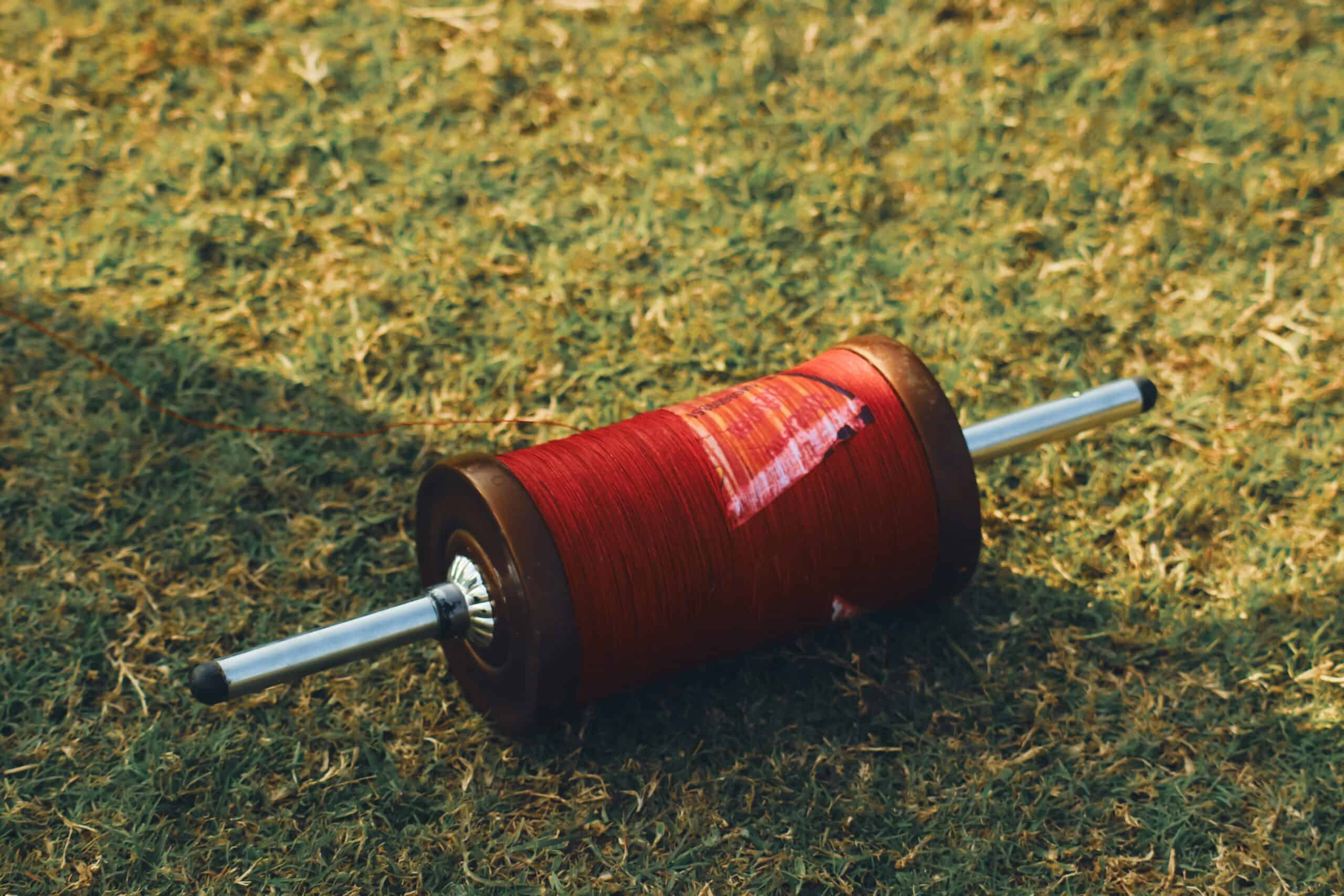
The best fishing line spoolers solve a problem every angler faces when respooling a reel: getting fresh line onto the reel evenly and without the twist that causes tangles, casting problems, and frustrating loops. A fishing line spooler holds the line spool and feeds line onto the reel with proper tension and alignment, transforming a two-person, often messy job into a quick, clean, one-person task. The right spooler makes respooling reels fast, tidy, and twist-free.
Line spoolers fall into three main categories. Clamp-on portable spoolers attach to a table edge or the rod itself, providing a compact, travel-friendly setup. Standalone bench spoolers sit on a flat surface and handle spooling as a dedicated station. Handheld and simple-tension spoolers offer a minimal approach for occasional use. Match the spooler to how often you respool and where you do it, rather than buying based on price alone.
Below are five fishing line spooler picks covering different designs and price points. Each pick balances spooling performance, ease of use, and value rather than relying on marketing claims.
Why a Line Spooler Matters
Respooling a reel without a spooler is genuinely difficult to do well. The line spool must be held with the right tension and orientation while the line feeds onto the reel, and getting this wrong introduces line twist. Twisted line causes tangles, loops that spring off the reel, casting problems, and weakened line, all of which undermine fishing performance.
The most common respooling mistake without a spooler is line memory and twist from improper spool orientation. The line comes off a filler spool in a specific way, and feeding it onto the reel incorrectly imparts twist with every wrap. A spooler holds the filler spool in the correct orientation and applies consistent tension, so the line transfers onto the reel evenly and without accumulating twist.
A spooler also makes respooling a quick, one-person job. Without one, anglers often need a second person to hold the line spool or resort to awkward improvised setups like a pencil through the spool. A proper spooler turns respooling into a fast solo task, which matters since reels need fresh line periodically, and a spooler removes the friction from that maintenance. Pair a spooler with our fishing lines guide for choosing the right line to spool.
What to Look for in a Fishing Line Spooler
Five factors separate genuine quality line spoolers from frustrating ones. Get these right and respooling becomes fast, clean, and twist-free.
Tension Control
Proper, consistent tension is what spools the line evenly and tightly onto the reel. Look for a spooler with adjustable tension so you can set the right resistance for different line types and weights. Consistent tension prevents the loose, uneven spooling that causes problems later.
Spool Compatibility
The spooler must hold the filler spools that your line comes on. Spools vary in size and diameter, so a spooler that accommodates a range of spool sizes is more versatile. Check that the spooler handles the line spool sizes you typically buy.
Twist Prevention
The core function is transferring the line without imparting twist. Quality spoolers hold the filler spool in the correct orientation so the line comes off the way it should and transfers onto the reel cleanly. A spooler that prevents twist is the whole point, since twist is the main respooling problem.
Mounting and Stability
Consider how the spooler stays in place. Clamp-on spoolers attach to a table edge or the rod, standalone spoolers sit on a surface, and each must stay stable during use. A spooler that shifts or tips while you wind makes the job harder. Look for a stable, secure mounting suited to where you respool.
Portability and Build
Consider whether you respool at home, at the tackle shop, or on fishing trips. Compact, portable spoolers travel well, while larger bench spoolers suit a dedicated home setup. Sturdy construction ensures the spooler holds up to repeated use without bending or breaking.
Best Fishing Line Spoolers in 2026: Our Top 5 Picks
Five fishing line spoolers covering different designs and price points. Each pick earned its slot through real spooling performance and value.
1. Berkley Portable Line Spooling Station, Best Overall
Best Overall | Price: ~$25 per spooler
Berkley Portable Line Spooling Station earns the top slot because it combines reliable tension control, broad spool compatibility, and a portable design from a trusted fishing brand. The station holds the filler spool with proper tension and orientation, feeding line onto the reel evenly and without twist. As a portable unit, it works at home, at the tackle shop, or on a trip, handling respooling cleanly wherever you are.
The tension control is the key feature. The station applies consistent, adjustable tension as the line transfers, which is what spools the reel tightly and evenly. A properly tensioned line lies smoothly on the reel, casts cleanly, and resists the loose loops and tangles that loosely spooled line causes. Setting the right tension for the line you use is straightforward.
The station accommodates a range of filler spool sizes, handling the various spools that monofilament, fluorocarbon, and braided lines come on. Berkley’s reputation in fishing line and tackle backs the quality. The portable design makes it easy to store and travel with. At around $25, the Berkley station delivers reliable, versatile spooling affordably. Cross-reference with our spinning reels guide for the reels you will be respooling.
Key Features
- Adjustable, consistent tension control
- Accommodates a range of spool sizes
- Portable design
- Even twist-free line transfer
- Trusted Berkley fishing brand
PROS:
- Reliable adjustable tension
- Handles various filler spool sizes
- Portable for home, shop, or trips
- Transfers line evenly without twist
- Affordable for the quality
CONS:
- Requires a surface or edge to use
- Plastic construction rather than metal
- Tension setting takes a moment to dial in
- Not a heavy-duty bench station
Best for: Most anglers, respooling at home or on the go, those wanting reliable, versatile spooling, and trusted brand quality.
2. Piscifun Fishing Line Spooler Bench Station, Best Bench Station
Best Bench Station | Price: ~$35 per spooler
Piscifun Fishing Line Spooler Bench Station serves anglers who respool frequently and want a dedicated, stable spooling station. Rather than a compact portable unit, the bench station sits as a stable setup on a flat surface, providing a more substantial, secure platform for respooling. For anglers with many reels or who respool often, a dedicated station makes the task efficient.
The bench station design provides genuine stability advantages. A stable, surface-sitting station does not shift or tip while you wind the line, making the spooling process smooth and controlled. The more substantial build holds the filler spool securely and applies steady tension, producing consistently well-spooled reels. For a dedicated home or garage fishing setup, the bench station is a fitting tool.
The station includes adjustable tension control and accommodates a range of spool sizes, handling different line types. Piscifun is a well-regarded value-focused fishing brand. The trade-off is that the bench station is less portable than compact spoolers, suiting a fixed setup rather than travel. For anglers who respool frequently at a home station, the Piscifun delivers stable, efficient performance. Cross-reference with our bass fishing lines guide for line selection.
Key Features
- Stable bench station design
- Substantial secure platform
- Adjustable tension control
- Accommodates a range of spool sizes
- Suited to frequent respooling
PROS:
- A stable platform does not shift or tip
- Substantial build for frequent use
- Smooth controlled spooling
- Adjustable tension for different lines
- Good for a dedicated home setup
CONS:
- Less portable than compact spoolers
- Takes up dedicated space
- Higher price than basic spoolers
- More than occasional respoolers need
Best for: Anglers who respool frequently, those with many reels, dedicated home fishing setups, and stable bench spooling.
3. KastKing Fishing Line Spooler, Best Budget
Best Budget | Price: ~$13 per spooler
KastKing Fishing Line Spooler delivers a genuine functional line spooler at the lowest credible price point. For budget-conscious anglers or those who respool occasionally and do not need a premium station, the KastKing spooler provides the core spooling function affordably. KastKing is a well-known budget-focused fishing brand, and the spooler handles basic respooling needs.
The spooler provides the fundamental function of holding the filler spool and applying tension for an even line transfer. The compact, simple design clamps or sits in place for use, and it handles common filler spool sizes. For an angler who respools a few reels a season, the basic spooler does the job without significant investment.
The trade-offs match the budget tier honestly. The construction is functional rather than premium, the tension control may be less refined than pricier spoolers, and the spooler is built for occasional rather than heavy, frequent use. For budget-conscious anglers and occasional respooling, KastKing delivers genuine value. For frequent respooling or the smoothest tension control, the premium spoolers are worth the step up.
Key Features
- Compact simple design
- Holds filler spool with tension
- Handles common spool sizes
- Even line transfer
- Lowest price for a functional spooler
PROS:
- Lowest cost for a functional spooler
- Compact and simple to use
- Handles common filler spools
- Good for occasional respooling
- Trusted budget fishing brand
CONS:
- Construction functional rather than premium
- Less refined tension control
- Built for occasional rather than heavy use
- Fewer features than premium spoolers
Best for: Budget-conscious anglers, occasional respooling, those new to respooling, and basic spooling needs.
4. Reel Spooling Station Clamp-On Spooler, Best Clamp-On Design
Best Clamp-On Design | Price: ~$20 per spooler
The clamp-on line spooler design serves anglers who want a secure setup that attaches firmly to a table edge or workbench. Rather than relying on a surface for stability, the clamp-on spooler grips the edge of a table or bench, anchoring it firmly so it cannot shift or tip during use. For a secure, stable respooling setup that does not require a dedicated station, the clamp-on approach works well.
The clamp attachment provides genuine stability. By gripping a table edge, the spooler is firmly anchored, letting an angler wind line with both hands free and without the spooler moving. This security makes spooling smooth and controlled. The clamp-on design also packs away compactly when not in use, since it does not need a permanent station.
The spooler includes tension control and accommodates filler spools, holding them properly for twist-free transfer. The trade-off is that the clamp-on design requires a suitable table or bench edge to attach to, which is usually available at home but may not be everywhere. For anglers who want a secure, stable, yet compact spooling setup, the clamp-on spooler delivers. Cross-reference with our fishing tackle boxes guide for organizing fishing maintenance gear.
Key Features
- Clamp-on table edge attachment
- Firmly anchored, will not shift
- Tension control
- Accommodates filler spools
- Packs away compactly
PROS:
- Firmly anchored to a table edge
- Stable, both hands free to wind
- Smooth controlled spooling
- Compact storage when not in use
- Secure without a dedicated station
CONS:
- Requires a suitable table or bench edge
- The clamp may not fit very thick surfaces
- Less portable than handheld spoolers
- Setup takes a moment to clamp
Best for: Anglers wanting a secure setup, those with a suitable table or workbench, and stable yet compact spooling.
5. Plano Hydro-Flo Line Spooler, Best Simple Handheld
Best Simple Handheld | Price: ~$10 per spooler
The simple handheld line spooler serves anglers who want a minimal, no-setup tool for occasional respooling. Rather than a station that mounts or sits on a surface, the handheld spooler is a compact tool that holds the filler spool and applies tension while you wind, with no clamping or station setup required. For quick, occasional respooling, the minimal approach is genuinely convenient.
The handheld design provides simplicity and portability. There is nothing to mount or set up, since the spooler is simply held while it feeds line onto the reel. This makes it the most portable and travel-friendly option, easy to toss in a tackle bag for respooling wherever needed. For an angler who wants a basic tool without a station, the handheld spooler delivers.
The spooler holds the filler spool and applies tension for an even transfer, handling the core spooling function. The trade-offs reflect the minimal design. A handheld spooler offers less stability than a mounted or clamped station, and the tension control is simpler. For occasional respooling and maximum portability, the handheld spooler is genuinely handy. For frequent respooling or the smoothest control, a station-style spooler works better. Cross-reference with our fishing lines guide for line selection.
Key Features
- Simple handheld design
- No mounting or setup needed
- Holds filler spool with tension
- Highly portable
- Minimal occasional-use tool
PROS:
- No setup, simple to use
- Most portable spooler option
- Easy to pack in a tackle bag
- Handles core spooling function
- Inexpensive minimal tool
CONS:
- Less stable than mounted stations
- Simpler tension control
- Better for occasional than frequent use
- Requires holding throughout spooling
Best for: Occasional respooling, anglers wanting maximum portability, minimal no-setup tools, and tackle bag convenience.
Quick Comparison
| Spooler | Best For | Type | Mounting | Price |
|---|---|---|---|---|
| Berkley Portable Station | Overall use | Portable station | Surface | ~$25 |
| Piscifun Bench Station | Frequent respooling | Bench station | Surface | ~$35 |
| KastKing Spooler | Budget | Compact spooler | Surface or clamp | ~$13 |
| Clamp-On Spooler | Secure setup | Clamp-on | Table edge | ~$20 |
| Plano Handheld Spooler | Portability | Handheld | No | ~$10 |
How to Spool a Reel Without Twist
Set up the spooler with proper tension first. Place the filler spool on the spooler and set the tension so the line feeds with firm, consistent resistance. The right tension is what spools the reel tightly and evenly. Too little tension produces loose, problem-prone spooling, while excessive tension can stress light line.
Orient the filler spool correctly to prevent twist. The most important step for twist-free spooling is the filler spool orientation. The line should come off the filler spool in a way that matches how it goes onto the reel. A good spooler holds the spool in the correct orientation, but check that the line is transferring without twisting by watching for loops as you wind.
Wind the line onto the reel steadily. Turn the reel handle at a steady, moderate pace, letting the spooler’s tension do its job. Watch the line lay onto the reel evenly across the spool. Steady winding combined with proper tension produces a smoothly filled reel that casts well.
Do not overfill the reel. Fill the reel spool to the manufacturer’s recommended level, usually a small gap below the spool rim. An overfilled reel causes the line to spring off in loops and tangle, while an underfilled reel reduces casting distance. Filling to the proper level produces the best casting performance. Cross-reference with our spinning reels guide for understanding reel spool capacity.
Our Take on Line Spooler Investment
Berkley Portable Line Spooling Station earns the top spot because it combines reliable adjustable tension, broad spool compatibility, and a portable design from a trusted fishing brand. For most anglers, this is the buy that makes respooling fast, clean, and twist-free, working at home or on the go. It handles the respooling task that every angler faces periodically.
Specialized situations call for different picks. Piscifun Bench Station provides a stable, dedicated setup for frequent respooling. KastKing delivers budget-friendly function for occasional respooling. The clamp-on spooler offers a secure table-edge attachment. The Plano handheld spooler provides maximum portability for minimal occasional use.
Whatever you choose, a line spooler genuinely improves respooling, turning a twist-prone, often two-person job into a quick, clean solo task. Set proper tension, orient the filler spool correctly to prevent twist, wind steadily, and fill the reel to the recommended level. With a good spooler and proper technique, your reels get fresh line that lies evenly, casts cleanly, and resists the tangles that poorly spooled line causes.
Frequently Asked Questions
What are the best fishing line spoolers?
The best fishing line spoolers are the Berkley Portable Line Spooling Station for overall use, the Piscifun Bench Station for frequent respooling, the KastKing Spooler for budget, the clamp-on spooler for a secure setup, and the Plano handheld spooler for portability. Match the spooler to how often you respool and where you do it.
Do I really need a line spooler?
A line spooler is not strictly required, but it makes respooling far easier and helps prevent line twist. Without a spooler, respooling is awkward, often needs a second person, and easily introduces twists that cause tangles and casting problems. A spooler turns respooling into a quick, clean, twist-free solo task, making it a worthwhile tool for any angler who maintains their own reels.
How does a line spooler prevent twist?
A line spooler holds the filler spool in the correct orientation so the line comes off the spool the way it should and transfers onto the reel without twisting. It also applies consistent tension for an even transfer. Improper spool orientation is the main cause of line twist during respooling, and a spooler holding the spool correctly addresses that directly.
What tension should I use when spooling line?
Set the tension so the line feeds with firm, consistent resistance, which spools the reel tightly and evenly. The right tension produces a line that lies smoothly on the reel. Too little tension causes loose, problem-prone spooling, while excessive tension can stress the light line. Most adjustable spoolers let you dial in the appropriate tension for the line weight you are using.
How full should I fill my fishing reel?
Fill the reel spool to the manufacturer’s recommended level, which is usually a small gap below the spool rim. An overfilled reel causes line to spring off in loops and tangle, while an underfilled reel reduces casting distance and performance. Filling to the proper recommended level produces the best casting performance and line management.
Can a line spooler handle all types of fishing line?
Quality line spoolers handle monofilament, fluorocarbon, and braided lines, the common fishing line types. The spooler holds the filler spool and applies tension regardless of line type. Some lines, like braid, have specific spooling considerations, but a good spooler accommodates the various filler spool sizes these lines come on and transfers them onto the reel properly.
How often should I respool my reel?
Respooling frequency depends on how much you fish and the line type. Frequent anglers may respool monofilament a couple of times a season, since it degrades with use and sun exposure, while braided line lasts longer. Signs that the line needs replacing include visible wear, fraying, loss of strength, excessive memory, or reduced casting performance. A line spooler makes this periodic maintenance quick.
What is the difference between a bench and a handheld line spooler?
A bench or station spooler sits on a surface, providing a stable, dedicated platform suited to frequent respooling. A handheld spooler is a minimal tool held during use, requiring no setup and offering maximum portability. Bench spoolers provide more stability and smoother control, while handheld spoolers prioritize portability and simplicity. Choose based on how often and where you respool.
