
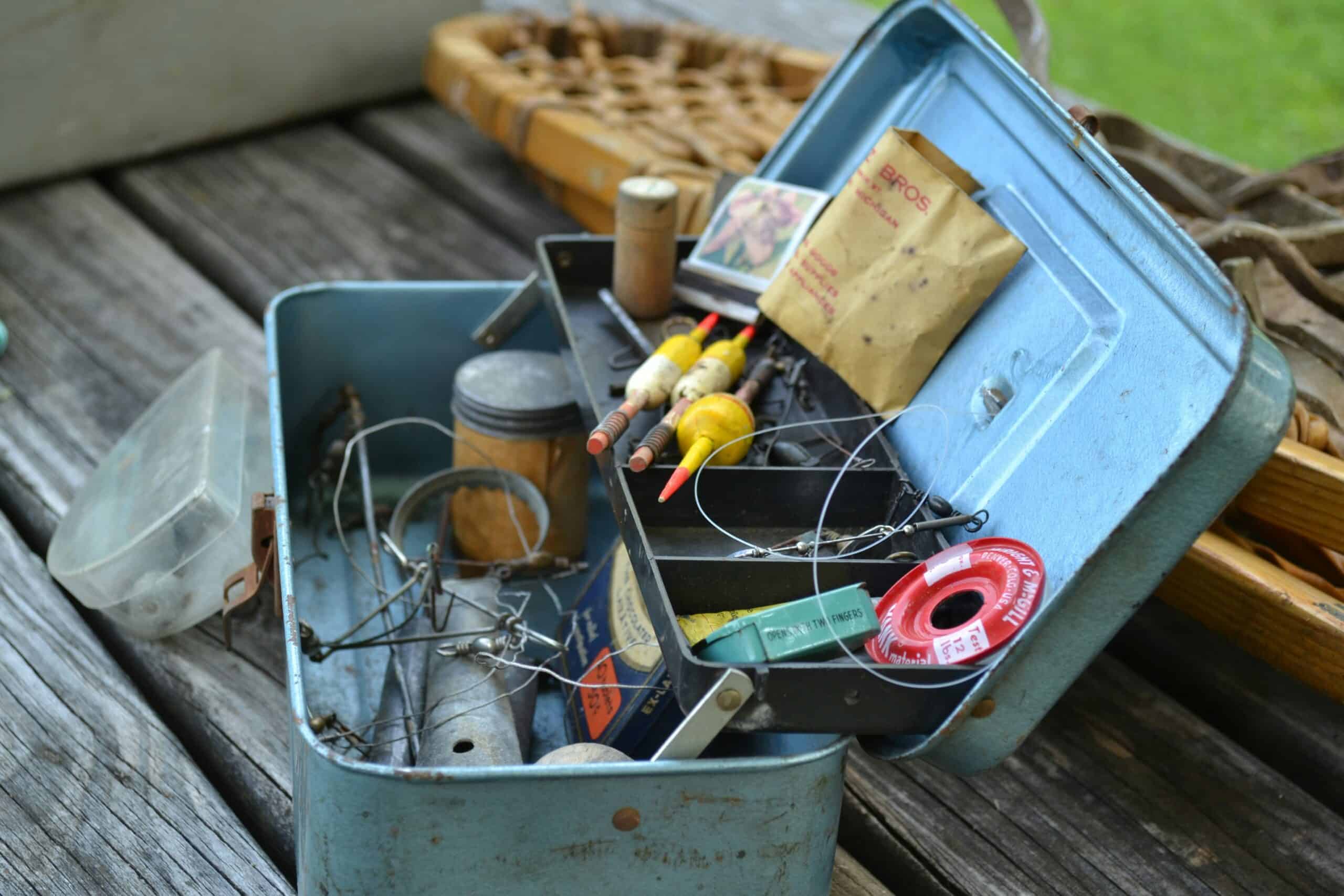
The best fishing tackle boxes for beginners solve a problem new anglers don’t realize they have until their second or third trip. Loose lures, hooks, weights, and line accessories scatter across truck beds and boat decks within minutes of opening any unorganized container. Beyond the immediate frustration, lost or damaged tackle adds up quickly, a single trip’s worth of misplaced gear can cost more than a quality tackle box. Beginners who invest in proper organization from the start save money, time, and the specific irritation of losing the one lure that worked yesterday.
Most new anglers buy their first tackle box reactively rather than strategically. After a chaotic first trip, they grab the cheapest plastic box at the store and call it solved. However, that approach typically produces a second purchase within the year because the budget option doesn’t fit the gear they actually accumulate. Buying the first time intentionally prevents the upgrade cycle entirely.
Quality beginner tackle boxes solve three problems at once. Adequate capacity matches the gear collection a new angler will actually accumulate over the first season. Weather-resistant handles rain, splashes, and humidity without warping or rusting hardware. Adjustable compartments accommodate the variety of lures and accessories beginners discover they need, rather than locking the box into one specific gear type. Get those three traits right, and the tackle box becomes a 5-10 year investment rather than a first-year throwaway.
If you’re building out your beginner fishing setup more broadly, our best fishing rods for beginners and best dry bags for kayaking guides cover related gear that pairs well with tackle organization.
What to Look for in a Beginner Tackle Box
Capacity matches anticipated gear accumulation.
Beginner tackle boxes range from small (50-100 cubic inches) to large (500+ cubic inches). The right size depends on what you actually fish for and how broadly you plan to expand your gear collection.
For pure beginners who plan to focus on one type of fishing (bass fishing or trout fishing, for example), small to medium boxes work fine for the first year. The 100-200 cubic inch range accommodates 30-50 lures plus accessories. New anglers rarely accumulate more gear than that during the learning phase.
For beginners who anticipate broad expansion across multiple fishing types, medium to large boxes prevent the upgrade purchase. The 300-500 cubic inch range accommodates 100-150 lures across multiple species and water types. The investment costs more upfront but eliminates the future replacement.
Avoid going too large initially. Massive tackle boxes encourage hoarding behavior that beginners don’t need. Working within a moderate capacity constraint forces intentional gear selection rather than accumulating unused tackle that just adds weight.
Compartment design affects daily usability.
Tackle box compartments fall into three main categories. Each design suits different gear types and organizational preferences.
Adjustable plastic dividers allow customization of compartment sizes. Move the dividers to fit your specific lures rather than forcing gear into preset spaces. The flexibility matters because beginner gear collections evolve as you discover what actually works for your local waters. However, plastic dividers can shift during transport, sometimes letting tackle migrate between compartments.
Fixed compartments provide stable organization without shifting risks. Tackle stays where you put it, regardless of how the box gets carried. The trade-off is reduced flexibility, you adapt your gear to the compartments rather than vice versa.
Tray-based systems with removable plastic boxes (Plano 3700 series) provide modular organization. Each tray fits specific gear categories. Pull out only the tray you need rather than opening the entire box. Beyond convenience, the tray approach scales, buy more trays as gear collection grows without replacing the main box.
Weather resistance prevents corroded hardware.
Fishing tackle boxes face moisture from multiple sources. Rain during outdoor fishing. Splash from boat operation. Humidity in storage areas. Wet hands constantly opening and closing compartments. Each moisture source eventually reaches the metal hardware (hinges, latches, hooks) that hold the box together.
Quality tackle boxes use stainless steel or marine-grade hardware that resists corrosion. Cheap boxes use basic steel that rusts within months of regular use. The rust eventually freezes hinges and latches, making the box unusable while the plastic body remains intact.
Beyond hardware, look for boxes with rubber or silicone gaskets around major openings. These seals prevent water intrusion during heavy rain or accidental splash. Without seals, even brief water exposure can soak the entire interior, including the tackle inside.
Portability matters for shore fishing and hiking access.
Many beginner anglers fish from shore, walk to remote spots, or pack tackle into kayaks where weight and bulk matter. Heavy tackle boxes designed for boat use become impractical when carried any distance.
For shore and walk-in fishing, tackle bags with shoulder straps and tackle backpacks work better than rigid boxes. The soft-sided design conforms to your body during transport. The strap distributes weight comfortably across longer walks.
For boat-based fishing where the tackle box stays in one place during the trip, rigid boxes work fine. The protection and organization advantages outweigh the weight penalty when you’re not carrying the box continuously.
For kayak fishing, waterproof tackle boxes specifically rated for splash and submersion become essential. Standard tackle boxes fail when kayaks tip or take waves over the deck.
The 5 Best Fishing Tackle Boxes for Beginners in 2026
#1, Plano 3700 Stowaway Tackle Box System
Best Overall Beginner Tackle Box | Price: ~$30 for system
The Plano 3700 Stowaway is the tackle box system that virtually every fishing guide recommends as the foundational organizational starting point. It earns the top spot through modular tray design, durable construction, adjustable compartments within each tray, and the universal compatibility that lets the system grow alongside your gear collection.
Why Plano 3700 Sets the Standard for Beginner Organization
The 3700 series uses standardized tray dimensions (approximately 14 x 9 x 2 inches) that fit virtually every tackle bag and tackle storage system on the market. Beginners who start with a single 3700 tray can later expand into 3700-compatible bags, boxes, and storage systems without losing any of their initial organization.
Each tray includes adjustable plastic dividers that customize compartment sizes. Move dividers to fit specific lure shapes, long crankbaits in one compartment, small jigs in another, weights and hooks separated. The flexibility accommodates whatever gear you accumulate over the first season.
The trays stack securely in storage. Multiple trays fit in tackle bags, boats, vehicles, or shelves without sliding around. The stacking design also lets beginners organize by fishing type, one tray for bass tackle, another for trout, another for terminal tackle. Pull out only the trays you need for today’s fishing rather than carrying everything.
Build quality matches premium standards. The plastic resists impact from drops onto boat decks or rocky shores. Hinges hold up to thousands of openings without breaking. Latches stay secure even when the tray is filled with heavy tackle.
The system pricing makes intentional gear organization affordable. A single 3700 tray costs $5-8. Adding 4-5 trays for a comprehensive organization system costs $25-35 total. Compared to single-purchase tackle boxes at $40-60, the modular approach provides better long-term value.
The trade-off compared to all-in-one tackle boxes is the initial setup and decision-making. Beginners need to think about how they want to organize gear before buying trays. Some new anglers find this overwhelming and prefer pre-organized boxes. However, the upfront thought pays back through years of efficient gear access.
PROS:
- Modular system grows with gear collection
- Standardized 3700 dimensions for universal compatibility
- Adjustable dividers customize compartments
- Trays stack securely for storage and transport
- Premium build quality lasts 5-10 years
- Affordable per-tray pricing
CONS:
- Requires upfront organization planning
- Multiple trays can scatter without a storage system
- Single trays don’t include weather sealing
- Less protection than all-in-one boxes when uncovered
Best for: Most beginner anglers, particularly those who anticipate gear collection growth and want organization that scales without replacement.
#2, Plano 7771 Guide Series Tackle Bag
Best Tackle Bag for Beginners | Price: ~$80
The Plano 7771 Guide Series is the soft-sided tackle bag that combines Plano 3700 tray compatibility with comfortable shoulder transport. The 4-tray capacity, adjustable shoulder strap, additional storage pockets, and weather-resistant construction make it the right choice for beginners who fish from shore, walk to remote spots, or want versatility beyond rigid box storage.
Soft-Sided Convenience Without Sacrificing Organization
The 7771 holds 4 standard 3700 trays in the main compartment. Beginners can organize tackle across 4 categories, different species, lure types, or water conditions, and access only the specific tray needed at any moment. The system flexibility matches the rigid Plano 3700 system with added portability.
The shoulder strap distributes weight comfortably across longer walks to fishing spots. Hiking 30-60 minutes to remote fishing locations becomes practical rather than exhausting. The strap padding prevents the digging-in discomfort that cheap straps produce.
Additional storage pockets accommodate the gear that doesn’t fit in trays. Pliers, line clippers, fishing license, snack bars, water bottle, and rain jacket all fit in dedicated compartments. The bag becomes the complete fishing trip carrier rather than just the tackle organizer.
Weather-resistant construction handles rain and splash without immediate water intrusion. The bag isn’t fully waterproof, but it resists moisture long enough for typical fishing conditions. Heavy rain or accidental water immersion will eventually penetrate, but routine wet conditions don’t damage gear.
Build quality matches Plano standards. The fabric resists tearing from snags on branches or rocky terrain. Stitching holds up to years of regular use. Plastic components survive impacts from drops onto boat decks or shore terrain.
The trade-off compared to rigid tackle boxes is impact protection. The soft-sided design provides less protection if the bag falls from a height onto hard surfaces. For most fishing applications, this isn’t a meaningful concern, but for situations involving frequent drops or harsh conditions, rigid alternatives work better.
PROS:
- Holds 4 standard Plano 3700 trays
- Comfortable padded shoulder strap
- Multiple pockets for non-tackle gear
- Weather-resistant construction
- Comprehensive fishing trip carrier
- Plano 3700 system compatibility
CONS:
- Soft-sided design provides less impact protection
- Premium pricing versus rigid alternatives
- Not fully waterproof
- Larger footprint when fully loaded
Best for: Shore anglers, walk-in fishing enthusiasts, and beginners who want comprehensive tackle plus accessory transport in a single bag.
#3, Plano Edge 3700 Premium Tackle Box
Best Premium Single Tackle Box | Price: ~$25 per box
The Plano Edge 3700 is the premium upgrade from standard Plano trays. The hydrostatic seal, rust-resistant features, and waterproof rating make it the right choice for beginners who fish in wet conditions, kayak, or want maximum protection for premium tackle.
Premium Protection in Standard 3700 Format
The Edge 3700 maintains the standardized Plano 3700 dimensions while adding premium features that standard trays lack. Beginners can integrate Edge boxes into existing Plano 3700 systems, use Edge boxes for premium tackle while standard trays handle routine gear.
The hydrostatic seal creates a watertight enclosure that prevents water intrusion even during full submersion. The seal works through pressure differentials that maintain integrity as long as the latches stay secured. Kayak anglers and saltwater fishing where water exposure is constant benefit specifically from this protection.
Rust-resistant features address the corrosion problems that destroy cheap tackle. The interior includes anti-rust elements that protect hooks and metal components from humidity-driven oxidation. Tackle stays clean and functional for years rather than corroding within seasons.
The Edge 3700 also includes individual lure compartments designed specifically for crankbaits and other lures with treble hooks. The protection prevents hook tangling that wastes time during fishing trips.
The trade-off is per-box cost. Standard Plano trays cost $5-8 each. Edge boxes cost $20-30 each. For beginners with limited tackle collections, the standard trays provide better value. For beginners with premium tackle worth protecting (expensive crankbaits, swimbaits, custom lures), the Edge boxes prevent damage that matches or exceeds the price difference.
Use Edge boxes selectively rather than replacing all standard trays. Premium tackle goes in Edge boxes. Routine tackle stays in standard trays. The mixed approach provides protection where needed without unnecessary cost across the entire collection.
PROS:
- Hydrostatic seal for waterproof protection
- Rust-resistant interior protects hooks
- Standard Plano 3700 dimensions
- Individual lure compartments
- Compatible with Plano bags and systems
- Long-term tackle preservation
CONS:
- 3-4x cost of standard trays
- Premium features unnecessary for routine tackle
- Single-box capacity limited
- Heavier than standard alternatives
Best for: Kayak anglers, saltwater fishing beginners, and anglers with premium tackle that justifies premium protection costs.
#4, Wild River Tackle Tek Nomad Tackle Bag
Best Premium Tackle Bag for Beginners | Price: ~$170
The Wild River Tackle Tek Nomad is the premium tackle bag with integrated LED lighting, including Plano 3700 trays, and superior build quality. The lighted compartments, comprehensive included tray system, and premium construction make it the right choice for serious beginners willing to invest in long-term gear.
Premium Features for Serious Beginners
The integrated LED lighting illuminates compartments during low-light conditions. Early morning and evening fishing sessions benefit dramatically from lighted tackle access. Without lighting, finding specific lures during dawn or dusk requires headlamp use that interrupts fishing flow.
Four Plano 3700 trays come included rather than requiring a separate purchase. The bundle pricing makes the system more economical than buying a premium bag plus trays separately. Beginners who choose this option get a complete tackle organization system in one purchase.
The premium construction exceeds Plano Guide Series standards. Heavier-duty fabric resists abrasion from years of regular use. Reinforced stitching at stress points prevents the seam failures that cheaper bags develop. Hardware components rate for marine use, surviving saltwater exposure that destroys budget alternatives.
Multiple specialized compartments accommodate fishing-specific accessories. Dedicated rod holders attach 2 rods externally. Pliers compartments include rust-resistant linings. Removable insulated cooler pockets keep snacks and drinks cold during extended fishing trips.
The trade-off is premium pricing. At $170, the Tackle Tek Nomad costs more than most beginners expect for first tackle storage. However, the included trays and premium features mean the total cost compares favorably to buying bags and trays separately at lower-tier brands. For beginners committed to fishing as a long-term hobby, the upfront investment prevents multiple replacement purchases over the years.
The LED lighting requires battery replacement periodically. Battery life lasts 30-50 fishing trips before needing replacement. Plan for occasional battery purchases as part of ownership cost.
PROS:
- Integrated LED lighting for low-light access
- Includes 4 Plano 3700 trays
- Premium construction lasts 8-10+ years
- External rod holders
- Insulated cooler compartments
- Marine-grade hardware components
CONS:
- Premium pricing significantly above alternatives
- LED batteries require periodic replacement
- Heavier than budget alternatives
- More features than casual beginners need
Best for: Serious beginners committed to fishing as a long-term hobby, low-light fishing enthusiasts, and anglers who fish in challenging conditions where premium build matters.
#5, Plano 1354 Stowaway Tackle Box
Best Budget Beginner Tackle Box | Price: ~$15
The Plano 1354 Stowaway is the budget all-in-one tackle box that delivers basic organization without premium features. The single-box construction, adequate compartments, low pricing, and Plano brand reliability make it the right choice for budget-conscious beginners testing the fishing hobby before committing to premium gear.
Adequate Function at Entry-Level Pricing
The 1354 includes a single tackle box (rather than a tray system) with multiple adjustable compartments inside. Beginners get immediate organization without learning the modular tray approach. The simpler concept matches what new anglers often expect from tackle storage.
The pricing at approximately $15 makes the initial fishing investment minimal. Beginners testing whether fishing actually interests them can buy basic gear without committing to a premium organization. If fishing becomes a sustained hobby, upgrading to the Plano 3700 system later makes sense. If fishing turns out to be a one-season interest, the budget option limits financial loss.
The capacity accommodates approximately 30-50 lures plus terminal tackle (hooks, weights, swivels). For beginners focused on one species or fishing type, the capacity covers an entire season’s gear without overflow.
The trade-offs match the budget pricing. The compartment dividers shift more easily during transport than premium alternatives. The hardware uses standard steel rather than rust-resistant materials, requiring care to prevent corrosion over the years of use. The single-box design doesn’t scale, gear collection growth requires replacement rather than expansion.
For beginners who know they want to commit to fishing seriously, the Plano 3700 system provides better long-term value despite a higher initial cost. For beginners who genuinely don’t know whether fishing will stick, the 1354 limits initial investment risk while still providing functional organization.
PROS:
- Lowest price among quality options
- All-in-one design is simpler than tray systems
- Adequate capacity for first-season tackle
- Plano brand reliability
- Low risk for hobby-testing beginners
- Available at most retailers
CONS:
- Compartment dividers shift during transport
- Standard steel hardware can rust
- Doesn’t scale with gear collection growth
- Limited weather resistance
- Not compatible with the Plano 3700 system
Best for: Budget-conscious beginners, anglers testing the fishing hobby before committing to premium gear, and those who want a simple all-in-one organization without learning modular systems.
Quick Comparison: Best Fishing Tackle Boxes for Beginners in 2026
| Tackle Box | Price | Type | Tray System | Best For | Score |
|---|---|---|---|---|---|
| Plano 3700 Stowaway System | ~$30 | Modular trays | Yes (3700) | Most beginners | 9.5 |
| Plano 7771 Guide Series Bag | ~$80 | Tackle bag | Yes (4 trays) | Shore/walk-in fishing | 9.3 |
| Plano Edge 3700 Premium | ~$25/box | Premium tray | Yes (3700) | Wet conditions | 9.0 |
| Wild River Tackle Tek Nomad | ~$170 | Premium bag | Yes (4 included) | Serious beginners | 9.1 |
| Plano 1354 Stowaway | ~$15 | All-in-one box | No | Budget/hobby testing | 8.7 |
How to Choose the Right Beginner Tackle Box
The decision depends on fishing style, hobby commitment level, and budget tolerance.
Match style to fishing approach.
Boat-based fishing, where the tackle stays in one place, benefits from rigid tackle box systems. The Plano 3700 modular approach provides excellent organization without requiring portability features.
Shore and walk-in fishing, where you carry tackle to remote spots, benefits from tackle bags with shoulder straps. The Plano 7771 Guide Series or Wild River Tackle Tek Nomad work better than rigid boxes for these applications.
Kayak fishing, where water exposure is constant, benefits from waterproof tackle boxes specifically. The Plano Edge 3700 provides hydrostatic protection that standard boxes can’t match.
Match investment to commitment level.
Hobby-testing beginners who don’t know whether fishing will stick should choose the Plano 1354 at $15. The low investment limits risk while providing adequate organization.
Committed beginners planning sustained fishing engagement should choose the Plano 3700 system at $30 minimum. The modular approach scales with gear growth and prevents future replacement purchases.
Serious beginners committed to fishing as a long-term hobby should consider the Wild River Tackle Tek Nomad at $170. The premium features and included trays justify the upfront investment across years of use.
Match capacity to anticipated gear growth.
Single-species beginners (bass-only, trout-only) work well with single tackle boxes or 2-tray systems. Expanding to multiple species requires additional tackle and additional organization.
Multi-species beginners or those who anticipate expansion should start with 4-tray systems from the beginning. The capacity accommodates broader gear collection without immediate upgrade pressure.
For broader fishing setup decisions, our best fishing rods for beginners and best dry bags for kayaking guides cover related gear that complements tackle organization.
Our Verdict
For most beginner anglers, the Plano 3700 Stowaway Tackle Box System, at approximately $30, is the right starting point. The modular tray design accommodates whatever gear collection you accumulate during your first season and beyond. Standardized 3700 dimensions ensure compatibility with virtually every tackle bag and storage system on the market, preventing the lock-in problems that proprietary systems create. Build quality matches premium standards at moderate cost.
Shore and walk-in fishing enthusiasts should choose the Plano 7771 Guide Series Tackle Bag at approximately $80 for the comfortable shoulder transport plus 4-tray capacity. Beyond tackle organization, the additional pockets accommodate the gear that makes complete fishing trips practical, pliers, license, snacks, rain protection, and water.
Kayak anglers and beginners fishing in wet conditions should choose the Plano Edge 3700 Premium at approximately $25 per box for the hydrostatic waterproof seal. Use Edge boxes selectively for premium tackle while maintaining standard trays for routine gear. The mixed approach provides protection where needed without excess cost.
Serious beginners committed to fishing as a long-term hobby should consider the Wild River Tackle Tek Nomad at approximately $170 for the premium build quality, integrated LED lighting, and included Plano 3700 trays. Despite the higher upfront cost, the comprehensive feature set and 8-10+ year lifespan provide better long-term value than budget alternatives that need replacement within years.
For budget-conscious beginners testing the fishing hobby, the Plano 1354 Stowaway at approximately $15 limits initial investment risk while providing adequate organization. If fishing becomes a sustained hobby, upgrading to the Plano 3700 system later makes sense.
The bigger principle is that tackle organization compounds across years of fishing rather than mattering only for individual trips. The angler who organizes well from the start spends less time hunting for specific lures, loses less gear to disorganization, and enjoys fishing more because the gear management doesn’t compete with the actual fishing experience. Investing $30-80 in proper organization upfront produces better returns than the same money spent on extra tackle that ends up scattered across a chaotic storage system.
For complete beginner fishing setups, our best fishing rods for beginners and best dry bags for kayaking guides cover the rod and water-protection considerations that pair with tackle organization.
Frequently Asked Questions
What is the best fishing tackle box for beginners in 2026?
The Plano 3700 Stowaway Tackle Box System, at approximately $30, is the best overall choice for most beginner anglers. Modular tray design accommodates whatever gear collection accumulates over the first season and beyond, while standardized 3700 dimensions ensure compatibility with virtually every tackle bag and storage system on the market. For shore and walk-in fishing applications, the Plano 7771 Guide Series Tackle Bag at $80 provides shoulder transport plus 4-tray capacity. Budget-conscious beginners testing the hobby should consider the Plano 1354 at $15 for adequate organization at minimal investment risk.
How do I organize a tackle box as a beginner?
Start by separating tackle into broad categories, lures by type (crankbaits, jigs, soft plastics), terminal tackle (hooks, weights, swivels), and accessories (line, leaders, tools). Within each category, organize by size or color. Beyond categorical organization, beginners benefit from single-trip selection, pull out only the tackle you anticipate needing for today’s specific fishing conditions rather than carrying everything every time. Modular tray systems like Plano 3700 make this selection process practical because individual trays can be swapped between trips.
Are tackle bags better than rigid tackle boxes for beginners?
Tackle bags work better for shore fishing, walk-in fishing locations, and any application where you carry gear over a distance. The shoulder strap makes long carries practical, which rigid boxes can’t match. Rigid tackle boxes work better for boat-based fishing, where the tackle stays in one place and impact protection matters. The decision depends on your specific fishing style rather than an absolute better option. Many serious anglers eventually own both, a tackle bag for walking applications and rigid boxes for boat use.
Do beginner tackle boxes need to be waterproof?
Waterproof rating matters specifically for kayak fishing, saltwater fishing, and applications where water exposure is constant. For routine freshwater fishing from shore or boat, water-resistant construction handles typical rain and splash without requiring a full waterproof rating. The Plano Edge 3700 series provides waterproof protection for premium tackle in wet applications. Standard Plano 3700 trays provide adequate water resistance for most routine fishing conditions. Match waterproof investment to your actual fishing environments rather than buying premium protection unnecessarily.
How much should beginners spend on a tackle box?
Beginner tackle box budgets range from $15 (Plano 1354 budget) to $170 (Wild River Tackle Tek Nomad premium). For most committed beginners, spending $30-80 on quality organization provides the right balance between investment and capability. The Plano 3700 system at $30 represents the minimum sensible investment for sustained fishing engagement. Avoid spending less than $15, cheaper unbranded options typically fail within months and require replacement that exceeds the savings. Beyond approximately $100, additional spending typically buys premium features (LED lighting, marine-grade hardware) that benefit specific use cases rather than adding general value.
