
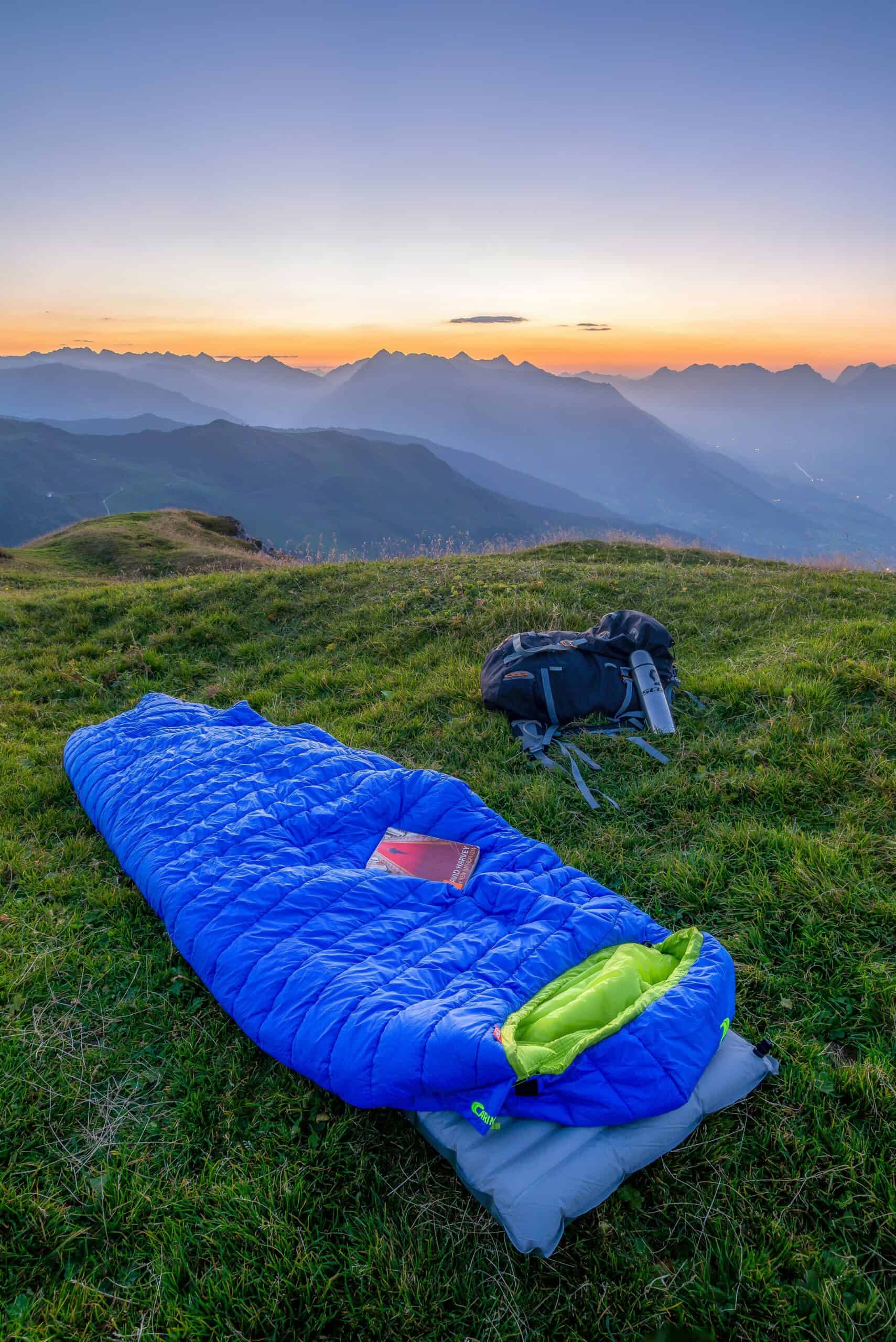
Choosing a sleeping bag is the decision that determines whether you actually sleep on camping trips or lie awake shivering at 2 a.m., wondering where it all went wrong. The temperature rating, fill type, shape, and packed weight all interact in ways that aren’t obvious from a product listing, and buying the wrong sleeping bag for your specific use case is an expensive mistake in a gear category where quality bags run from $80 to over $600.
This guide covers exactly what each specification means in practice, which features matter for which camping styles, and how to match a sleeping bag to the conditions you’ll actually encounter rather than the conditions you hope for. For sleeping pads, tents, and other camping essentials, our full gear guides at cover everything your campsite needs.
Understanding Temperature Ratings
The temperature rating is the most misunderstood sleeping bag specification.
EN/ISO standardized temperature ratings give you three numbers: the comfort rating, the lower limit, and the extreme rating. The comfort rating is the temperature at which a cold sleeper will sleep comfortably without waking. The lower limit is the temperature at which a warm sleeper will sleep comfortably. The extreme rating is the survival threshold, not comfortably, not well, just survives without hypothermia.
Most bags are marketed by their lower limit. A “20°F bag” is comfortable for warm sleepers at 20°F. Cold sleepers, tired hikers, and anyone who has eaten little that day may find that same bag uncomfortably cold at 30°F. The practical rule is simple, buy a bag rated 10 to 15 degrees colder than the coldest temperature you expect to encounter. If nights reach 35°F, buy a 20°F bag. This buffer accounts for the gap between EN rating conditions and real-world sleeping variables like fatigue, hunger, and tent ventilation.
Down vs Synthetic Fill: The Core Decision
Down fill is lighter, more compressible, and more durable over time.
A 700-fill-power or higher down bag compresses to the size of a 32-ounce water bottle and lasts 20-plus years with proper care. The warmth-to-weight ratio of high-quality down is unmatched by any synthetic alternative at an equivalent price point. The trade-off is moisture, down loses almost all of its insulating properties when wet and takes a long time to dry. Treated hydrophobic down closes the moisture gap significantly, maintaining insulation in damp conditions where untreated down would fail entirely. Down is the right choice for backpacking where pack weight matters, dry climate camping, and any situation where long-term value justifies upfront investment.
Synthetic fill insulates when wet and dries faster.
Polyester-based synthetic fills maintain approximately 80 percent of their insulating function when wet, compared to roughly 20 percent for untreated down. For kayak camping, canoe tripping, Pacific Northwest hiking, and any situation where bag submersion or sustained dampness is realistic, synthetic fill is the more reliable choice. Synthetic bags are also hypoallergenic and less expensive at equivalent temperature ratings than high-fill-power down. The trade-offs are weight, bulk, and longevity, synthetic fill compresses less, weighs more, and degrades faster than down over years of compression and washing. Our backpacking quilt guide covers the open-back alternative.
Sleeping Bag Shapes and Who They Suit
Mummy bags maximize warmth efficiency for backpacking and cold weather.
The tapered mummy shape follows the body’s contour from shoulder to foot, minimizing dead air space that the body has to heat. Mummy bags are the right choice for backpacking, cold weather camping, and any situation where warmth-to-weight ratio matters. The trade-off is movement restriction, mummy bags constrain the sleeper to a narrower range of positions than rectangular alternatives. This bothers some sleepers significantly and doesn’t affect others at all. If you’ve never used one, testing in a store before purchasing is worth the extra step.
Rectangular bags maximize comfort and versatility for car camping.
The rectangular format allows full movement, can be opened flat and used as a quilt in warm weather, and can zip together with a compatible rectangular bag for couples sleeping together. The trade-off is efficiency, rectangular bags have significantly more dead air space than mummy bags and require more body heat to warm up. They suit car camping, campground camping, and warm-weather use where weight and warmth efficiency aren’t meaningful considerations. Our covers the full gear setup for campground camping if you’re outfitting a first car camping kit.
Semi-rectangular and quilt formats fill the middle ground.
Semi-rectangular bags taper less aggressively than mummy bags while providing better thermal efficiency than full rectangular bags, a practical compromise for sleepers who find mummy bags claustrophobic but camp in conditions where full rectangular inefficiency is a problem. Quilts eliminate the back insulation entirely, because you’re lying on your sleeping pad, back insulation compresses to nothing and provides no warmth, reducing weight and bulk for backpackers who sleep warm and prioritize minimal pack weight above all else. A temperature rating assumes insulation underneath, and the pad R value that goes with it covers what that has to be.
Weight and Packed Size
These specifications matter in direct proportion to how far you carry the bag.
A car camper driving to a campsite can bring a five-pound rectangular bag with no inconvenience whatsoever. A backpacker carrying everything in a 35-liter pack needs a bag that compresses small and weighs under two pounds. Weight and packed size only matter when you’re physically carrying the bag for miles. For car camping, prioritize comfort and temperature rating. For backpacking, prioritize weight and compressed size aggressively, a lighter bag carried for ten miles costs you less energy than its heavier equivalent and arrives at camp in better condition for sleep.
Fit Matters as Much as Specifications
A bag too large for your body wastes warmth and underperforms its rating.
A mummy bag sized for a six-foot sleeper has significant dead air space around a five-foot-four sleeper. That dead air requires body heat to warm and rarely fully warms in cold conditions, producing a bag that underperforms its temperature rating because the sleeping space is too large for the person inside it. Most manufacturers offer regular and long sizing. Choosing regular length for heights under six feet and long for heights over six feet is the standard guideline. Narrow-shouldered sleepers should look for women’s or slim-cut options where available.
A bag too narrow compresses the fill and reduces insulation at contact points.
Conversely, a bag too narrow for your shoulder or hip width compresses the fill precisely where the body loses the most heat. Broad-shouldered sleepers should check shoulder girth specifications rather than assuming standard sizing fits. The number on the hangtag means nothing if the bag fits like a sausage casing.
Features Worth Paying For
A draft collar at the shoulder, a baffle that cinches around the neck, prevents warm air from escaping when you roll over and breaks the chimney effect that pulls heat out through the neck opening. This feature adds meaningful warmth in conditions below 30°F and is worth the minor premium on any cold-weather bag. Don’t skip it if you’re buying a bag for three-season or winter use.
A snag-free zipper is worth testing in person before purchasing. A zipper that catches on the bag lining in the middle of a cold night requires turning on a headlamp and manually working it free, an annoying and fully wakeful experience that budget bag zippers create regularly. YKK zippers and anti-snag zipper flaps are reliable quality indicators. If you’re buying online, check verified purchaser reviews specifically for zipper complaints before committing.
Best Sleeping Bags by Use Case in 2026
1. REI Co-op Magma 30, Best for Three-Season Backpacking
Best Three-Season Backpacking Sleeping Bag | Price: ~$289
The REI Magma 30 is the best warmth-to-weight value in its temperature range for three-season backpacking. The 850-fill hydrophobic down compresses to the size of a 32-ounce water bottle and weighs one pound fourteen ounces, a combination that no synthetic alternative at any price matches for three-season backpacking conditions.
850-Fill Hydrophobic Down That Performs in Damp Conditions
The hydrophobic down treatment maintains meaningful insulation in the light moisture conditions common on three-season trails, morning condensation, light rain, and humid tent environments. It doesn’t perform like synthetic in full submersion, but it closes the gap enough that most backpackers in non-extreme wet environments don’t need to carry a heavier synthetic alternative. The draft collar and zipper draft tube together eliminate the two most common heat loss points in cold-night use. The recycled nylon shell adds environmental credibility without compromising durability. If you’re pairing this with a sleeping pad, our covers the insulation-from-below half of the sleep system equation.
Best for: Three-season backpackers who prioritize pack weight and compression above all else, the best warmth-to-weight investment on this list for conditions that don’t regularly drop below freezing.
PROS:
- 850-fill hydrophobic down, best warmth-to-weight ratio on this list
- Compresses to a 32-ounce water bottle size
- One pound fourteen ounces, meaningfully lighter than synthetic alternatives
- Draft collar and zipper draft tube eliminate primary heat loss points
- Recycled nylon shell for environmental durability
CONS:
You can see how much volume your sleep system needs before deciding.
- Premium price at approximately $289
- Hydrophobic treatment reduces but doesn’t eliminate wet-condition vulnerability
- 30°F rating, not suitable as a solo bag for winter camping
2. Coleman Brazos Cold Weather Sleeping Bag, Best for Car Camping
Best Car Camping Sleeping Bag | Price: ~$40
The Coleman Brazos is the most practical car camping sleeping bag at the most accessible price on this list. The rectangular format, synthetic fill, and 20°F rating cover three-season campground camping without requiring any investment in premium materials that car camping doesn’t benefit from.
Rectangular Format and 20°F Rating That Cover Three-Season Campground Conditions
The full rectangular shape allows complete freedom of movement and can zip together with a second Brazos bag for couples sleeping together, a practical feature for campground camping that mummy bags can’t offer. The synthetic fill handles the variable moisture conditions of campground use without the care requirements of down. At 4.5 pounds, it’s far heavier than any backpacking bag on this list, and for a bag that rides in a car to the campsite, that weight is completely irrelevant. At $40, it’s the most accessible quality sleeping bag available. For the rest of your campground setup, our camping lanterns guide</a> covers the other essential campsite gear.
Best for: Car campers and campground users who need a reliable three-season bag at a price that leaves budget for the rest of the camping kit.
PROS:
- $40 price, most accessible on this list
- Rectangular format allows full movement and couples with zipping
- Synthetic fill handles campground moisture without special care
- 20°F rating covers three-season campground conditions
- Weight irrelevant for car camping use
CONS:
- 4.5 pounds, not remotely suitable for backpacking
- Rectangular format thermally inefficient for genuinely cold nights
- Synthetic fill degrades faster than down under years of use
3. Marmot Trestles Elite Eco 20, Best for Wet Conditions
Best Wet Condition Sleeping Bag | Price: ~$140
The Marmot Trestles Elite Eco 20 uses a recycled synthetic fill that maintains approximately 80 percent of its insulating function when wet, the most reliable wet-condition performance on this list at a price that doesn’t require a premium budget.
Recycled Synthetic Fill That Insulates Through Wet Conditions
The SpiraFil synthetic fill uses a continuous filament construction that resists clumping when wet better than short-staple synthetic alternatives. Clumping is the failure mode of cheap synthetic fills in moisture, the fill migrates away from contact points and leaves cold spots that compromise the bag’s rated performance. The SpiraFil construction maintains even fill distribution through wet conditions and dries faster than both down and standard synthetic alternatives. The mummy cut keeps weight at three pounds two ounces, heavier than down alternatives but reasonable for backpacking in wet environments where synthetic reliability justifies the weight penalty. The 20°F rating suits shoulder-season and winter shoulder camping in the Pacific Northwest, coastal ranges, and other high-moisture environments.
Best for: Backpackers and campers in consistently wet environments, Pacific Northwest, coastal ranges, spring snowmelt conditions, where synthetic reliability in moisture is worth the weight premium over down.
PROS:
- SpiraFil synthetic maintains insulation and resists clumping when wet
- Recycled fill construction for environmental credibility
- 20°F rating covers shoulder season and wet-weather camping
- $140 price is accessible for a quality wet-condition bag
- Faster drying than down and standard synthetic alternatives
CONS:
- Three pounds two ounces, heavier than down alternatives at equivalent temperatures
- Less compressible than down for the same temperature rating
- SpiraFil fill degrades faster than down over the years of washing and compression
4. Teton Sports LEEF Ultralight Sleeping Bag, Best Budget Backpacking Bag
Best Budget Backpacking Sleeping Bag | Price: ~$80
At $80, the Teton Sports LEEF gives budget-conscious backpackers an entry point into lightweight sleeping bags without the premium investment that top-tier down bags require. The synthetic fill and 40°F rating suit summer backpacking and shoulder-season trips where temperatures stay reliably above freezing overnight. Once a bag is picked out, keeping a bag clean becomes the main thing that protects the investment.
Lightweight Synthetic Construction That Punches Above Its Price Point
At two pounds two ounces, the LEEF compresses and weighs meaningfully less than full-size synthetic alternatives at the same price. It won’t match the compression of a premium down bag, nothing at $80 will, but it fits into a backpacking pack without dominating the interior space that budget synthetic bags typically consume. The mummy cut minimizes dead air space for the weight class. The 40°F rating is honest, this bag doesn’t perform in genuinely cold shoulder-season conditions, but for summer backpacking where overnight lows stay between 40°F and 55°F, it covers the temperature range adequately. For backpackers building a first kit before investing in premium gear, the LEEF removes the price barrier to lightweight sleeping.
Best for: Summer backpackers and budget-conscious hikers testing lightweight sleeping before investing in premium down, the most accessible entry point into backpacking-weight sleeping bags on this list.
PROS:
- $80 lowest price for a backpacking-weight synthetic bag
- Two pounds two ounces, meaningfully lighter than full-size budget synthetics
- Mummy cut minimizes dead air space for the weight class
- Honest 40°F rating for summer backpacking conditions
- Entry point for first-time backpackers building a kit
CONS:
- 40°F rating, not suitable for shoulder-season or cold-night camping
- Synthetic fill compresses less than down at equivalent weight
- Fill quality lower than premium synthetic alternatives, degrades faster
Quick Comparison: Best Sleeping Bags by Use Case 2026
| Product | Price | Fill | Weight | Rating | Best For | Score |
|---|---|---|---|---|---|---|
| REI Magma 30 | ~$289 | 850-fill down | 1 lb 14 oz | 30°F | Backpacking | 9.3 |
| Marmot Trestles Elite | ~$140 | Recycled synthetic | 3 lb 2 oz | 20°F | Wet conditions | 9.1 |
| Coleman Brazos | ~$40 | Synthetic | 4.5 lb | 20°F | Car camping | 9.0 |
| Teton LEEF | ~$80 | Synthetic | 2 lb 2 oz | 40°F | Budget backpacking | 8.7 |
Our Verdict on How to Choose a Sleeping Bag
Start with your use case, car camping, backpacking, or wet-environment camping, because that decision narrows the field before any other specification matters. Car campers should go straight to the Coleman Brazos at $40 and put the budget saved toward the rest of the camping kit. Three-season backpackers who can invest in premium gear should buy the REI Magma 30 at $289, the weight and compression advantages pay off on every trip. Wet-environment campers need the Marmot Trestles Elite at $140, synthetic reliability in moisture justifies the weight premium over down for Pacific Northwest and coastal conditions. Budget backpackers testing lightweight sleeping for the first time should start with the Teton LEEF at $80 before committing to a premium bag.
Frequently Asked Questions: How to Choose a Sleeping Bag
How do I choose a sleeping bag in 2026?
Start with the temperature rating, buy a bag rated 10 to 15°F colder than the coldest night you expect to encounter. Then choose fill type based on conditions: down for dry backpacking, synthetic for wet environments. Match the shape to your camping style: mummy for backpacking and cold weather, rectangular for car camping and warm weather. Finally check that the length and shoulder girth match your body dimensions before purchasing.
What temperature sleeping bag do I need for summer camping?
For summer camping in most North American conditions, a 30°F to 45°F rated bag covers the range of summer night temperatures without over-insulating on warm nights. High-altitude summer camping is the exception, mountain nights above 8,000 feet regularly drop below 40°F even in July and August and require a colder-rated bag than lowland summer conditions.
Is down or synthetic better for backpacking?
Down, specifically 700 fill-power or higher with hydrophobic treatment, is better for most backpacking conditions. The warmth-to-weight and compression advantages over multi-day trips are significant enough that the moisture risk, managed with a hydrophobic treatment and careful pack storage, is an acceptable trade-off for most backpackers outside of consistently wet environments.
How do I store a sleeping bag properly?
Store sleeping bags loosely in a large cotton or mesh storage sack, never compressed in the stuff sack long-term. Long-term compression collapses fill the loft and permanently reduces warmth capacity. Both down and synthetic bags stored loosely maintain their loft for years. Hang storage in a closet is ideal if space allows.
How long does a sleeping bag last?
A quality down bag from a reputable manufacturer lasts 20 or more years with proper care, loose storage, occasional professional washing, and dry storage conditions. Synthetic fill degrades faster under compression and washing, typically losing meaningful loft after five to eight years of regular use. The cost-per-use of a premium down bag is often lower than repeated synthetic replacement over the same period.
What is the difference between a 0°F and a 20°F sleeping bag?
A 0°F bag uses more fill, either more down or more synthetic, to insulate at lower temperatures, which means it weighs more, compresses larger, and costs more than a 20°F bag. For three-season backpacking where nights rarely drop below 25°F, a 20°F bag provides adequate warmth with less weight and bulk. A 0°F bag is the right choice for winter camping, high-altitude shoulder season, and any use case where temperatures reliably reach single digits overnight.
More Camping Guides
- down versus synthetic sleeping bag
- sleeping bags for cold weather camping
- sleeping bags for camping
- camp cookware sets
- camp pillows
- camping chairs
- camping coffee makers
- camping cookware
- camping coolers
- camping fire starters
- camping hammocks
- camping shovels and trowels
- camping water containers
- portable camping showers
- tents for 2 person backpacking
- ultralight backpacking tents under 200
- ultralight tents under 300
- tent vs hammock camping
- choosing hunting gear
