
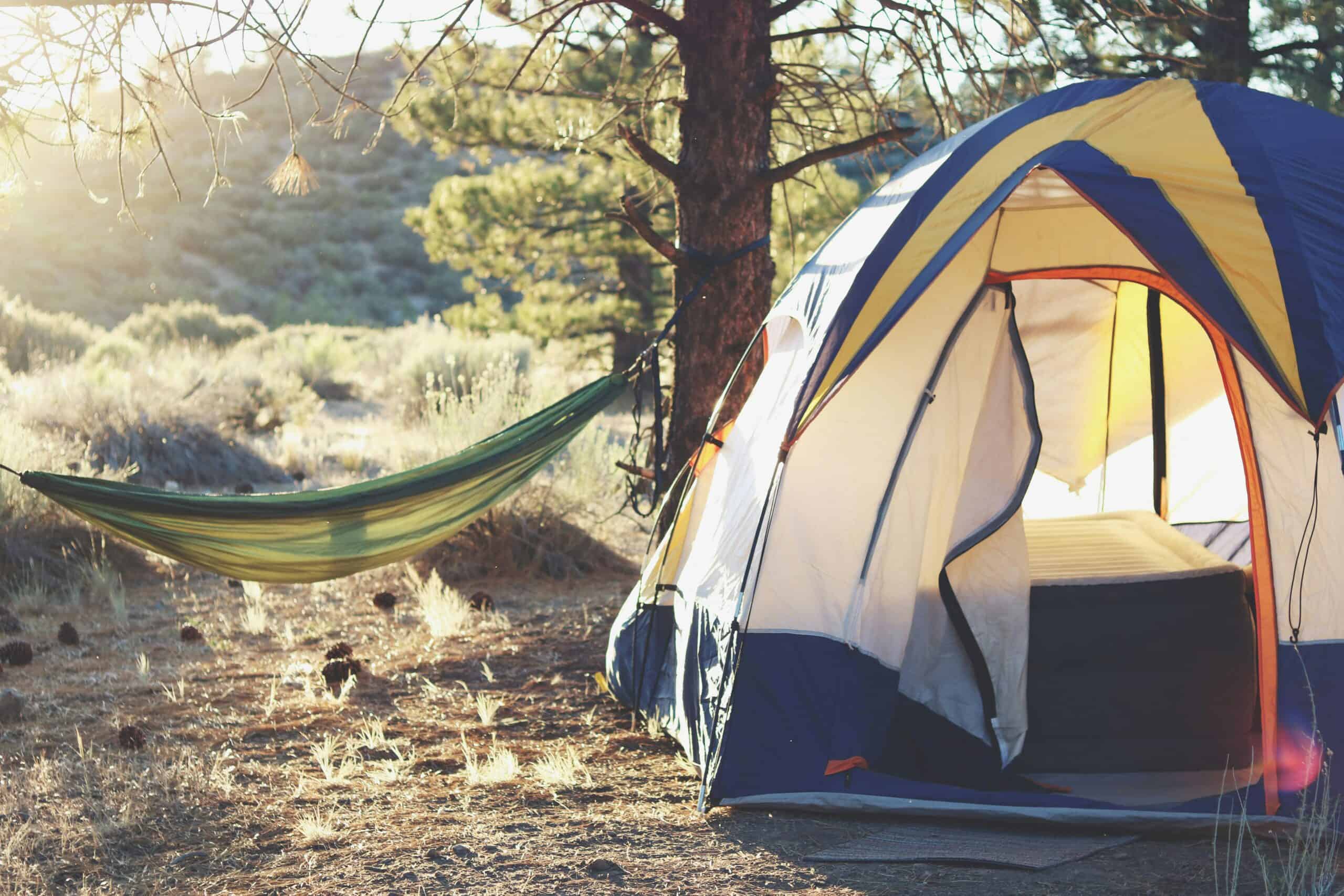
Tent camping and hammock camping solve the same problem, where to sleep in the backcountry, through approaches that produce different experiences, suit different environments, and create different trade-offs across every dimension of overnight camping. Choosing between them is not about which is objectively better. It is about which suits your specific trails, your sleep style, and your camping priorities.
Most backpackers start with a tent because it is the default. Some never consider the alternative. Others discover hammock camping and never go back to a tent for the conditions where a hammock is the superior choice. This guide lays out the honest comparison across every relevant factor so you can make the decision based on your actual trail reality rather than gear marketing. Our guide to the best ultralight tents under $300 covers the top tent options if the comparison tips you toward tents, and our guide to the best sleeping bags for camping covers the insulation system that works alongside both setups.
How Each Setup Actually Works on Trail
Tent Camping, Ground-Based Universal Coverage
A tent creates an enclosed shelter on any flat ground surface, soil, gravel, sand, snow, or rock, using poles, a floor, and a rain fly. The ground-based design works in any environment where flat ground exists and provides protection against insects, wind, rain, and ground moisture simultaneously. A quality tent’s enclosed design creates a microclimate inside, warmer than the ambient temperature through body heat retention, that extends the temperature range in which camping is comfortable beyond what a hammock’s open design allows. Condensation is the usual complaint with a tent, and our guide on why the inside of a tent gets wet covers telling it apart from a leak.
Hammock Camping, Suspended Between Trees
A hammock suspends the sleeper between two trees using straps and a suspension system, eliminating ground contact. The suspended position removes the hard, uneven ground surface as a comfort variable, replacing it with a curved fabric cradle that many sleepers find more comfortable than the flat-on-the-ground position a tent provides. The trade-off is environmental dependency, hammock camping requires two suitable trees within the right distance apart, which makes it incompatible with treeless environments, including alpine zones, deserts, beaches, and tundra.
Tent vs Hammock, Direct Comparison
Comfort and Sleep Quality
Winner: Hammock, for most side and back sleepers in favorable conditions
The suspended position eliminates pressure points from uneven ground, rocks, and roots that tent sleeping pads mitigate but do not eliminate. Most hammock campers report falling asleep faster and waking with less body soreness than tent camping on the same trail, particularly on rocky and rooty terrain where ground irregularities translate directly into sleeping discomfort despite a pad. The caveat is sleeping position, stomach sleepers struggle with the curved hammock position that back and side sleepers find comfortable. Cold temperatures also affect hammock comfort more directly than tent comfort, as the suspended position exposes the underside of the sleeper to cold air, a problem that requires an underquilt insulation system to solve.
Environmental Versatility
Winner: Tent, by a significant margin
A tent works anywhere flat ground exists. A hammock requires two trees at the right distance, typically 12 to 15 feet apart, with adequate trunk diameter to support suspension loads safely. Above treeline, in deserts, on beaches, in open meadows, and in many alpine environments, hammock camping is simply not possible. For hikers whose routes include diverse terrain types, forest sections and open alpine sections on the same trip, a tent provides consistent shelter regardless of where the night finds them.
Weight and Packed Size
Winner: Hammock, for comparable weather protection
A quality hammock with rain tarp and bug net weighs approximately 1.5 to 2.5 pounds, comparable to or lighter than a solo ultralight tent. A budget hammock system weighs under one pound. The packed size of a hammock and tarp system is smaller than most tent options at comparable weather protection, an advantage that compounds on longer trips where pack volume matters as much as weight.
Setup Speed and Ease
Winner: Hammock, in forested environments
Hanging a hammock between two trees with quality straps takes approximately 3 to 5 minutes once the technique is familiar. Setting up a freestanding tent takes 5 to 10 minutes on flat, stake-friendly ground and longer on rocky or rooty terrain where stakes do not set cleanly. In dense forests where trees are abundant and flat ground is scarce, hammock setup is genuinely faster and produces a better sleep site than the best tent placement available.
Cold Weather Performance
Winner: Tent, without an underquilt
A tent’s enclosed design and floor retain body heat during cold nights through a microclimate effect that open hammock suspension cannot replicate. The underside of a hammock sleeper is exposed to cold ambient air, a phenomenon called cold butt syndrome, that sleeping pads do not address because pad insulation compresses under body weight and loses its insulating value. An underquilt, an insulated blanket that hangs beneath the hammock and insulates the underside of the sleeper, solves this problem but adds cost and weight to the hammock system. With a quality underquilt, a hammock system performs comparably to a tent in cold weather. Without one, a tent is warmer below approximately 50 degrees Fahrenheit.
Leave No Trace Impact
Winner: Hammock, when used correctly
A hammock with wide tree straps, at least one inch wide, distributes suspension load across the bark surface and causes minimal tree damage in most species when used with appropriate strapping technique. A tent’s ground contact compresses vegetation, disturbs soil structure, and can damage fragile ground cover that recovers slowly in alpine and subalpine environments. In designated camping areas where ground has already been impacted, the difference is minimal. In pristine backcountry, a correctly hung hammock with wide straps is generally lower-impact than tent ground contact.
Can You Use Both?
Yes, and many experienced backpackers carry a hammock as their primary shelter on forested trails and a lightweight bivy or tent for sections above treeline or in open terrain. The most versatile approach for multi-environment routes is a lightweight tent for environmental universality combined with a hammock for car camping and forested overnight trips where comfort is the priority. Either setup still depends on finding the right spot once the sun starts dropping.
Quick Comparison: Tent vs Hammock Camping
| Factor | Tent | Hammock |
|---|---|---|
| Comfort on rough ground | ⚠️ Depends on pad | ✅ Eliminates ground contact |
| Environmental versatility | ✅ Works anywhere | ⚠️ Trees required |
| Weight | ⚠️ Heavier at comparable protection | ✅ Lighter for most setups |
| Setup speed | ⚠️ 5-10 minutes | ✅ 3-5 minutes in forest |
| Cold weather | ✅ Warmer without underquilt | ⚠️ Needs underquilt below 50°F |
| Leave No Trace | ⚠️ Ground impact | ✅ Lower impact with wide straps |
Our Verdict
Choose a tent if your routes include treeless terrain, if you camp primarily in alpine, desert, or beach environments, or if you camp in cold conditions without the additional investment in an underquilt system. Choose a hammock if you primarily hike in forested environments, if ground comfort is your primary overnight complaint, and if you camp in temperatures above 50°F or are willing to add an underquilt for cold conditions. The weight and packed size advantages of a hammock system in forest environments are real enough that the switch is worth making for hikers whose trails consistently provide suitable trees.
Frequently Asked Questions: Tent vs Hammock Camping
Is hammock camping more comfortable than tent camping?
For most back and side sleepers camping on rocky or rooty terrain, yes, the suspended position eliminates the ground contact that causes body soreness and pressure points that sleeping pads mitigate but do not eliminate. For stomach sleepers and for camping in cold conditions without an underquilt, tent sleeping is more comfortable for most people.
How do I find trees for hammock camping?
Look for two healthy trees at least 8 inches in diameter, large enough to support suspension loads without risk of the strap cutting into thin bark. Ideal spacing is 12 to 15 feet between trunks. Always use straps at least one inch wide to distribute the load across the bark surface and prevent damage. Many national forests and wilderness areas have Leave No Trace guidelines specifically for hammock use, check the regulations for your specific area before assuming hammock camping is permitted.
Can you hammock camp in the rain?
Yes, with a quality rain tarp rigged above the hammock. A tarp with adequate coverage, extending at least 18 inches beyond the hammock ends on each side, keeps the sleeper and sleeping system dry in all but the most severe horizontal rain. Most hammock campers find tarp-covered hammock camping in rain more comfortable than tent camping in rain because the elevated position keeps them above the ground moisture and puddles that form around tent floors in heavy rain.
Is hammock camping allowed in national parks?
It depends on the specific park and the designated camping area. Some national parks permit hammock camping in established sites with tree strap width and placement requirements. Others restrict or prohibit it in certain zones to protect fragile tree populations. Always check the specific regulations for your destination before assuming hammock camping is permitted. Our guide to the best bear canisters for backpacking covers the food storage requirements that apply to both tent and hammock camping in bear country.
What do I need for hammock camping besides the hammock?
A complete hammock camping system includes: the hammock, tree suspension straps, a rain tarp with guy lines and stakes, a bug net if not integrated into the hammock, and an underquilt or sleeping pad system for insulation below 50°F. Many hammock systems sell these components as a bundle. Our guide to the best lightweight sleeping pads for backpacking covers the pad options that work inside hammocks for cold-weather insulation when an underquilt is not available.
