
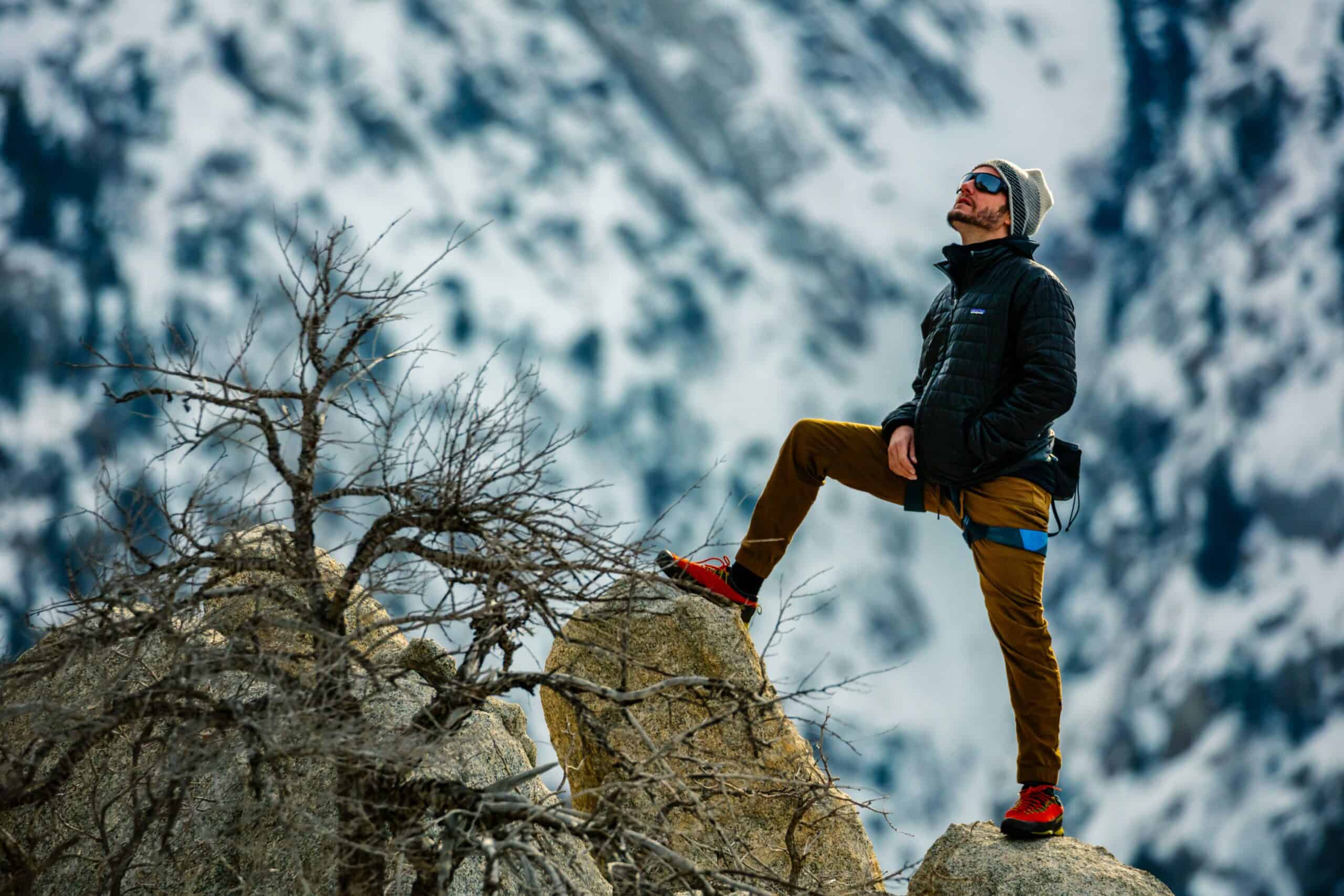
The hikers who struggle most in variable weather, too hot on the climb, too cold on the exposed ridge, soaked through on the descent, are almost always wearing the wrong combination of layers or wearing the right layers in the wrong sequence. The layering system is not complicated, but it requires understanding what each layer actually does and why the sequence matters. A cotton base layer under a down jacket in wet conditions is as useless as no jacket at all. The right three-layer combination handles every weather variable, temperature, wind, precipitation, and sweat, that trail conditions produce.
This guide covers the complete layering system from base to shell, what each layer does, what materials work for each function, and how to adjust the combination across changing trail conditions. For the specific outer shell options, our guide to the best rain jackets for hiking covers the top waterproof shell options. For the base layer environment, our guide to the best hiking socks covers the foot-specific base layer that most hikers underinvest in relative to its comfort impact.
The Three Layer System, What Each Layer Actually Does
Layer 1: The Base Layer, Moisture Management
The base layer sits against your skin and has one job, moving sweat away from the skin surface before it cools against your body. Wet skin loses heat 25 times faster than dry skin. A base layer that keeps your skin surface dry maintains your thermal comfort regardless of exertion level or temperature. A base layer that traps moisture against the skin, cotton being the primary offender, becomes a cold, wet layer that accelerates heat loss at exactly the moment you stop moving and need insulation most.
Why Cotton Kills and Synthetics Save
Cotton absorbs moisture and holds it, a property that makes cotton comfortable in dry conditions and dangerous in wet ones. When a cotton base layer gets wet from sweat or rain, it retains that moisture against the skin indefinitely, drawing heat away from the body continuously. Merino wool and synthetic polyester base layers move moisture away from the skin through wicking action, spreading it across a larger surface area where it evaporates faster. Merino wool adds natural odor resistance and temperature regulation that synthetic alternatives match with treatments, but not with the material’s inherent properties. For multi-day hiking without access to laundry, merino wool base layers stay odor-free significantly longer than synthetic alternatives.
Layer 2: The Mid Layer, Insulation
The mid layer traps warm air close to the body, the function that prevents heat loss to the cold ambient air surrounding the insulation. It does not need to be waterproof or wind-resistant, the outer shell handles those functions. It needs to be warm when dry, compressible for pack storage, and ideally able to retain some insulation value when wet. Down insulation is the warmest mid-layer per gram of weight but loses nearly all insulation value when wet. Synthetic insulation, PrimaLoft, Thinsulate, retains meaningful insulation value when wet and dries faster than down.
When to Choose Down vs Synthetic Mid Layer
Choose down for dry climates and conditions where precipitation is unlikely, the warmth-to-weight ratio makes it the superior choice when staying dry is reliable. Choose synthetic for wet climates, water crossings, and routes where precipitation is likely, the retained wet insulation value is a genuine safety difference in conditions where a soaked down jacket provides essentially no warmth. Fleece mid layers fall between down and synthetic in warmth-to-weight ratio, but pack less compactly and provide better breathability during high-exertion sections where a packable puffy produces too much heat buildup.
Layer 3: The Shell, Weather Protection
The outer shell blocks wind and precipitation from penetrating to the insulating layers underneath. It does not insulate, it protects the insulation from the elements that would compromise its function. A waterproof shell, with DWR coating and sealed seams, blocks rain and snow while allowing some water vapor (sweat) to escape through breathable membrane technology. A wind shell without waterproofing blocks wind effectively at a lower cost and weight, appropriate for dry environments where wind is the primary weather challenge but precipitation is not a concern.
Breathability, The Shell Specification That Most Buyers Underestimate
A waterproof shell that does not breathe traps sweat vapor inside the layers, eventually saturating the insulation from the inside out. A breathable waterproof shell, Gore-Tex, eVent, and similar membranes, allows water vapor to escape while blocking liquid water from entering. The breathability rating, measured in grams of moisture vapor transmitted per square meter per 24 hours, determines how well the shell manages sweat during high-exertion hiking. Higher breathability ratings produce less moisture buildup inside the layer system during sustained effort.
How to Adjust Your Layers Across Changing Trail Conditions
The Start of the Hike, Cold and Dry
Begin with all three layers when temperatures are below 45°F, and you are not yet generating excess heat. The base layer manages moisture as you warm up. The mid layer traps the heat your body generates before you reach full exertion output. The shell blocks wind and precipitation before the trail conditions reveal what the weather will do.
The Climb, Hot and Sweating
On steep ascents, your body generates significantly more heat than it loses to the environment, even in cold temperatures. Remove the mid-layer and shell as soon as you begin sweating heavily, rather than allowing sweat saturation to build in the insulating layers. A wet mid-layer that felt warm and dry provides less insulation than a dry base layer alone. Stuff the mid-layer and shell in the top of your pack for immediate access at the summit or when conditions change.
The Summit or Exposed Ridge, Cold and Windy
Restore all three layers immediately at exposed, wind-swept points where ambient temperature and wind chill combine to pull heat away from the body faster than exertion replaces it. The transition from hiking effort to stationary rest at a summit is the highest risk moment for rapid heat loss, the sweat generated on the climb evaporates quickly in wind, cooling the base layer and chilling the skin surface before insulation layers are replaced.
Rain and Wet Conditions
Prioritize the shell as the outermost layer at all times when precipitation is active. In light rain during high-exertion hiking, the shell alone over a base layer is often sufficient, body heat compensates for reduced mid-layer insulation, and the shell prevents precipitation from soaking through to the skin. In heavy rain during lower exertion, all three layers under the shell provide the insulation that prevents hypothermia risk in wet conditions.
Material Guide by Layer
| Layer | Best Material | Avoid |
|---|---|---|
| Base | Merino wool, synthetic polyester | Cotton |
| Mid | Down (dry), synthetic (wet), fleece | Cotton, heavy wool |
| Shell | Gore-Tex, eVent, DWR-treated nylon | Uncoated cotton, denim |
Our Verdict
The three-layer system works consistently across every weather variable that hiking produces, but only when each layer performs its specific function and only when the system is actively managed across changing conditions. The most common layering mistake is passive management, putting on all layers at the start and wearing them through the full day regardless of exertion and temperature changes. Active layer management, adding and removing as conditions change, is the skill that separates hikers who are comfortable in variable weather from those who are always too hot or too cold.
Start with merino wool or synthetic base layers and never go back to cotton. Choose your mid-layer based on precipitation probability in your primary hiking climate. Choose a breathable waterproof shell for any route where precipitation is possible. Everything else, specific brands, weights, colors, matters less than getting those three fundamentals right.
Frequently Asked Questions: How to Layer Clothing for Hiking
What is the best base layer material for hiking?
Merino wool is the best base layer material for most hiking applications, it wicks moisture effectively, regulates temperature across a wider range than synthetic alternatives, and resists odor significantly better than any synthetic material. For budget-conscious hikers and high-exertion applications where breathability takes priority over odor resistance, synthetic polyester base layers perform the wicking function effectively at lower cost and in lighter weights than merino.
How many layers do I need for hiking?
Three layers, base, mid, and shell, cover the full range of hiking weather conditions when each layer is appropriate to the temperature and precipitation forecast. In warm, dry conditions, the base layer alone is often sufficient. In mild conditions with low precipitation risk, base and mid layers without a shell are adequate. The full three-layer system is most relevant for cold, wet, or variable weather conditions where all three functions, moisture management, insulation, and weather protection, are simultaneously required.
Can I use a rain jacket as my only outer layer?
Yes, a quality waterproof breathable rain jacket functions as both a wind shell and a rain shell simultaneously. In mild conditions, it works directly over a base layer without a mid layer underneath. In cold conditions, it works as the outer shell over a mid-layer insulation piece. Our guide to the best rain jackets for hiking covers the specific jackets that perform this dual role most effectively across hiking conditions.
What should I wear hiking in cold weather?
In temperatures below 40°F, a merino wool or synthetic base layer, a synthetic or down mid layer, and a waterproof breathable shell provide the foundation. Add insulated hiking pants or softshell pants over a base layer bottom. Add gloves, a warm hat, and a neck gaiter for exposed sections. Our guide to the best hiking gloves covers the hand insulation options that complete the cold-weather layering system.
Is cotton really that bad for hiking?
For day hiking in dry, warm conditions where getting wet is unlikely, and the temperature is stable, cotton is adequate. For anything that involves precipitation, water crossings, sustained exertion followed by rest in cold conditions, or multi-day trips, cotton is genuinely dangerous rather than just suboptimal. The combination of moisture retention and heat loss acceleration in wet conditions makes cotton a hypothermia risk factor in exactly the conditions where it is most likely to get wet. The “cotton kills” mantra exists because it has proven true often enough to be treated as a rule rather than a guideline.
More Hiking Guides
Damp fabric against skin is what starts the rubbing. Preventing chafe over distance covers fabric and fit.
