
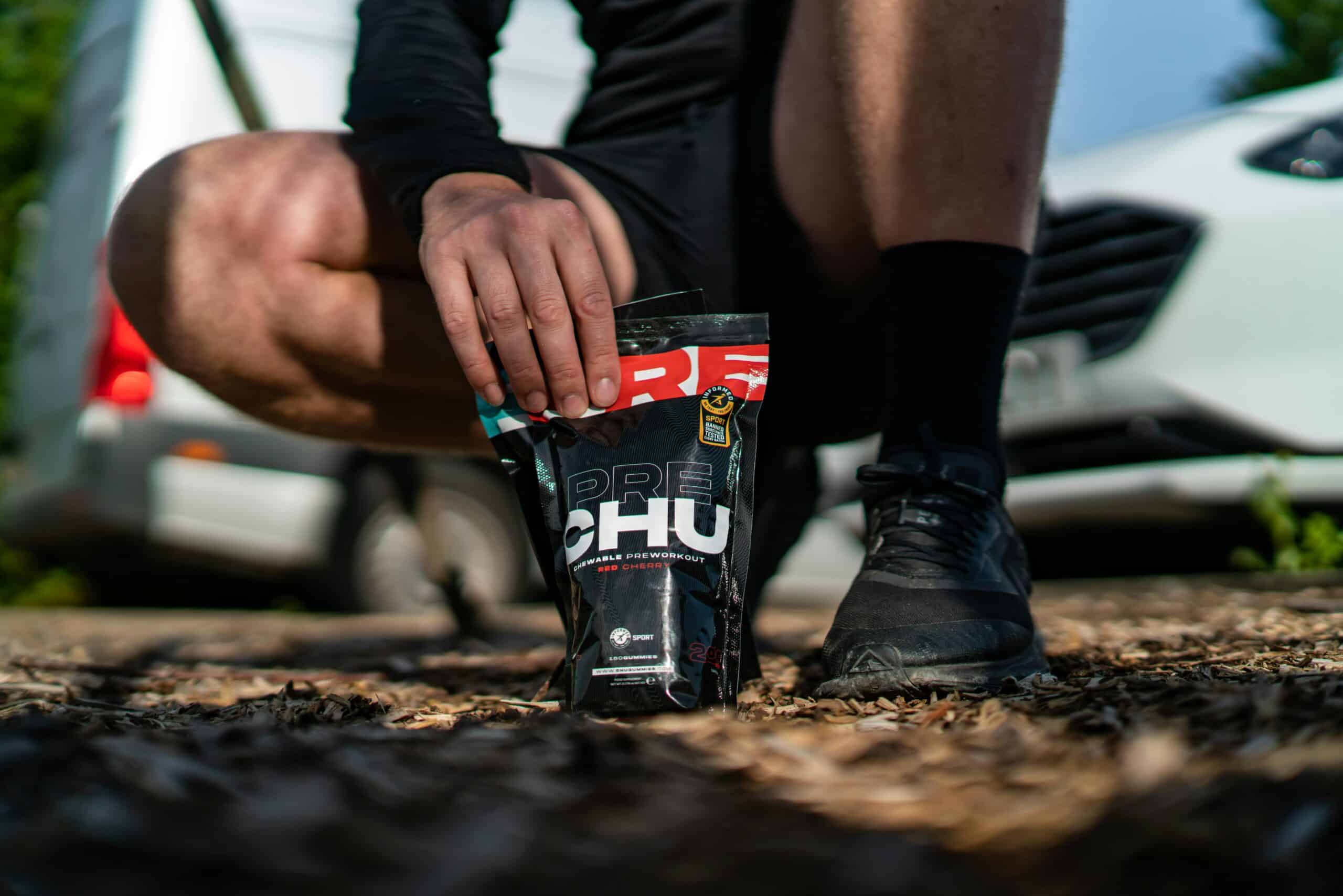
Gels and chews were developed for racing, where stopping to eat costs time and the digestive system is under stress. Hiking is neither of those things, which is why real food usually beats them on a trail.
Where these products genuinely earn their place is narrow: when eating properly is difficult, when you need something to work fast, or as a reserve for the point where you have misjudged a route badly. Our roundup of hiking snacks covers the everyday option.
A Health Note
This is general information rather than medical or nutritional advice. Concentrated carbohydrate affects blood sugar, and anyone with diabetes or a metabolic condition should discuss these products with a doctor rather than follow general guidance.
Types at a Glance
| Type | Absorption | Notes |
|---|---|---|
| Gels | Fastest | Need water, texture divides people |
| Chews | Fast | Easier to pace, chewing takes effort |
| With caffeine | Fast | Alertness, sleep implications |
| Real food bars | Slower | More satisfying, heavier |
| Dried fruit | Moderate | Cheap, no packaging waste |
| Waffle or biscuit style | Moderate | Palatable over hours |
How We Picked
Selections are grouped by format and by how quickly the carbohydrate becomes available, since that is what separates a race product from a trail snack.
Descriptions come from documented formulations rather than hands-on testing.
1. A Standard Energy Gel, Best for Speed
Why It Stands Out
Concentrated carbohydrate in a form that absorbs quickly, which matters when you are running low and need something to work within minutes rather than half an hour.
Light, compact, and it survives being crushed in a pack, which most real food does not.
Worth Knowing
Needs water alongside, since concentrated gel without fluid slows absorption and upsets some stomachs.
The texture is genuinely unpleasant for some people. Our note on carrying water covers the fluid side.
This suits an emergency reserve. Skip it as your main trail food.
2. Energy Chews, Best for Pacing
Why It Stands Out
Individual pieces let you take a small amount rather than committing to a whole gel, which suits a long steady effort better than a concentrated dose.
Most people find them considerably more palatable than gel, which matters because the product you dislike stays in the pack.
Worth Knowing
Chewing while breathing hard is awkward on a climb.
They go hard in cold weather and sticky in heat. Our roundup of hiking daypacks covers where to stow them.
This suits long hikes with sustained effort. Skip it in very cold conditions.
3. A Caffeinated Gel, Best for Alertness
Why It Stands Out
Caffeine alongside carbohydrate helps with perceived effort and alertness, which matters on a long descent when concentration matters for footing.
Useful on early starts where you left before coffee was an option.
Worth Knowing
Taken late in the day it affects sleep, which is a real consideration on multi-day trips.
Caffeine tolerance varies widely and it can cause jitters. Our note on planning a hiking route covers timing a day.
This suits early starts and long days. Skip it in the evening.
4. A Real Food Bar, Best for Satisfaction
Why It Stands Out
Made from recognizable ingredients rather than concentrated syrups, which digests more comfortably over a long day and feels like eating rather than dosing.
Fat and protein alongside carbohydrate provide slower energy, which suits hiking pace better than race products do.
Worth Knowing
Heavier and bulkier per calorie than a gel.
Slower to act, so not the thing to reach for when you have already crashed. Our roundup of hiking socks covers the category.
This suits the majority of hiking. Skip it as an emergency reserve.
5. Dried Fruit, Best Value
Why It Stands Out
Dates, raisins, and dried mango deliver fast carbohydrate at a fraction of the cost of anything engineered, and they were doing this job long before gels existed.
No packaging waste to carry out, and they contain potassium alongside the sugar.
Worth Knowing
Sticky, and they compress into a solid mass in a warm pack.
Less precise than a measured gel if you are counting carbohydrate. Our roundup of electrolyte tablets covers the mineral side.
This suits anyone unconvinced by sports nutrition. Skip it if stickiness bothers you.
6. A Waffle or Biscuit Style Product, Best Palatability
Why It Stands Out
Tastes like food rather than like a supplement, which becomes important on the fourth hour when nothing sweet and synthetic is appealing anymore.
Easier to eat without water than a gel, which matters if you are rationing.
Worth Knowing
Crumbles readily in a pack unless protected.
Slower absorption than gel, so it is not the fast option. Our roundup of first aid kits covers other things worth protecting in a pack.
This suits long days where appetite fades. Skip it if you need speed.
How the Body Uses This
The reason these products exist at all comes down to how quickly carbohydrate becomes available.
Stored carbohydrate in muscle and liver is limited, and sustained effort depletes it over hours. That depletion is what people describe as hitting a wall, and it is a real physiological event rather than simple tiredness.
Simple sugars in gels and chews are absorbed quickly because they need little digestion, which is the entire design goal.
Fat and protein take considerably longer to become available, which is why a bar with both feels more satisfying and works more slowly.
On a hiking pace, depletion happens far more gradually than in racing, which is why real food keeps up perfectly well and the fast option is a rescue rather than a routine.
Why Racing Products Suit Racing
Gels exist because a runner cannot chew and breathe hard simultaneously, and because stopping costs time. Neither constraint applies to hiking.
They also assume a digestive system under stress, which is why the carbohydrate is concentrated and pre-digested. Walking does not stress digestion the same way, so ordinary food is absorbed fine.
The result is that an ordinary sandwich outperforms an engineered gel on most day hikes, and costs a fraction as much to carry.
Where the race logic transfers is when something has gone wrong: you have gone further than planned, energy has dropped, and you need something to work quickly. That is a genuine use rather than a marketed one.
Understanding that distinction is what stops people buying race nutrition for a walk in the hills and wondering why a sandwich would have served them better.
Carrying a Reserve
Something that survives being forgotten
An emergency snack lives in a pack for months, so it needs a long shelf life and packaging that does not split.
Something that works fast
The reserve is for when you have misjudged, which is when slow-release food is the wrong tool.
Something you will actually eat
A reserve you find unpalatable will not get eaten when you need it, which defeats the point.
Check it periodically
Gels split, bars go rancid, and chews harden. An untouched reserve still needs replacing. Our roundup of emergency bivvies and shelters covers the rest of the reserve kit.
Cold and Heat Change These Products
Temperature affects these more than any other food you carry, and it is rarely mentioned on the packet.
In cold conditions gels thicken considerably and become difficult to squeeze from the sachet, and chews harden to the point of being genuinely hard to bite.
Keeping them in an inside pocket rather than an outer pack pocket uses body heat to keep them usable, which is worth doing before you need them.
In heat the reverse happens. Chews fuse into a single block and bars soften and lose shape, though both remain edible.
Bars with chocolate coatings are the worst case in warm weather, and they are the ones most likely to make a mess of a pack. Our roundup of hiking boots for beginners covers packing them sensibly.
Knowing how a product behaves in the conditions you actually hike in matters more than its carbohydrate figure, since a gel you cannot squeeze is worth nothing at all.
What to Look For
Carbohydrate per serving
The primary figure, since that is what these products are for. Compare per gram rather than per packet.
Whether it needs water
Gels generally do. That matters if water is the thing you are rationing.
Temperature behavior
Chews harden in cold and gels thicken. Bars crumble. All of it matters more than the label suggests.
Whether you can eat it repeatedly
Palatability collapses over hours. Something you can face on the fifth hour beats something optimal you cannot.
Common Mistakes to Avoid
Using them as main trail food
They are expensive, unsatisfying over hours, and real food does the job better on a hiking pace.
Taking gel without water
Concentrated carbohydrate without fluid slows absorption and upsets stomachs.
Trying something new on a long day
Digestive tolerance varies. Test any product on a short walk before relying on it.
Caffeine late in the day
Fine on a morning start, and a genuine problem for sleep on a multi-day trip. Our note on how much water you need covers the fluid pairing.
Recommended Reading
See our note on electrolytes versus water, our guide to backpacking meal planning, our roundup of water bottles, and a roundup of trekking poles.
Energy Gel and Chew FAQ
Do I need energy gels for hiking?
Usually not. They were designed for racing, where chewing and stopping are problems. On a hiking pace, real food digests fine and costs less.
When are they genuinely useful?
As a fast-acting reserve when you have gone further than planned, or when eating properly is difficult. That is a real use rather than a marketed one.
Gels or chews?
Gels absorb fastest and need water. Chews are easier to pace and more palatable, and chewing while breathing hard on a climb is awkward.
Do gels need water?
Yes. Concentrated carbohydrate without fluid absorbs more slowly and causes stomach upset for many people, which matters if water is short.
Is dried fruit as good?
For most hiking, yes, at a fraction of the cost. Dates and raisins deliver fast carbohydrate and contain potassium, with no packaging to carry out.
Should I use caffeinated versions?
They help with alertness and perceived effort on long days. Taken late they affect sleep, which matters on multi-day trips.
How much should I take?
Depends on duration and effort, and these are supplements to eating rather than replacements. Start with less than the packet suggests and see how you respond.
Can I try one for the first time on a big hike?
Better not to. Digestive tolerance varies considerably, and a long day is the wrong place to discover a product does not agree with you.
