
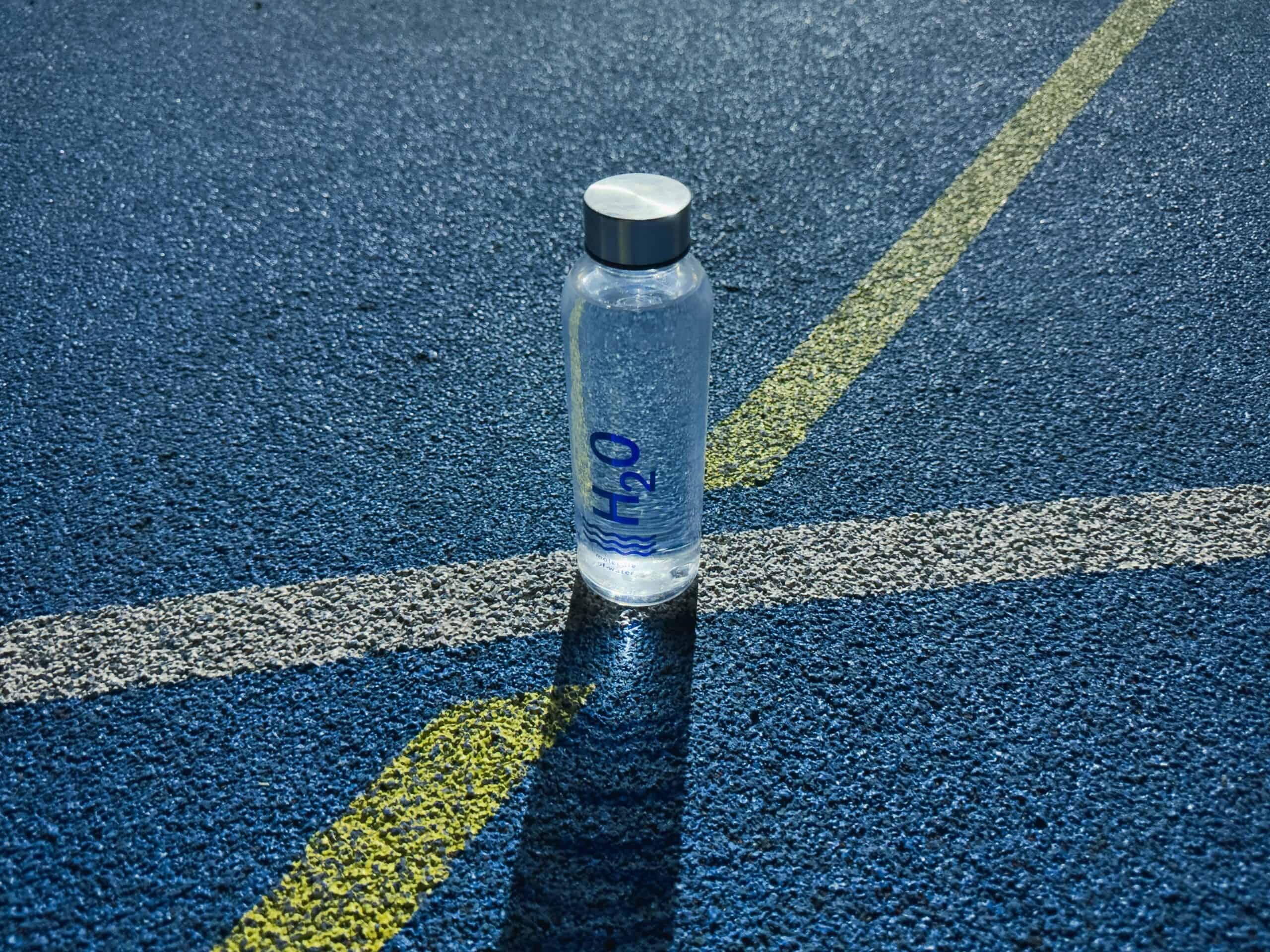
Electrolyte products are marketed as though every outing requires them, and the evidence points somewhere narrower. For a few hours of moderate hiking, water and a normal diet cover what you lose.
I use just water, and I have not found a reason to change that for the hiking I do. Whether that would hold for longer or hotter days is a different question. Our note on hiking boots for beginners covers the volume side.
A Health Note
This is general information rather than medical advice. Electrolyte balance interacts with medications and with kidney, heart, and blood pressure conditions. Anyone with a medical condition, on medication affecting fluid or sodium balance, or planning prolonged endurance activity should ask a doctor rather than follow general guidance. Confusion, seizures, or collapse during activity are emergencies.
Quick Answer
Water is sufficient for most day hikes of a few hours in moderate conditions. Electrolytes become relevant with prolonged heavy sweating, long duration efforts, or heat, where sodium loss is meaningful.
What Electrolytes Actually Do
Sodium, potassium, magnesium, and chloride regulate fluid balance, nerve signaling, and muscle function. Sweat contains them, primarily sodium.
Losing some through a normal hike is unremarkable, and a normal diet replaces it without anyone thinking about it.
The concern arises when losses are large and sustained, and replacement is only water, which dilutes remaining sodium rather than restoring balance.
That is a real physiological process and it takes considerably more sweating than a typical day hike produces. Our roundup of hiking socks covers the products.
When Water Is Enough
Short to moderate outings
A few hours of walking in reasonable conditions does not deplete anyone meaningfully.
Cool weather
Less sweat means less sodium loss, which is most of the equation.
You are eating normally
Food contains sodium and potassium. A snack on the trail does what a tablet does, at less cost.
You feel fine
Absent symptoms and absent extreme conditions, there is nothing to correct. Our roundup of hiking snacks covers eating on trail.
What Sweat Actually Contains
Sweat is mostly water with dissolved minerals, and sodium is by far the largest component.
Potassium, magnesium, and calcium appear in much smaller quantities, which is why sodium is what replacement products lead with and why the others matter less than marketing implies.
Concentration varies considerably between individuals, and it also changes with acclimatization. Someone adapted to hot conditions loses less sodium in their sweat than someone who has just arrived from a cool climate.
That acclimatization effect is one reason the same hike affects a visitor differently from a local doing it regularly.
It also means the salt residue test is telling you something real about your own physiology rather than about the conditions.
When They Become Relevant
Prolonged efforts of many hours, particularly in heat, produce sodium losses that food alone may not keep pace with.
Heavy sweaters lose more, and some people leave visible salt residue on skin and clothing, which is a reasonable indicator.
Multi-day trips compound it, since each day starts from a deficit if the previous one was not replaced.
Endurance activity at intensity is the clearest case, and it is where most of the supporting research comes from rather than from recreational hiking.
The Risk of Water Alone at Extremes
Hyponatremia is the condition where blood sodium falls too low, and in an activity context it results from drinking large volumes of plain water while losing sodium through heavy sweat.
It is uncommon and it is serious, and confusingly the early symptoms of nausea, headache, and confusion resemble dehydration, which leads people to drink more and worsen it.
It occurs mainly in endurance events lasting many hours rather than on day hikes.
The practical takeaway is that more water is not unconditionally safer, which is worth knowing even if the scenario is unlikely to affect you.
Forms These Come In
Tablets dissolve in water and are the lightest option, adding almost nothing to pack weight and usually containing little or no sugar.
Powders offer more flexibility on concentration and frequently include carbohydrate, which makes them fuel as well as replacement.
Ready-mixed drinks are the heaviest by far, since you are carrying the water they are already mixed into.
Capsules separate sodium from fluid entirely, letting you drink plain water and take salt independently, which suits people who dislike flavored drinks.
For hiking specifically, tablets are the common choice because weight matters and the alternative is carrying liquid you could have added at a tap. Our roundup of electrolyte tablets covers those.
Food Does Most of This
Salted snacks, nuts, and most trail food contain sodium in quantities comparable to what a tablet provides.
Fruit and nuts supply potassium and magnesium without any product being involved.
That makes eating normally on a long hike the simplest replacement strategy, and it addresses energy at the same time.
Where products earn their place is convenience and precision on efforts where eating is difficult, which describes racing more than it describes hiking. Our roundup of trekking poles covers the fuel side.
Reading the Marketing
Sports drinks were developed for endurance athletics and marketed far beyond that context, which is why the assumption that everyone needs them is so widespread.
Sugar content varies enormously between products, and some are closer to a soft drink than to a rehydration solution.
Claims about cramp prevention are less settled than the packaging suggests, since cramping has several proposed causes and electrolyte depletion is one contested explanation among them.
None of that makes the products useless. It makes the marketed use case considerably broader than the evidence supports. Our roundup of hydration packs covers carrying either.
Timing Rather Than Quantity
When electrolytes are taken affects them as much as whether they are taken at all.
Taking them before a long hot effort is more useful than taking them after symptoms appear, since replacement works better as maintenance than as rescue.
Sipping steadily through an effort suits the body better than a concentrated dose, which is the same principle that applies to plain water.
Taking a strong electrolyte drink on an empty stomach causes nausea for some people, and that is worth discovering on a training walk rather than mid-hike.
And after a long hot day, replacement over the following hours with normal food and drink does most of the work rather than anything taken at the trailhead.
A Reasonable Approach
Water for typical day hikes, which covers the majority of what most people do.
Food rather than products for longer outings, since eating solves sodium and energy together.
Electrolyte products for genuinely long, hot, or heavy-sweat efforts, where they are addressing a real deficit.
And a doctor’s input rather than a product decision for anyone on medication affecting fluid balance or with a relevant medical condition, since general guidance does not apply cleanly there.
Electrolytes or Water FAQ
Do I need electrolytes for a day hike?
Usually not. Water plus normal food covers a few hours of moderate hiking. I use just water and have not found reason to change for the hiking I do.
When do they actually matter?
Prolonged efforts of many hours, heat, and heavy sweating, where sodium losses outpace what food replaces. Endurance activity is where the supporting evidence comes from.
What is hyponatremia?
Blood sodium falling too low, which in activity results from drinking large volumes of plain water while sweating heavily. It is uncommon, serious, and its early symptoms resemble dehydration.
Do electrolytes prevent cramps?
Less settled than the packaging suggests. Cramping has several proposed causes and electrolyte depletion is one contested explanation rather than an established one.
Can food replace electrolyte products?
For most hiking, yes. Salted snacks and nuts contain sodium comparable to a tablet, and they address energy at the same time.
Are sports drinks the same thing?
Not necessarily. Sugar content varies enormously and some are closer to a soft drink than a rehydration solution. Reading the label matters more than the category name.
How do I know if I am a heavy sweater?
Visible salt residue on skin or clothing after activity is a reasonable indicator, and it suggests sodium replacement is more relevant for you than for most.
Should I ask a doctor?
If you take medication affecting fluid or sodium balance, have kidney, heart, or blood pressure conditions, or plan prolonged endurance activity, yes. General guidance does not apply cleanly in those cases.
For the wider picture, see our guide to what gear do you need to start climbing.
