
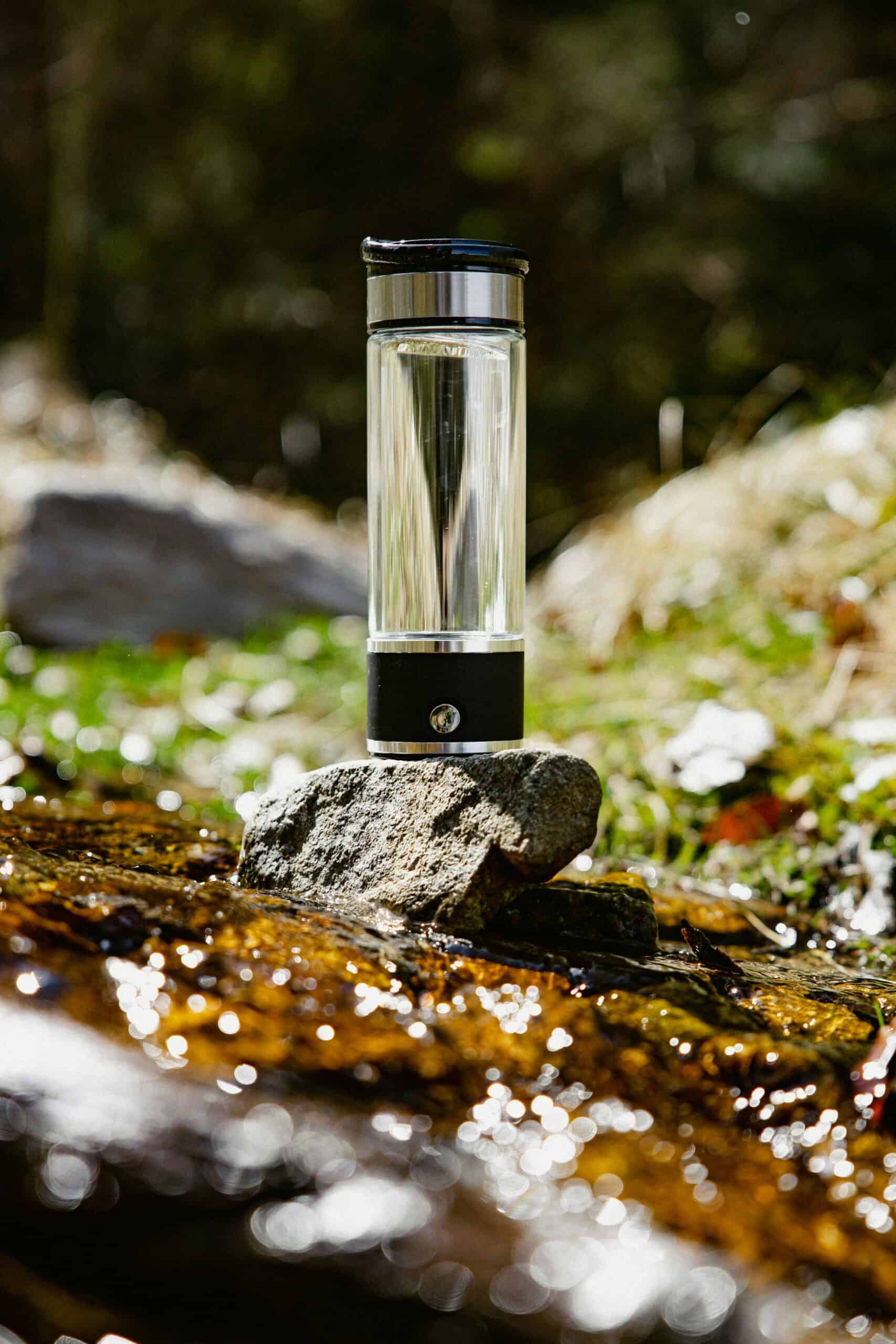
The best portable water bottles for hiking keep your water cold when you want it cold, fit in your pack side pocket without requiring a second hand to retrieve, and survive the drops, scrapes, and general abuse that trail use produces without cracking or leaking.
Most people do not think carefully about their water bottle until it fails them on the trail. A lid that requires two hands to open when your other hand is holding a trekking pole. A bottle that does not fit in your daypack’s side pocket. Water that has been sitting in a black plastic bottle in direct sunlight for three hours is now unpleasant to drink. These are fixable problems, and the fix costs $20 to $45 for a bottle you will use on hundreds of hikes.
The hiking water bottle category has genuinely improved in the past few years. Insulated stainless steel bottles keep water cold for 24 hours at a price point that was $50 two years ago and is now $25. Collapsible bottles pack flat when empty. Wide-mouth designs fill at natural water sources and clean without specialized brushes. Getting the right one for your specific hiking style is worth the 5 minutes the decision takes.
For keeping water safe from natural sources on longer trails, our guide to the best water filters for hiking covers the filtration options that pair with any water bottle for backcountry use.
What to Look for in a Hiking Water Bottle
Insulation determines how enjoyable the water is to drink after hour 4 on the trail.
Non-insulated bottles, plastic and non-insulated stainless steel, allow the water temperature inside to match the ambient temperature relatively quickly. On a hot day with direct sun exposure, that means warm to hot water within an hour or two. Insulated stainless steel vacuum bottles maintain water temperature for 12 to 24 hours, cold water stays cold for a full day hike, and hot drinks stay hot for morning trail coffee. The weight difference between an insulated and non-insulated bottle of the same size is 3 to 6 ounces, a worthwhile trade for most day hikers who prioritize drinking enjoyment over every gram.
Capacity determines how often you need to stop and refill.
Hiking water bottles range from 16 to 32 ounces in standard sizes. The general hydration guideline for hiking is 500 milliliters, approximately 17 ounces, per hour of moderate hiking in mild conditions, with more in heat and at altitude. A 32-ounce bottle provides roughly 2 hours of hydration at a standard pace, appropriate for trails with regular water sources where refilling is convenient. A 20-ounce bottle requires more frequent refilling but is lighter and fits more securely in most pack side pockets. For full-day hikes without reliable water sources, carrying two bottles or a larger hydration reservoir is more practical than a single standard bottle.
Mouth width determines how easy it is to fill and clean.
Wide-mouth bottles, typically 63mm openings, fill directly from a stream without requiring a funnel, accept ice cubes, and clean easily with a standard bottle brush. Narrow-mouth bottles, typically 38mm openings, are easier to drink from directly without spillage during activity, but require a funnel to fill from a stream and a narrow brush to clean the interior. For hiking use where stream filling is a possibility and cleaning is done at home with standard brushes, a wide-mouth is more practical for most hikers.
Lid design determines how easy it is to drink while moving.
Screw-top lids are the most secure against leaking but require stopping, unscrewing, drinking, and rescrewing, four steps that interrupt hiking momentum. Flip-top lids open with one finger and allow drinking without stopping, a genuine convenience difference on long hikes. Straw-top lids allow drinking without tilting the bottle, useful for pack hip belt bottle holders where tilting is difficult. For hikers who drink frequently on the move, a flip-top or straw-top lid makes staying hydrated significantly easier than a screw-top.
The 5 Best Portable Water Bottles for Hiking in 2026
1. Hydro Flask Standard Mouth with Flex Cap
Best Overall Hiking Water Bottle | Price: ~$35
The Hydro Flask Standard Mouth is the hiking water bottle that appears in more pack side pockets on popular trails than any other option, because it delivers the insulation performance, durability, and convenient flex cap design that most hikers need without requiring any compromise between those specifications.
Why Hydro Flask Earned Its Trail Reputation
The TempShield double-wall vacuum insulation keeps water cold for 24 hours and hot drinks hot for 12 hours, tested reliably across a wide range of ambient temperatures and sun exposure levels. The powder coat finish provides a secure grip even when the bottle is wet and provides meaningful impact protection for the steel exterior when the bottle hits rocks and trail surfaces. The Flex Cap includes a loop handle for clipping to a pack or carrying without a pack, and folds flat against the bottle when not in use, so it does not catch on pack side pockets during retrieval.
The standard mouth width sits between wide-mouth and narrow-mouth designs, wide enough to add ice and clean with a standard brush, narrow enough to drink from directly during activity without spillage. The 21-ounce size fits in most daypack side pockets while providing approximately 2 hours of hiking hydration per fill at a moderate pace. At $35, it is the best balance of price and performance on this list.
PROS:
- TempShield vacuum insulation keeps water cold for 24 hours reliably
- Powder coat finish provides grip and impact protection simultaneously
- Flex Cap loop folds flat for clean side pocket retrieval
- Standard mouth works for both direct drinking and ice addition
- 21-ounce size fits most daypack side pockets securely
- Hydro Flask lifetime warranty covers manufacturing defects
CONS:
- Heavier than non-insulated alternatives at 12.8 ounces empty
- Standard mouth is narrower than the wide-mouth for stream filling
- Higher price than non-insulated alternatives for equivalent volume
Best for: Day hikers and backpackers who want the most reliable insulated water bottle for the widest range of trail conditions, and anyone who has been frustrated by warm water after hour 2 of a hot-day hike.
2. Nalgene Wide Mouth Water Bottle
Best Budget Hiking Water Bottle | Price: ~$15
The Nalgene Wide Mouth is the hiking water bottle that has been on trails longer than most modern outdoor gear brands have existed, and it maintains its position among experienced hikers because it does the fundamentals correctly at the lowest price on this list.
Forty Years of Trail Use for a Reason
The 32-ounce wide-mouth design fills directly from any water source without a funnel, including streams, spigots, and natural pools where a narrow-mouth bottle requires careful positioning. The BPA-free Tritan plastic is shatterproof, the Nalgene survives drops onto rock surfaces that would dent stainless steel bottles and break glass alternatives. The wide mouth accepts ice, cleans with a standard bottle brush without a long-handled alternative, and allows easy visual confirmation of water level without tilting.
The honest limitation is insulation, none. The Nalgene is a plastic bottle, and the water inside reaches ambient temperature within 1 to 2 hours in warm conditions. For cold-weather hiking where temperature maintenance is not the concern, or for hikers who prioritize light weight and low cost over insulation, the Nalgene remains the most practical choice at $15.
PROS:
- Most affordable option on this list is approximately $15
- 32-ounce wide-mouth fills from any water source without a funnel
- BPA-free Tritan plastic survives drops that dent stainless steel bottles
- Shatterproof, works in conditions where glass alternatives fail
- Cleans easily with a standard bottle brush
- Nalgene lifetime guarantee against manufacturing defects
CONS:
- No insulation, water reaches ambient temperature within 1 to 2 hours in warm conditions
- Plastic exterior provides less grip than powder-coated steel in wet conditions
- Bulkier than stainless steel alternatives at equivalent volume
Best for: Budget-conscious hikers who want a durable, functional water bottle for cool-weather hiking or trail use where insulation is not the primary concern, and hikers who prioritize low weight and affordability over temperature maintenance.
3. CamelBak Chute Mag Insulated Stainless Steel Bottle
Best Insulated Hiking Water Bottle for Active Use | Price: ~$30
The CamelBak Chute Mag solves the most common frustration with hiking water bottle lids, the lid that gets lost or dropped on the trail when you open it with one hand while your other hand is holding a trekking pole.
The Magnetic Lid That Stays Attached
The Chute Mag lid uses a magnetic connection to secure the cap to the side of the bottle when open, the cap clicks magnetically against the bottle exterior and stays there while you drink, rather than dangling from the handle or requiring you to set it down. For active hikers who take frequent sips while moving, the magnetic attachment eliminates the fumbling and dropping that make standard screw-top lids frustrating during activity.
The vacuum insulation keeps water cold for 25 hours, comparable to the Hydro Flask at $5 less. The 32-ounce capacity provides 2 to 3 hours of hydration per fill at a moderate pace, appropriate for trails with regular water access. The angled chute opening allows drinking while walking without tilting the bottle as far back as a standard wide-mouth bottle requires. At $30, it is the best value insulated water bottle for active hikers on this list.
You can work out what volume you actually need to carry before deciding.
PROS:
- Magnetic lid attaches to the bottle exterior when open, no dropping or dangling while drinking
- Vacuum insulation keeps water cold for 25 hours
- 32-ounce capacity provides 2 to 3 hours of hydration per fill
- Angled chute allows drinking while walking without full bottle tilt
- $5 less than the Hydro Flask at comparable insulation performance
- CamelBak lifetime guarantee
CONS:
- Chute opening is narrower than the wide-mouth for stream filling
- Magnetic attachment can collect metal trail debris in dusty environments
- Slightly heavier than the Hydro Flask at the same volume due to the 32-ounce size
Best for: Active hikers who drink frequently while moving and want an insulated bottle with a lid design that solves the one-handed opening and cap management problem during trail use.
4. Platypus Platy 2.0L Ultralight Collapsible Bottle
Best Ultralight Collapsible Hiking Water Bottle | Price: ~$15
The Platypus Platy is the water bottle for ultralight backpackers who want a 2-liter capacity that weighs 1.1 ounces empty and packs flat when not in use, a fundamentally different value proposition from any rigid bottle on this list.
Capacity Without Weight or Bulk
A 2-liter rigid bottle weighs 12 to 18 ounces empty and occupies fixed pack volume regardless of how much water it contains. The Platypus Platy holds 2 liters at full capacity, collapses flat when empty, and weighs 1.1 ounces, allowing you to carry maximum water for water-scarce trail sections and compress the bottle completely when you find a reliable water source. For backpackers managing water carry strategically across long dry sections, the Platypus provides the capacity flexibility that no rigid bottle can match.
The BPA-free polyethylene film is tasteless and odorless, no plastic taste that some flexible water containers develop over time. The wide opening accommodates a standard water filter intake for filtering directly into the bottle from a natural source. The flat, flexible form fits into pack spaces that rigid bottles cannot occupy. At $15 it is the lowest weight-to-capacity ratio of any bottle on this list.
PROS:
- 2-liter capacity at 1.1 ounces empty, lowest weight-to-capacity ratio on this list
- Collapses flat when empty, takes no pack volume when not needed
- BPA-free polyethylene with no plastic taste or odor
- Wide opening accommodates water filter intake for direct filtering
- Fits in the pack spaces that rigid bottles cannot
- Most affordable large-capacity option at approximately $15
CONS:
- No insulation, water temperature matches ambient within 1 to 2 hours
- Less durable than rigid alternatives, puncture risk from sharp objects in the pack
- Less convenient for frequent sipping during active hiking than rigid alternatives
Best for: Ultralight backpackers who want maximum water capacity at minimum weight, and hikers crossing long, dry trail sections who need to carry more water than any single rigid bottle provides.
5. Stanley Classic Vacuum Insulated Wide Mouth Bottle
Best Durable Hiking Water Bottle | Price: ~$35
The Stanley Classic is the hiking water bottle for hikers who treat their gear hard and want a bottle that survives that treatment without developing dents that compromise the vacuum seal or handles that break off when the bottle hits a rock.
Built to Outlast Every Other Option on This List
The 18/8 stainless steel construction is heavier than comparable Hydro Flask options but handles impacts that dent lighter-gauge steel alternatives, relevant for hikers who regularly drop their bottle on rocky trails or stuff it into overfull packs. The 18-hour cold retention and 12-hour hot retention are comparable to the Hydro Flask at equivalent volume. The wide mouth accepts ice, cleans with a standard brush, and fills directly from water sources.
The Stanley lifetime guarantee goes beyond manufacturing defects, Stanley has historically honored replacement claims for impact damage and normal wear in ways that most bottle brands do not. The bottle’s design has remained largely unchanged for decades because it already works, the handle, the lid, and the steel gauge are all proven over millions of units of daily use in demanding conditions.
PROS:
- Heavier-gauge stainless steel handles impact that dent lighter alternatives
- 18-hour cold retention and 12-hour hot retention
- Wide mouth for ice, stream filling, and easy cleaning
- Stanley lifetime guarantee covers more than manufacturing defects
- Design proven over decades of demanding daily use
- Handle allows easy carrying without a pack
CONS:
- Heavier than Hydro Flask at equivalent volume, 15.5 ounces empty for 36-ounce version
- Wider body may not fit all daypack side pockets designed for narrower bottles
- Less refined finish than Hydro Flask powder coat
Best for: Hikers who drop their gear regularly and want the most impact-resistant insulated hiking bottle available, and anyone who prioritizes durability and a lifetime guarantee over minimum weight.
Quick Comparison: Best Portable Water Bottles for Hiking 2026
| Bottle | Price | Capacity | Insulation | Weight Empty | Score |
|---|---|---|---|---|---|
| Hydro Flask Standard Mouth | ~$35 | 21 oz | 24 hr cold | 12.8 oz | 9.4 |
| CamelBak Chute Mag | ~$30 | 32 oz | 25 hr cold | 14.5 oz | 9.2 |
| Nalgene Wide Mouth | ~$15 | 32 oz | No | 6.2 oz | 9.1 |
| Stanley Classic | ~$35 | 36 oz | 18 hr cold | 15.5 oz | 9.0 |
| Platypus Platy 2.0L | ~$15 | 68 oz | No | 1.1 oz | 8.8 |
Our Verdict
For most day hikers, the Hydro Flask Standard Mouth at $35 is the right bottle, the 24-hour insulation, flex cap design, and side-pocket-friendly size make it the most practical all-around hiking water bottle. For hikers who drink frequently while moving and want a lid that stays attached when open, the CamelBak Chute Mag at $30 is worth the consideration, the magnetic lid design solves a real trail frustration at $5 less than the Hydro Flask.
Budget hikers and those hiking in cool conditions where insulation is not a priority should go with the Nalgene at $15, its shatterproof wide-mouth design at the lowest price on this list is a proven combination. For heavy-handed hikers who prioritize durability over weight, the Stanley at $35 handles impacts that damage lighter alternatives. And for ultralight backpackers who need maximum water capacity at minimum weight, the Platypus Platy at $15 is in a completely different category from any rigid bottle on this list.
Frequently Asked Questions: Best Portable Water Bottles for Hiking
What is the best water bottle for hiking in 2026? The Hydro Flask Standard Mouth with Flex Cap is the best overall hiking water bottle, 24-hour cold insulation, a side-pocket-friendly size, and a flex cap that folds flat for clean pack retrieval make it the most practical all-around option at $35. For hikers who want a magnetic lid that stays attached during one-handed drinking, the CamelBak Chute Mag at $30 is the best alternative.
How much water should I carry for hiking? The standard guideline is 500 milliliters, approximately 17 ounces, per hour of moderate hiking in mild conditions. Adjust upward in heat, 750 milliliters to 1 liter per hour in temperatures above 80 degrees Fahrenheit. Adjust upward at altitude, dehydration accelerates significantly above 8,000 feet due to increased respiration rate and reduced humidity. For trails with reliable water sources every 2 to 3 miles, a 32-ounce bottle with a water filter provides sufficient hydration without carrying more water than necessary.
More Questions About Hiking Water Bottles
How do I clean a hiking water bottle? Wash with warm soapy water after every use, soap and a bottle brush remove residue before it develops into mold or biofilm. For insulated bottles, never put the full bottle in a dishwasher, the high heat and water pressure compromise the vacuum seal that provides insulation. Most lids and caps are dishwasher safe on the top rack, check manufacturer instructions for your specific lid. For deep cleaning after extended use, fill with a mixture of water and baking soda, let sit for 30 minutes, and rinse thoroughly. For mold or persistent odors, use a solution of water and white vinegar for 2 to 3 hours before rinsing.
Is a water bottle or a hydration reservoir better for hiking? A hydration reservoir, a flexible bladder with a drinking tube that mounts inside your pack, allows hands-free drinking without stopping or retrieving a bottle. For fast-paced hiking or trail running where stopping to drink is impractical, a reservoir is more convenient. A water bottle allows you to see exactly how much water you have remaining, is easier to fill at water sources, easier to clean, and eliminates the risk of a leaking tube soaking your pack contents. For most casual day hiking, a bottle is more practical. For long-distance running and fast hiking where constant hydration without stopping matters, a reservoir has a practical advantage.
More Camping Guides
Capacity should follow the route rather than the bottle. Planning water by hours and conditions covers sizing it.
