
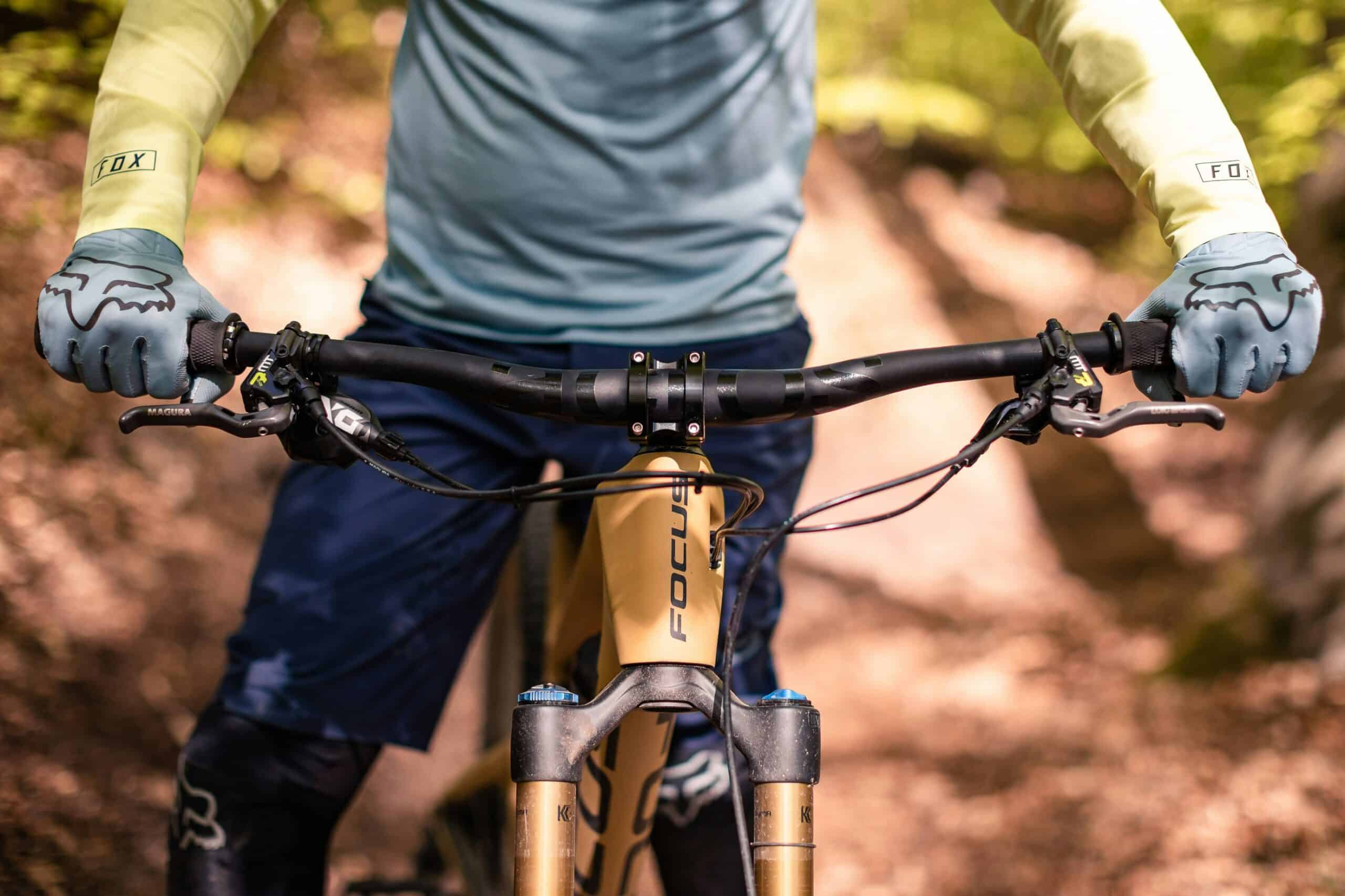
Grip, protection, and control all run through the hands on a mountain bike, which is exactly why the best mountain bike gloves matter more than riders new to the sport often expect. A good pair of MTB gloves improves grip on the bars, cushions the buzz and impact of rough trail, protects the hands in a fall, and helps maintain control through technical terrain. The right gloves fit well, suit your riding style, and match the conditions you ride in.
Mountain bike gloves fall into a few broad types. Full-finger gloves cover the whole hand and are standard for trail and mountain riding, offering protection and grip. Lightweight gloves prioritize ventilation and a thin, connected feel for the bars. More protective gloves add padding and reinforcement for aggressive or technical riding. Match the gloves to your riding style and conditions rather than buying based on price alone.
Below are five mountain bike glove picks covering different riding styles and price points. Each pick balances grip, protection, and value rather than relying on marketing claims.
Why Mountain Bike Gloves Matter
The hands are a rider’s main connection to a mountain bike. Grip, braking, shifting, and steering all happen through the hands on the bars, and anything that improves that connection improves control. Mountain bike gloves are not a minor accessory, since they directly affect how securely and comfortably a rider holds and controls the bike.
Gloves improve grip and reduce hand fatigue. A good glove provides a better, more secure grip on the handlebars than bare hands, especially when hands get sweaty or trail conditions are rough, and the padding cushions the constant vibration and small impacts of trail riding. This reduces hand fatigue on longer rides, helping a rider stay in control.
Protection is the other major reason. Mountain biking carries a real risk of falls, and the hands are very often what hits the first thing to hit the ground. Gloves protect the palms and fingers from scrapes and abrasion in a crash and from trail-side brush and branches during a ride. For a sport where hand contact with the ground is common, this protection genuinely matters. Pair good gloves with the rest of your trail kit, and see our hiking gloves guide for how glove needs differ across outdoor activities.
What to Look for in Mountain Bike Gloves
Five factors separate genuine quality MTB gloves from disappointing ones. Get these right, and your gloves improve grip, comfort, and protection.
Fit
Fit is the most important factor. Gloves should fit snugly without being tight, with no excess material bunching in the palm, since a poor fit reduces grip and bar feel. Try to match the glove size to your hands, and consider that fit affects everything else the glove does.
Grip and Palm
The palm should provide a secure grip on the handlebars, often through grippy palm materials or textures. A good grip is central to control. Consider the palm material and how well it grips, especially since hands get sweaty during rides.
Protection and Padding
Gloves vary in protection. Some have minimal padding for a connected bar feel, others add palm padding to cushion vibration, and more protective gloves include knuckle or finger reinforcement. Consider your riding style and how much protection and padding you want.
Ventilation
Hands get hot and sweaty during rides, so ventilation matters for comfort. Breathable materials and ventilated designs keep hands cooler and drier. Consider the climate you ride in and how much ventilation you need.
Full-Finger vs Other Designs
Full-finger gloves are standard for mountain biking, covering the whole hand for protection from falls and trail brush. Consider that full-finger coverage is generally preferred for trail and mountain riding, and choose based on the protection your riding calls for.
Best Mountain Bike Gloves in 2026: Our Top 5 Picks
Five mountain bike gloves covering different riding styles and price points. Each pick earned its slot through real grip, protection, and value.
1. Fox Ranger Mountain Bike Gloves, Best Overall
Best Overall | Price: ~$28 per pair
Fox Ranger Mountain Bike Gloves take the top slot by balancing grip, protection, comfort, and value in a way that suits most trail riders. The full-finger gloves provide secure bar grip, sensible protection, and good comfort, without being overbuilt for aggressive riding or too minimal for trail use. Fox is a well-established name in mountain bike gear, and the Ranger is a popular, trusted trail glove.
The all-around balance is the standout. The gloves offer a grippy palm for secure bar control, a thin enough construction to maintain good bar feel, and adequate protection for trail riding, hitting the middle ground that most riders actually want. They are full-finger for fall and brush protection, and the fit and feel suit everyday trail riding well.
The Ranger gloves are breathable for comfort on warm rides and durable enough for regular trail use, and they come in a range of sizes and styles. For most mountain bikers who want a capable, well-rounded trail glove from a trusted brand, the Fox Ranger is the sensible default. At around $28, it delivers balanced performance at a fair price. Cross-reference with our trail running shoes guide for more trail gear.
Key Features
- Full-finger trail glove design
- Grippy palm for secure bar control
- Thin enough for a good bar feel
- Breathable for warm rides
- Range of sizes and styles
PROS:
- Well-balanced for most trail riders
- Secure grip and good bar feel
- Sensible trail protection
- Breathable and comfortable
- Trusted mountain bike brand
CONS:
- Not the most protective for aggressive riding
- Minimal padding by design
- Not the lightest ventilated option
- Mid-range rather than budget price
Best for: Most trail riders, those wanting a balanced all-around glove, and everyday mountain biking from a trusted brand.
2. Lightweight Ventilated MTB Gloves, Best for Hot Weather
Best for Hot Weather | Price: ~$25 per pair
Lightweight, ventilated MTB gloves serve riders who ride in hot conditions and want maximum airflow. In warm weather, hands get hot and sweaty, which is uncomfortable and can reduce grip. Lightweight gloves with heavy ventilation keep hands cooler and drier, making hot-weather rides more comfortable while still providing the grip and protection of a full-finger glove.
The ventilation is the key feature. Breathable, mesh-heavy construction lets air flow through the glove, drawing heat and moisture away from the hands. For riders in hot climates or summer riding, this airflow makes a real comfort difference, keeping hands from becoming sweaty and slippery on the bars during a long, warm ride.
The gloves remain full-finger for trail protection and provide a grippy palm, just in a lighter, more ventilated package. The trade-off is that lightweight ventilated gloves prioritize airflow over padding and warmth, so they offer minimal cushioning and suit warm rather than cold conditions. For hot-weather mountain biking, the lightweight ventilated gloves deliver cool comfort. Cross-reference with our water filters guide for staying hydrated on hot-weather outings.
Key Features
- Lightweight, heavily ventilated design
- Mesh construction for airflow
- Keeps hands cooler and drier
- Full-finger trail protection
- Grippy palm
PROS:
- Excellent ventilation for hot rides
- Keeps hands cool and dry
- Maintains grip when hands would otherwise sweat
- Full-finger protection retained
- Comfortable summer glove
CONS:
- Minimal padding
- Suits warm rather than cold conditions
- Less durable than heavier gloves
- Prioritizes airflow over protection
Best for: Hot-weather riders, summer mountain biking, warm climates, and those who want maximum hand ventilation.
3. Basic Full-Finger MTB Gloves, Best Budget
Best Budget | Price: ~$15 per pair
Basic full-finger MTB gloves deliver genuine functional hand protection and grip at the lowest credible price point. For budget-conscious riders, those new to mountain biking, or anyone who simply wants working gloves without significant investment, the basic gloves provide credible function affordably. They handle the core jobs of grip and protection.
The gloves provide the fundamental function. Full-finger coverage protects the hands from falls and trail brush, and the palm provides grip on the bars, the essential things a mountain bike glove must do. For a rider getting into the sport or wanting an affordable spare pair, the basic gloves cover the basics at a low price.
The trade-offs match the budget tier honestly. Basic gloves are functional rather than refined, with simpler materials, less ventilation, and a fit and feel that may not match higher-tier gloves. Durability may be lower as well. For budget-conscious riders and those new to the sport, the basic gloves deliver genuine value. For better fit, ventilation, and durability, the higher-tier gloves are worth the step up.
Key Features
- Full-finger coverage
- Protects hands from falls and brushes
- Palm grip for bar control
- Simple functional design
- Lowest price for MTB gloves
PROS:
- Lowest cost for functional MTB gloves
- Full-finger protection
- Provides a bar grip
- Good for those new to the sport
- Affordable spare pair
CONS:
- Functional rather than refined
- Simpler materials and less ventilation
- Fit and feel below higher-tier gloves
- Lower durability
Best for: Budget-conscious riders, those new to mountain biking, spare gloves, and basic grip and protection.
4. Padded Protection MTB Gloves, Best for Technical Riding
Best for Technical Riding | Price: ~$40 per pair
Padded protection MTB gloves serve riders tackling technical, aggressive, or rough terrain where extra protection is genuinely valuable. With added palm padding and often knuckle or finger reinforcement, these gloves provide more cushioning and protection than standard trail gloves, suited to demanding riding where falls and impacts are more likely.
The added protection is the key feature. Extra palm padding cushions the harder vibration and impacts of rough technical terrain, reducing hand fatigue, while knuckle or finger reinforcement adds protection against rocks, branches, and the ground in aggressive riding. For riders pushing into technical terrain, this extra protection addresses real risks.
The gloves remain full-finger and provide grip, just in a more protective, substantial package. The trade-off is that more padding and protection mean a slightly less thin, connected bar feel than minimal gloves, and the gloves cost more. For riders on technical, aggressive, or rough terrain, the padded protection gloves deliver the cushioning and protection that riding demands. Cross-reference with our trail running shoes guide for more rugged-terrain gear.
Key Features
- Added palm padding
- Knuckle or finger reinforcement
- More protection than standard gloves
- Cushions rough terrain impacts
- Full-finger coverage
PROS:
- Extra protection for technical riding
- Padding cushions for rough terrain
- Knuckle and finger reinforcement
- Reduces hand fatigue on rough trails
- Suited to aggressive riding
CONS:
- Less thin, connected bar feel
- More than casual trail riding needs
- Higher price
- Heavier and warmer
Best for: Technical and aggressive riding, rough terrain, and riders wanting extra hand protection and padding.
5. Cold-Weather MTB Gloves, Best for Cold Conditions
Best for Cold Conditions | Price: ~$35 per pair
Cold-weather MTB gloves serve riders who ride through cold seasons and need to keep their hands warm. Cold hands lose dexterity and grip, which affects control and makes riding uncomfortable or even unsafe. Cold-weather mountain bike gloves add insulation and wind protection to keep hands warm enough to ride well when temperatures drop.
The warmth is the key feature. Insulated, often wind-resistant construction keeps hands warm against cold air and the wind chill of riding, preserving the dexterity and grip that cold hands lose. For riders who do not stop riding when the weather turns cold, warm hands are essential for both control and enjoyment.
The gloves remain full-finger with grip and trail protection, just in a warmer, more insulated package. The trade-off is that cold-weather gloves are warmer and often thicker, suiting cold conditions specifically rather than warm-weather riding, where they would be too hot. For cold-season mountain biking, the cold-weather gloves deliver the warmth that keeps hands functional. Cross-reference with our hiking gloves guide for cold-weather hand protection across activities.
Key Features
- Insulated for cold-weather warmth
- Often wind-resistant
- Preserves dexterity in cold
- Full-finger with grip and protection
- Suited to cold-season riding
PROS:
- Keeps hands warm in cold conditions
- Preserves grip and dexterity
- Wind protection against riding chill
- Full-finger trail protection retained
- Extends the riding season
CONS:
- Too warm for hot-weather riding
- Thicker, less connected bar feel
- Suits cold conditions specifically
- A seasonal rather than year-round glove
Best for: Cold-season riders, cold climates, those who ride year-round, and keeping hands warm and functional.
Quick Comparison
| Gloves | Best For | Standout | Conditions | Price |
|---|---|---|---|---|
| Fox Ranger | Overall use | Balanced all-around | General trail | ~$28 |
| Lightweight Ventilated | Hot weather | Heavy ventilation | Warm and hot | ~$25 |
| Basic Full-Finger | Budget | Low price | General trail | ~$15 |
| Padded Protection | Technical riding | Extra padding | Rough terrain | ~$40 |
| Cold-Weather Gloves | Cold conditions | Insulation | Cold seasons | ~$35 |
How to Choose and Use Mountain Bike Gloves
Prioritize fit. Fit is the most important factor in a mountain bike glove, since it affects grip, bar feel, and comfort. Gloves should fit snugly without being tight, with no excess material bunching in the palm. Match the glove to your hand size, and recognize that a good fit is what lets the glove do everything else well.
Match the gloves to your conditions. Hot-weather riders need ventilated gloves, cold-season riders need insulated ones, and many riders benefit from having both for different seasons. Consider the climate and seasons you ride in, and choose gloves suited to those conditions for comfort and proper hand function.
Match the protection to your riding style. Casual trail riding is well served by a balanced all-around glove, while technical and aggressive riding benefits from added padding and reinforcement. Honestly, consider the terrain and style you ride, and choose the level of protection that matches.
Care for your gloves. Mountain bike gloves get sweaty and dirty, so wash them according to their care instructions to keep them fresh, functional, and lasting. Clean gloves grip better and are more pleasant to wear, and proper care extends their useful life. Cross-reference with our trail running shoes guide for caring for trail gear.
Our Take on Mountain Bike Glove Investment
Fox Ranger Mountain Bike Gloves earn the top spot because they balance grip, protection, comfort, and value in a way that suits most trail riders. For everyday mountain biking, this is the glove that delivers secure bar control, sensible protection, and good comfort from a trusted brand, the well-rounded choice for the majority of riders.
Other gloves suit specific situations. The lightweight ventilated gloves keep hands cool for hot-weather riding. The basic full-finger gloves deliver functional grip and protection on a budget. The padded protection gloves provide extra cushioning and reinforcement for technical, aggressive riding. The cold-weather gloves keep hands warm for cold-season riding.
Whatever you choose, prioritize fit above all, since fit determines grip and bar feel, and match the gloves to your conditions and riding style. Many riders end up with more than one pair for different seasons. Care for your gloves to keep them performing. A well-chosen pair of mountain bike gloves improves grip, comfort, control, and protection on every ride.
Frequently Asked Questions
What are the best mountain bike gloves?
The best mountain bike gloves are the Fox Ranger for overall use, lightweight ventilated gloves for hot weather, basic full-finger gloves for budget, padded protection gloves for technical riding, and cold-weather gloves for cold conditions. Match the gloves to your riding style, the conditions you ride in, and a good, snug fit.
Do I need gloves for mountain biking?
Gloves are highly recommended for mountain biking. They improve grip on the handlebars, cushion trail vibration, reduce hand fatigue, and protect the hands from scrapes in a fall and from trail brush, and the hands very often hit the ground first in a crash. While not strictly required, gloves meaningfully improve grip, comfort, control, and protection.
Should mountain bike gloves be full-finger?
Full-finger gloves are standard and generally preferred for mountain biking, since they cover the whole hand for protection from falls, trail brush, and branches. Mountain biking involves rough terrain and a real risk of falls, where full-finger coverage protects better. For trail and mountain riding, full-finger gloves are the typical and recommended choice.
How should mountain bike gloves fit?
Mountain bike gloves should fit snugly without being tight, with no excess material bunching in the palm, since a poor fit reduces grip and bar feel. The gloves should feel secure and allow free hand movement and good dexterity. Fit is the most important factor in a glove, so match the glove size carefully to your hands.
What gloves are best for hot-weather riding?
For hot-weather riding, lightweight, ventilated gloves with breathable, mesh-heavy construction are best. They let air flow through to keep hands cooler and drier, which is more comfortable and helps maintain grip when hands would otherwise get sweaty. They remain full-finger for protection while prioritizing airflow, making them well-suited to summer and hot-climate riding.
Do mountain bike gloves need padding?
It depends on your riding. Some riders prefer minimal padding for a thin, connected bar feel, while others want palm padding to cushion vibration and reduce hand fatigue, especially on rough terrain. Technical and aggressive riding benefits from more padding and reinforcement. Consider your terrain and preference, and choose the padding level that suits your riding style.
How do I wash mountain bike gloves?
Wash mountain bike gloves according to their specific care instructions, since materials vary. Gloves get sweaty and dirty, so regular washing keeps them fresh, functional, and lasting. Clean gloves also grip better and are more pleasant to wear. Following the care instructions for your particular gloves and letting them dry properly extends their useful life.
Can I use the same gloves year-round?
You can, but many riders use different gloves for different seasons. Lightweight ventilated gloves suit hot weather, while insulated cold-weather gloves keep hands warm and functional when temperatures drop. A single all-around glove works across moderate conditions, but riders in climates with hot summers and cold winters often benefit from having gloves suited to each.
More Outdoor Guides
Before your next ride, it is worth comparing clipless and flat pedals to match your style.
