
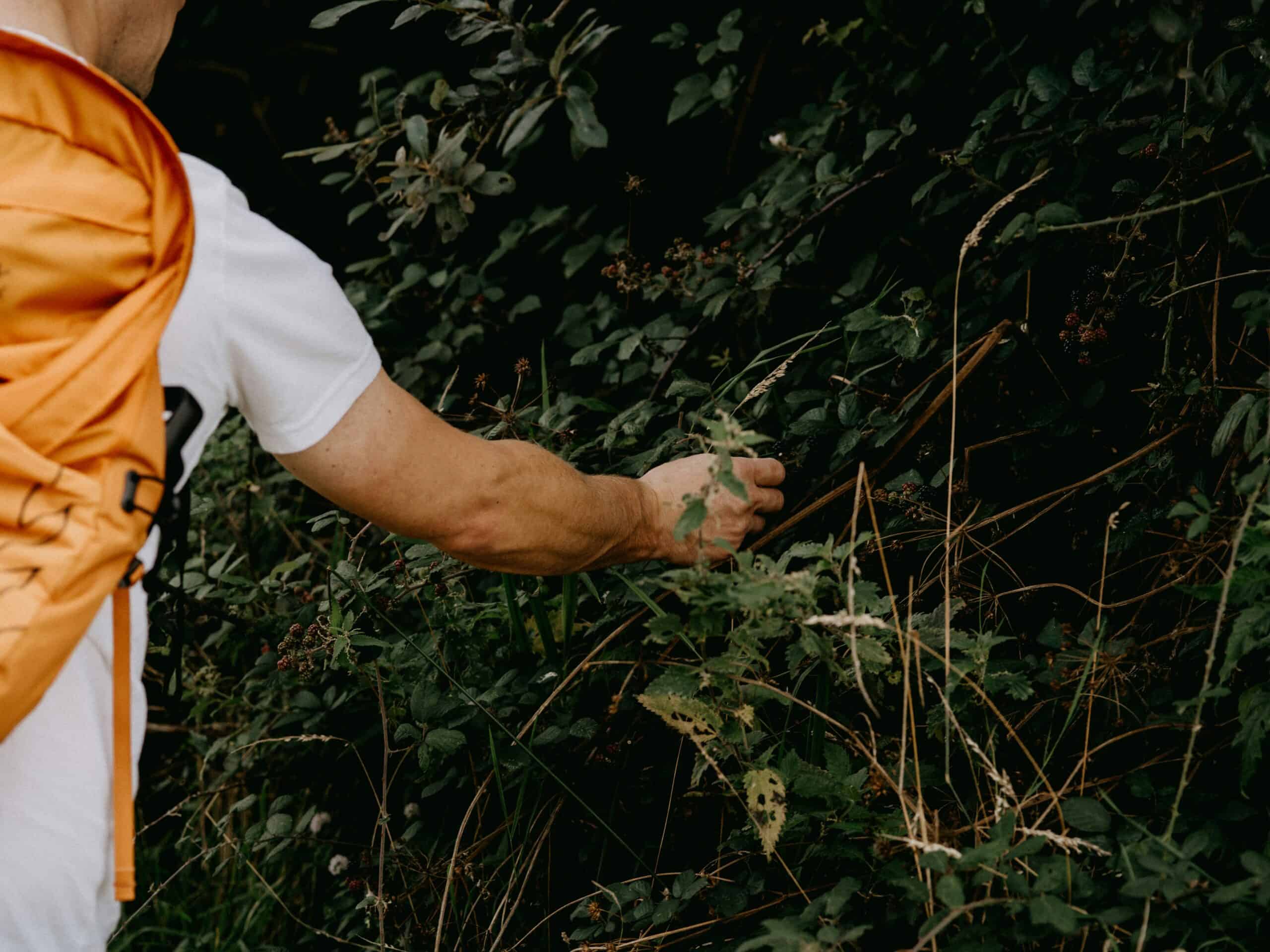
The Bug Problem Is Also a Health Problem
Mosquitoes and ticks are not simply an annoyance on trail, they are disease vectors. Lyme disease, transmitted by black-legged ticks, is the most common vector-borne disease in the United States, with an estimated 476,000 cases annually according to the CDC. West Nile virus, transmitted by mosquitoes, causes severe neurological disease in a subset of infected individuals. Rocky Mountain spotted fever, anaplasmosis, and ehrlichiosis round out the tick-borne illness list that makes adequate protection a health decision rather than a comfort preference.
The repellent options range from DEET at high concentrations, the most researched and most effective broad-spectrum repellent available, to picaridin, a synthetic compound developed by Bayer as a DEET alternative with comparable efficacy and better skin feel, to plant-based options including oil of lemon eucalyptus that the CDC recognizes as effective against both mosquitoes and ticks. Each has a specific profile of duration, skin compatibility, and appropriate application context. Getting the match right determines whether you return from a trail comfortably or spend two weeks on antibiotics.
For complete trail safety coverage, our guide to the best hiking first aid kits covers the first aid tools that handle the medical response side of trail incidents that repellent helps prevent.
What to Look for in Bug Repellent for Hiking
Active ingredient and concentration determine both effectiveness and duration. DEET at 20 to 30 percent provides six to eight hours of protection against mosquitoes and ticks, adequate for most day hikes. DEET above 30 percent provides minimal additional protection duration but increases skin irritation risk. Picaridin at 20 percent provides comparable eight-hour protection with better skin tolerance and no plastic-degrading properties. Oil of lemon eucalyptus provides six hours of protection and is the only plant-based ingredient the CDC recommends for tick protection specifically.
Tick protection requires specific attention because ticks climb rather than fly, they transfer from vegetation to clothing and crawl upward before attaching to skin. Clothing-applied permethrin treats fabric rather than skin and provides the most effective tick barrier available. Used alongside skin-applied DEET or picaridin, permethrin-treated clothing and skin repellent create a two-layer protection system that significantly outperforms either alone for tick prevention in high-risk environments.
Duration matters for multi-day use. Long-duration formulations, some DEET products claim 12-hour protection, allow fewer reapplications during extended trail days. However, sweat, water contact, and wiping degrade all repellents faster than the label duration suggests under trail conditions. Reapplication every four to six hours is practical regardless of label duration for hikers in wet or high-exertion conditions.
Best Bug Repellent for Hiking in 2026: Our Top 5 Picks
1. Sawyer Products Premium Insect Repellent, Best Overall
Best Overall | Price: ~$8
Sawyer’s 20 percent picaridin formula earns the top spot through the combination of CDC-recommended efficacy against mosquitoes and ticks, eight-hour protection duration, and the significant skin-feel advantage that picaridin provides over DEET alternatives at comparable concentration. Picaridin does not degrade plastics, synthetic fabrics, or outdoor equipment, a practical advantage for hikers who apply repellent before handling trekking poles, watch bands, and synthetic rain jacket materials that DEET degrades over repeated contact.
Sawyer Picaridin, Comparable DEET Efficacy Without the Plastic-Degrading Properties
The picaridin formula feels lighter on skin than DEET, less greasy, less odorous, and less likely to cause the skin irritation that high-concentration DEET produces in sensitive-skinned users. Efficacy against ticks specifically is comparable to 30 percent DEET at the 20 percent picaridin concentration, the relevant comparison for Lyme disease risk areas. At approximately $8 for the pump spray, Sawyer delivers professional-grade repellent efficacy at a price that makes reapplication throughout the day financially trivial. Children need different concentrations, which our kids hiking gear guide covers.
Best for: Most hikers in mosquito and tick habitat who want maximum efficacy with better skin tolerance and equipment compatibility than DEET provides, the practical default for regular trail use.
PROS:
- 20% picaridin with CDC-recommended efficacy against mosquitoes and ticks
- Eight-hour protection duration
- Does not degrade plastics, synthetic fabrics, or outdoor equipment
- Better skin feel than DEET, less greasy and less irritating
- Accessible price at approximately $8
CONS:
- Less widely available than DEET alternatives in small convenience stores
- Pump spray format less practical than aerosol for quick reapplication
- Eight-hour duration degrades faster under sweat and water contact
2. OFF! Deep Woods Insect Repellent, Best DEET Option
Best DEET | Price: ~$7
OFF! Deep Woods VII uses 25 percent DEET, the concentration that produces the best efficacy-to-irritation balance in the DEET range, and has decades of field validation across every mosquito and tick habitat in North America. The aerosol application format provides faster and more even coverage than pump spray, which matters when mosquito pressure is high, and the speed of application determines the number of bites received before coverage is complete. At approximately $7, OFF! Deep Woods is the most widely available quality repellent on this list, found in convenience stores, gas stations, and supermarkets along most trailhead access routes.
OFF! Deep Woods VII, Decades of Validation in Every North American Insect Habitat
The DEET formulation’s primary advantage is that it is the most researched repellent chemistry available, with efficacy data spanning 70 years of use across diverse geographic and insect pressure conditions. For hikers in areas with confirmed high Lyme disease prevalence, the Northeast, upper Midwest, and Pacific Northwest, DEET’s documented tick repellency track record provides confidence that newer alternatives lack despite comparable efficacy claims. Repellent has limits in heavy bug pressure, and a head net is what works when it stops being enough.
Best for: Hikers who prefer the most researched and field-validated repellent chemistry, anyone in high Lyme disease risk areas who wants the longest track record of documented tick repellency.
PROS:
- 25% DEET at the optimal efficacy-to-irritation concentration
- Aerosol format for fast, even application coverage
- Most widely available repellent on this list
- Seven-hour protection duration
- Decades of documented efficacy against North American mosquitoes and ticks
CONS:
- Degrades plastics and synthetic fabrics on contact, requires care with gear
- Stronger odor than picaridin alternatives
- Can cause skin irritation in sensitive users or with excessive application
3. Sawyer Products Permethrin Clothing Treatment, Best for Tick Prevention
Best for Tick Prevention | Price: ~$15
Permethrin is not applied to skin, it is sprayed onto clothing and gear, where it binds to fabric fibers and remains effective through six to eight washes. The mechanism is different from skin repellents: permethrin kills ticks on contact with treated fabric rather than repelling them from approach. A tick that climbs treated pants from the ground dies before reaching skin, eliminating the attachment that transmits Lyme disease, Rocky Mountain spotted fever, and other tick-borne illnesses. The combination of permethrin-treated clothing alongside skin-applied picaridin or DEET provides the most complete tick protection system available.
Sawyer Permethrin, The Two-Layer System That Outperforms Single Repellent Use
The efficacy difference between permethrin-treated clothing alone and permethrin plus skin repellent combined is significant. Treated clothing alone reduces tick encounters substantially. Adding skin repellent to exposed skin areas where clothing does not cover, ankles, arms, neck, produces protection approaching complete tick barrier function in most field conditions. For hiking in confirmed high-tick-pressure environments during peak season, this two-layer approach is worth the combined cost of both products. At approximately $15 for a spray that treats multiple garments per bottle, permethrin is one of the highest-return trail safety investments available per dollar spent.
Best for: Hikers in high-tick-pressure environments who want the most complete tick protection system available, anyone hiking through tall grass, leaf litter, and brushy areas during peak tick activity season.
PROS:
- Kills ticks on contact with treated fabric rather than repelling from approach
- Effective through six to eight washes, long-term treatment per application
- Combines with skin repellent for the most complete tick protection system
- Odorless after drying, no ongoing scent from treated clothing
- Accessible price at approximately $15
CONS:
- Not applied to skin, requires skin repellent for exposed area coverage
- Requires a 24-hour drying time before wearing treated clothing
- Must be reapplied after six to eight washes
4. Repel Plant-Based Lemon Eucalyptus, Best Natural Option
Best Natural | Price: ~$10
Oil of lemon eucalyptus, not to be confused with lemon eucalyptus essential oil, is the only plant-derived active ingredient that the CDC recommends for protection against both mosquitoes and ticks. The repellent mechanism is different from DEET and picaridin, but the efficacy outcome is comparable for both insect types when applied correctly. Six hours of protection make it suitable for day hikes with planned reapplication. The plant-based origin suits hikers who specifically avoid synthetic chemistry but should not be confused with essential oil-based repellents that lack the CDC endorsement.
Best for: Hikers who specifically prefer plant-derived repellent chemistry, anyone who wants CDC-recognized tick and mosquito protection without synthetic active ingredients.
PROS:
- Only plant-based active ingredient with CDC tick repellency recognition
- Six-hour protection duration against both mosquitoes and ticks
- No synthetic chemistry, plant-derived active ingredient
- Pleasant citrus-adjacent scent compared to DEET
- Accessible price at approximately $10
CONS:
- Not recommended for children under three
- Six-hour duration shorter than DEET and picaridin alternatives
- Less widely researched over time than DEET despite comparable efficacy claims
5. Thermacell Radius Zone Mosquito Repellent, Best for Camp Use
Best for Camp | Price: ~$30
Thermacell takes a completely different approach, rather than applying repellent to the body, it creates a 15-foot protection zone around the device through metofluthrin diffused into the ambient air by a battery-heated mat. This ambient zone protection suits stationary use, camp setup, lunch breaks, and rest stops, where applying and reapplying skin repellent every four to six hours creates friction that most hikers underperform on. It does not substitute for skin repellent during active hiking where movement takes the hiker through untreated air, but it meaningfully reduces exposure during the stationary hours when mosquito pressure compounds.
Best for: Camp-based mosquito protection during the stationary hours of a hiking trip, anyone whose most significant mosquito exposure occurs during camp setup, meals, and evening rest rather than during active hiking movement.
PROS:
- 15-foot ambient protection zone without skin application
- Eliminates the reapplication requirement during stationary camp periods
- No skin contact, suits users with skin sensitivity to topical repellents
- Rechargeable battery system for multi-day use
- Effective in calm air conditions during peak mosquito activity hours
CONS:
- Not effective during active hiking, zone protection requires stationary use
- No tick protection, mosquito only
- Requires refill mats for extended trips, ongoing consumable cost
- Wind reduces the protection zone’s effectiveness significantly
Quick Comparison: Best Bug Repellent for Hiking 2026
| Repellent | Price | Active Ingredient | Duration | Best For | Score |
|---|---|---|---|---|---|
| Sawyer Picaridin | ~$8 | 20% Picaridin | 8 hrs | Best overall | 9.2 |
| Sawyer Permethrin | ~$15 | Permethrin | 6-8 washes | Tick prevention | 9.1 |
| OFF! Deep Woods | ~$7 | 25% DEET | 7 hrs | Best DEET | 9.0 |
| Thermacell Radius | ~$30 | Metofluthrin | Zone-based | Camp use | 8.9 |
| Repel Lemon Eucalyptus | ~$10 | OLE | 6 hrs | Natural option | 8.7 |
Our Verdict on the Best Bug Repellent for Hiking
Sawyer Picaridin at $8 is the practical default for most hikers, CDC-recommended tick and mosquito efficacy, eight-hour duration, and better skin tolerance and equipment compatibility than DEET without any meaningful efficacy trade-off. For hikers in confirmed high-tick-pressure environments during peak season, adding Sawyer Permethrin-treated clothing to the Sawyer Picaridin creates the two-layer system that outperforms either product alone.
OFF! Deep Woods at $7 is the right choice for hikers who specifically want the most field-validated chemistry and the widest availability, DEET’s seven decades of use produces a confidence level in proven conditions that newer alternatives cannot match with fewer years of documented real-world data. The Thermacell Radius at $30 addresses the camp hours specifically, reducing mosquito exposure during the stationary periods where ambient zone protection outperforms reapplication-dependent skin repellents. And Repel Lemon Eucalyptus at $10 serves hikers who specifically require plant-based chemistry with CDC tick recognition rather than a marketing claim of natural protection without the efficacy to support it.
Frequently Asked Questions: Best Bug Repellent for Hiking
Is DEET or picaridin better for hiking?
Both the CDC and EPA recognize DEET and picaridin as effective against mosquitoes and ticks at appropriate concentrations. The practical differences favor picaridin for most hikers, it does not degrade plastics or synthetic gear, feels less greasy on skin, and produces less odor. DEET’s advantage is wider availability and a longer documented efficacy record. For hikers without skin sensitivity and without gear degradation concerns, the choice between 25 percent DEET and 20 percent picaridin is a preference rather than a meaningful efficacy difference.
How do I protect against ticks specifically?
The most effective tick protection combines permethrin-treated clothing with skin-applied DEET or picaridin on exposed areas. Walk in the center of trails to avoid brushing vegetation where ticks wait. Tuck pants into socks and shirts into pants to eliminate fabric gaps. Perform a thorough tick check within two hours of leaving tick habitat, paying attention to the scalp, behind ears, armpits, groin, and back of knees where ticks preferentially attach. Shower within two hours of potential exposure. Remove any attached tick promptly with fine-tipped tweezers.
How often should I reapply bug repellent on the trail?
Label directions specify the maximum effective duration under ideal conditions. Trail conditions, sweating, water contact, wiping, degrade repellents faster than laboratory testing suggests. A practical reapplication schedule is every four to six hours under active hiking conditions, regardless of label duration claims. Reapply immediately after swimming or significant sweating that visibly removes the repellent film from the skin surface.
Are natural bug repellents effective against ticks?
Most essential oil-based natural repellents, citronella, lavender, peppermint, provide minimal documented tick protection and are not recommended for tick-heavy environments. Oil of lemon eucalyptus at an appropriate concentration is the specific exception, the CDC recognizes it as effective against ticks and recommends it alongside DEET and picaridin. Product labels that list OLE as an active ingredient at the concentration used in products like Repel Lemon Eucalyptus provide real tick protection. Products that simply list lemon eucalyptus essential oil do not.
Can I use bug spray on children for hiking?
DEET is safe for children over two months of age at concentrations up to 30 percent according to the American Academy of Pediatrics. Picaridin is safe for children over two months. Oil of lemon eucalyptus is not recommended for children under three. Apply repellent to children’s clothing and exposed skin rather than having children apply it themselves. Avoid applying to hands that will contact the eyes or mouth. Wash repellent off children’s skin when returning from the trail.
