
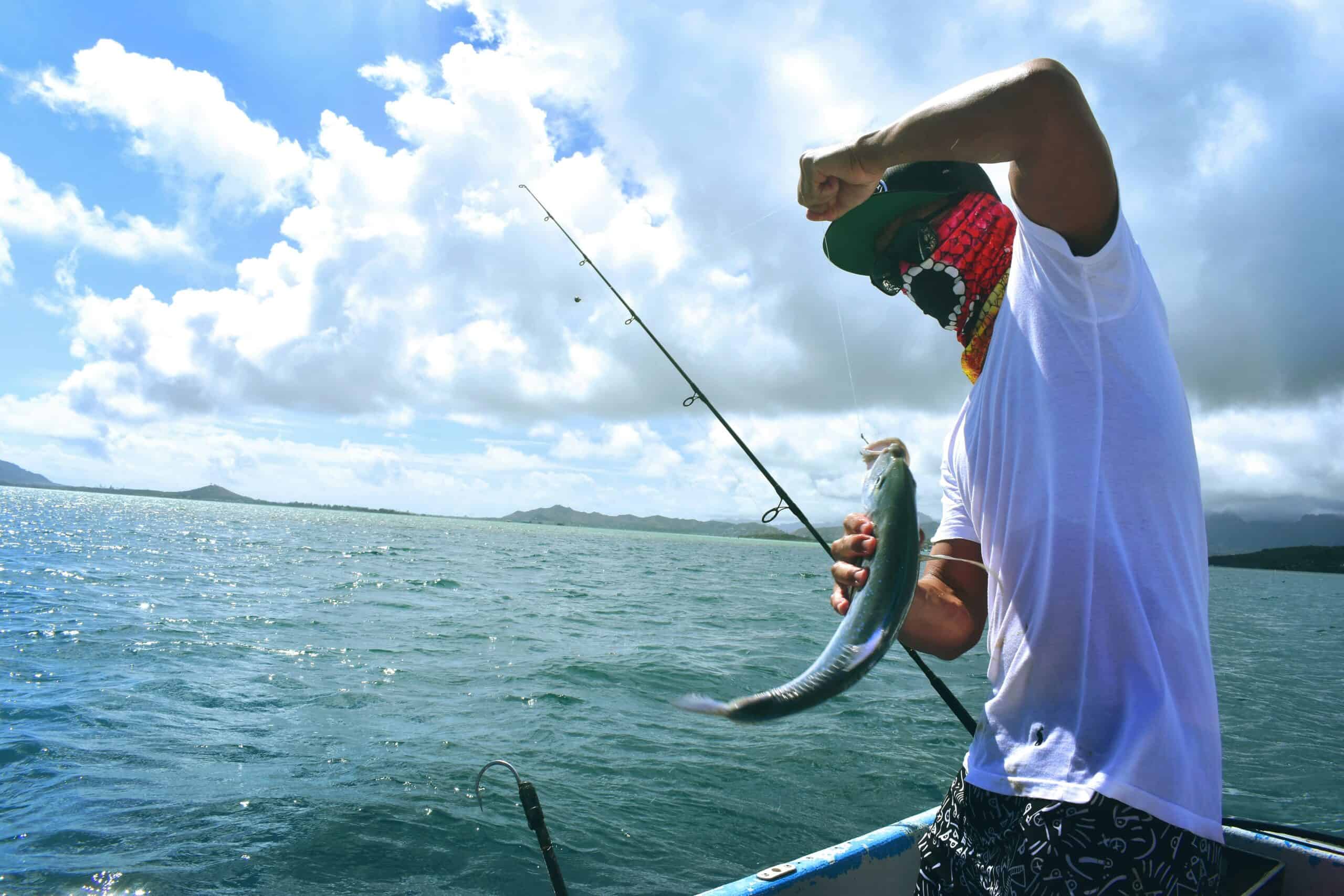
The time of day you fish matters as much as where you fish or what you throw. Most species have predictable activity patterns through the day, and matching your time on the water to those patterns is one of the highest-yield decisions you can make as an angler. Fish that essentially won’t bite at noon will hit aggressively at dawn. Fish that ignore daytime lures will chase down anything moving at dusk.
The general patterns hold across most species and most waters, but the specifics vary by species, season, water type, and weather. This guide walks through why time of day matters, the dawn-dusk-night patterns most species follow, and how to adjust your fishing schedule to actually catch fish.
Key Takeaways
- Most freshwater game fish feed most actively during low-light periods: dawn, dusk, and often at night.
- Midday fishing during summer is typically the toughest window, especially in clear shallow water.
- Cloudy, overcast days can extend the productive feeding windows throughout the day.
- Different species have different specific patterns; matching your schedule to your target species pays off more than fishing whenever it is convenient.
Why Time of Day Matters So Much
Fish are visual predators (mostly), and light conditions affect both their hunting and their vulnerability. The patterns that emerge from the interaction shape when fish actively feed.
Low light favors predators. Most predatory fish have eyes adapted to function in low light better than their prey. At dawn and dusk, predators can see well enough to hunt while prey species struggle to detect the predator. This creates a feeding window where predator success rates are high.
Bright light favors prey. In high-light conditions, prey can see predators more easily and stay alert. Predators that hunt in bright light have lower success rates, so most reduce activity. Some species hold deep in cover during these periods.
Temperature drives activity windows. Water temperature in summer often peaks in the afternoon and bottoms out before dawn. Fish that prefer cooler temperatures become more active in the cooler hours; species that prefer warmer water may have midday peaks in cooler seasons.
Insect and baitfish activity correlates. Many prey species (insects, baitfish) have their own activity peaks at dawn and dusk. Predators follow the food.
The result. Most predatory fish concentrate their feeding into specific windows where light, temperature, and prey availability favor them. Outside those windows, they may eat little or not at all, regardless of how perfect your lure presentation is.
The Dawn Window
The hour or two around sunrise is one of the most productive fishing windows for most species across most waters. The conditions:
Light is rising from very low to moderate. Predators have the visual advantage. Water is at its coolest temperature of the cycle, which most warm-water species prefer for feeding. Prey species are often emerging from overnight rest patterns and moving, making them more vulnerable. Surface activity is common as feeding events occur in the shallow areas where many prey species concentrate at low light.
Specific advice for fishing the dawn window:
Arrive before sunrise. The best minutes are often in the actual transition from dark to light, not after the sun is up. Setting up in the dark and being ready to cast at first light puts you in the right place at the right time.
Topwater lures often work well in this window. Splashing, popping, and walking-the-dog presentations across the surface trigger reactive strikes in the low light.
Cover and structure are productive. Fish often hold near cover and ambush prey moving through. Cast into the cover edges and along structure lines.
Fish move shallow. Many species that hold deep during the day come into shallower water at dawn to feed. Shallow points, weed edges, and shoreline structure all warrant attention.
The Dusk Window
The hour or two around sunset is the other major productive window for most species. The conditions are similar to dawn in important ways, but with key differences.
Light is falling from high to low. Predators gain the visual advantage as light drops. Water is at its warmest of the cycle in summer, which can produce active feeding for some species and slowdowns for others. Insect hatches often peak around dusk, drawing in feeding fish. Surface activity is common as feeding gets aggressive.
The dusk window often extends longer than the dawn window because the gradual darkening continues productive low-light conditions for a sustained period.
Specific advice:
Plan to fish through the actual sunset and into early dusk. The best minutes are often after the sun is below the horizon but before full darkness.
Topwater can be excellent. Same logic as dawn: low light favors surface presentations, and topwater strikes are reliable in this window.
Be ready for surface activity. Watch for swirls, splashes, and visible feeding. Cast to active fish rather than blind-casting.
Bring a headlamp. You’ll likely want to fish past the point where you can see, and getting back to the launch or trail head requires light.
Nighttime Fishing
Many species feed actively at night, especially in warmer months. The reasons vary:
Predators that rely on low-light vision can hunt effectively at night. Prey species that move in lower light are vulnerable. Water is cooler overnight, which warm-water species often prefer. Boat traffic and shoreline disturbance decrease at night.
Species that often feed well at night include catfish (in many waters), walleye, large bass, certain bottom-feeders, and some saltwater species. Night fishing for these can be highly productive but requires specific equipment and approach changes.
Night fishing specifics:
Lighted lures, glowing presentations, or noisy lures (chatterbaits, buzzbaits with rattles) help fish locate offerings in darkness. Pure visual lures often underperform at night.
Smell and vibration become more important than visual cues. Live bait that gives off scent is often productive. Lures that displace water and create vibration help.
Slow presentations work. Fish hunting at night often track slow-moving prey rather than chase fast ones.
Safety becomes a bigger concern. Boat operation, wading in unseen water, and dealing with structure at night all require extra caution. Adequate lighting and, ideally, a fishing partner are wise.
Midday: The Tough Window
Midday fishing is often the hardest for most species in most waters, especially in summer. Several factors:
Bright sunlight puts predators at a disadvantage. Many species hold tight to cover, drop into deeper water, or simply stop feeding during peak sun. Water temperature in summer often peaks during these hours, sometimes uncomfortably for the species you’re targeting. Boat traffic and angler pressure are typically highest, making fish wary. Insect and baitfish activity often dips during the brightest hours.
Tactics that can save midday fishing:
Fish deeper. Where fish go to escape heat and light, you can find them with proper presentations to depth. Drop shots, deep crankbaits, jigging, and similar approaches reach these fish.
Fish cover and shade. Bridge shadows, dock undercuts, fallen trees, weed mats. Anywhere shade creates a thermal refuge that often holds fish during high-sun periods.
Cloudy or overcast days. Cloud cover extends low-light conditions through the middle of the day. Days that look bad for sunbathing often look great for fishing.
Targeted species selection. Some species feed regardless of midday conditions. Catfish, panfish, and certain other species are less affected. Switching target species during the tough middle hours can save the day.
Slower presentations. Lower-energy fish need slower offerings. Heavy, slow presentations through cover often produce midday bites where active presentations fail.
For more on what to do when bites are scarce, see our companion article on why fish aren’t biting.
How Seasons Modify the Patterns
The basic dawn-dusk pattern holds year-round but shifts in important ways with season.
Spring. Water is warming, fish are often in pre-spawn or spawn modes, and activity may not follow the classic dawn-dusk pattern as cleanly. Mid-morning and early afternoon can be productive when the sun is warming shallow areas. Fish may feed in unusual windows during pre-spawn aggression. Spawning fish may not feed at all on classic schedules.
Summer. The dawn-dusk pattern is at its strongest. Midday is typically tough; dawn and dusk are reliable. Night fishing becomes productive for many species. The patterns are most predictable in summer.
Fall. Cooling water and shortening days often produce extended feeding windows as fish prepare for winter. Midday fishing can improve as the water cools. Late afternoon often outproduces dawn in autumn for some species.
Winter. Slow metabolism means short feeding windows when fish do bite. Midday often becomes the best window in cold water because the slight warming of shallow water draws fish up. Ice fishing follows its own time-of-day rules, often with midday being the prime window. Cold-weather fishing changes the calculus significantly.
Cloudy Days and Weather Effects
Cloudy days extend productive fishing hours by maintaining the low-light conditions predators favor. A cloudy summer day might fish like dawn or dusk all day, rather than having the typical midday dead zone.
This makes cloudy weekend days particularly valuable for anglers with limited fishing time. A cloudy Saturday can be productive throughout the day, whereas a sunny Saturday would have a brief dawn window, a long unproductive middle, and a short dusk window.
Rain often produces excellent fishing during the rain itself and immediately after. The combination of cloud cover, surface disturbance, and often-falling pressure (see our companion article on how barometric pressure affects fishing) often triggers active feeding.
Wind can also extend productive windows. Surface chop reduces fish visibility issues with lures and creates ambush opportunities. Windy banks and points often hold actively feeding fish through the day.
The implication: don’t only fish on perfect-looking weather days. Clouds, rain, and wind often produce better fishing than the days you’d choose for comfort.
📑 Recommended Read: Productive time-of-day fishing usually means being on the water at dawn or dusk for hours at a time. The right rod and reel combo handles the variety of presentations these windows demand. Check out our tested breakdown of the Best Fishing Rod Reel Combos for Beginners for versatile setups that handle dawn topwater through dusk subsurface presentations.
Species-Specific Patterns
While the general dawn-dusk pattern holds across most species, the specifics vary:
Largemouth bass. Strong dawn-dusk pattern. Topwater excellent in low light. Midday tough, especially in summer, clear water. Heavy cover and deep water during high sun. Night fishing productive in summer.
Smallmouth bass. Slightly more midday-tolerant than largemouth, especially in cooler, clear water. Dawn-dusk still strong. Often feed deeper than largemouth, so midday deep presentations can produce.
Walleye. One of the most low-light-dependent freshwater game fish. Dawn, dusk, and night strongly outproduce daylight. Cloudy days extend windows. Use deeper presentations during daytime hours.
Trout (river). Variable. Dawn and dusk are often productive, but trout in cold rivers may feed throughout the day during certain hatches. Match the hatch timing rather than rigidly following dawn-dusk rules.
Trout (lake). Often follow classic dawn-dusk patterns. Hold deep during the day in summer.
Crappie. Strong dawn-dusk pattern. Light-sensitive eyes make them very productive at first light and last light. Often hold deep during midday in summer.
Bluegill and panfish. Feed throughout much of the day in many seasons. Less dependent on low light. Often, the best species for midday fishing trips.
Catfish. Highly variable. Many catfish species feed primarily at night. Bottom-feeding habits make light conditions less critical. Productive throughout the day in many waters but often best after dark.
Pike and muskie. Variable. Often productive during low-light periods but also during specific windows during the day. Less strictly dawn-dusk than bass.
The takeaway: pick your target species and study its specific patterns rather than relying on universal advice.
Practical Planning
If you have limited time on the water, prioritize the dawn-dusk windows over midday hours when possible. Two hours of dawn fishing typically produces more than four hours of midday fishing for most species.
If you can fish two windows in a day, dawn and dusk usually outproduce dawn and midday or midday and dusk. The two prime windows together can be the most productive day you’ll have on the water.
If your only available time is midday, target species and tactics that work in those conditions. Bass anglers may want to specifically fish for bluegill on a midday outing. Walleye anglers might focus on cloudy midday days or shift to deep-water tactics.
If you can’t make dawn or dusk, cloudy days become valuable. A cloudy weekend afternoon may produce results similar to a clear weekend dawn.
Common Mistakes and How to Avoid Them
Fishing only when convenient. Midday weekend trips when nothing’s biting, because that’s when you have free time. Better to plan a shorter dawn outing if possible than to fish all afternoon with poor results.
Ignoring the species-time matchup. Different species have different patterns. Fishing for bass at noon in clear summer water is fundamentally different from fishing for catfish at noon, and the right expectations differ.
Quitting too early at dawn. The window extends past sunrise; some of the best bites come right at first full light. Don’t pack up at sunrise.
Quitting too early at dusk. The window extends past sunset. Some species feed most aggressively after dark. Plan to fish at least 30 minutes past the visible sunset.
Treating cloudy days as bad. Often the opposite. Cloud cover extends productive hours.
Not adjusting to the weather. Wind, rain, and clouds change what works. Sticking to clear-sky tactics on a stormy day produces poor results.
Underestimating night fishing. For night-active species, fishing after dark often outproduces dawn or dusk. Many anglers miss the best fishing by leaving when the sun sets.
Not bringing lighting for the transition periods. Headlamps and lanterns let you safely fish through dawn and dusk transitions and get back without trouble.
Frequently Asked Questions
What’s the absolute best time to fish? For most species in most waters, dawn (specifically the period spanning from before sunrise through about an hour after) is the most consistently productive single window. Dusk runs close behind.
Is morning or evening fishing better? Both are productive. Morning has the advantage of cooler water from overnight and the predator’s visual advantage. Evening has often-warmer water (which some species prefer) and the wind-down of daytime activity. Local conditions usually determine which is better on a given day.
Can I catch fish at noon? Yes, but with adjustments. Fish deeper, find shade and cover, slow down presentations, choose less-light-sensitive species, or target cloudy days. Noon isn’t dead fishing; it’s just harder.
Does the moon phase matter for the time of day? Solunar theory holds that fish activity peaks at specific times related to lunar position. Evidence is mixed; some anglers swear by it, others find it adds little. The fundamental dawn-dusk pattern generally outweighs moon-phase considerations.
Why is midday fishing so hard? Predators are disadvantaged in bright light. Fish often hold tight to cover or go deep. Boat traffic and angler pressure peak. The combination produces tough conditions, especially in clear water.
Should I fish at night? For night-active species (catfish, walleye, some bass, certain saltwater species), absolutely yes when safe to do so. Specific equipment and tactics differ from daytime fishing.
Does cloudy weather really extend the bite? Yes. Cloud cover maintains the lower-light conditions predators prefer. A cloudy day can fish like dawn-dusk conditions throughout.
What about fishing during the rain? Often excellent during and immediately after rain. Cloud cover, surface chop, and often-falling pressure all favor active feeding. Just watch for lightning and unsafe conditions.
