
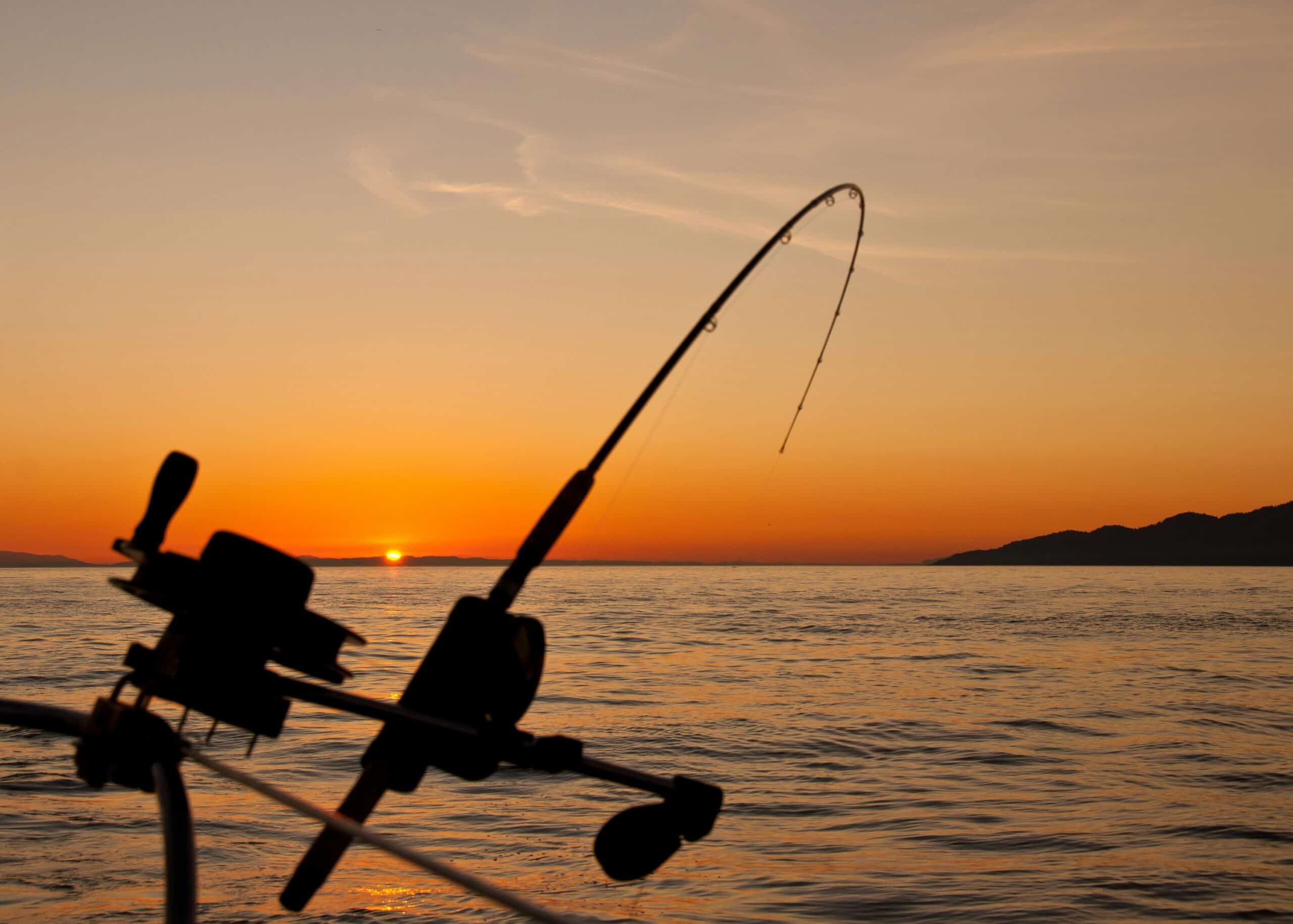
Setting the hook is one of the fundamental skills of fishing and one of the hardest to teach. The basic idea sounds simple: when a fish bites, pull back to drive the hook through its lip. But the right amount of force, the right timing, and the right technique all depend on what species you’re targeting, what lure or bait you’re using, what rod you have, and how the fish is taking the offering.
The wrong hook set is the most common reason anglers lose fish they had hooked. Either the set is too soft, and the hook never penetrates fully, or it’s too hard, and the fish either rips off or breaks the line, or the timing is wrong, and the fish has already spit the lure before the set happens.
This guide breaks down hook setting by lure type, target species, and rod choice, plus the most common mistakes and how to fix them.
Key Takeaways
- The right hook set depends on hook type (treble vs single), lure type (hard bait vs soft plastic), species, and rod power.
- For most beginners with treble-hooked lures, a moderate sweeping motion is more reliable than a hard upward jerk.
- Soft plastic baits with worm hooks generally need a harder, more deliberate hook set because the hook must drive through the plastic.
- Hook timing matters: fish often need a moment to fully take the bait before the set, but waiting too long lets them spit it.
Why Hook Setting Matters
When a fish strikes, the hook is briefly in its mouth. For the fish to be landed, the hook needs to drive through the lip or jaw past the barb. That penetration requires force and the right angle.
Too little force and the hook just sits in the mouth, easily spit out as the fish thrashes. Too much force in the wrong direction, and the hook pulls free without penetrating. The right hook set transfers enough power through the line to drive the hook home while keeping the angle of force aligned with the hook’s penetration path.
Different hooks have different penetration profiles. Sharp, thin-wire treble hooks penetrate easily with moderate force. Heavy-gauge single hooks (like those on big swimbaits or saltwater rigs) need more force. Soft plastic worm hooks are buried in plastic and need substantial force to drive through the plastic first, then through the fish.
The Basic Hook Set
Before diving into species and technique specifics, the basic mechanics are universal.
Line tight first. A slack line absorbs your hook set before any force reaches the fish. Reel up slack quickly before setting. Some hook sets fail simply because the angler tried to set the hook on a loose line.
Rod tip position matters. Most hook sets start with the rod tip somewhere between horizontal and pointed slightly down at the fish. The motion sweeps or jerks the rod upward, transmitting force through the line to the hook.
Use a rod and reel together. The rod provides the lifting motion; the reel can also be used to drive line in fast, which keeps tension on the hook during and after the set.
Set firmly, not violently. Modern hooks are sharp enough that a hard, controlled motion is sufficient. Whipping the rod back as hard as possible often pulls the hook free or breaks the line.
Hook Set by Lure Type
Different lure styles call for different hook setting approaches.
Treble-Hooked Crankbaits and Topwater Lures
Lures with treble hooks (multiple-point hooks) typically need only a moderate hook set. The treble hooks usually find purchase in the fish’s mouth without much force.
The classic technique here is a sweeping motion rather than a hard jerk. As you feel the bite, sweep the rod tip to the side or up and reel down at the same time. This keeps steady pressure on the fish without violently jerking the lure.
A hard hook set on treble hooks often does more harm than good. The hooks may pull through, or the fish may flip its head and tear free during the violent motion.
Soft Plastic Baits With Worm Hooks
Soft plastic worms, creature baits, and senkos rigged with worm hooks need a much firmer hook set. The hook is buried in the plastic, and your set has to drive the hook through the plastic before it can reach the fish’s mouth.
For Texas-rigged plastics, the classic set is a hard upward jerk paired with several quick cranks of the reel. Some anglers describe it as “rear back and load up” to generate enough force.
For wacky-rigged or weightless plastics, the set can be slightly softer because the hook is more exposed.
Jigs
Jigs have a single hook with a stout wire and often a weed guard. They need a hard, deliberate hook set similar to soft plastic baits. The weed guard adds resistance that must be overcome before the hook penetrates.
The set should be sharp enough to clear the weed guard and drive the heavy-gauge hook through the fish’s lip or jaw. Several quick cranks of the reel during and after the set keep tension on the hook.
Live Bait
With live bait, hook setting, and timing matter more than the force. Fish often take live bait in stages: grab, position, then swallow. Setting too early on the grab pulls the bait out of the mouth. Setting too late means the fish has potentially spat it or worse, swallowed it deep (which complicates release).
The classic approach with live bait is to wait until you feel a steady pull (meaning the fish has positioned the bait and is moving away with it), then set firmly. For circle hooks specifically, don’t set at all; just reel tight, and the hook’s design rotates it into the corner of the fish’s mouth on its own. Reading where fish are likely to hold makes the timing easier; our explainer on how to read water when fishing covers position-finding fundamentals.
Fly Fishing
Fly fishing hook sets vary dramatically by fly type and species, but the general principle is “strip set” rather than “trout set.”
A strip set means pulling the line back hard with your stripping hand while the rod stays low. This drives the hook with the line, not the rod, and keeps the fly in the water if the set misses (which lets the fish strike again).
A trout set (raising the rod tip upward) is the right move for small trout on dry flies, but the wrong move for larger fish on streamers or saltwater fish. The rod tip raises and lifts the fly out of the water if the set fails, ending the chance.
Hook Set by Species
Species behavior also affects the right approach.
Bass: Bass typically take a lure decisively. Set firmly. For soft plastics, set hard. For crankbaits and topwater, sweep set.
Trout: Trout often take more delicately than bass. Light tackle and a gentle set are usually enough. Hard hook sets can pull hooks through soft trout mouths.
Walleye: Walleye bite subtly. Sometimes you feel a weight rather than a strike. A firm but not overly hard set is appropriate. Many anglers crank the reel and pull steadily rather than performing a sharp jerk.
Pike and muskie: Big fish with bony mouths. Need hard hook sets to drive the hook through tough tissue. Heavy tackle is essential.
Catfish: Often pick up bait and move with it. Wait for a steady pull before setting. Use heavy tackle for big cats and set firmly.
Saltwater species: Generally need harder sets than freshwater because of tougher mouth tissue and heavier tackle.
Common Hook Set Mistakes
Setting too early. The fish hasn’t fully taken the bait yet. The lure comes out of its mouth before the hook can drive home.
Setting too late. The fish has tested the bait, decided it’s not real, and spat it before you reacted. By the time you set, the lure is already loose.
Slack line at the moment of set. All the force of your set is absorbed by the slack instead of transferring to the hook. Reel tight before setting.
Wrong direction. Setting straight up when the fish is to the side, or to the side when the fish is below, can pull the hook in the wrong direction for penetration. Set roughly in line with where the fish is positioned.
Trout set on big game. Raising the rod tip works for small fish on small hooks. For anything substantial on a streamer or larger lure, strip set instead.
No follow-through. After the initial set, keep tension on the fish. Many fish are lost in the first few seconds after the set as they thrash, and the hook loses its grip.
Hands not in the right position. Make sure your hand is on the rod grip securely. A hook set with your hand far from the grip wastes force.
Rod Power and Hook Setting
Rod power and action affect how hook sets transmit force.
Heavy-power rods generate a lot of force quickly, useful for heavy cover fishing or big-fish situations. They can also break the light line if you set it too hard.
Medium-power rods are versatile for most freshwater situations. Adequate force for most hook sets without being overpowered.
Light-power rods bend more during the set, absorbing force. Good for finesse fishing and small fish. Inadequate for driving heavy hooks through tough cover.
Fast-action rods (stiff except at the tip) transmit hook set force quickly and provide the sharp jerking motion most hook sets need.
Moderate-action rods (bend through more of the blank) absorb more force but recover more slowly, which can soften hook sets. They work better for treble-hooked baits where a softer set is appropriate.
For beginners building a rod collection, our roundup of fishing rod and reel combos for beginners covers versatile combos that work for general freshwater fishing.
Practice Drills
You can practice hook-setting motion without a fish.
Backyard pond casting practice. Cast to a target, then practice the sweep motion as if you’d just felt a strike. Build muscle memory for the motion before you need it on the water.
Visualize timing. When you’re fishing without bites, mentally rehearse the set you’d do if a fish struck right now. This keeps you mentally ready.
Hookless practice with a partner. One person holds the line; the other “sets the hook.” The partner can give feedback on how hard the pull was. This is a useful way to calibrate force.
📑 Recommended Read: Sharp hooks make hook sets more reliable. Check out our tested breakdown of the Best Fishing Pliers and Tools to find quality pliers, hook sharpeners, and line clippers that improve every part of the catch process.
What to Do After You Set the Hook
The set is the first half of the process. The second half is keeping the fish hooked through the fight.
Keep tension constant. Slack line lets the hook back out of the wound. Always have some pressure on the fish during the fight.
Reel down, sweep up. A common technique for fighting fish: reel quickly while lowering the rod tip, then sweep the rod up to lift the fish, then reel down again. This keeps tension while moving the fish toward you.
Don’t let the fish jump on slack. When a fish jumps, lower the rod tip to keep tension. A jumping fish on a tight line stays hooked better than one on slack.
Use the drag. The drag should be set so that a strong fish can take line rather than break it. Tighten before landing if needed, but during the fight, let the drag do its job.
Frequently Asked Questions
How hard should I set the hook? Depends on the lure and species. Treble-hooked crankbaits: moderate sweep set. Soft plastics with worm hooks: hard set. Live bait: firm but not violent, after waiting for the fish to fully take. Trout on dry flies: gentle lift.
Why am I missing strikes? Most often: setting too early (fish hadn’t fully taken), too late (fish spit it), or with slack line (force didn’t transmit). Pay attention to timing and tension.
What’s a circle hook, and how do I set it? Circle hooks are designed to rotate into the corner of the fish’s mouth as the fish moves. You don’t set them traditionally; you reel tight and let the hook do the work. Hard hook sets with circle hooks often pull the hook out without penetrating.
Why does my fish come off after I set the hook? Could be: hook didn’t penetrate fully (too soft a set), hook pulled through soft tissue (too hard a set), line went slack during fight, or hook caught only in skin. Check your hook sharpness and review your set technique.
Should I jerk or sweep? Sweep for treble hooks. Jerk (firmer) for soft plastics, jigs, and heavy single hooks. The lure type drives the technique.
Does line type affect hook setting? Yes. Braid transmits hook set force directly because it doesn’t stretch. Monofilament absorbs some force in its stretch. Fluorocarbon is in between. Many anglers use braid main line specifically for better hook sets, then a fluorocarbon leader for invisibility.
