
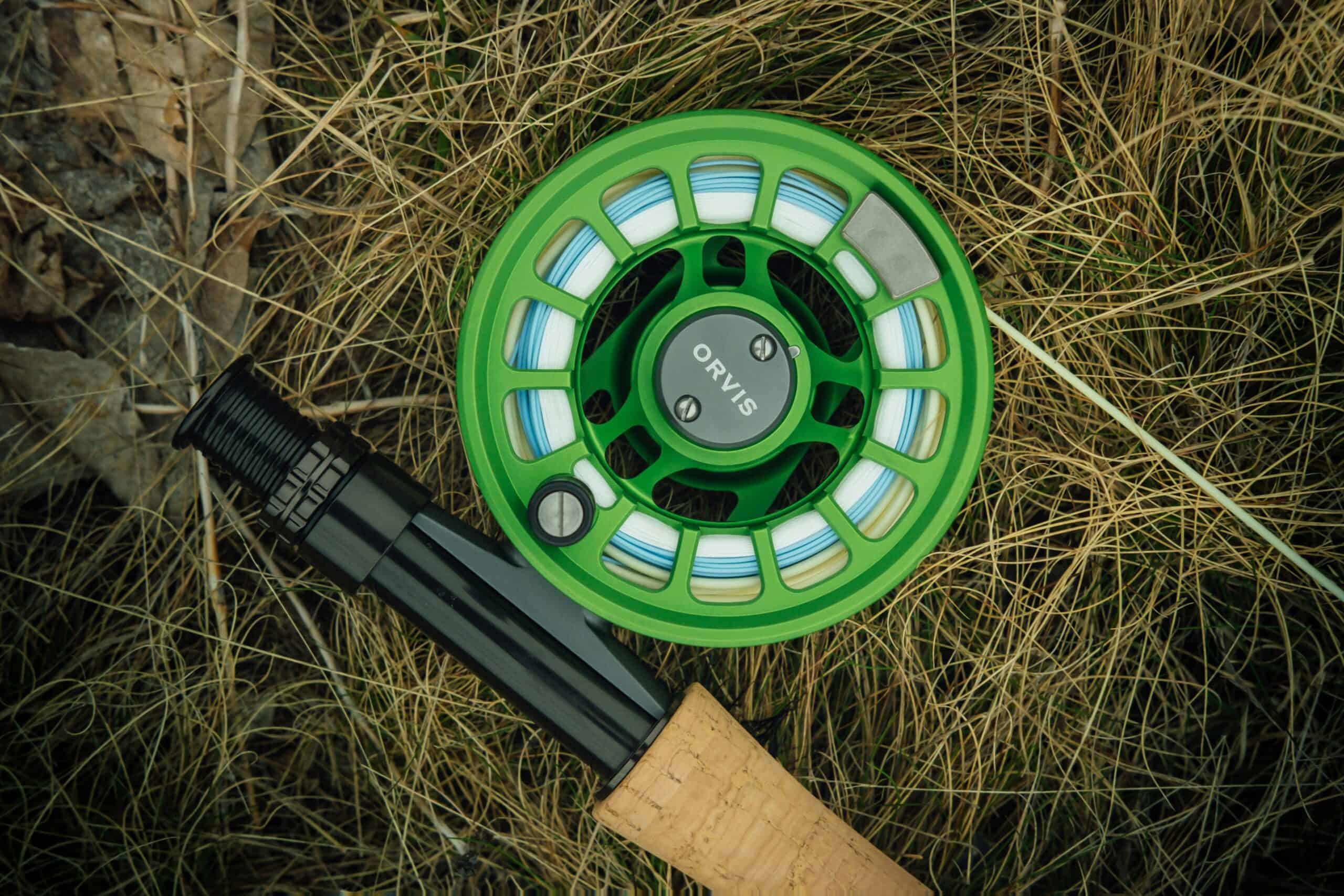
Fly fishing has a reputation for being expensive, technical, and intimidating to learn. The reputation isn’t entirely fair, but it isn’t entirely wrong either. The single biggest barrier for most beginners isn’t the casting technique, it’s getting handed the wrong rod by a well-meaning friend or buying a $50 combo kit that physically cannot teach proper form. The wrong rod creates frustration that ends fly fishing careers within weeks, before the angler ever learns what good casting feels like.
The right beginner rod loads correctly with typical trout-water line weights, forgives the timing errors that every beginner makes, and delivers casts to 40-50 feet without requiring the haul-and-double-haul techniques that take years to develop. It also costs enough to actually function, somewhere between the ultra-cheap kits that fail and the high-end rods that punish learning errors with stiff, unforgiving feel.
This guide covers the five best fly fishing rods for beginners in 2026, evaluated on casting forgiveness, line-loading characteristics, build quality, included gear quality, and the practical question of whether the rod will still serve you well in year three.
What Actually Matters in a Beginner Fly Rod
The decision criteria that separate good beginner rods from bad ones are often the opposite of what experienced anglers prioritize.
Action: Medium-Fast Is Right for Beginners
Rod action describes how much of the rod bends during the cast. Slow-action rods bend deep into the handle. Fast-action rods bend mostly at the tip. Medium-fast falls between these extremes and is the right starting point for almost every beginner.
Why this matters: Fast-action rods require precise timing and good line speed to load properly. Beginners don’t have either. A fast rod in beginner hands produces tailing loops, weak casts, and the frustrating experience of working hard for poor results. Medium-fast rods load with less effort, forgive timing errors, and produce satisfying casts even when the technique isn’t perfect.
Avoid the “fast action” rods that dominate marketing copy. They’re marketed as performance rods because experienced casters prefer them, but they’re the wrong tool for learning.
Weight: 5-Weight Is the Universal Starting Point
Fly rod weight matches the line weight it’s designed to cast. 3-weights handle small streams and tiny fish. 8-weights handle bass and saltwater. The 5-weight is the trout fishing standard and the right weight for almost every beginner.
A 5-weight rod handles small streams, medium rivers, lakes, and panfish equally well. It’s the most versatile weight for learning, and the gear available at this weight is the broadest selection in the fly market.
Length: 9 Feet Is Standard for Good Reason
Most quality beginner rods are 9 feet long. Shorter rods (7-8 feet) work for tight stream environments but make casting harder. Longer rods (10+ feet) help with mending and high-stick nymphing, but become unwieldy in beginner hands.
The 9-foot 5-weight (often abbreviated 9’5wt) is the universal trout-water configuration and where every beginner should start.
Combo vs Standalone
Many beginner rods come as combos, rod, reel, line, leader, and case packaged together. Quality combos save money and eliminate the decision paralysis of matching components. Cheap combos pair acceptable rods with terrible reels and lines that ruin the casting experience.
A good combo at $200-300 typically beats $200 spent on a standalone rod plus mismatched components. A bad combo at $80 wastes the money entirely. The rods in this guide include both standalone and combo options.
Best Fly Fishing Rods for Beginners in 2026: Our Top 5 Picks
1. Echo Base Fly Rod, Best Overall
Best Overall Beginner Fly Rod | Price: ~$140 (rod), ~$220 (combo)
Best for: Most beginners, anglers learning trout fishing on small to medium rivers, buyers wanting a rod that grows with their skill rather than getting upgraded immediately.
The Echo Base is the rod that genuine fly shop staff recommend to actual beginners. The action is medium-fast, soft enough to forgive timing errors, fast enough to handle wind, and longer casts as skill develops. The 9′ 5wt configuration handles 90% of trout water comfortably.
The build quality exceeds what the price point suggests. The cork handle is real cork (not the rubber composite of cheaper rods), the hardware is corrosion-resistant aluminum, and the rod tube and sock are included rather than sold separately. The lifetime warranty backs the construction, Echo replaces broken rods regardless of cause for $35 shipping, which is meaningful for a category where breakage from car doors and overhead branches is common.
The combo version pairs the rod with a competent reel and pre-spooled line, eliminating the matching problem that defeats budget kits. For beginners who want one purchase that handles everything, the combo is the practical choice.
PROS:
- Medium-fast action genuinely forgives beginner mistakes
- Real cork handle and quality hardware at the price point
- Lifetime warranty with a reasonable replacement policy
- The combo option includes a competent reel and line
- Continues to perform well as skills develop
CONS:
- Slightly heavier than premium alternatives
- Cosmetics less refined than higher-priced rods
- Reel in combo is functional but not premium
- Limited color and configuration options
For a broader fishing setup, our guide on the best fishing tackle boxes covers organization for the flies and accessories you’ll accumulate, and our guide on the best polarized fishing sunglasses addresses the visibility-on-water side of fly fishing.
2. Orvis Clearwater Fly Rod, Best Premium Pick
Best Premium Beginner Rod | Price: ~$250 (rod), ~$370 (combo)
Best for: Beginners with a budget for premium gear, anglers serious about progressing rapidly, buyers who plan to fly fish frequently rather than occasionally.
The Orvis Clearwater hits the practical sweet spot for premium beginner rods. The action is genuinely medium-fast with a slightly faster recovery than the Echo Base, meaning experienced casters prefer it, but beginners can still load it with developing technique. The build quality is noticeably superior, with refined cork, premium guides, and the kind of fit-and-finish that matters when you handle the rod for hours at a time.
The 25-year warranty backs Orvis’s build confidence. The replacement program is straightforward, and Orvis’s distribution network means you can often get a replacement quickly when needed.
The trade-off is price. At $250 for the rod alone or $370 for the combo, the Clearwater costs nearly double that of the Echo Base. For beginners, certain they’ll stick with fly fishing, the additional spend buys a rod they won’t outgrow for years. For beginners testing the sport, the Echo Base delivers similar functional results at lower risk.
PROS:
- Premium build quality and refined feel
- Slightly faster action grows with developing skill
- 25-year warranty with strong replacement program
- Excellent combo includes an Orvis-quality reel
- Holds resale value better than budget alternatives
CONS:
- Significantly higher price than entry alternatives
- Faster action, less forgiving for absolute beginners
- Premium features unnecessary for occasional anglers
- Overkill for buyers testing whether they enjoy fly fishing
3. Redington Path II Fly Rod, Best Mid-Tier Combo
Best Mid-Tier Combo | Price: ~$180 (combo)
Best for: Beginners wanting a complete setup, buyers prioritizing combo value over rod-only premium, anglers planning a weekend rather than weekly fly fishing.
The Redington Path II combo packages a competent medium-fast rod with a Redington Crosswater reel and pre-spooled line at a price point that makes complete fly fishing accessible. The rod itself is more forgiving than the Orvis Clearwater and slightly less refined than the Echo Base, closer to entry-level performance with adequate build quality.
The reel and line in the Path II combo are genuinely usable rather than the throwaway components that ruin cheaper combos. The Crosswater reel handles trout-sized fish without binding or drag failures, and the included line is matched to the rod weight.
Where the Path II shines is the practical experience of getting started. You buy the combo, you have everything you need to fish (except flies and tippet), and the components work together as designed. For first-time fly anglers who don’t want to research and match individual components, this matters more than marginal performance differences.
PROS:
- Complete combo at an accessible price point
- Components actually work well together
- Adequate performance for beginning to intermediate anglers
- Quality cork handle and hardware
- Strong value proposition for full setup
CONS:
- Rod alone is less refined than standalone premium options
- Combo line quality is acceptable but not premium
- Not the rod for rapid skill progression
- Limited upgrade path within the Redington ecosystem
4. Sage Foundation Fly Rod, Best for Long-Term Use
Best for Long-Term Investment | Price: ~$450
Best for: Beginners with a significant budget who want one rod for years, anglers transitioning from spin fishing with broader fishing experience, and buyers who value American-made craftsmanship.
The Sage Foundation is the rod that beginners often grow into rather than out of. The medium-fast action is more sophisticated than budget alternatives, beginners can still load it, but the rod rewards developing technique with progressively better casting performance. Within 6-12 months of regular use, most anglers experience the Foundation as a rod that’s actively improving their casting.
The build quality is genuinely premium. The graphite is Sage’s proprietary blend, the hardware is anodized aluminum, the cork is select-grade, and the rod is hand-built in Bainbridge Island, Washington. The 25-year warranty includes a $75 replacement fee for breakage from any cause.
The price is the obvious trade-off. At $450 for the rod alone (no combo option from Sage), you’re paying premium pricing for premium materials and craftsmanship. For occasional anglers, this is overkill. For anglers who anticipate fly fishing as a long-term hobby and want a rod they won’t replace for a decade or more, the Foundation justifies the investment.
PROS:
- Premium American-made build quality
- Action sophisticated enough to grow with skill
- Materials and finish are noticeably superior
- Strong long-term durability
- Holds value if eventually resold
CONS:
- Highest price in our roundup
- No combo option, must purchase reel and line separately
- Premium features wasted on occasional anglers
- Higher break-replacement fee than competitors
5. Wild Water Fly Fishing Combo, Best Budget Pick
Best Budget Combo | Price: ~$95 (combo)
Best for: Buyers on tight budgets, anglers genuinely uncertain whether they’ll continue fly fishing, gift purchases for someone exploring the hobby.
The Wild Water combo delivers a complete fly fishing setup at a price point typically reserved for terrible kits. The rod is medium-fast and adequate for learning. The reel is functional. The included line, leader, tippet, and starter flies mean you can literally take this kit to the water and start fishing.
The trade-offs are real but not catastrophic. The cork handle is composite rather than real cork. The hardware is less refined. The action is acceptable for beginners but lacks the responsive feel of premium rods. The reel works but won’t excite anyone who handles a quality reel.
For anglers genuinely testing whether fly fishing is for them, the Wild Water combo provides real fishing capability without major financial commitment. If you fall in love with the sport, you’ll outgrow this kit within a year and graduate to better gear. If you discover fly fishing isn’t for you, you’re out $95 instead of $300+.
For sustained use beyond the testing phase, the Echo Base is a meaningfully better starting point. The Wild Water serves a specific use case, minimum-risk entry into the sport, and serves it well.
PROS:
- Lowest price point for genuine fly fishing capability
- Complete combo with everything needed to fish
- Adequate for testing whether you enjoy the sport
- Includes starter flies and accessories
- Low financial risk for uncertain buyers
CONS:
- Less refined feel than even mid-tier alternatives
- Components you’ll outgrow within a year
- Composite cork handle is less comfortable for long sessions
- Reel and line quality below premium combos
How to Match a Fly Rod to Your Situation
The right rod depends on your specific circumstances rather than absolute quality.
Budget under $100: Wild Water combo is the practical choice. You’re buying a way to test the sport, not a long-term setup. Use it for a season, decide whether to commit, then upgrade.
Budget $150-250: Echo Base (rod or combo) or Redington Path II combo. Both deliver genuine fly fishing capability with components you won’t immediately outgrow. The Echo Base is the better individual rod; the Path II is the better complete combo.
Budget $300-400: Orvis Clearwater combo. Premium rod with quality matching reel and line. The setup beginners often keep for 5+ years.
Budget $400+: Sage Foundation rod plus separately-purchased reel ($150-250) and line ($60-100). The configuration anglers grow into rather than out of.
For dedicated trout-water beginners willing to commit to the sport, the Echo Base or Orvis Clearwater are the practical sweet spots. For uncertain beginners or gift purchases, the Wild Water combo is the lowest-risk path to actual fly fishing experience.
Quick Comparison Table
| Rod | Best For | Action | Weight/Length | Price |
|---|---|---|---|---|
| Echo Base | Most beginners | Medium-fast | 9′ 5wt | ~$140 (rod), ~$220 (combo) |
| Orvis Clearwater | Premium pick | Medium-fast | 9′ 5wt | ~$250 (rod), ~$370 (combo) |
| Redington Path II | Mid-tier combo | Medium-fast | 9′ 5wt | ~$180 (combo) |
| Sage Foundation | Long-term investment | Medium-fast | 9′ 5wt | ~$450 (rod only) |
| Wild Water Combo | Budget pick | Medium-fast | 9′ 5wt | ~$95 (combo) |
Our Verdict
For most beginners, the Echo Base Fly Rod is the right choice. The combination of forgiving action, quality build, lifetime warranty, and accessible price hits every meaningful criterion without requiring premium investment. Buy this unless you have a specific reason to choose differently.
For beginners with a budget for premium gear and a serious commitment to learning, Orvis Clearwater justifies the price through superior build and slightly faster action that grows with developing skill.
And for buyers wanting a complete combo that delivers good fishing capability without premium pricing, Redington Path II is the best mid-tier package.
Or long-term investment buyers willing to spend $450+ on a rod alone, Sage Foundation is the rod most beginners grow into, rather than out of.
For minimum-risk entry into fly fishing, testing whether you enjoy the sport before committing, the Wild Water combo delivers genuine fishing capability at the lowest accessible price.
Pair the right rod with a quality fishing tackle box, polarized sunglasses for sight fishing, and the right hiking boots for getting to the water, and you have the foundation of a fly fishing setup that supports learning rather than fighting it.
Frequently Asked Questions
What weight fly rod should a beginner buy?
A 5-weight is the universal beginner choice. It handles small streams, medium rivers, lakes, and panfish with the same setup. The 9-foot 5-weight (9′ 5wt) is the standard trout configuration and where every beginner should start. Other weights serve specific purposes that don’t apply to learning.
Should I buy a fly rod combo or build my own setup?
For beginners, a quality combo is usually better than building your own. Quality combos pair components that work together at a lower total price than buying separately. The exception is buyers spending $400+, where standalone rods like the Sage Foundation outperform combo options at similar price points.
How much should a beginner spend on a fly rod?
The practical range is $140-250. Below $100, components compromise the learning experience. Above $300, premium features serve experienced casters more than beginners. The Echo Base at $140 and the Orvis Clearwater at $250 bracket the sweet spot for serious beginners.
What’s the difference between fast and medium-fast action?
Fast-action rods bend mostly at the tip and require precise timing to load properly. Medium-fast rods bend deeper into the rod and load with less effort. Beginners cast medium-fast rods better because the slower loading forgives timing errors. As skill develops, the same medium-fast rod still performs well; many advanced anglers prefer medium-fast for typical trout water.
Can beginners use cheaper fly rods?
Yes, but with limits. The Wild Water combo at $95 represents the floor of usable beginner gear. Below that price point, components fail to load properly, the casting experience defeats learning, and most users abandon fly fishing within weeks. The cheapest rod that genuinely teaches casting is worth spending on.
How long do fly rods last?
Quality fly rods last 10-30 years with proper care. Most failures come from breakage (car doors, falls, overhead branches) rather than wear. Rods covered by lifetime warranties (Echo, Orvis, Sage) are practically indefinite, the company replaces breakage for a small fee. Cheaper rods without warranty support typically last 3-5 years before needing replacement.
Do I need different rods for different fish?
Eventually, yes, but not as a beginner. A 9′ 5wt handles trout, panfish, small bass, and most introductory situations. Specialized rods come later, 8wt for bass and small saltwater, 7wt for steelhead, 3wt for tiny streams. Buy the 5wt first, fish it for a year or two, then add specialized rods as your interests develop.
What else do I need to start fly fishing?
Beyond the rod, you need a reel, fly line, leader, tippet, and flies. Combos include the first three; you’ll typically need to buy tippet and flies separately ($30-60 total). You’ll also want polarized sunglasses, a fishing license, and basic accessories like nippers and forceps. Total setup cost from scratch runs $200-400 for everything to start fishing competently.
