
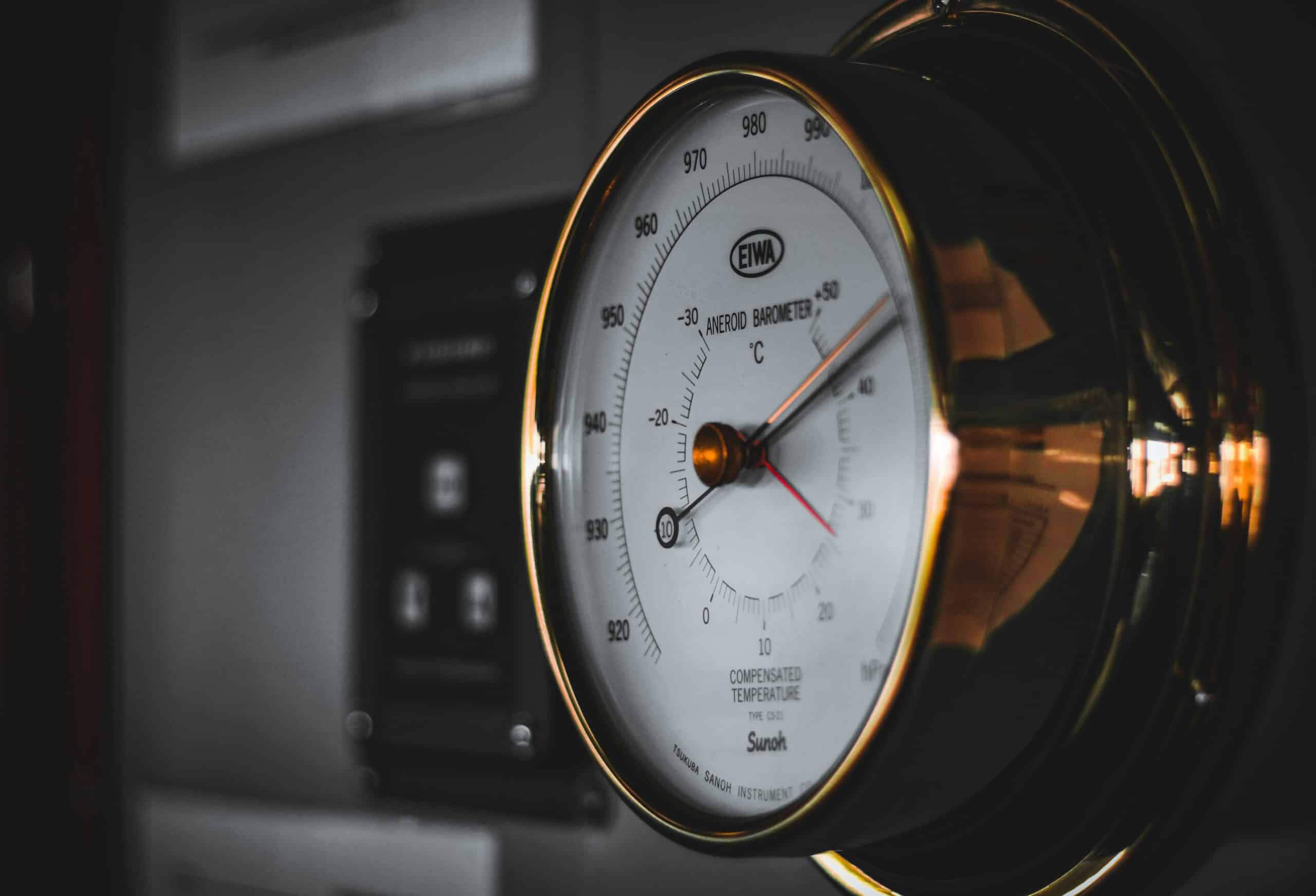
Experienced anglers will tell you that fishing changes when the weather changes. Most can predict roughly how a day on the water will go based on what the weather is doing. The thing most often credited (or blamed) is barometric pressure: when it’s falling, fish bite aggressively; when it’s high and stable, fish go quiet. The connection is so consistent that pressure trends sometimes matter more than the specific conditions on a given day.
The science behind this isn’t fully settled, but the patterns are real enough that they’re worth understanding. This guide walks through what barometric pressure actually does to fish, how to read pressure trends for fishing decisions, and which species and waters are most affected.
Key Takeaways
- Barometric pressure affects fish behavior, with the strongest fishing typically happening when pressure is falling ahead of a storm
- Rising pressure after a storm often produces slow fishing as fish settle and feed less aggressively
- High stable pressure (clear blue-sky high-pressure days) often produces tougher fishing conditions
- The effect is more pronounced for species that rely heavily on swim bladder pressure regulation, less for bottom-dwelling species
What Barometric Pressure Actually Is
Barometric pressure (also called atmospheric pressure) measures the weight of the air column above any given point. It changes constantly with weather systems. High-pressure systems bring clear skies and calm conditions. Low-pressure systems bring storms, wind, and unsettled weather. The transitions between these systems are what produces the changing pressure that fish appear to respond to.
Standard pressure at sea level is around 30 inches of mercury or roughly 1013 millibars. Fishing reports and apps usually track pressure either in inches of mercury or in millibars. What matters for fishing isn’t the absolute number but the trend: rising, falling, or stable.
Pressure changes are usually gradual. A passing front might shift pressure by half an inch of mercury over a day. Even a major storm produces changes most people couldn’t feel directly but that fish appear to detect readily.
Why Pressure Affects Fish
Several mechanisms have been proposed for why fish respond to pressure changes. The science isn’t perfectly settled but the general picture goes like this.
Swim bladder regulation. Most fish have a swim bladder, an internal gas-filled organ that controls buoyancy. The gas pressure inside the bladder needs to roughly match the surrounding water pressure for the fish to stay neutrally buoyant. Water pressure underwater changes with depth, but the atmospheric pressure pressing down on the water surface also affects total pressure at any depth. When atmospheric pressure changes rapidly, fish may need to adjust swim bladder gas, which is uncomfortable or stressful. Some species do this readily; others struggle.
Sensory detection of weather changes. Fish have lateral line systems that detect pressure changes and water movement. They may use these to anticipate changes in their environment. Falling pressure ahead of a storm could be detected by the fish as a signal to feed actively before conditions deteriorate.
Indirect effects through prey behavior. Insects, baitfish, and other prey species also respond to weather changes. Hatches of aquatic insects often correlate with falling pressure. Baitfish congregations and movement patterns shift with weather. Predator fish responses may partly reflect prey availability rather than direct response to pressure.
Light and weather changes. Falling pressure often comes with cloud cover, which changes underwater light conditions. Many fish feed more actively in lower light. The pressure-bite connection may partly reflect the light change rather than pressure per se.
In practice these mechanisms probably work together. The net result is observable patterns: fishing is usually better with falling pressure than with high stable pressure, and the change is what matters more than the absolute reading.
The Classic Pressure-Bite Pattern
Most experienced anglers describe a consistent pattern across most species and waters:
Falling pressure (storm approaching): Fish often feed aggressively. Lures and live bait both produce. Fish may move shallower or become more active. This is often the best fishing window of any given weather cycle.
Low pressure (during storm): Mixed results. Fishing during the actual storm depends heavily on safety considerations and water conditions. Sometimes excellent; sometimes poor. The storm itself often produces dangerous conditions that make fishing impractical.
Rising pressure (post-storm): Often slow. Fish appear to settle into a less-active state. Bites become harder to come by. The water often clears as storm sediment settles, which can make fish more cautious.
High stable pressure (clear, sunny, calm): Usually the toughest fishing. Fish often hold deep or in cover. Bites can be sparse and require precise presentation. Many anglers find these conditions the hardest to overcome.
The implication: if you want the best chances, fish ahead of storms. Watch the weather forecast for falling pressure trends and time outings to catch the pre-storm window when possible.
For more on reading conditions broadly, see our article on how to read water when fishing.
How to Track Pressure for Fishing
Several practical approaches:
Weather apps with pressure data. Most weather apps show current pressure and trend. Look for the trend arrow (rising, falling, steady) more than the absolute number.
Fishing-specific apps. Several apps combine pressure with other factors (moon phase, solunar timing, weather) into fishing forecasts. Quality varies but they aggregate the right data.
Personal weather stations. Some serious anglers track pressure at home with a small weather station to spot trends over hours and days.
Direct observation. Falling pressure usually comes with rising clouds, shifting wind, and a “weather feels different” sense. Experienced anglers often predict the bite from looking at the sky without consulting numbers.
Calendar awareness. Frontal patterns in most regions follow some predictable timing. Spring and fall typically see more frequent pressure changes than midsummer or midwinter. Planning fishing trips around expected frontal activity makes sense in transition seasons.
Species That Are Most Affected
Different species respond differently to pressure changes.
Bass (largemouth and smallmouth). Very sensitive to pressure. Often described as the most pressure-affected freshwater species. Falling pressure often produces exceptional bass fishing; high pressure makes them sluggish and tight to cover.
Walleye. Pressure-sensitive but in different ways depending on the water and season. Often more pronounced in deeper lakes where the absolute pressure difference at depth is significant.
Crappie. Moderately pressure-sensitive. Often feed in waves that correlate with pressure changes and light conditions.
Trout (river and lake). River trout are sometimes less pressure-sensitive than lake species because of the constant water movement they’re adapted to. Lake trout often follow the high-pressure-equals-deep pattern strongly.
Pike and muskie. Mixed picture. Pike often bite well right at the start of a falling pressure period. High pressure can sometimes produce surprising muskie activity.
Catfish. Usually less pressure-sensitive than the species above. Catfish often feed regardless of pressure trends, making them a useful target on days when other species are unresponsive.
Saltwater species. Highly variable. Inshore species often track pressure similarly to freshwater patterns. Offshore species in deeper water are less affected by surface pressure changes.
The takeaway: if pressure conditions are working against you, consider species that are less pressure-sensitive. A slow bass day might be a fine catfish day.
Why Some Pressure Days Don’t Match the Pattern
The pressure-bite relationship is a tendency, not a rule. Several factors can override or modify it:
Water temperature trends. Strong water temperature shifts often override pressure effects. A warming spring trend can produce active fish regardless of pressure; a sudden cold front can shut down fishing despite favorable pressure trends. For more on this, see our companion article on how water temperature affects fishing.
Spawning periods. Spawning fish often feed (or refuse to feed) for reasons largely unrelated to current pressure. Pre-spawn, spawn, and post-spawn periods each have their own patterns.
Time of day. Pressure interacts with time of day. A high-pressure dawn period may still produce good fishing because of low light, while a high-pressure midday is often dead. The combination of factors matters more than any single one.
Recent angling pressure. Heavily fished waters can produce fish that are wary regardless of weather. A pristine lake on a high-pressure day may still produce excellent fishing.
Local conditions and water specifics. Deep clear lakes often respond differently to pressure than shallow stained water. Tidal waters are affected by tide more than pressure in many cases.
The point: pressure is one variable. Reading the whole picture produces better results than tracking pressure alone.
📑 Recommended Read: When fish move and pressure shifts conditions, finding the active fish is much easier with a fish finder. Quality varies dramatically. Check out our tested breakdown of the Best Fish Finders for Beginners for options that match the variable pressure-driven movements fish make.
Adjusting Tactics by Pressure
If pressure is unfavorable, several tactical adjustments often improve results.
Fish deeper. High-pressure fish often move deeper. Adjust presentations to reach where the fish actually are rather than where they typically are.
Slow presentations. When fish are sluggish from high pressure, slower lure speeds and longer pauses often produce more bites than aggressive presentations.
Smaller baits. Less reactive fish may take a smaller offering more readily than a larger one. Downsize when bites are slow.
Natural live bait. When fish are picky, live bait often outperforms artificials. Worms, minnows, and similar natural offerings give pressure-shy fish less reason to refuse.
Cover and structure. High-pressure fish often hold tight to cover. Casting accurately into structure produces more bites than open-water presentations.
Off-peak times. Dawn and dusk often save high-pressure days. The lower light overrides some of the high-pressure sluggishness.
Different species. If the target species isn’t cooperating, switch to a less-pressure-sensitive species. Catfish, panfish, and bottom dwellers often save tough days.
For tactics when fishing seems off regardless of cause, see our companion article on why fish aren’t biting.
The Pre-Storm Sweet Spot
The most consistently productive fishing window across most species and waters is the period before a storm arrives. Specific characteristics of this window:
Pressure falling. The change rate is enough to trigger active feeding.
Clouds building. Lower light brings predators out of cover.
Wind picking up. Water surface disturbance reduces fish visibility issues with lures and creates feeding ambush opportunities.
Temperature changing. Often slight cooling, which many species respond positively to in warmer months.
Bait activity increasing. Insects, baitfish, and other prey often become more active in pre-storm conditions, drawing predators.
The combination produces what many anglers consider ideal fishing. The challenge is safety: the same conditions that produce excellent bites can deteriorate quickly into dangerous lightning and severe weather. Pre-storm fishing requires being willing to leave the water immediately when the storm approaches, and watching the weather radar throughout.
For information on water reading specifically during these productive windows, see how to read water when fishing.
Common Mistakes and How to Avoid Them
Tracking absolute pressure instead of trend. The trend matters more. Falling pressure from any starting point usually produces better fishing than rising pressure from any starting point.
Ignoring pressure entirely. Some anglers fish whatever days work for their schedule without considering pressure. Fishing produces better results with pressure awareness, even if the schedule forces some fishing on unfavorable days.
Giving up on tough pressure days. High pressure doesn’t shut down fishing entirely; it just changes the optimal approach. Adjusting tactics rather than quitting often saves the day.
Pushing into dangerous weather for “the bite.” The pre-storm window is productive, but the storm itself is dangerous. Fish the pre-storm; leave when the storm arrives. Lightning is a real risk in many freshwater fishing situations.
Treating all species as equally pressure-sensitive. Bass and trout respond strongly; catfish often don’t. Picking the species that fits the current pressure pattern is sometimes the simplest fix.
Assuming the pattern is constant. Pressure response varies with season, water type, and individual fish populations. Local knowledge matters; pay attention to what works on your specific waters.
Forgetting that pressure interacts with other variables. Water temperature, time of day, season, and angling pressure all matter alongside barometric pressure. Reading the whole picture produces better results than tracking pressure alone.
Frequently Asked Questions
What’s the best barometric pressure for fishing? Less about absolute pressure and more about trend. Falling pressure usually fishes best. Steady high pressure often fishes worst. The transition windows are typically more productive than stable conditions.
How fast does pressure change matter? Faster changes (storm fronts moving in) tend to produce stronger fish responses than slow changes. A rapidly falling barometer often signals one of the best fishing windows of any weather cycle.
Does pressure matter more in lakes or rivers? Generally more noticeable in lakes, especially deeper ones. Rivers have a constant flow that may buffer some pressure effects, though the prey activity changes still matter.
Can I fish during a thunderstorm? No. Lightning is a serious risk in open water with a tall fishing rod that conducts electricity. Leave the water when lightning is in the area. The pre-storm window is the productive one to target.
What about right after a storm? Usually slow at first. The bite often improves as the new high-pressure system stabilizes a day or two later, but the immediate post-storm window is often the toughest fishing of the cycle.
Does pressure affect saltwater fishing? Inshore species often respond similarly to freshwater patterns. Offshore species in deeper water are less affected by surface atmospheric pressure changes. Tide considerations usually outweigh barometric pressure in salt.
Why don’t catfish seem to care about pressure? Less reliance on swim bladder regulation for their typical depths, and bottom-dwelling habits that buffer them from some surface-condition changes. Catfish are often the right choice on tough weather days.
Can fish predict storms? They appear to respond to early indicators of approaching weather, whether through pressure detection, related signals, or both. The practical result is that aggressive feeding ahead of storms is well-documented across many species.
