
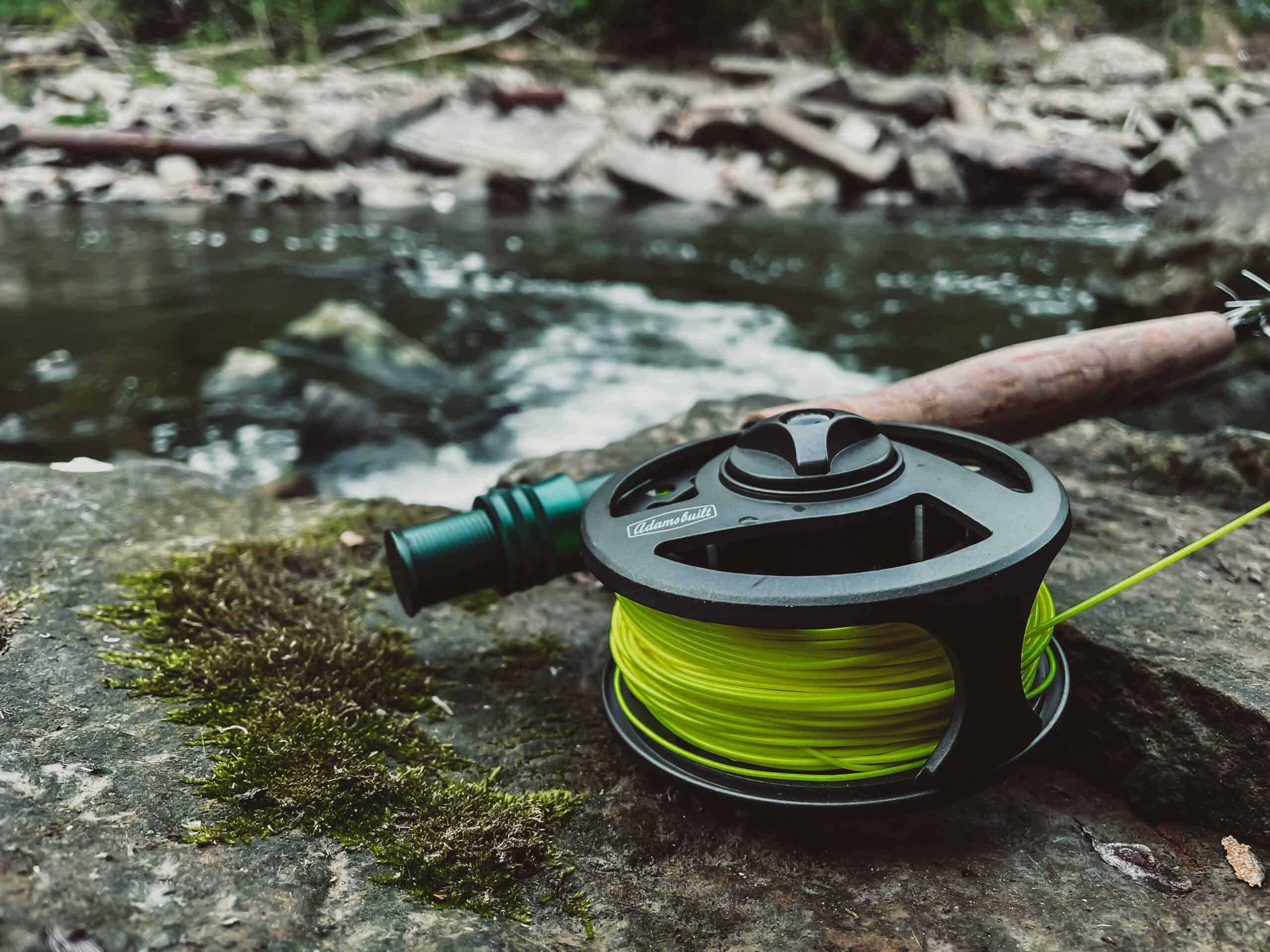
To choose fishing line, match the line type, monofilament, fluorocarbon, or braid, and its pound-test strength to your target fish, technique, and water clarity, using mono for beginners and topwater, fluorocarbon for clear water and abrasion resistance, and braid for strength and sensitivity. Choosing the right fishing line is about pairing type and strength to the fishing you actually do. For strength specifics, see what pound fishing line to use, and the full method is below.
Quick Answer
Pick your line type first: monofilament is cheap, forgiving, and floats; fluorocarbon is nearly invisible, sinks, and resists abrasion; braid is thin, strong, and highly sensitive. Then match the pound test to your target fish and cover. Beginners do well starting with monofilament, upgrading to fluorocarbon or braid as their technique and target species demand.
Key Takeaways
- Choose the line type before the pound test.
- Monofilament is forgiving and best for beginners.
- Fluorocarbon suits clear water and abrasion resistance.
- Braid offers strength and sensitivity for heavy cover.
- Match pound test to your fish, technique, and cover.
The Three Main Types of Fishing Line
Almost every line falls into one of three categories, and knowing their strengths is the foundation of choosing well. Monofilament is a single nylon strand that is inexpensive, stretchy, floats, and ties easy knots, which makes it forgiving and beginner-friendly. Fluorocarbon is nearly invisible underwater, sinks, resists abrasion, and has low stretch, making it excellent for clear water and finesse presentations. Braided line is made of woven fibers, giving it a thin diameter, almost no stretch, and exceptional strength and sensitivity, ideal for heavy cover and long casts. Each has a place, and many anglers use different types for different situations.
Fishing Line Types at a Glance
| Line type | Best for | Trade-off |
|---|---|---|
| Monofilament | Beginners, topwater, value | More stretch, less sensitive |
| Fluorocarbon | Clear water, finesse, abrasion | Pricier, stiffer |
| Braid | Heavy cover, sensitivity, strength | Visible, needs a leader |
How to Match Line to Your Fish and Technique
The fish and how you catch them drive the choice. For panfish, trout, and general beginner fishing, light monofilament is forgiving and affordable. For bass in clear water or finesse techniques, fluorocarbon’s invisibility and sensitivity shine. For pulling fish out of heavy weeds, docks, or timber, braid’s strength and lack of stretch let you set the hook and haul them free. Many anglers combine types, spooling braid as a main line with a fluorocarbon leader to get sensitivity and stealth together. Our guide on lines for different techniques breaks this down further.
What Pound Test to Choose
Pound test is the line’s rated breaking strength, and matching it to your quarry matters as much as the type. Too light and you risk break-offs on bigger fish; too heavy and you lose casting distance, sensitivity, and stealth. As a rough guide, 4 to 8 pound suits panfish and trout, 8 to 12 pound covers bass and most freshwater, and heavier lines handle big fish and heavy cover. The full breakdown is in what pound fishing line to use. Always keep your line strength within what your rod and reel are designed to handle.
Line for Clear vs Murky Water
Water clarity should steer your choice too. In clear water, fish get a good look at your line, so a low-visibility option like fluorocarbon, or a fluorocarbon leader on braid, helps you get more bites. In murky or stained water, visibility matters far less, so you can use braid or monofilament freely and lean on their other strengths. If you are deciding specifically between the two clear-water contenders, our comparison of fluorocarbon vs monofilament covers when each wins. Matching line visibility to the water is one of the easiest ways to improve your catch rate.
Matching Line to Your Reel
Your reel and how you spool it also shape the decision. Spinning reels handle monofilament and fluorocarbon well and pair nicely with braid when you add a leader, while some lines manage better on certain reels than others. Match the pound test and line diameter to your reel’s rated capacity, and spool it properly to avoid twists and tangles, as covered in how to spool a fishing reel. Using line that fits your reel and setup prevents many of the frustrations, like tangling, that new anglers run into.
When to Choose Braided Line
Braid deserves its own consideration, because it behaves very differently from the other two. Made of woven fibers, it is remarkably thin for its strength, has almost no stretch, and is extremely sensitive, so you feel light bites and structure clearly. Those traits make it excellent for fishing heavy cover, where its strength lets you pull fish out of weeds and timber, and for techniques where sensitivity matters. Its downsides are that it is visible in clear water and can slip on a bare spool. Many anglers solve the visibility issue by tying on a fluorocarbon leader, and the slipping issue by backing it with monofilament. If you fish thick cover or want maximum sensitivity, braid earns a place in your lineup.
Recommended Reading
- braided vs monofilament, a key line matchup.
- lines for different techniques, matched to methods.
- the best bass fishing lines, specific picks.
- how to spool a reel, load it right.
- beginner spinning reels, a good starter reel.
- barometric pressure fishing
- baitcasting reels for beginners
- bass fishing rods
- bite alarms for fishing
- catfish rods and reels
- crankbaits for bass
- crappie fishing rods
- ferro rods for fire starting
- fish finders for beginners
- fishing bobbers and floats
- fishing fillet knives
- fishing gloves
- fishing hook removers
- fishing kayaks for anglers
- fishing line spoolers
- fishing lures for bass
- fishing nets and landing nets
- fishing pliers and tools
- fishing rod cases and tubes
- fishing rod holders for boats
- fishing rod reel combos for beginners
- fishing rod repair kits
- fishing scales
- fishing swivels and snaps
- choosing hunting gear
The Bottom Line
Choosing fishing line comes down to two decisions: the type and the pound test. Pick monofilament for forgiveness and topwater, fluorocarbon for clear water and abrasion resistance, or braid for strength and sensitivity, then match the strength to your target fish and cover. Beginners are well served starting with monofilament and adding the others as their fishing grows more specific. There is no single perfect line, only the right line for the water, the technique, and the fish in front of you.
Choosing Fishing Line FAQ
What is the best fishing line for beginners?
Monofilament is the best starting line. It is inexpensive, stretchy and forgiving, ties easy knots, and handles well on spinning reels. As your technique develops and you target specific species or conditions, you can add fluorocarbon or braid to your kit.
What’s the difference between mono, fluorocarbon, and braid?
Monofilament is a stretchy, floating single strand that is cheap and forgiving. Fluorocarbon is nearly invisible, sinks, and resists abrasion. Braid is thin, extremely strong, and sensitive with almost no stretch. Each suits different water conditions and techniques.
What pound test line should I use?
Match it to your fish: 4 to 8 pound for panfish and trout, 8 to 12 pound for bass and general freshwater, and heavier for big fish or heavy cover. Staying within your rod and reel’s rating keeps everything balanced and casting well.
Does fishing line color matter?
In clear water, yes; a low-visibility line like fluorocarbon or a clear leader helps. In stained or murky water, color matters much less. High-visibility lines can also help you watch for subtle bites, especially with a low-vis leader tied on for stealth.
How often should I replace fishing line?
Replace monofilament and fluorocarbon every season or two, or sooner if they show nicks, memory, or fading. Braid lasts much longer, often several seasons. Inspect line regularly for abrasion and weak spots, and re-spool before it fails on a fish.
Can I use braid on a spinning reel?
Yes, and it is popular for its thin diameter and sensitivity. Because braid is visible and has no stretch, many anglers add a fluorocarbon leader for stealth and shock absorption. Spool it carefully, often over a mono backing, to prevent slipping on the spool.
Should I use a leader with braid?
Often yes. Because braid is visible and has no stretch, many anglers tie a fluorocarbon or monofilament leader to the end for stealth and shock absorption. This combines braid’s strength and sensitivity with the leader’s invisibility or forgiveness.
What line is best for spinning reels?
Monofilament and fluorocarbon both handle well on spinning reels, and braid works too, usually with a leader and a mono backing to prevent slipping. Match the line diameter and pound test to the reel’s rated capacity for smooth performance.
Can I mix different types of fishing line?
Yes, and many anglers do. A common setup runs braid as a strong, sensitive main line with a fluorocarbon or monofilament leader tied on for stealth or forgiveness. Mixing line types lets you combine their strengths rather than accepting the trade-offs of just one.
