
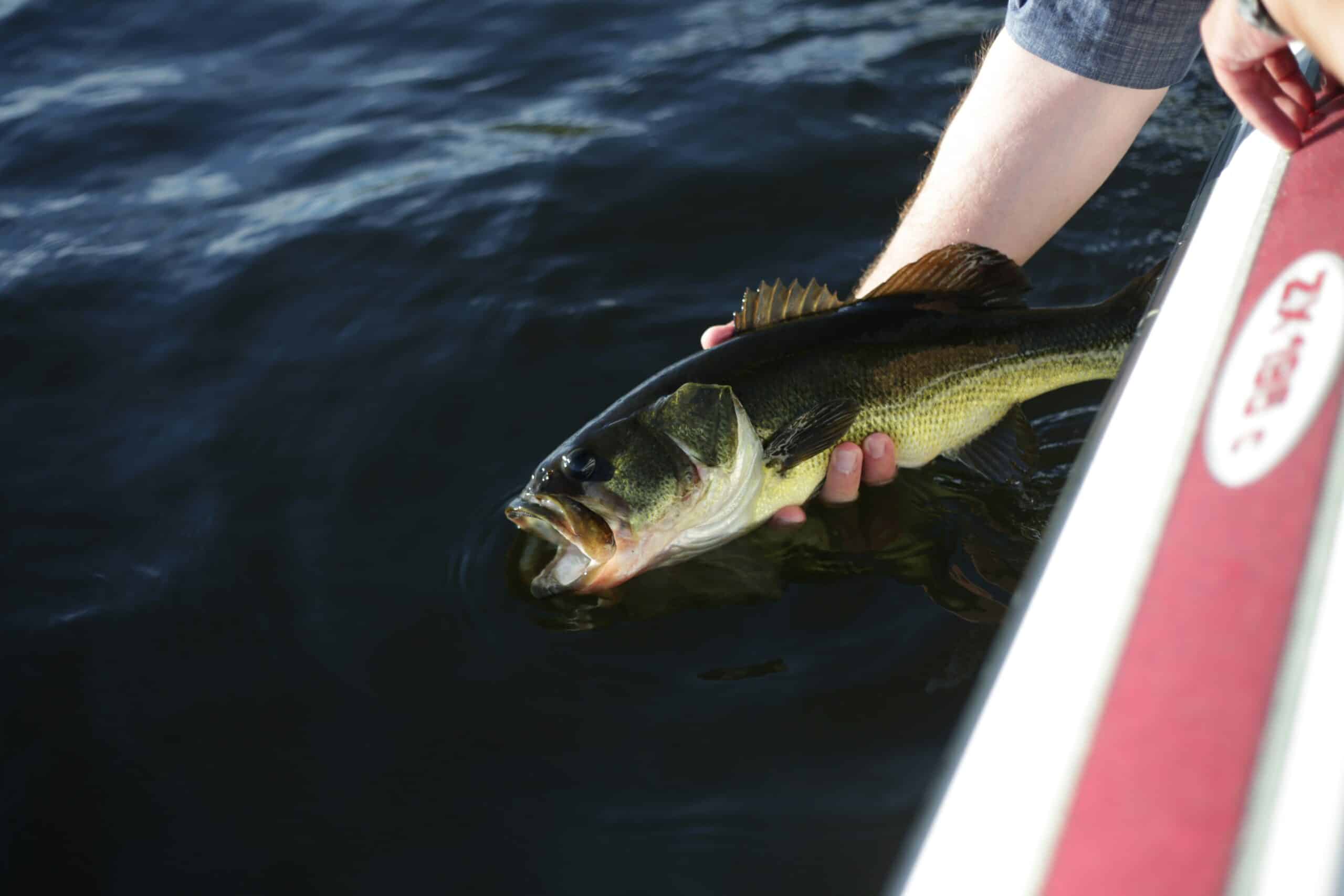
The best crankbaits for bass are the ones whose diving depth matches the water you are fishing, from shallow squarebills that deflect off cover to deep divers that reach fish holding on offshore structure. Choosing a crankbait for bass is less about the fanciest lure and more about covering water at the right depth with a bait that bumps into cover and triggers reaction strikes. This is one piece of a bigger tackle picture, so it pairs naturally with the rest of your bass lure selection. Here are the crankbait styles worth carrying and when each one shines. If you are weighing options, our guide on our guide to catching bass goes deeper.
Quick Verdict
Carry a squarebill for shallow cover, a medium diver for the 3-to-8-foot zone, and a deep diver for offshore structure, plus a lipless crankbait to search any depth. Match the bait’s dive depth to the water, pick natural colors in clear water and bright ones when it is stained, and let the bait deflect off cover to draw strikes.
Why Trust This Guide
Independent picks, reader-supported through affiliate links at no cost to you. Selections draw on how crankbaits are actually fished for bass and the categories that cover the water column, referencing the brands and designs anglers rely on. Recommendations are based on real fishing application, not hype.
Key Takeaways
- A crankbait’s bill shape and size set how deep it dives.
- Match the dive depth to the water you are fishing.
- Squarebills excel in shallow cover; deep divers reach offshore fish.
- Deflecting off cover triggers reaction strikes.
- Natural colors suit clear water; bright colors suit stained water.
How We Picked These Crankbaits
We grouped picks by diving depth and design, since that is what determines where a crankbait works, then considered action, durability, and how well each deflects off cover. Bass crankbaits from makers like Rapala, Strike King, Berkley, Rebel, and Bomber span shallow squarebills to deep divers, and the right one depends entirely on the depth you need to reach. The point many lure lists skip: a crankbait catches bass largely by hitting cover and briefly deflecting, so choosing one that runs at the depth of the cover matters more than the exact color. Picks below cover the whole water column.
Season shapes the choice, too. In spring, squarebills and flat-sides shine as bass move shallow to feed; through summer, medium and deep divers reach fish that have pulled out to structure; and in fall, lipless baits and squarebills excel as bass chase shad. Water temperature and clarity change day to day, so carrying a spread across depths lets you adjust rather than forcing one bait to do everything.
Squarebill Crankbait
Why It Stands Out
A squarebill crankbait is the shallow-cover specialist, running one to four feet and deflecting cleanly off rock, laydowns, and dock pilings. That square lip makes it deflect rather than snag, and the ricochet off cover is exactly what triggers reaction strikes. Strike King’s KVD squarebill is a well-known example of the style.
Worth Knowing
Squarebills shine when bass are shallow and relating to cover, which is common in spring and around any structure year-round. Because you are fishing near snags, keep spare baits, since some losses come with the territory.
This is for the angler fishing shallow cover, rip-rap, or wood, especially in spring or anytime bass push up shallow. Someone cranking a bank lined with laydowns will do well with it. Skip a squarebill when bass are holding deep offshore, where it simply cannot reach them.
Medium-Diving Crankbait
Why It Stands Out
A medium-diving crankbait covers the productive three-to-eight-foot zone where bass spend much of the year, making it one of the most versatile searchbaits you can tie on. It reaches fish holding on points, ledges, and grass edges that shallow baits miss.
Worth Knowing
Rapala’s DT series and similar designs are built to hit a specific depth and hold it. Cranking one on a longer, moderate-action rod helps bass stay pinned on the treble hooks.
This suits the angler searching mid-depth structure and transition zones, which describes a lot of everyday bass fishing. Someone working points and creek channels gets the most from it. Skip a medium diver when fish are either right on the surface in cover or way out deep, where a squarebill or deep diver fits better.
Deep-Diving Crankbait
Why It Stands Out
A deep-diving crankbait reaches bass holding on offshore structure at ten feet and beyond, a zone many anglers never effectively fish. Its long bill drives it down, letting you contact deep ledges, humps, and channel edges where summer and winter bass stack up.
Worth Knowing
Deep cranking is physical, so a long cranking rod and the right line help you reach depth and fight the lure’s resistance. Lighter, less-stretchy line and long casts get the bait deeper.
This is for the angler targeting offshore fish in summer or winter, or anyone fishing deep ledges and points. Someone on a lake with defined offshore structure benefits most. Skip a deep diver in shallow water, where it fouls on the bottom before reaching a working depth.
Lipless Crankbait
Why It Stands Out
A lipless crankbait, or rattlebait, sinks and can be fished at any depth by counting it down, making it a superb searchbait for covering water fast. Its tight wobble and loud rattles call bass from a distance, and it excels around grass, where you rip it free of the vegetation to trigger strikes.
Worth Knowing
Because it sinks, you control depth with your retrieve and countdown rather than a bill. It shines in cooler water and over submerged grass flats, and the exposed trebles do catch weeds.
This suits the angler covering large flats, grass, or schooling fish, and anyone wanting one bait for many depths. Someone searching a big grassy flat in spring or fall gets real value. Skip a lipless bait in heavy wood cover, where the treble hooks snag constantly.
Flat-Sided Crankbait
Why It Stands Out
A flat-sided crankbait has a tighter, subtler wobble that excels in cold or clear water, when bass want a more natural, less aggressive action. Its thin profile and quiet approach draw strikes when a wide-wobbling bait is too much.
Worth Knowing
Flat-sides are a cold-water and finesse tool, often at their best in late winter and early spring. Many are balsa or lightweight builds that need a smooth cast on lighter tackle.
This is for the angler fishing cold, clear water or pressured fish that ignore aggressive baits. Someone cranking a clear reservoir in early spring benefits most. Skip a flat-side in warm, stained water, where a wider-wobbling square or round bill calls fish better.
Balsa or Wood Crankbait
Why It Stands Out
A balsa or wood crankbait has a lively, buoyant action that plastic can struggle to match, floating up quickly on the pause and hunting with an erratic wobble. That buoyancy helps it back out of cover and gives a natural, animated feel prized by many bass anglers.
Worth Knowing
Balsa baits like Rapala’s classic designs cost more and are more delicate than plastic, but the action is the payoff. They cast a bit lighter, so a softer rod tip helps.
This suits the angler who wants premium action and buoyancy for deflecting off cover, or fishing finicky, pressured bass. Someone chasing that lively hunting action will appreciate it. Skip pricey balsa baits when you are fishing heavy snags and would rather lose cheaper plastic lures.
Bass Crankbaits at a Glance
| Type | Depth range | Best for |
|---|---|---|
| Squarebill | 1–4 ft | Shallow cover, deflection |
| Medium diver | 3–8 ft | Versatile mid-depth search |
| Deep diver | 10+ ft | Offshore structure |
| Lipless | Any (countdown) | Grass, flats, fast search |
| Flat-sided | Shallow–mid | Cold, clear water |
| Balsa/wood | Varies | Buoyant, lively action |
How to Choose a Crankbait for Bass
Match the dive depth to the water
This is the most important choice. Pick a bait that runs at or just into the depth of the cover or structure you are fishing, since a crankbait is most effective when it is ticking the bottom or brushing cover.
Pick color by water clarity
Use natural shad and crawfish patterns in clear water, and brighter chartreuse or bold colors in stained or muddy water. Let visibility guide the choice rather than personal favorites.
Consider the wobble
Wide, aggressive wobbles call fish in warm or stained water, while tight, subtle actions win in cold or clear water. Match the action to the conditions and the mood of the fish.
Think about cover
Squarebills and round bills deflect off wood and rock well, while lipless baits foul in wood but tear free of grass. Choose a bait whose design suits the cover you are fishing.
Crankbait vs Spinnerbait for Bass
When a crankbait wins
A crankbait excels at a precise, repeatable depth and at deflecting off hard cover, making it ideal for cranking rock, wood, and defined structure. When you need to target a specific depth zone, it is hard to beat.
When a spinnerbait wins
A spinnerbait is more weedless and versatile through cover and at varied depths, and its flash suits stained water and active fish. If you are fishing snaggy cover or want a bait you can slow-roll or burn, the spinnerbait is the more forgiving choice.
Common Crankbait Mistakes to Avoid
Fishing the wrong depth
A bait that never reaches the fish or the cover will not produce. Match the crankbait’s diving depth to the water, and let it contact the bottom or cover.
Reeling too steadily
A constant retrieve can be less effective than one with pauses and deflections. Let the bait bump cover and hesitate, which often triggers the strike.
Ignoring water clarity for color
The right color depends on visibility, not preference. Go natural in clear water and bright in stained water rather than tying on the same color everywhere.
Using stiff line and a fast rod
A broomstick rod pulls trebles free on the strike. A moderate-action cranking rod and appropriate line keep more bass hooked.
Recommended Reading
- bass lures overall, the broader lineup crankbaits fit into.
- jigs for bass, for slower, bottom-focused presentations.
- catching bass as a beginner, to tie it all together.
- bass fishing rods, including cranking rods for these baits.
- choosing fishing line
Bass Crankbait FAQ
What is the best crankbait for bass beginners?
A squarebill and a medium diver are the best starting pair, since they cover shallow cover and the versatile mid-depth zone where most bass are caught. Add a lipless crankbait to search flats and grass, and you can handle most situations.
How deep does a crankbait dive?
It depends on the bill and design: squarebills run about one to four feet, medium divers three to eight feet, and deep divers ten feet or more. The package usually lists a target depth, and line size and cast length affect it too.
What color crankbait should I use?
Match color to water clarity: natural shad and crawfish patterns in clear water, and brighter chartreuse or bold colors in stained or muddy water. When unsure, a shad pattern is a reliable all-around choice.
What rod and line are best for crankbaits?
A moderate-action cranking rod that bends into the bait helps keep bass hooked on the treble hooks, unlike a stiff fast rod that pulls them free. Line choice affects diving depth, with thinner line letting baits run deeper.
When should I use a lipless crankbait?
Lipless crankbaits shine over submerged grass and on open flats, and for covering water fast to locate fish. Rip them free of grass to trigger strikes, and count them down to fish different depths.
How fast should I reel a crankbait?
Vary your speed until the fish tell you what they want, but a moderate retrieve that keeps the bait ticking cover or bottom is a good default. In cold water, slow down and add pauses; in warm water, a steady or slightly faster retrieve can trigger reaction strikes.
Why do crankbaits catch bass off cover?
The deflection is the trigger. When a crankbait ticks a rock or piece of wood and momentarily veers off, it mimics fleeing prey, which prompts a reaction strike. Fishing a bait that deflects off cover is more effective than one reeled through open water.
