
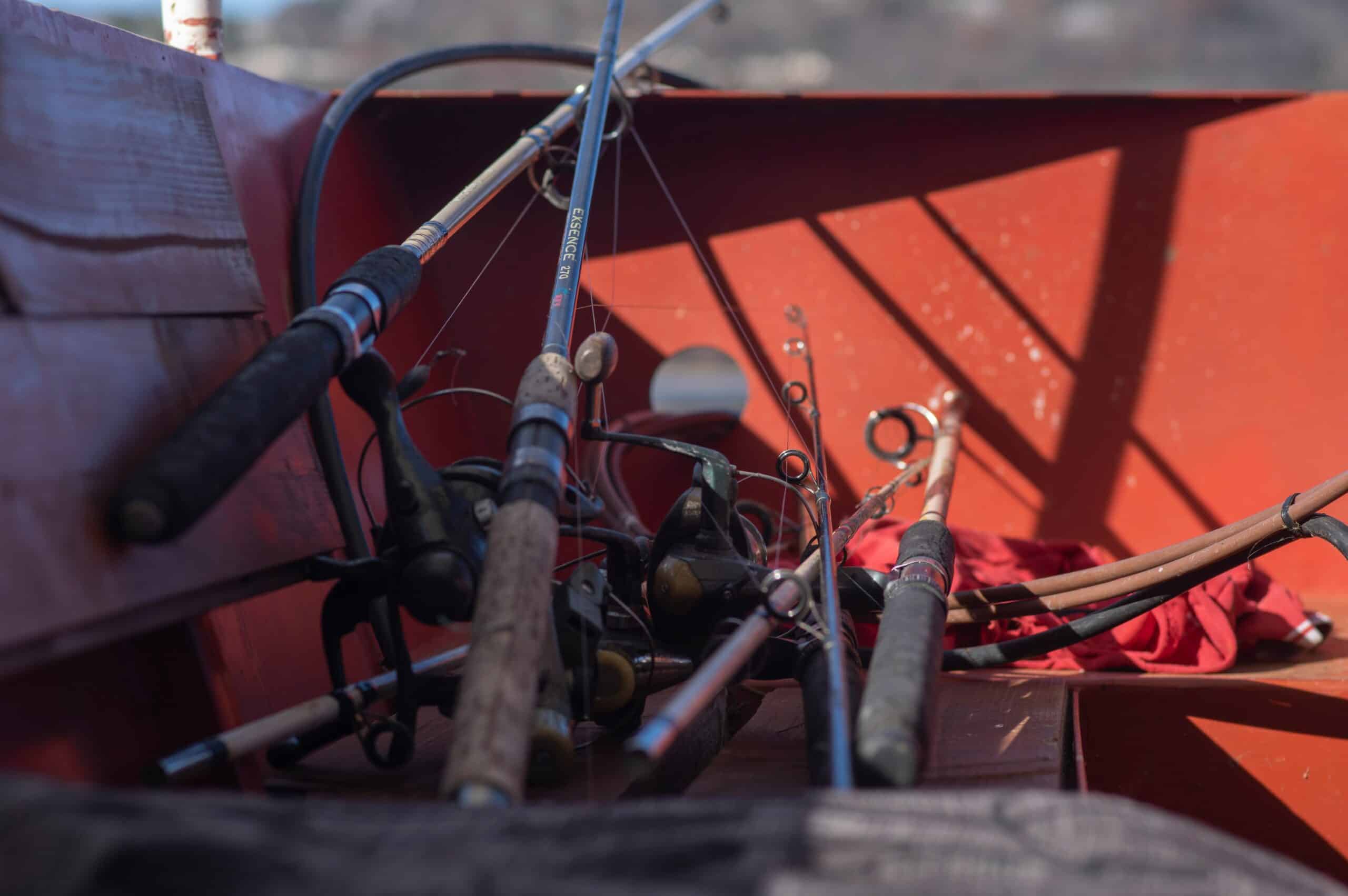
Rod tips break in car doors, in rod holders, under tailgates, and against ceiling fans far more often than they break fighting fish. The repair is genuinely simple, takes about fifteen minutes, and costs a fraction of a replacement rod. What stops people is not difficulty but not knowing it is possible, so the rod goes in the garage and a new one gets bought. Our roundup of rod cases and tubes covers preventing it in the first place.
Quick Verdict
A multi-size kit with assorted tip tops and hot melt glue handles nearly every break. Match the tube diameter to the blank and the ring size to your line, and keep the guide aligned with the others while the glue sets.
Key Takeaways
- Most tip breaks are handling damage, not fishing damage.
- Kits with assorted sizes beat guessing a single replacement.
- Hot melt glue is the standard adhesive and is reversible with heat.
- Alignment with the existing guides matters as much as the glue.
- A break far down the blank is a different repair with real trade-offs.
How We Picked
Kits are grouped by what they let you fix, since a tip top replacement and a mid-blank break are different jobs with different odds of success. Size range is weighted heavily, because a kit missing your diameter is no use at the moment you need it.
Selections reflect included sizes and materials. Descriptions come from product research rather than from rods repaired side by side.
1. A Multi-Size Tip Top Kit, Best Overall
Why It Stands Out
An assortment covering a range of tube diameters means you have the right size when the break happens, rather than measuring and ordering while the trip is already lost.
Most kits include glue, which is the other thing you would otherwise be missing.
Worth Knowing
Cheaper kits use lower grade ring inserts, which wear grooves under braided line over time and then damage the line running through them.
Check whether the ring sizes suit your line as well as the tube fitting the blank. Our note on braided and monofilament line covers why the insert matters.
This suits anyone who owns more than one rod. Skip it only if you have a known single size.
2. Hot Melt Rod Glue, Best Adhesive
Why It Stands Out
Hot melt is the standard for tip tops because it softens with heat, so a misaligned guide can be reheated and rotated rather than being permanently wrong.
It also fills the gap between blank and tube, which epoxy does less neatly.
Worth Knowing
The same heat sensitivity means a rod left in a hot car can loosen a tip, which is worth knowing before storing rods in summer.
Overheating the blank while melting glue can damage graphite, so gentle heat and patience matter. Our roundup of fishing pliers and tools covers what to grip it with.
This suits every tip repair. Skip it only if using a purpose-made epoxy.
3. Individual Tip Tops, Best for a Known Size
Why It Stands Out
If you already know the diameter, buying the exact part costs a fraction of a kit and gets you a better quality guide for the money.
Higher grade inserts resist grooving from braid, which is the failure mode that ends a cheap guide.
Worth Knowing
Measuring accurately matters, since tube sizes step in small increments and a loose fit relies on glue alone to hold.
Keeping the old tip helps, since matching it directly is easier than measuring a broken blank.
This suits a known repair. Skip it as your only preparation, since the next break will be a different size.
4. A Full Guide Repair Kit, Best for Mid-Blank Damage
Why It Stands Out
Broken or cracked guides along the blank need thread wrapping and finish rather than a glued tube, and a full kit includes the thread, epoxy finish, and guides to do it.
It also covers replacing a worn guide before it starts damaging line.
Worth Knowing
This is a longer job than a tip top, involving removing the old wrap, wrapping thread evenly, and applying finish that needs turning while it cures.
A cracked insert with an intact frame is often the actual problem, and inserts alone can sometimes be replaced.
This suits guide damage along the blank. Skip it for a simple tip break.
5. A Rod Tip Protector Set, Best Prevention
Why It Stands Out
Most tip damage happens in transit rather than on the water, and a protective cap over the tip section costs very little against the repair it avoids.
They also stop guides catching on everything in a truck bed.
Worth Knowing
A cap protects the very end and does nothing for the blank a foot down, which is where car door damage usually lands.
Proper tubes protect the whole rod and take more space. Our roundup of rod holders for boats covers securing rods in transit.
This suits anyone transporting rods regularly. Skip it if rods travel in hard tubes already.
6. A Ferrule and Blank Repair Kit, Best Last Resort
Why It Stands Out
A break well down the blank can sometimes be spliced with an internal spigot and wrapping, which turns a written-off rod into a usable one.
For a rod with sentimental or replacement-cost value, that is worth attempting.
Worth Knowing
A spliced blank never has its original action, and the repair creates a stiff section that changes how the rod loads. Manage expectations rather than expecting the rod back.
These repairs also fail under real load more often than tip repairs do. Our note on casting a fishing rod covers what a changed action affects.
This suits high-value rods. Skip it for an inexpensive rod, where replacement is simpler.
Repair Types at a Glance
| Damage | Fix | Difficulty | Rod after |
|---|---|---|---|
| Broken tip top | New tip top, hot melt | Easy | As before |
| Tip snapped an inch down | Tip top on shortened blank | Easy | Slightly faster action |
| Cracked guide insert | Replace guide or insert | Moderate | As before |
| Loose guide wrap | Rewrap and refinish | Moderate | As before |
| Mid-blank break | Spigot splice | Hard | Changed action |
| Break near the handle | Generally not worth it | Hard | Compromised |
How the Tip Repair Works
Remove what remains of the old tip by heating it gently until the glue softens, then pulling it free. Clean the old glue off the blank.
Select a tube that slides on snugly rather than loosely. If the break took an inch off the blank, the diameter has increased slightly, so the old size may no longer fit.
Melt a small amount of glue onto the blank end, slide the tip on, and rotate it so the ring lines up with the other guides. Sight down the rod to check before the glue sets, and reheat gently to adjust if it is off.
Alignment matters as much as adhesion, since a tip out of line puts uneven load on the blank and feeds line at an angle. Our note on cleaning a fishing reel covers other maintenance worth doing at the same time.
What to Look For
Does the kit cover your sizes?
Tube diameters step in small increments, and a kit missing yours is useless at the moment it matters. Assortments beat single sizes.
What are the inserts made of?
Cheap inserts groove under braided line and then damage the line. This is where kit quality shows over a season.
Is glue included?
Hot melt is the standard and is reversible with heat, which matters for correcting alignment. Kits without it need a separate purchase.
Is the break worth repairing?
Tip repairs restore the rod. Mid-blank splices change the action permanently and are worth it only on a rod you value.
Repair or Replace?
Repair the tip
Cheap, quick, and the rod performs essentially as before. Losing an inch of blank makes the action marginally faster and most people do not notice.
Replace the rod
Breaks near the handle or in the middle of the blank, on inexpensive rods, where the repair costs more effort than the rod is worth and never restores original performance. Our roundup of rod and reel combos covers replacement.
Common Repair Mistakes to Avoid
Overheating the blank
Graphite is damaged by excessive heat. Warm the old tip enough to soften glue rather than applying flame to the rod.
Guessing the tube size
A loose tip relies entirely on glue and will come off under load. Measure, or take the old tip along.
Setting the guide out of line
An unaligned tip feeds line at an angle and loads the blank unevenly. Sight down the rod before the glue sets.
Storing rods in a hot car
Hot melt softens, and a tip that survived the repair can loosen in summer heat. Our roundup of tackle backpacks covers transport.
Recommended Reading
See our roundup of line spoolers, our note on choosing fishing line, our guide to tackle boxes, and a roundup of spinning reels for beginners.
Rod Tip Repair FAQ
Can I repair a broken rod tip myself?
Yes, and it is one of the easier repairs in fishing. Heat the old tip to soften the glue, clean the blank, glue on a correctly sized replacement, and align it with the other guides. Fifteen minutes covers most cases.
What size tip top do I need?
One whose tube slides snugly onto the blank without forcing. Sizes step in small increments, so an assortment kit is more practical than guessing. If the break shortened the blank, the diameter has grown and the old size may not fit.
What glue should I use?
Hot melt rod glue is the standard, mainly because it softens with heat, so a misaligned tip can be corrected rather than being permanently wrong. Epoxy holds well and gives up that adjustability.
Does losing an inch of blank matter?
Slightly. A shorter rod is marginally faster in action and casts a touch differently, and most anglers do not notice on a tip break. Larger losses further down the blank change the rod considerably more.
Can a rod broken in the middle be fixed?
Sometimes, with an internal spigot splice and wrapping, and the result never has the original action. The repair creates a stiff section and is more likely to fail under load, so it suits valuable rods rather than inexpensive ones.
Why did my repaired tip come off?
Usually a tube that was too large, relying on glue to fill the gap, or heat. Hot melt softens in a hot car, so a rod stored in summer heat can shed a tip that was otherwise fine.
How do I stop breaking tips?
Most damage happens in transit rather than fishing. Rod tubes, tip protectors, and paying attention around car doors and tailgates prevent far more breaks than anything you do on the water.
Do cheap tip tops damage line?
They can. Lower grade inserts groove under braided line over time, and once grooved the guide starts abrading the line running through it. Better inserts resist this and cost little more.
