
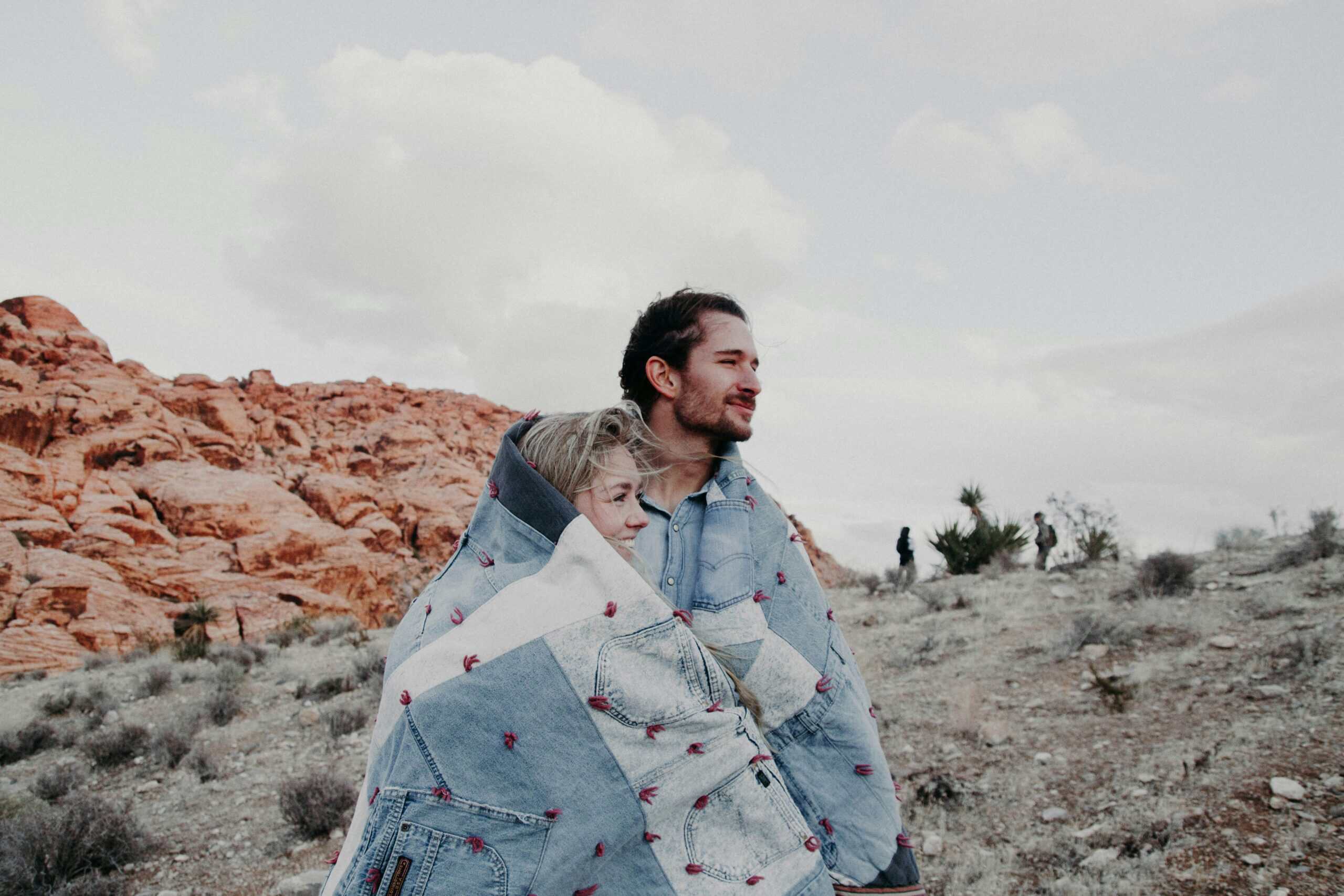
A backpacking quilt is a sleeping bag with the back panel and the zipper removed, and it stays warm because it straps to your sleeping pad instead of wrapping under you. That single change explains why the best backpacking quilts weigh less than comparable bags while keeping a similar comfort range. Insulation crushed flat beneath your hips traps almost no air, so removing it costs very little warmth.
The honest verdict across the whole category looks like this. A down quilt cut for three-season use is the right pick for most hikers, since it gives the widest range of nights per ounce carried. Side sleepers and restless sleepers should size up to a wide cut rather than chase a colder rating. Anyone hiking damp coastal or shoulder-season routes gains more from synthetic fill than from a lighter shell. And every one of those choices only works on top of a sleeping pad with enough R-value, because the ground steals heat that no quilt can replace.
Backpacking Quilts at a Glance
| Quilt type | What it is good at | The tradeoff |
|---|---|---|
| Down, three-season cut | Best warmth for the weight across spring, summer, and fall | Loses loft when it gets damp and costs more to replace |
| Synthetic fill | Keeps usable warmth in humid air and after condensation | Bulkier in the pack and heavier at the same comfort range |
| Wide cut | Seals drafts for side sleepers and people who roll | Extra fabric and fill add ounces you carry all day |
| Closed footbox | Removes the coldest draft point with zero fiddling | Cannot open flat, so hot nights get uncomfortable |
| Ultralight summer | Lowest carried weight for warm nights and long miles | Runs out of range fast when temperatures drop |
| Hammock pairing | Solves compression under a hanging body | Needs a second piece of insulation underneath |
Key Takeaways
- A quilt has no back insulation on purpose, because fill compressed under your body does almost no work.
- Your pad carries every bit of ground insulation, so R-value matters more than the number printed on the quilt.
- Draft control at the edges is the skill that makes or breaks a quilt, and strap tension is how you control it.
- Wide cuts suit side sleepers better than colder ratings do, since most cold nights come from gaps rather than thin fill.
- Down wins on weight and packed size, while synthetic holds up better through damp stretches.
- Warm sleepers gain the most from switching, and very cold sleepers often gain the least.
How We Picked
We compared quilt categories rather than individual units, because fit and setup drive comfort far more than any single model detail. Brand claims about comfort ranges vary widely, and none of them account for your pad, your clothing, or how much you move at night. So these recommendations describe types of quilts and who each type suits.
We weighted three things heavily. First, how well the design manages drafts along the open edges, since that is where nearly every cold night starts. Second, whether the fill type matches realistic trail conditions instead of ideal ones. Third, how forgiving the cut is for people who change position in their sleep.
We deliberately did not rank by temperature rating. Two quilts with the same rating perform very differently once pad R-value and strap fit enter the picture. Hikers tracking base weight should also note that the weight saved on a quilt sometimes gets spent on a warmer pad, which is a fair trade rather than a free one.
1. Down Quilts for Three-Season Use
Why It Stands Out
Down remains the most efficient insulation per ounce, and a quilt removes the part of a bag where that efficiency goes to waste. A three-season cut gives enough fill to handle cool spring and fall nights while still opening up when the air turns mild. For most hikers, this combination covers the widest span of trips with one piece of gear.
Higher fill power means the down traps more air for the same weight, which is why premium fill packs smaller. That matters in a small pack where volume runs out before weight does. A down quilt also drapes closely, so it seals against your shoulders without needing extra bulk.
Worth Knowing
Down loses loft when it absorbs moisture, and loft is the warmth. Water-resistant treatments slow that down, but they do not remove the risk on a multi-day trip with heavy condensation. Careful storage inside a dry sack becomes part of the routine rather than an optional extra.
Best for: hikers who want one quilt for spring through fall and who are willing to manage moisture. Skip it if your routes stay wet for days at a time, or if you know you will not baby your gear.
2. Synthetic Quilts for Damp Climates
Why It Stands Out
Synthetic fill keeps a usable amount of loft when it gets damp, and that changes what you can plan. Coastal trails, rainforest routes, and shoulder-season trips all produce condensation inside a tent night after night. A synthetic quilt shrugs that off instead of slowly flattening.
Worth Knowing
The honest downside is bulk. Synthetic fill needs more volume to reach the same warmth, and that volume competes with food and water inside your pack. On a long resupply stretch, that space matters.
Best for: hikers in humid or rainy regions and anyone who wants durability over minimum weight. Skip it if pack volume is tight or if grams drive your whole setup.
3. Wide Quilts for Side Sleepers and Restless Sleepers
Why It Stands Out
Most cold nights under a quilt come from gaps, not from thin insulation. A wider cut gives you enough fabric to tuck under your body when you roll onto your side. That surplus is what keeps the seal intact through a full night of movement.
Side sleepers change shape the moment they turn, since knees and shoulders push outward. A standard cut runs out of material at exactly that point. Extra width absorbs the movement instead of opening a channel along your back.
Worth Knowing
Width costs weight, and it costs it twice. More shell fabric and more fill both add ounces, which erodes part of the reason you chose a quilt. A wide quilt still usually beats a comparable bag, but the margin narrows.
Best for: side sleepers, stomach sleepers, and anyone who wakes up facing a different direction. Skip it if you sleep still on your back and want the lightest possible setup.
4. Quilts With a Closed Footbox
Why It Stands Out
Feet get cold first, and the foot end of an open quilt is the hardest part to seal. A sewn or permanently closed footbox removes the problem entirely. There is nothing to cinch, tuck, or reposition at two in the morning.
A closed footbox also holds loft better around the toes, because no drawcord pinches the fill into a thin ring. That gives a more even feel across the whole lower half of the quilt.
Worth Knowing
The obvious cost is versatility. You cannot open the quilt flat to use it as a blanket, and you cannot vent your feet on a warm night. That turns a comfortable quilt into a sweaty one once temperatures climb.
Best for: cold-footed sleepers and anyone hiking mostly in cool conditions. Skip it if your trips run warm or if you want one quilt that doubles as a blanket in camp.
5. Ultralight Summer Quilts
Why It Stands Out
A thin summer quilt is the lightest legitimate sleep system you can carry. Less fill, lighter shell fabric, and a trimmer cut all pull weight out. On warm nights, the extra insulation in a three-season quilt does nothing except ride in your pack.
These quilts also pack down to almost nothing, which frees room for food on longer stretches. Hikers pushing big daily mileage feel that difference in both shoulders and pace, especially alongside a genuinely light shelter.
Worth Knowing
The range runs out quickly. A summer quilt has very little reserve when a clear night drops further than forecast, and layering clothing only buys a few degrees. Trips at altitude can produce that surprise in any month.
Best for: warm sleepers, summer routes, and hikers optimizing every ounce. Skip it as a first and only quilt, and skip it entirely for cold-weather trips.
6. Hammock Quilts and Underquilt Pairings
Why It Stands Out
Hanging in a hammock compresses insulation against fabric instead of against a pad, and the result is the same. Whatever sits beneath you stops working. An underquilt hangs outside the hammock so the fill stays lofted, and a top quilt handles everything above.
That pairing solves the coldest complaint about camping hammocks, which is the chilled strip along your back and shoulders. Top quilts made for hammocks also tend to have a generous cut, since you cannot tuck fabric under yourself in a hanging bed.
Worth Knowing
Two pieces of insulation cost more money and more weight than one. Hammock sleepers often end up heavier than ground sleepers once the suspension and the underquilt are counted.
Best for: committed hammock sleepers who camp below tree line. Skip it if you switch between hammock and ground, since a pad-based quilt setup covers both.
What to Look For
How Much Warmth Do You Actually Need?
Start with the coldest night you realistically expect, then add margin for how cold you sleep. Comfort ranges are estimates made under conditions that rarely match a real campsite. Cold sleepers should treat any printed number as optimistic rather than conservative.
Down or Synthetic Fill?
Choose down for weight and packed size, and choose synthetic for damp conditions and durability. A useful shortcut is to look at your last five trips. If two of them involved sustained rain or heavy condensation, synthetic earns its bulk.
What Width and Length Fit You?
Length should let you close the top around your shoulders without pulling your feet tight. Width should leave enough fabric to tuck under your hips in your normal sleeping position. Measure while lying on your side if that is how you sleep.
Which Pad Does It Attach To?
Strap systems are built around common pad widths, and a mismatch creates slack you cannot tension away. Check that your pad falls inside the range the strap system expects. Wide pads and thick winter pads cause the most trouble here.
Quilt vs Sleeping Bag
When a Quilt Is the Better Choice
Quilts save real weight and bulk, and they run cooler by design. Warm sleepers benefit immediately, since a bag often traps more heat than they want. Side sleepers also gain freedom, because nothing rotates with them the way a mummy bag does.
When a Sleeping Bag Still Wins
A bag is more forgiving in the cold, and forgiveness matters when the temperature surprises you. Fully enclosed insulation removes the draft problem instead of asking you to manage it. Anyone who thrashes at night will fight a quilt and sleep fine in a standard camping bag.
Bags also skip the setup. There are no straps to tension and no edges to tuck, which suits hikers who arrive at camp exhausted. Beginners often do better learning one system at a time.
What Trips People Up
Drafts Along the Open Edges
Nearly every disappointing first night with a quilt traces back to a draft. Cold air enters where the quilt lifts off the pad, usually at the hips or shoulders. Fixing it means tucking fabric under your body rather than pulling the quilt tighter across the top.
Ignoring Pad R-Value
The pad does all the ground insulation, and a quilt cannot compensate. A summer pad under a cool-weather quilt produces a cold back no matter how much fill sits above you. Matching R-value to the season is the fix.
Strap Tension Set Wrong
Straps should hold the quilt close without pulling it flat against the pad. Too tight compresses the fill along the edges, and too loose opens a gap when you move. Getting this right at home, in a warm room, beats learning it in the dark.
Treating the Rating as a Promise
Two quilts with identical ratings feel different on the same night. Clothing, food intake, pad choice, and shelter all shift the outcome. Building in margin costs a few ounces and prevents a miserable night.
Worth reading next: a quilt only performs as well as the rest of your sleep setup, so it pays to check the other pieces. Getting a comfortable camp pillow sorted removes one more reason to toss and turn, and reviewing how to pack your backpack makes the volume you saved actually useful. If you are rebuilding the whole kit, comparing ultralight tents under two hundred dollars is a sensible next step.
Frequently Asked Questions
Are the best backpacking quilts warm enough for cold weather?
Some are, but the open-edge design asks more of you as temperatures fall. A quilt with plenty of fill, a closed footbox, and correct strap tension handles cold nights well. The problem is that small mistakes cost more warmth in the cold. Hikers who sleep cold or move a lot usually stay more comfortable in a bag once nights turn genuinely freezing.
Why do quilts have no insulation on the back?
Insulation works by trapping air, and body weight crushes that air out. Fill compressed under your hips and shoulders contributes almost nothing to warmth. Removing it saves weight without much warmth penalty. The ground insulation then comes entirely from your sleeping pad, which is why pad R-value becomes the deciding factor in a quilt setup.
Do quilts really save much weight?
Yes, though the saving is measured in ounces rather than pounds. Removing the back panel, the zipper, and the hood cuts both fabric and fill. Packed size shrinks noticeably too. Keep in mind that a quilt sometimes pushes you toward a warmer and heavier pad, which reduces the net gain.
Can side sleepers use a backpacking quilt?
They can, and many prefer it, since nothing twists around them when they turn. The key is choosing a wider cut so there is enough fabric to tuck under your body. Standard widths run out of material exactly when your knees and shoulders push outward. Width solves more side-sleeping complaints than a colder rating does.
What pad R-value pairs with a backpacking quilt?
Match it to the season rather than to the quilt. Summer trips need far less than freezing nights, and cold ground demands more than most hikers expect. A pad that feels fine in July can produce a cold back in October under the same quilt. When in doubt, err toward more R-value.
How do you stop drafts under a quilt?
Tuck the edges under your hips and shoulders instead of tightening the quilt across your chest. Set strap tension so the quilt sits close without compressing the fill flat. Then check the foot end, which is the easiest spot to leave open. A practice night at home reveals most draft points quickly.
Is a quilt a good first sleep system for a beginner?
It can be, but a bag is easier to get right on the first try. Quilts reward setup skill, and beginners often blame the quilt for problems caused by straps or the pad. Starting with a warm-weather trip makes the learning curve much gentler. Cold first trips tend to sour people on the whole category.
