
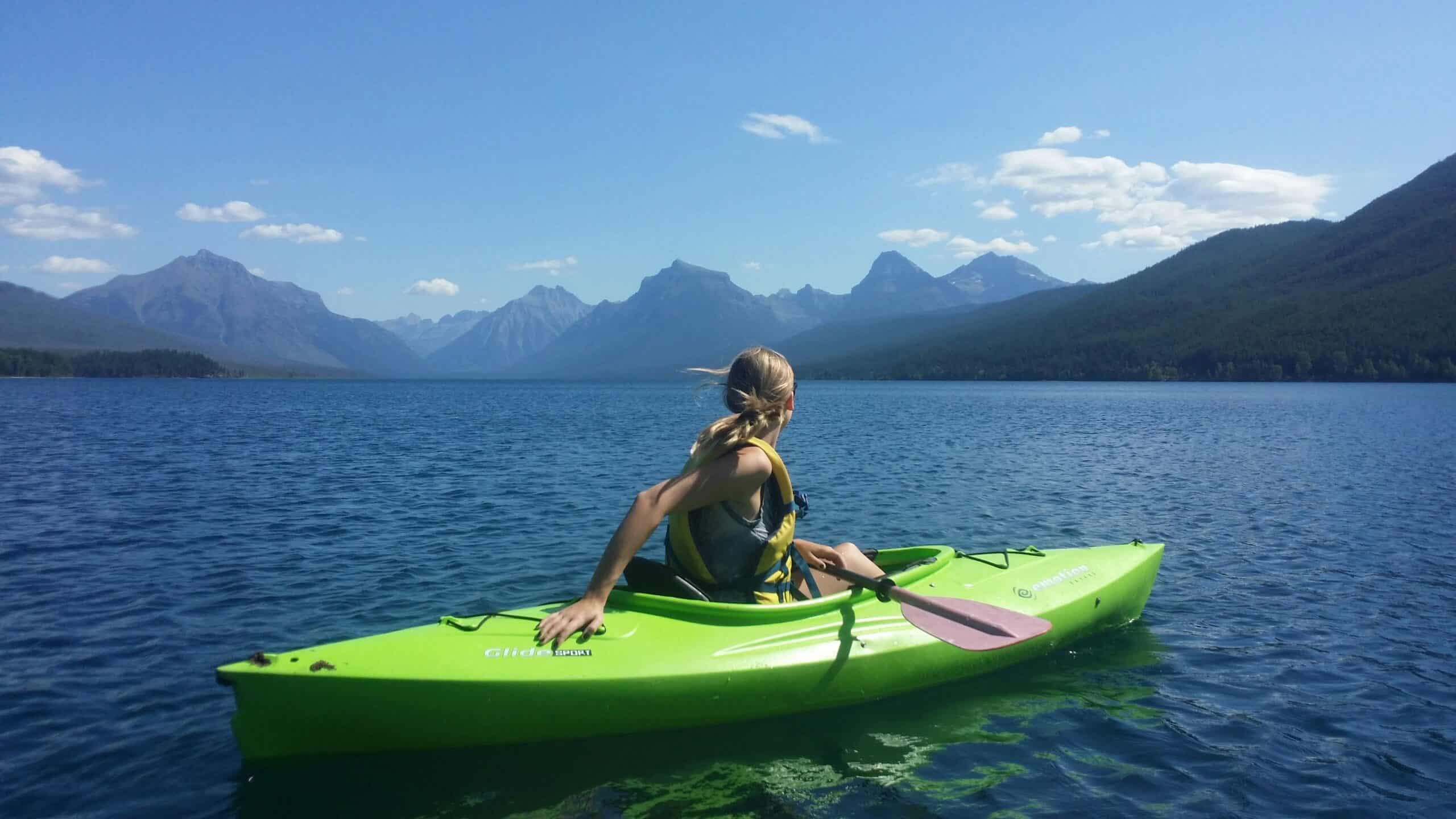
The best kayak life vests solve a problem that paddle sport beginners often discover too late. Generic boating life vests work fine for sitting on motorboats, but restrict the arm and torso movement that kayaking requires. Standard vest cuts ride up during paddling, chafe under arms, and create the discomfort that leads many kayakers to remove vests during longer trips, which defeats the entire safety purpose. Kayak-specific PFDs use cuts, materials, and features designed for paddle sports.
Most kayakers discover the difference between generic and kayak-specific PFDs after their first long trip. The boat dock vest works for 30-minute paddles, but becomes intolerable by hour two. The vest rides up during paddling and prevents proper rotation through the stroke. The bulky generic design eliminates pocket access without removing the vest entirely. Each scenario reveals what experienced paddlers know, proper kayak PFDs make the safety equipment work with paddling rather than against it.
Quality kayak life vests solve three problems at once. US Coast Guard Type III certification ensures actual safety performance during emergencies. Kayak-specific cut accommodates paddling motion without restriction or chafing. Integrated storage and accessories support typical kayaking needs without separate gear additions. Get those three traits right and the PFD becomes invisible during paddling rather than a constant compromise between safety and comfort.
If you’re building a kayaking setup, our best kayak paddles for beginners, best dry bags for kayaking, and best fishing waders for cold water guides cover related kayaking equipment.
What to Look for in a Kayak Life Vest
Type III certification matters most
The US Coast Guard rates personal flotation devices in five types. Match the type to your specific kayaking applications.
Type III PFDs provide adequate flotation for conscious users in calm to moderate conditions. Beyond standard performance, the Type III rating allows the cut variations that kayak-specific designs require. Most recreational kayakers use Type III PFDs as the optimal balance of safety and comfort.
Type V hybrid PFDs combine Type III performance with specialized features for specific applications (whitewater, fishing, sailing). The Type V rating allows additional features beyond Type III but may require manual activation in some designs. Verify activation requirements before purchasing Type V alternatives.
Avoid Type II PFDs for kayaking specifically. While Type II provides slightly more flotation than Type III in some scenarios, the cut restricts paddling motion significantly. The flotation difference doesn’t justify the paddling discomfort.
Type I PFDs (offshore performance) provide maximum flotation but excessive bulk for kayaking. Type IV PFDs (throwable cushions) aren’t worn at all and don’t apply to kayak vest selection.
Cut design determines paddling comfort
Kayak-specific PFDs use shortened front and back panels that prevent the riding-up problem standard vests create during paddling. Beyond comfort, the shortened cut allows kayakers to lean back against seat backs without vest interference.
Look for vests with high armhole cuts that don’t chafe under arms during paddling motions. Beyond standard cuts, premium kayak vests use anatomically shaped foam panels that follow body curves rather than creating flat panels that bunch during movement.
Side panel design affects breathability and temperature regulation. Mesh side panels improve airflow during hot-weather paddling but reduce flotation slightly. Solid side panels maintain maximum flotation but trap heat. Match panel design to your typical paddling temperatures.
Adjustment systems with multiple straps provide better fit customization. Look for adjustments at the shoulder, side, and waist locations. Single-strap or limited adjustment vests fit poorly across body types and lose fit precision over time.
Pocket and accessory features matter for trips
Kayak-specific PFDs typically include pocket configurations designed for paddle sport accessories. Beyond basic storage, the pocket placement and design accommodate items that kayakers actually carry.
Front pockets accommodate phones, GPS units, snacks, and small accessories. Look for pockets with internal attachment points for tethers, preventing item loss during capsizes. Mesh drainage in pockets allows water to escape rather than collecting weight during wet paddling.
Some PFDs include integrated hydration bladder pockets for backpack-style water storage. Beyond convenience, the integrated hydration system eliminates the need for separate hydration packs that interfere with paddling motion.
Rod holder loops on fishing-specific PFDs provide hands-free rod management during fishing. The feature suits fishing kayakers specifically and adds little value for non-fishing applications.
The 5 Best Kayak Life Vests in 2026
#1, NRS Chinook Fishing PFD
Best Overall Kayak Life Vest | Price: ~$140
The NRS Chinook earns the top spot through comprehensive feature integration, tournament-quality construction, kayak-specific cut design, and the NRS brand reputation built specifically through paddle sport focus rather than general water sports.
Why NRS Chinook Sets the Standard
The high-back foam panel design accommodates kayak seat backs without interfering with the seat-back cushioning. Beyond comfort, the design prevents the foam compression that affects standard PFD foam panels during long paddling sessions in supported seating positions.
Multiple adjustment points (8 straps) provide precise fit customization across diverse body types. Beyond fit, the multiple adjustments maintain precise positioning across hours of paddling rather than slipping out of position with simpler vests.
Comprehensive pocket system includes 7 separate pockets with strategic placement. Two large front pockets accommodate phones, snacks, and accessories with mesh drainage. Smaller specialty pockets include knife sheath, rod holder loops, and tool attachment points.
Built-in tackle box compartments fit standard 3500-series Plano boxes. Beyond fishing-specific applications, the boxes provide secure storage for any small items that benefit from rigid containers within the vest.
The 8 inches of foam thickness provides a Type III flotation rating with substantial reserve buoyancy. Beyond standard flotation, the foam handles unconscious self-righting better than minimum-foam alternatives.
NRS construction quality includes reinforced stress points, marine-grade hardware, and double-stitched seams throughout. The build quality justifies the premium pricing through years of professional-grade durability.
The 1-year warranty covers manufacturing defects, though NRS customer service handles longer-term issues reasonably for premium products.
The trade-off compared to budget alternatives is the upfront cost. At $140, the Chinook sits firmly at the premium tier among kayak PFDs. For dedicated kayakers, the comprehensive features justify investment across years of regular paddling.
PROS:
- High-back design for kayak seats
- 8-strap precision fit adjustment
- 7 strategic pockets with mesh drainage
- Tackle box compartment integration
- US Coast Guard Type III certified
- NRS paddle sport reputation
CONS:
- Premium pricing at $140
- Heavier than minimal alternatives
- More features than casual paddlers need
- Setup requires fitting time
Best for: Most dedicated kayakers, particularly fishing kayakers and those wanting comprehensive feature integration in a single PFD.
#2, Stohlquist Edge PFD
Best Premium Touring PFD | Price: ~$170
The Stohlquist Edge delivers premium touring kayak PFD construction with anatomically contoured foam and a ventilated mesh design. Beyond standard kayak features, the Edge addresses the temperature management concerns that affect long-distance touring kayakers specifically.
Premium Touring Construction with Ventilation
Wraparound mesh side panels provide superior breathability during hot-weather paddling. Beyond standard mesh additions, the wraparound design covers larger surface areas than spot mesh treatments competitors use.
Anatomically contoured foam panels follow body curves rather than creating flat panels. Beyond comfort, the contoured design prevents the bunching that occurs at body curves during paddling rotation. Female-specific contouring (separate model) addresses the bust accommodation that unisex designs handle awkwardly.
Tabular foam panel design uses individual foam segments rather than continuous panels. Beyond breathability, the segmented design provides flexibility that solid foam constructions cannot match during torso rotation through paddle strokes.
Lighter weight than NRS Chinook (24 oz vs 32 oz) suits longer paddling sessions where weight matters meaningfully. Beyond convenience, the reduced weight prevents the shoulder fatigue that heavier PFDs create across 4+ hour trips.
The adjustment system uses 6 straps with precision buckles. Less comprehensive than the NRS 8-strap system, but adequate for most fitting needs without excessive adjustment time.
Storage includes 2 front pockets and 1 reflective whistle pocket. The simpler pocket configuration sits below the NRS Chinook in capacity but covers basic touring needs without excess.
The trade-offs match the touring focus. Less storage capacity than fishing-focused alternatives. The premium pricing reflects construction quality rather than feature breadth. For touring kayakers prioritizing long-distance comfort over comprehensive features, the Edge delivers excellent value.
PROS:
- Wraparound mesh ventilation
- Anatomically contoured foam
- Tabular flexible foam panels
- Lighter weight (24 oz)
- US Coast Guard Type III certified
- Female-specific model available
CONS:
- Premium pricing at $170
- Less storage than fishing alternatives
- Touring focus over fishing features
- Limited rod holder integration
Best for: Touring kayakers, particularly those paddling 4+ hour trips in warm weather where temperature management matters.
#3, Onyx MoveVent Dynamic PFD
Best Mid-Range Kayak PFD | Price: ~$70
The Onyx MoveVent Dynamic delivers solid kayak-specific design at less than half premium pricing. Beyond the price advantage, the comprehensive ventilation and adjustability provide genuine kayak features without budget compromises.
Solid Quality at Mid-Range Pricing
Mesh ventilation panels provide breathability comparable to premium alternatives. Beyond mesh placement, the design coverage sits between minimal and premium alternatives, adequate for most paddling temperatures without matching premium ventilation specifically.
The kayak-specific cut prevents riding-up issues that generic PFDs create during paddling. Beyond standard cuts, the shortened front and back panels accommodate kayak seat back leaning.
Six adjustment points (shoulder, side, waist) provide solid fit customization. Less precise than premium 8-strap systems but adequate for most fitting needs across typical body types.
Storage includes 2 front pockets with adequate capacity for phones, snacks, and small accessories. The pocket configuration sits below premium alternatives in feature variety but covers basic needs.
US Coast Guard Type III certification provides standard kayaking flotation requirements. The certification matches premium alternatives in rated performance.
The Onyx brand provides reliable mid-range quality with an established kayak market presence. The 1-year warranty matches industry standards at this price point.
The trade-offs match the mid-range pricing. Construction limits the expected lifespan to 5-7 years versus 8-12 for premium alternatives. Material quality sits below premium standards but is adequate for typical use patterns.
For mid-range buyers wanting genuine kayak-specific features without premium investment, the MoveVent Dynamic provides solid value. The combination of certification, kayak-specific cut, and adequate ventilation handles most kayaking applications.
PROS:
- Significant price savings vs. the premium
- Mesh ventilation for breathability
- Kayak-specific cut design
- Six adjustment points
- US Coast Guard Type III certified
- Reasonable Onyx brand reliability
CONS:
- Construction below the premium tier
- 5-7 years typical lifespan
- Less storage than premium options
- Limited specialty features
- 1-year warranty
Best for: Mid-range buyers wanting kayak-specific features without premium pricing, particularly recreational kayakers paddling 1-3 hour trips.
#4, NRS cVest
Best Premium Touring PFD with Storage | Price: ~$180
The NRS cVest combines touring-focused construction with substantial storage capacity, addressing kayakers who want premium touring features alongside fishing-grade pocket capacity. Beyond standard features, the integrated knife sheath and rescue features support varied kayaking applications including emergency response scenarios.
Premium Touring with Storage Capacity
The 16-ounce foam capacity exceeds Type III minimum requirements for additional safety margin. Beyond standard flotation, the foam handles larger paddlers (200+ pounds) better than minimum-foam alternatives.
Storage includes 4 zippered pockets with specialized configurations. The capacity sits between basic touring vests and dedicated fishing PFDs, providing functional storage without overwhelming feature bulk.
Integrated knife sheath holds rescue knives within easy reach during emergencies. Beyond rescue applications, the knife access supports general kayaking utility, cutting tangled lines, freeing snagged equipment, and emergency rope work. A vest keeps a paddler afloat while working through remounting after a capsize in open water.
High-back design accommodates kayak seat backs comparable to NRS Chinook. The familiar NRS design language provides consistency for users transitioning between models within the brand line.
Reflective accents throughout the vest improve visibility during dawn, dusk, and overcast conditions. Beyond aesthetic considerations, the reflective elements provide genuine safety advantages during low-light paddling.
The 1-year warranty matches NRS standards. Customer service handles longer-term issues for premium products through repair or replacement programs.
The trade-offs match the premium touring positioning. The pricing approaches the highest tier among consumer kayak PFDs. For comprehensive touring applications combining storage with premium construction, the cVest delivers excellent value. For pure fishing applications, the Chinook provides better fishing-specific features at lower pricing.
PROS:
- 16 oz foam exceeds Type III minimum
- 4 zippered storage pockets
- Integrated knife sheath
- High-back kayak seat design
- Reflective safety accents
- NRS construction quality
CONS:
- Premium pricing at $180
- More features than recreational paddlers need
- Heavier than touring alternatives
- Storage less than fishing-specific PFDs
Best for: Premium touring kayakers wanting comprehensive features, particularly those paddling in varied conditions requiring rescue equipment access.
#5, Onyx General Purpose Boating PFD
Best Budget Kayak PFD | Price: ~$25
The Onyx General Purpose PFD delivers genuine US Coast Guard Type III certification at the lowest practical pricing. While construction lacks kayak-specific features, the budget pricing makes certified safety accessible for cost-conscious paddlers and occasional kayaking applications.
Certified Safety at Budget Pricing
US Coast Guard Type III certification provides genuine safety performance comparable to premium alternatives. Beyond certification, the basic foam construction handles flotation requirements adequately for emergencies.
Universal sizing fits chest sizes 30-52 inches through adjustable straps. The wide range accommodates varied body types without requiring multiple sizes for households with multiple paddlers.
Front zip closure with three adjustment straps provides basic fit customization. The simple design sits well below kayak-specific PFDs in fit precision but is adequate for occasional use.
The trade-offs match budget pricing significantly. No kayak-specific cut means the vest rides up during paddling, creating discomfort during longer trips. And no mesh ventilation creates heat retention that premium alternatives address. Also, no specialty pockets, basic storage is absent.
Construction limits the expected lifespan to 3-5 years for regular paddlers and 5-8 years for occasional use. Foam degradation appears earlier than premium alternatives, particularly with frequent UV exposure.
For occasional kayakers, rental kayaking situations, or households needing multiple PFDs across guests, the Onyx General Purpose provides certified safety at a minimum investment. Should regular kayaking emerge from initial use, upgrading to kayak-specific PFDs at replacement time captures lessons from initial experience.
The Onyx brand provides reliable budget-tier quality with established market presence. The 1-year warranty matches industry minimum.
PROS:
- Lowest certified pricing
- Universal sizing flexibility
- US Coast Guard Type III certified
- Adequate emergency function
- Good for occasional use
- Multiple PFD households
CONS:
- No kayak-specific features
- Rides up during paddling
- No mesh ventilation
- No specialty storage
- 3-5 years typical lifespan
Best for: Occasional kayakers, rental kayaking situations, and households needing affordable certified PFDs for guests and casual paddlers.
Quick Comparison: Best Kayak Life Vests in 2026
| PFD | Price | Type | Storage | Ventilation | Score |
|---|---|---|---|---|---|
| NRS Chinook Fishing | ~$140 | Type III | 7 pockets + tackle box | Standard | 9.5 |
| Stohlquist Edge | ~$170 | Type III | 3 pockets | Wraparound mesh | 9.3 |
| NRS cVest | ~$180 | Type III | 4 zippered pockets | Standard | 9.1 |
| Onyx MoveVent Dynamic | ~$70 | Type III | 2 pockets | Mesh panels | 9.0 |
| Onyx General Purpose | ~$25 | Type III | Basic | No | 8.5 |
How to Choose the Right Kayak Life Vest
The decision depends on the kayaking application, body type, and budget tolerance.
Match PFD to kayaking style
Fishing kayakers benefit from the NRS Chinook for the comprehensive storage and tackle box integration. Beyond storage, the kayak-specific design accommodates fishing-related movement patterns.
Touring and recreational kayakers benefit from Stohlquist Edge for the ventilation and lighter weight. Beyond comfort, the touring focus matches longer-distance paddling applications.
Mid-range general kayakers work well with Onyx MoveVent Dynamic. The combination of kayak-specific features and reasonable pricing covers typical recreational kayaking needs.
Match fit to body type
Female-specific designs accommodate bust shapes that unisex designs handle awkwardly. The Stohlquist Edge offers female-specific variants, worth considering for women paddlers.
Larger paddlers (200+ pounds) benefit from PFDs with foam capacity exceeding Type III minimum. The NRS cVest at 16 oz foam capacity provides additional safety margin for heavier users.
Smaller paddlers (under 130 pounds) need adjustable PFDs that can secure tightly enough. Most adult PFDs adjust adequately for smaller users, but verify fit before purchase.
Match investment to commitment
Dedicated kayakers (20+ days annually) benefit from premium options like NRS Chinook or Stohlquist Edge. Beyond construction quality, the comfort features justify investment across years of regular use.
Occasional kayakers (5-10 days annually) work well with mid-range Onyx MoveVent Dynamic. The kayak-specific features without premium pricing match usage patterns appropriately.
For broader kayaking setups, our best kayak paddles for beginners and best dry bags for kayaking guides cover related kayaking equipment.
Our Verdict
For most dedicated kayakers, the NRS Chinook Fishing PFD, at approximately $140, is the right kayak life vest. The high-back design accommodates kayak seat backs, 8-strap precision adjustment provides exceptional fit customization, 7 strategic pockets with tackle box integration cover comprehensive storage needs, and the NRS paddle sport focus produces kayak-specific features that general PFD brands cannot match. The investment justifies itself through years of regular paddling.
For touring kayakers prioritizing temperature management, the Stohlquist Edge PFD at approximately $170 delivers wraparound mesh ventilation and anatomically contoured foam construction. The female-specific variant addresses fit concerns that unisex designs handle awkwardly.
For premium touring with comprehensive storage, the NRS cVest at approximately $180 combines touring construction with 4 zippered pockets and an integrated knife sheath. The reflective safety accents provide additional visibility during low-light paddling.
For mid-range buyers, the Onyx MoveVent Dynamic at approximately $70 provides genuine kayak-specific features at significantly lower pricing. The mesh ventilation and 6-strap adjustment deliver core kayak PFD functionality without a premium investment.
For budget-conscious buyers or occasional kayakers, the Onyx General Purpose Boating PFD at approximately $25 provides US Coast Guard-certified safety at a minimum investment. While lacking kayak-specific features, the certified flotation handles emergency safety requirements adequately.
The bigger principle is that proper kayak PFD selection determines whether safety equipment actually gets worn during kayaking. Generic boating PFDs that ride up, chafe, or restrict paddling create the friction that leads kayakers to remove vests during longer trips, exactly when accidents become more likely. Kayak-specific PFDs make wearing safety equipment comfortable across hours of paddling, ensuring the safety benefits actually apply when emergencies occur.
For complete kayaking setups, our best kayak paddles for beginners, best dry bags for kayaking, and best fishing waders for cold water guides cover related kayaking equipment.
Frequently Asked Questions
What is the best kayak life vest in 2026?
The NRS Chinook Fishing PFD, at approximately $140, is the best overall kayak life vest for most dedicated kayakers. The high-back design accommodates kayak seat backs, 8-strap precision adjustment provides exceptional fit, 7 strategic pockets cover comprehensive storage, and the NRS paddle sport focus produces kayak-specific features that general PFDs cannot match. For touring kayakers prioritizing temperature management, the Stohlquist Edge at $170 delivers wraparound mesh ventilation. For mid-range buyers, the Onyx MoveVent Dynamic at $70 provides kayak-specific features at significantly lower pricing.
Are kayak-specific life vests worth the extra cost?
Yes, for regular kayakers. Generic boating PFDs ride up during paddling, chafe under arms, and create the discomfort that leads kayakers to remove vests during longer trips. Kayak-specific PFDs use shortened front and back panels, high armhole cuts, and anatomically contoured foam designs that prevent these issues. The result is safety equipment that actually gets worn consistently rather than removed for comfort. For occasional kayakers paddling short trips, generic PFDs may suffice. For regular kayaking, the kayak-specific design pays back through actually wearing the safety equipment when needed.
What does Type III mean for kayak life vests?
Type III refers to US Coast Guard PFD classifications. Type III provides 15.5 pounds of minimum flotation suitable for conscious users in calm to moderate water conditions. The Type III rating allows the cut variations and mobility features that kayak-specific designs require, making it the standard for recreational kayaking. Higher Type ratings (I and II) provide more flotation but greater bulk that restricts paddling. Type V hybrid PFDs combine Type III performance with specialized features. For most kayaking applications, Type III provides the optimal balance of safety and paddling performance.
Do I need a different life vest for whitewater versus flat water?
Whitewater kayaking typically requires PFDs designed for swift water rescue with quick-release belt systems and additional flotation in the chest area. Flat water and recreational kayaking work fine with standard Type III kayak PFDs. The difference matters for serious whitewater applications (Class III and above rapids) where rescue scenarios demand specialized equipment. Recreational paddlers in calm waters, lakes, and slow rivers don’t need whitewater-specific PFDs. If your kayaking involves any whitewater conditions, consult whitewater-specific PFD options rather than standard recreational alternatives.
How long do kayak life vests last?
Quality kayak PFDs last 8-12 years for regular paddlers (20+ days annually) when stored properly between uses. Storage in dry, dark locations prevents the foam degradation and material breakdown that UV exposure and humidity create. Budget alternatives last 3-5 years for regular use and 5-8 years for occasional use. Replace PFDs when foam compresses permanently, when straps fray significantly, when zippers fail, or when buckles break. Annual inspection during seasonal storage helps identify wear patterns before they become safety concerns. PFDs older than 10 years often have foam degradation that reduces flotation performance even when the external appearance seems fine.
More Outdoor Guides
Buoyancy aids matter on any craft. Paddle board sizing and rigidity covers the board itself.
