
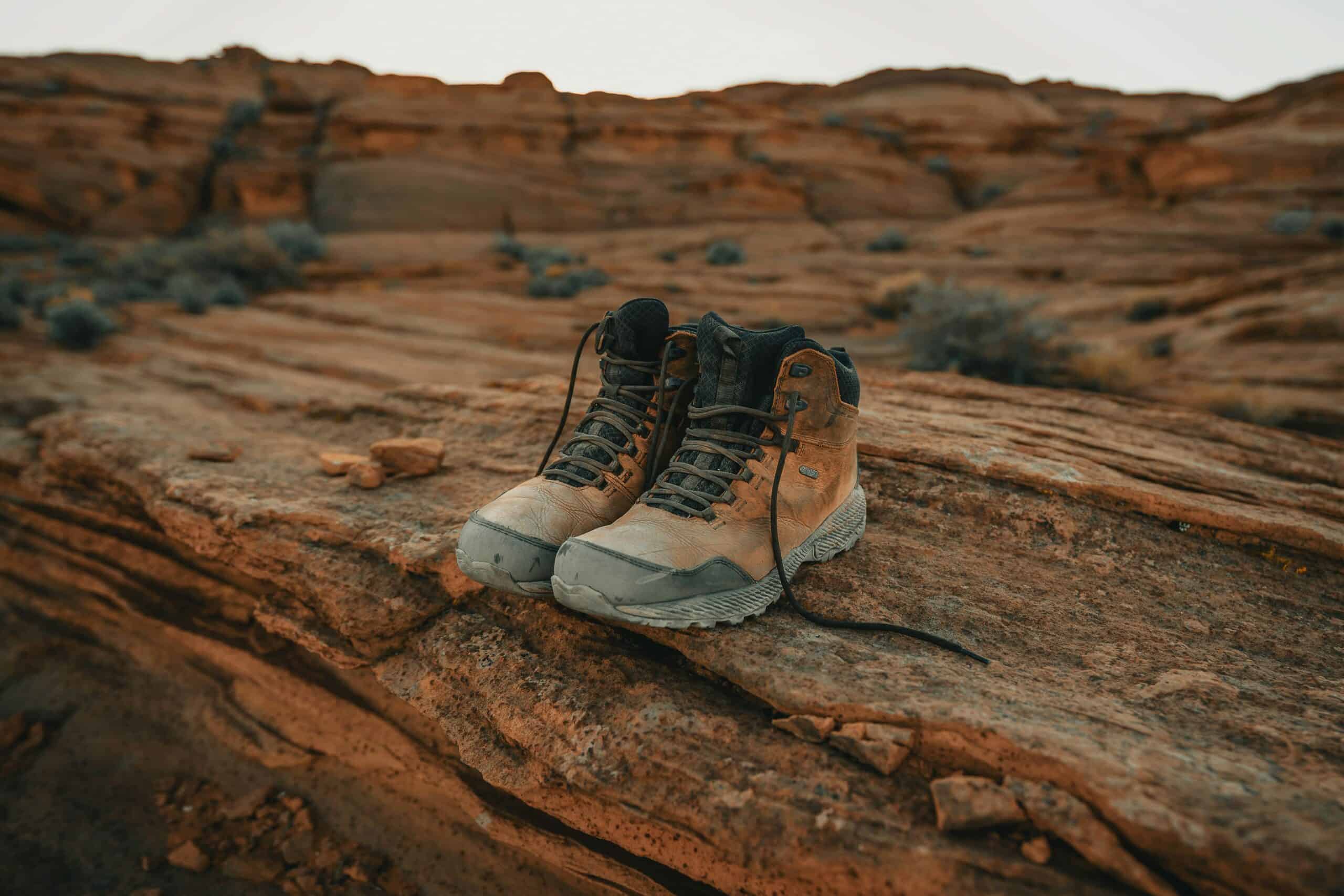
The Most Expensive Mistake in Hiking Gear
Buying a hiking boot without a proper fit test is the most costly mistake in outdoor gear shopping. Most gear just causes mild letdown when you pick wrong. The wrong hiking boot, however, causes blisters within the first mile on the trail. Those blisters often need days of recovery before you can wear the boots again. Worse, the break-in process may never fully work if the basic fit is off. In the end, you end up with a $150 pair of boots sitting in the closet. They serve as a reminder that neither brand loyalty nor online reviews can fix bad fit.
A wrong boot is not the same as a poor-quality boot. Most hiking boots from trusted brands do their job well. Rather, the wrong boot simply fails to match your foot shape. Four key factors matter here: length, width, arch height, and heel cup shape. These vary enough between people that the same boot can fit one person well and another poorly, even in the same size. Learning this before you buy, plus using the right fit test, helps you avoid the costly mistake most new hikers make.
Our guide to the best hiking boots for beginners covers specific picks for new hikers. Use it after you finish the fit check in this guide. For the break-in steps that follow, see our guide on how to break in hiking boots. It covers the step-by-step method that stops blisters during those key first months.
The First Decision: Boots vs Trail Runners vs Hiking Shoes
Before you look at specific boots, decide if you even need a boot.
Hiking boots sit at ankle height or above. They offer lateral ankle support and a stiffer midsole. This helps on rough terrain, with heavy packs, and for off-trail hiking where uneven ground raises your risk of rolling an ankle. That same stiffness, however, means you must break them in. Trail runners and hiking shoes skip this step.
Trail runners are running shoes built for trail use. They are lighter, more flexible, and ready to wear without a break-in. However, they lack the ankle support and stiff midsole of boots. That hurts on rough terrain with heavy packs. On well-kept trails, though, the lighter shoe cuts leg fatigue over long miles. Many long-distance and thru-hikers now prefer trail runners for their light weight and quick comfort.
Hiking shoes sit in the middle. They have a lower profile than boots but more structure than trail runners. As a result, they work well on moderate trails. You skip the weight of full boots, yet you gain more support than trail runners offer.
The honest decision matrix:
| Use Case | Right Footwear |
|---|---|
| Rough terrain, heavy pack (35+ lbs), off-trail | Boots |
| Kept trails, moderate terrain, lighter pack | Trail runners or hiking shoes |
| Day hiking on well-marked trails | Trail runners, hiking shoes, or low-cut boots |
| Multi-day trips with a heavy load | Boots |
| Long-distance trails, ultralight kit | Trail runners |
The Fit Factors That Decide Whether a Boot Works
Length
Correct length leaves a thumb-width, about half an inch, between your longest toe and the toe box. This gap stops the toe jamming on descents. Toe jamming is what causes black toenails, the most common hiking boot injury. It happens when your foot slides forward during downhill hiking and lacks enough toe room. Size boots with your foot in hiking position: heels pushed back, weight slightly forward. Sizing upright gives you too short a measurement for real hiking.
Width
Width is where most hiking boot fits go wrong. Standard widths match average feet, but foot width varies a lot from person to person. A foot that is too narrow for the boot slides side-to-side. That motion creates heel blisters. A foot wider than the standard size presses against the boot sides. This creates hot spots at the ball of the foot, the most painful place for trail blisters. Always try both standard and wide widths before you buy. Do this no matter what width has “always fit” in other shoes.
Arch Support
Your arch height must match the boot’s footbed arch. If it does not, you get plantar fascia pain and midfoot fatigue. Most hikers wrongly blame their pack weight for this. High arches in low-arch footbeds lose midfoot support. As a result, the load fails to transfer through the arch the right way, and plantar fascia stress builds up. Flat feet in high-arch footbeds face the opposite problem. Pressure builds under the arch and causes midfoot pain. Aftermarket insoles fix arch mismatch. Superfeet and Sole are the two most popular hiking insole brands. They greatly improve the fit of boots that are otherwise right in length and width.
Heel Cup
The heel cup controls whether the heel lifts during each step. That lifting creates friction, and friction makes heel blisters. A well-shaped heel cup locks the heel against the heel counter at push-off. You get this hold without needing tight laces that crush the midfoot. Try the heel lock lacing trick for extra grip. It works on boots with a dedicated heel lock eyelet at the top of the lace row. This trick stops the tiny movement that causes heel blisters, even in boots that already fit the heel well.
How to Test Hiking Boot Fit In-Store
Step 1: Bring your hiking socks. Only a fit test with the exact socks you will hike in matters. Store socks or bare feet give you a fit that will not hold up on the trail.
Step 2: Size at the end of the day. Feet swell through the day and during hiking. Boots that feel perfect in the morning can feel tight after five hours on the trail. End-of-day sizing gets you closer to the foot size that counts.
Step 3: Test the thumb-width clearance. Push your foot forward to the front of the boot before you lace up. You should fit one thumb between your heel and the heel counter. This test confirms the length is right. It works better than the static measure that store staff often use.
Step 4: Walk down a slope. Most good outdoor stores have a ramp for boot testing. Walk down it in the boots you are trying. Your toe should not hit the toe box as you slide forward. If it does, the length is too short, or the toe box is not tall enough for your toes.
You can give boots and feet mileage before the trip before deciding.
Step 5: Check side-to-side stability. Walk across a slight side slope or any uneven surface in the store. The boot should resist side-to-side ankle movement without letting your ankle roll over the collar. If the collar is too low to stop that roll, the support level is wrong for your terrain. It could also mean the boot’s shape does not suit your ankle.
Waterproofing, When It Helps and When It Hurts
GORE-TEX and similar waterproof layers keep water out in rain and shallow stream crossings. These are the most common wet conditions hikers face. However, there is a trade-off: breathability. Waterproof layers breathe less than non-waterproof ones. So sweat builds up during hard, aerobic hiking. In hot, dry weather, non-waterproof mesh boots breathe well. They feel better on your feet when outside water is rare.
The right pick depends on your setting:
- Always wet settings, frequent stream crossings, shoulder-season snow, waterproof
- Hot, dry weather, summer hiking in arid regions, non-waterproof breathable mesh
- Mixed conditions, waterproof offers safer coverage, even at the breathability cost
Midsole Stiffness, Matching Terrain to Support
Midsole stiffness runs on a scale. Flexible sits at one end (trail runners). Very stiff sits at the other (mountaineering boots). For hiking, the useful range is moderate to firm. A flexible midsole bends easily under foot pressure. It sends terrain bumps straight to your foot. That feels good on smooth ground, but it tires you out on rocky terrain where your foot must adjust to every bump. A firm midsole bridges those bumps. It passes less of the terrain to your foot. It feels less lively on smooth ground due to lower ground feel. However, it feels much better on rocky trails, where the stiff base gives you a steady platform.
A simple rule: day hiking on kept trails calls for moderate flex. Rough terrain, heavy packs, and off-trail use call for firmer midsoles.
Frequently Asked Questions: How to Choose Hiking Boots
Should I size up in hiking boots?
Yes, size up by a half size from your regular shoe size in most cases. Your feet swell during long hikes, and hiking socks add thickness. Both require extra room beyond normal shoe sizing. The thumb-width toe test beats any size number for checking the right length. If you fall between sizes, pick the larger one.
How much should I spend on hiking boots?
Plan to spend $100 to $200 for quality hiking boots from trusted brands. Below $80, makers cut corners. Those shortcuts hurt durability and fit within the first season. Above $200, you get small gains in materials and build. These matter for hard technical hiking and long backpacking trips. For casual to moderate trail use, though, the extra cost gives you less value. See our guide to the best hiking boots for beginners for specific models in the $100 to $150 range that offer the best value for new hikers.
How do I know if hiking boots fit correctly?
A good fit meets all of these checks at once: a thumb-width of space at the toe in hiking position; no side-to-side foot movement inside the boot; a heel that stays against the heel counter at push-off without slipping; no pinch pain at the arch or midfoot with laces at a comfortable tension; and no toe contact with the toe box when you walk down a slope. All five must pass together. A boot that fits four out of five will likely cause trouble in the fifth.
Are expensive hiking boots worth it?
For rough terrain and heavy use, yes. High-end boots use better leather, stronger waterproof layers, better midsole foam, and more precise shapes that fit unusual feet. For casual day hiking on kept trails, the answer is less clear. A $120 boot from a trusted brand does the job for light trail use. It may even fit your foot better than a $250 boot with a different shape. Fit matters more than price for most buyers.
When should I replace hiking boots?
Replace your boots when the midsole no longer springs back. A good midsole bounces back from thumb pressure. A worn one dents and stays pressed in. Replace them when the outsole lugs wear down to less than half their starting depth. Lug depth drives traction on wet and loose ground. Also replace them when the waterproof layer fails. You will notice water no longer beads up, and the inside soaks through. Most hiking boots last 500 to 800 miles before they lose real performance. That range shifts based on terrain type and how well you care for them.
More Hiking Guides
Terrain that justifies serious boots usually justifies real navigation too. Handheld GPS units and when a phone is not enough covers the electronic side.
Fit is what decides whether you finish comfortable. Why blisters form on the trail covers sizing and lacing.
