
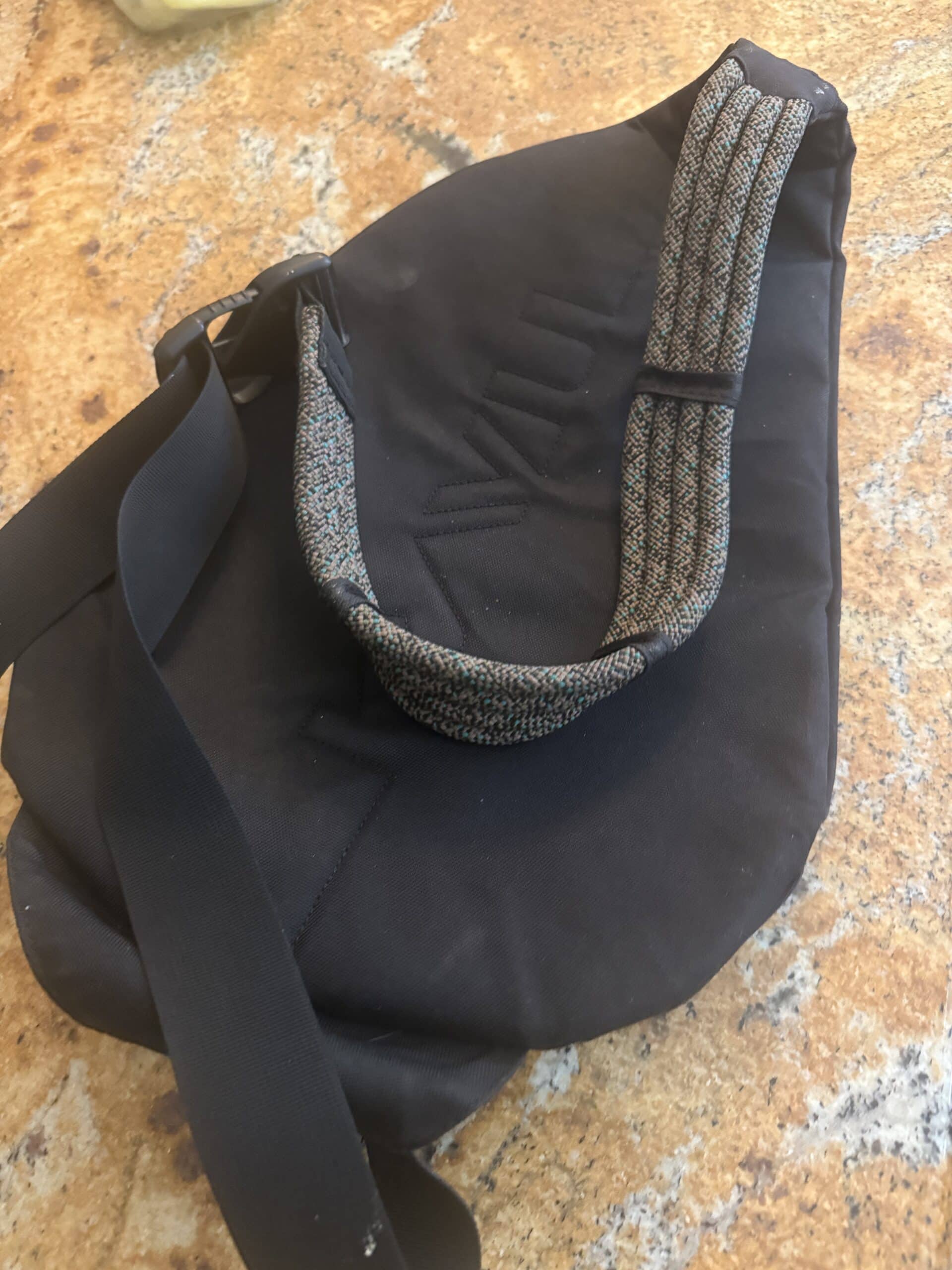
A backpack hurts your shoulders when too much weight rides on the shoulder straps instead of being spread across your body, when the straps are adjusted wrong, or when the pack does not suit your build. I hike often in Arizona with a KAVU daypack, and as someone with broad shoulders I know how a pack can go tight and sore if the fit is off. The good news is that shoulder pain from a pack is almost always a fit or loading problem, which means it is fixable.
Key Takeaways
- Shoulder pain usually means too much weight is on the straps.
- Poorly adjusted straps concentrate pressure on the shoulders.
- Overpacking makes any pack harder on the shoulders.
- Body shape, like broad shoulders, affects how a pack sits.
- Most shoulder pain is a fixable fit or loading issue.
Too Much Weight on the Shoulders
The most common reason a pack hurts is that the shoulders are carrying more of the load than they should. A pack is meant to distribute weight, using the chest strap and, on larger packs, a hip belt to spread the load rather than dumping it all on your shoulders. When those are unused or poorly set, the shoulders take the full weight, and over a few miles that becomes soreness. The first fix is making sure the weight is shared, not stacked entirely on your shoulders. Even on a daypack, the chest strap helps keep the load stable and spread. Packing a hiking backpack covers distributing the load.
Straps Adjusted Wrong
How the straps are set has a direct effect on your shoulders. Straps that are too loose let the pack sag away from your back, which pulls down on the shoulders and drags. Straps that are too tight dig in and create pressure points. The sweet spot is snug enough that the pack sits close and stable, but not so tight that the straps bite. I set my daypack straps so the pack rides close without pinching, and use the chest strap to keep the shoulder straps from spreading. Getting the adjustment right removes a lot of shoulder discomfort on its own. Hiking daypacks cover packs with good adjustability.
Carrying Too Much
Sometimes the problem is simply the load. The more a pack weighs, the harder it is on your shoulders no matter how well it fits, and it is easy to overpack a daypack with things you do not really need. Part of why I prefer a daypack for a one-day hike is that I do not like carrying a ton, and keeping the load light keeps it comfortable. Taking only what you need for the day, water, snacks, first aid, a few essentials, rather than filling every pocket, is one of the simplest ways to spare your shoulders. A lighter pack is a more comfortable pack. What to pack in a daypack covers keeping it to essentials.
The Pack Does Not Suit Your Build
Body shape matters, and a pack that does not match yours can cause shoulder trouble. With my broad shoulders, a daypack can feel tight across the straps, and if I forced a pack that did not adjust to give me room, it would dig in and hurt. The fix is choosing a pack with enough adjustment for your build and setting it to work with your body rather than against it. If a pack consistently hurts no matter how you adjust it, it may not be the right pack for your frame. Adjustability is worth prioritizing when the pack has to fit a broader or narrower build than average. Hiking backpacks cover options that adjust well.
What This Looks Like for Me
My own setup is a good example of fitting a pack to a build that fights it. I have big, broad shoulders, and a daypack can go tight across the straps on me if I am not careful. Rather than cranking the shoulder straps down, I give myself room and let the chest strap do the stabilizing, which keeps the straps from digging in over a few miles.
Load matters as much as fit. I prefer a daypack for a one-day hike because I do not like carrying a ton, and I keep it to two to three water bottles plus snacks and a few essentials. That light load is deliberate: the less weight on the straps, the less my shoulders feel it. The pack does not really bounce on me, so when my shoulders start to complain it is almost always the straps needing a small adjustment, not the load shifting around.
The part my experience does not fix is heat. On a hot Arizona day the straps press on sweaty skin and chafe in a way they never would on a cool morning, and that is comfort rather than pure weight. I manage it by not overtightening and taking the pack off my shoulders on breaks, but I accept that a hot hike is just harder on the shoulders. Hiking towels help manage the sweat under the straps.
Fixing Shoulder Pain From a Pack
Putting it together, most shoulder pain comes down to a few fixable things. Make sure the weight is spread using the chest strap rather than sitting entirely on your shoulders. Adjust the straps so the pack rides close and stable without digging in. Lighten the load to what you actually need for the day. And use a pack that suits your build with enough adjustment to fit you. Work through those, and a pack that was hurting usually stops. If a pack still hurts after all of that, it may be the wrong pack for you, and trying one better suited to your frame is the next step. Shoulder pain is a signal to fix the fit, not something to just endure. Hiking daypacks cover finding one that fits.
Recommended Reading
Worth reading next: packing a hiking backpack, what to pack in a daypack, hiking daypacks, and hiking backpacks under 100.
The Bottom Line
Shoulder pain from a backpack is almost always a fit or loading problem, which means it is fixable rather than something to endure. The usual culprits are too much weight resting on the straps instead of being spread with the chest strap, straps set too loose or too tight, an overpacked load, or a pack that does not suit your build. Heat and sweat make all of it worse on a hot day. Work through those in order, spread the weight, adjust the straps, lighten the load, and give yourself room for your body, and the pain usually goes. If a pack still hurts after all that, it is likely the wrong pack for your frame, and a better-fitting one is the answer. Treat sore shoulders as a signal to fix the setup, not to push through.
Why Does My Backpack Hurt My Shoulders FAQ
Why does my backpack hurt my shoulders?
Usually because too much weight is riding on the shoulder straps instead of being spread across your body, or the straps are adjusted wrong, or the pack is overloaded. Body shape plays a part too. Most shoulder pain from a pack is a fixable fit or loading problem.
How do I stop my pack from hurting my shoulders?
Spread the weight using the chest strap rather than letting it sit all on your shoulders, adjust the straps so the pack rides close without digging in, lighten the load to essentials, and use a pack that fits your build. Working through those usually removes the pain.
Are my straps too tight or too loose?
Too loose lets the pack sag and drag on your shoulders; too tight digs in and creates pressure points. The right setting is snug enough that the pack sits close and stable but does not bite. Adjust until it rides comfortably against your back.
Does carrying too much cause shoulder pain?
Yes. The heavier the pack, the harder it is on your shoulders regardless of fit, and daypacks are easy to overpack. Carrying only what you need for the day keeps the load light and the shoulders comfortable, which is a big part of preventing soreness.
Can my body shape cause pack pain?
It can. A pack that does not suit your build, such as feeling tight across broad shoulders, can dig in and hurt. Choosing a pack with enough adjustment for your frame and setting it to work with your body helps. A pack that always hurts may be wrong for you.
Why does my pack hurt more on hot days?
Heat and sweat make the straps press on damp skin, which can chafe and feel worse than on a cool day. Not overtightening, taking breaks to relieve the straps, and keeping the load light all help. On hot hikes, heat and pressure combine to worsen discomfort.
When is it the pack and not my adjustment?
If a pack still hurts after you have spread the weight, adjusted the straps, lightened the load, and given yourself room for your build, it may simply be the wrong pack for your frame. At that point, trying one better suited to your body is the sensible next step.
