
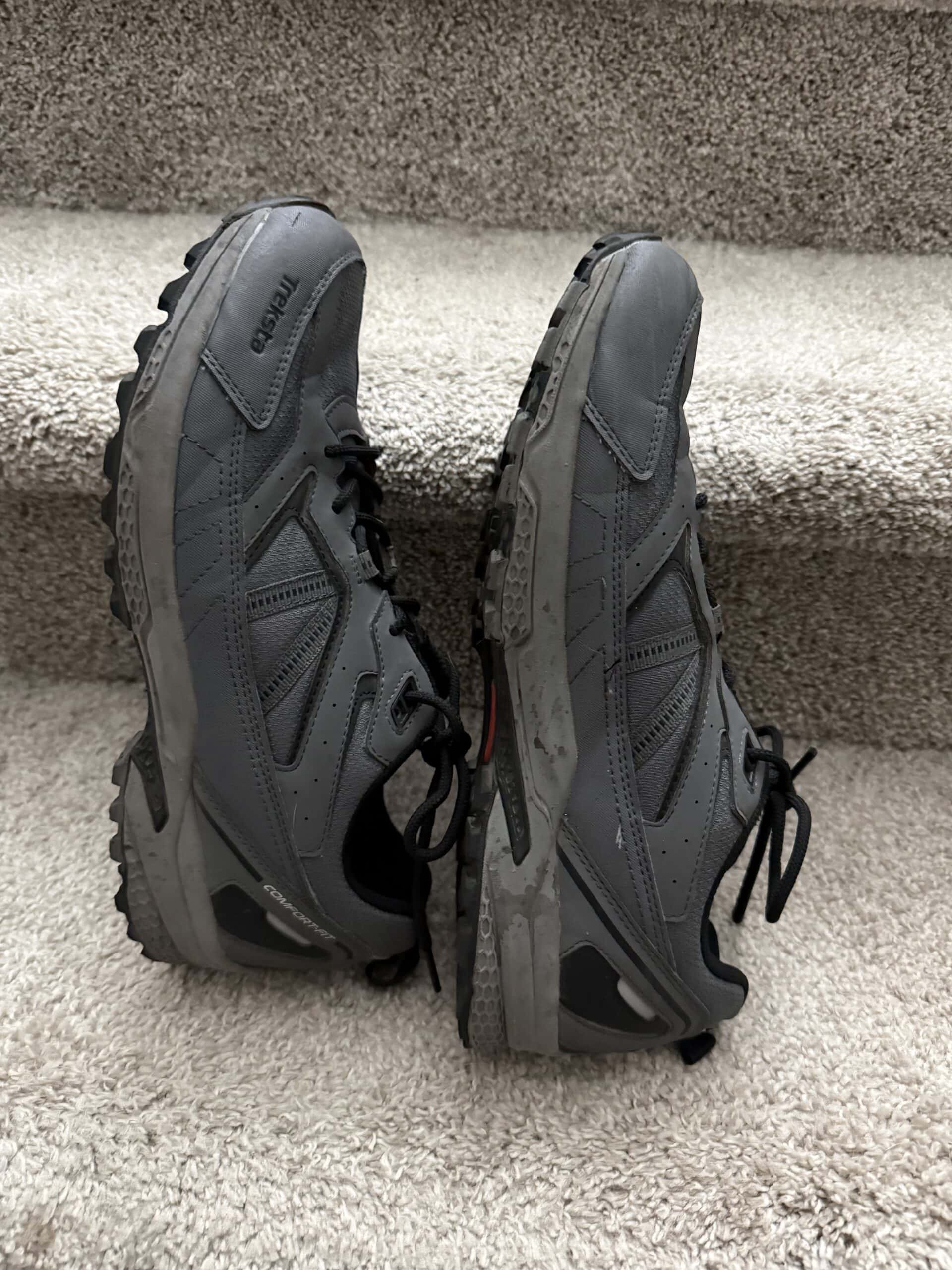
To clean hiking shoes, knock off loose dirt, remove the laces and insoles, then scrub them with a little water and a soft brush, avoiding harsh heat and the dishwasher, and let them air dry away from direct sun; a simple regular clean keeps them performing and lasting longer. Knowing how to clean hiking shoes is easy once you have a routine. Here is the simple method I use, with more on getting the most from a pair in our guide on when to replace hiking shoes.
Quick Answer
Knock off loose dirt, take out the laces and insoles, and scrub the shoes with a little water and a soft brush, an old toothbrush works well for the tread and seams. Skip harsh chemicals, hot water, and the dishwasher or dryer, which can damage them. Air dry away from direct heat and sun, stuffing them with paper to hold shape and absorb moisture. Simple and quick.
Key Takeaways
- Knock off loose dirt before washing.
- Remove laces and insoles to clean separately.
- Scrub with a little water and a soft brush.
- Avoid harsh heat, the dishwasher, and the dryer.
- Air dry away from direct sun and heat sources.
Knock Off Loose Dirt First
Start by removing the loose stuff before any water touches the shoes. Bang the soles together outside, brush off caked mud, and clear debris from the tread, since getting the bulk of the dirt off first makes the actual cleaning far easier and prevents you from grinding grit into the material. For dusty desert trails like the ones I hike in Arizona, this first step handles most of it, since dry dust brushes away readily. If mud has dried on, let it fully dry and then knock and brush it off rather than smearing wet mud around. This quick prep is half the job.
Remove Laces and Insoles
Take out the laces and pull the insoles before washing the shoes themselves. This lets you clean each part properly and helps everything dry faster afterward. Laces can be washed separately by hand, and insoles can be wiped down and left to air out, which also helps with odor since insoles absorb a lot of sweat. Cleaning around and under these parts, rather than leaving them in, reaches the dirt and moisture that otherwise get trapped. It takes only a moment and makes both the cleaning and the drying noticeably more effective.
Scrub With Water and a Soft Brush
For the shoes themselves, a little water and a soft brush is all you need for most cleaning. I clean mine much like I clean sneakers, with a bit of water and a toothbrush, working the brush over the upper, into the seams, and across the tread to lift dirt. An old toothbrush is ideal for getting into the lugs and tight spots. Use mild soap only if needed for stubborn grime, and go gently on the material rather than scrubbing aggressively. This light-touch approach cleans effectively without saturating or stressing the shoe, and it is quick enough to do after any dirty hike.
What to Avoid
A few things do more harm than good. Skip harsh chemicals and strong detergents, which can degrade materials and waterproofing treatments. Never put hiking shoes in the dishwasher or washing machine on a harsh cycle, and never machine dry them, since heat and tumbling can break down adhesives, warp the shape, and shorten their life. Avoid hot water for the same reason. And do not soak them more than necessary. Treating hiking shoes gently, closer to how you would hand-clean nice sneakers than how you might blast a pair of rubber boots, is what keeps them intact through many cleanings.
Dry Them Properly
How you dry them matters as much as how you wash them. Air dry hiking shoes at room temperature, away from direct sunlight, radiators, campfires, and other direct heat, all of which can crack and damage materials over time. Stuffing them with newspaper or paper towels helps them hold their shape and speeds drying by absorbing internal moisture, and swapping the paper once as it dampens helps further. Patience is key, since forcing shoes to dry fast with heat is exactly what damages them. Let them dry naturally in a well-ventilated spot, and they will be ready and undamaged for your next hike.
My Cleaning Routine
My own routine is deliberately simple, which is why I actually keep up with it. After dusty Arizona hikes, I knock off the dry dirt, then clean my Treksta shoes with a bit of water and a toothbrush, just as I would a pair of sneakers, working into the tread and seams. Then I let them air dry away from direct heat. That is genuinely all it takes, and keeping up with it after dirty hikes has helped my shoes stay in good shape across hundreds of miles. A quick, gentle clean beats an occasional aggressive scrub, both for results and for how long the shoes last.
Cleaning Care Extends Shoe Life
Regular gentle cleaning is quietly one of the best things you can do for shoe longevity. Grit left in the tread and materials grinds away at them, and trapped moisture and dirt break down fabrics and adhesives over time, so a quick clean after dirty hikes genuinely helps a pair last, as our guide on when to replace hiking shoes reflects. Pair cleaning with proper storage, dry and out of direct heat, and clean hiking socks to keep the inside fresh too. None of this takes long, and combined with sensible use it is how a good pair, like the shoes you choose, stays comfortable and grippy across many hundreds of miles.
Recommended Reading
- when to replace hiking shoes, the wear signs.
- choosing hiking shoes, buying guide.
- breaking in hiking shoes, a new pair.
- hiking socks, fresh feet.
- hiking shoes for travel, travel picks.
- keeping a backpack clean
- planning a hiking route
How to Clean Hiking Shoes FAQ
Can you put hiking shoes in the washing machine?
It is best not to, especially on harsh cycles, and never in the dryer. Machine washing and drying can break down adhesives, warp the shape, and shorten a shoe’s life. Hand cleaning with a little water and a soft brush is gentler and more effective for hiking shoes.
How do I clean muddy hiking shoes?
Let the mud dry fully, then knock and brush it off before washing, rather than smearing wet mud around. Once the bulk is off, scrub with a little water and a soft brush, using mild soap only for stubborn spots. Then air dry away from direct heat.
How often should I clean hiking shoes?
A quick clean after dirty or dusty hikes keeps them performing and lasting longer, while a light knock-off of dust may be enough after easy outings. Regular light cleaning beats occasional deep scrubbing. Staying on top of it prevents grit and grime from building up and wearing the shoes.
Can I use soap on hiking shoes?
Mild soap is fine for stubborn grime, but avoid harsh chemicals and strong detergents that can degrade materials and any water-repellent treatment. Often plain water and a soft brush are enough. When soap is needed, use a small amount of a gentle cleaner and rinse lightly.
How do I dry hiking shoes fast without damaging them?
Stuff them with newspaper or paper towels to absorb moisture and hold their shape, and place them in a warm, well-ventilated spot away from direct heat. Swap the paper as it dampens. Avoid radiators, dryers, and direct sun, since heat damages materials faster than it dries them safely.
Does cleaning hiking shoes make them last longer?
Yes. Regular gentle cleaning removes grit that wears materials and clogs tread, and proper drying prevents cracking and breakdown. Keeping shoes clean and dried correctly helps them perform and last longer, making a simple routine a worthwhile habit after dirty hikes.
Can I machine wash hiking shoe insoles?
It is gentler to hand wash insoles with mild soap and water and air dry them, since machine washing can degrade the foam. Removing and airing insoles regularly also cuts odor. Let them dry fully before putting them back, and replace them if they pack out.
How do I get smell out of hiking shoes?
Remove and air out the insoles, let the shoes dry fully between hikes, and use odor-control methods like baking soda inside overnight. Keeping them clean and dry is the main defense, since odor comes from trapped moisture and bacteria. Fresh socks help too.
