
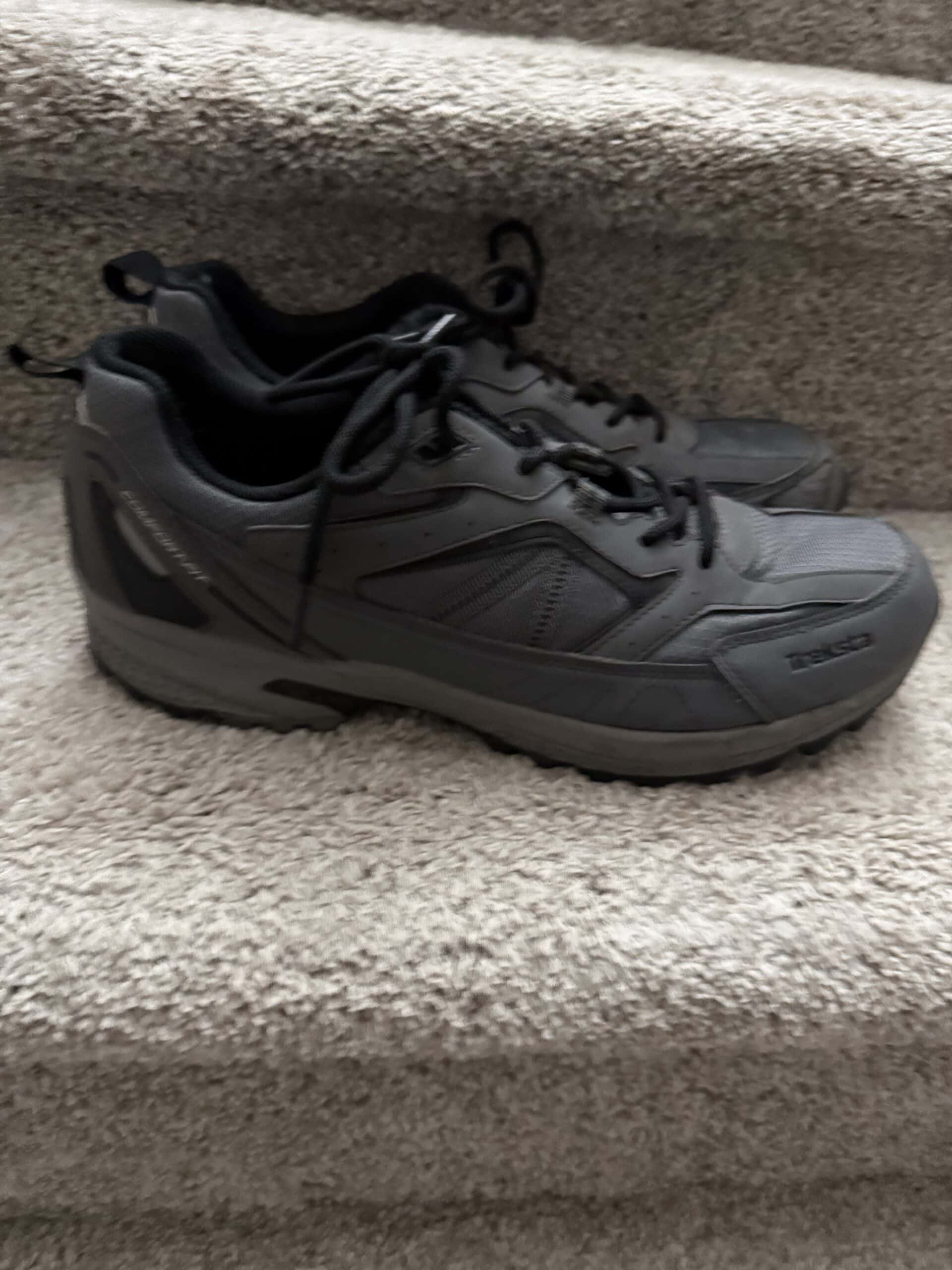
Replace hiking shoes when the tread is visibly worn smooth, when the cushioning feels flat and your feet ache more after hikes, when the uppers are cracked or separating, or when they start causing discomfort or blisters they never used to; a well-cared-for pair often lasts many hundreds of miles. Knowing when to replace hiking shoes keeps you safe and comfortable on the trail. Here are the signs, from real use, with picks for the next pair in our guides to shoes for wide feet and travel.
Quick Answer
It is time to replace hiking shoes when the outsole tread is worn smooth and grip suffers, when the midsole cushioning feels flat and packed out, when the uppers crack or start separating from the sole, or when they cause new discomfort or blisters. Rather than a fixed mileage, watch the shoes and your feet. Worn tread and returning discomfort are the clearest signals to move on.
Key Takeaways
- Worn-smooth tread means grip and safety are compromised.
- Flat, packed-out cushioning leaves feet aching after hikes.
- Cracked uppers or sole separation mean the shoe is done.
- New discomfort or blisters signal worn-out shoes.
- Watch the shoes and your feet, not a fixed mileage.
Worn-Down Tread
The most visible sign is the outsole. When the lugs have worn smooth and the tread pattern is shallow or flattened, the shoe can no longer grip well, which is a real safety issue on loose or rocky terrain. Traction is what keeps you upright on slopes and scrambles, so a slick outsole is one of the clearest reasons to replace hiking shoes. Check the tread periodically, especially the high-wear areas under the heel and ball of the foot. On the rocky Arizona trails I hike, dependable grip matters enormously, so worn tread is the first thing I watch for as a replacement signal.
Flat, Packed-Out Cushioning
Less visible but just as important is the midsole cushioning. Over many miles, the foam that absorbs impact gradually compresses and loses its bounce, a process sometimes called packing out. When it happens, the shoe feels flatter and harder, and you may notice your feet, knees, or legs aching more after hikes than they used to. This loss of cushioning is a common reason to replace shoes even when the uppers still look fine. If hikes that never bothered you start leaving your feet sore, packed-out cushioning is often the culprit, and fresh shoes usually resolve it.
Damaged Uppers or Separating Soles
Structural damage is a definitive replace signal. Inspect the uppers for cracks, splits, worn-through areas, or fabric that is failing, and check where the sole meets the upper for any separation or peeling. Once a sole begins delaminating or the upper is compromised, the shoe has reached the end of its usable life, and no cleaning or repair reliably fixes it. These failures also tend to worsen quickly and can leave you with a falling-apart shoe miles from the trailhead. Visible structural breakdown means it is time to replace the pair rather than risk it on a hike.
New Discomfort or Blisters
Sometimes your feet tell you before the shoe looks worn. If a pair that was comfortable starts causing discomfort, hot spots, or blisters it never did before, that change often signals the shoe has broken down internally, with compressed cushioning or a failing structure altering the fit and support. Discomfort is one of the two main reasons I replace a pair, alongside worn tread. It is worth ruling out other causes like lacing or socks first, but a formerly comfortable shoe that suddenly causes problems is frequently a worn-out shoe, and replacing it usually restores comfort.
How Long Hiking Shoes Last
Rather than a strict number, hiking shoe lifespan depends on the shoe, the terrain, and how you care for them, but many pairs last several hundred to around a thousand miles. Gentle care extends this, while rough, rocky terrain wears shoes faster. My own Treksta shoes are a good example of the upper end of care paying off: I have put hundreds of miles on them over nearly a year of city walking and rocky Arizona hikes, and they are still holding up nicely with plenty of life left. Watching the wear signs rather than counting exact miles is the reliable way to judge when yours are genuinely done.
My Approach to Replacing Shoes
In practice, I replace hiking shoes for two reasons: worn tread and discomfort. When the grip starts going or a pair stops feeling good on the trail, that is my signal, regardless of how they look otherwise. Before my current shoes, I hiked in a pair of New Balances, and I moved to my Treksta pair because they suit me better, particularly the wide fit, which helps my feet stay comfortable over long distances. Choosing a replacement that genuinely fits and suits your hiking, as covered in our guide on choosing hiking shoes, matters as much as the timing of the replacement itself.
Making a Pair Last Longer
You can push the replacement date further out with a little care. Cleaning shoes after dirty hikes, as covered in our guide on cleaning hiking shoes, drying them properly, rotating pairs if you hike often, and storing them out of direct heat all slow wear. Using gaiters in gritty terrain keeps abrasive debris out, and matching the shoe to the terrain avoids unnecessary wear. When it is finally time, choosing a well-fitting replacement, using our guide on choosing hiking shoes, matters as much as the timing. Good care genuinely stretches the miles you get from each pair before the wear signs appear.
Recommended Reading
- choosing hiking shoes, the next pair.
- cleaning hiking shoes, extending life.
- hiking shoes versus boots, if you are switching.
- hiking shoes for wide feet, wide-fit picks.
- trail running shoes, a lighter option.
- planning a hiking route
When to Replace Hiking Shoes FAQ
How many miles do hiking shoes last?
Many pairs last several hundred to around a thousand miles, but it varies with the shoe, terrain, and care. Rocky terrain wears shoes faster; gentle care extends life. Rather than counting exact miles, watch for worn tread, flat cushioning, and discomfort as the real signals to replace them.
How do I know if my hiking shoes are worn out?
Look for smooth, worn-down tread, cushioning that feels flat and leaves feet aching, cracked uppers or separating soles, and new discomfort or blisters in a formerly comfortable pair. Any of these signals a worn-out shoe. Watching both the shoes and how your feet feel is the reliable approach.
Is it bad to hike in worn-out shoes?
Yes, it can be. Worn tread reduces grip and raises the risk of slips on loose or rocky terrain, while packed-out cushioning increases impact on your feet and joints. Hiking in badly worn shoes compromises both safety and comfort, so replacing them when worn is worthwhile.
Can you resole hiking shoes?
Most hiking shoes are not designed to be resoled, unlike some heavy boots, so replacement is usually the practical route once the tread or structure is worn out. Some premium boots can be resoled by specialists, but for typical hiking shoes, replacing the pair is the standard approach. Some late life discomfort is fixable, and a lacing change is worth trying before replacing a pair.
Should I replace both hiking shoes at once?
Yes, replace them as a pair, since both wear together over the same miles. Even if one looks slightly better, the cushioning and structure have aged similarly. Replacing the pair together ensures consistent support, grip, and fit, rather than pairing a fresh shoe with a worn one.
What should I do with old hiking shoes?
Lightly worn pairs can serve as casual or yard shoes, while truly worn-out ones may be recyclable through specific footwear recycling programs rather than general curbside recycling. Some retailers run shoe take-back programs. Repurposing or recycling them is better than sending usable material straight to landfill.
Do hiking shoes expire if unused?
Materials like foam midsoles and adhesives can degrade slowly over years even unused, so a very old pair may not perform like new. For shoes in regular use, wear matters far more than age. Store spares in a cool, dry place, but do not expect indefinite shelf life.
Should I rotate between two pairs of hiking shoes?
If you hike often, rotating two pairs lets each dry and decompress between hikes, which can extend their life and keep them fresher. It is not essential for occasional hikers, but frequent hikers may find rotation helps both comfort and longevity over time.
