
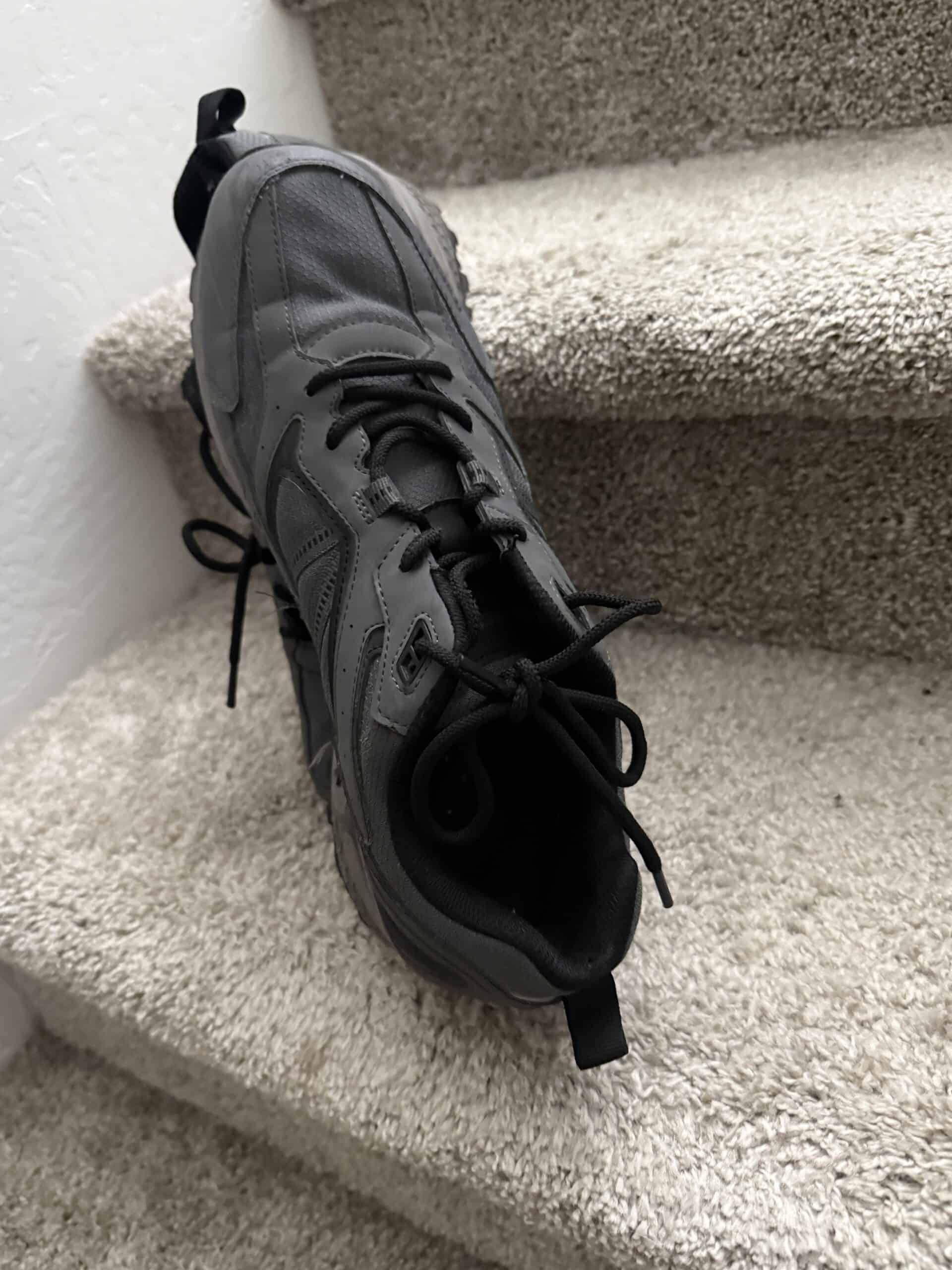
To break in hiking shoes, wear them around the house and on short walks first, gradually increase distance over one to two weeks, use your hiking socks, and address any hot spots early before tackling a long hike; low-cut hiking shoes usually break in faster than boots but still benefit from the process. Knowing how to break in hiking shoes prevents blisters and discomfort on the trail. Here is the approach that works, including how my own pair broke in, with more on picking shoes in our guide to choosing hiking shoes.
Quick Answer
Start by wearing new hiking shoes around the house, then on short walks, gradually building up distance over one to two weeks before any long hike. Wear the hiking socks you will actually use, and stop to address hot spots the moment you feel them. Hiking shoes break in faster than boots, but rushing straight into a big hike in brand-new shoes is the classic recipe for blisters.
Key Takeaways
- Wear them at home and on short walks first.
- Build up distance gradually over one to two weeks.
- Use the hiking socks you will actually hike in.
- Address hot spots early before they become blisters.
- Shoes break in faster than boots but still need it.
Why Break Them In
Breaking in matters because new shoes need time to flex and mold to your feet, and your feet need time to adjust to them. Even comfortable, well-fitting hiking shoes can have stiff spots or rub slightly at first, and heading straight out for a long hike in brand-new shoes is the most common cause of avoidable blisters. Low-cut hiking shoes generally need less breaking in than stiff leather boots, but they still benefit from a gradual introduction. My own hiking shoes took a bit of breaking in before they felt truly dialed, and doing that gradually meant I avoided problems once I started putting real miles on them.
Start at Home and on Short Walks
The gentlest first step is simply wearing your new shoes around the house. This lets them start flexing and lets you confirm the fit is right while you can still return them if it is not. From there, move to short, easy walks, around the neighborhood or on errands, before any trail. These low-stakes outings reveal how the shoes feel in motion without committing you to being miles from home if something rubs. Wearing them casually for a few short sessions builds a foundation before you add trail distance, and it is the easiest, lowest-risk way to begin.
Build Up Distance Gradually
Once short walks feel good, extend the distance and difficulty gradually over a week or two. Take them on progressively longer walks, then short easy hikes, before attempting a full-length or demanding hike. This gradual ramp lets both the shoes and your feet adapt, and it surfaces any issues while they are still small and manageable. There is no need to rush; a week or two of building up is plenty for most hiking shoes. By the time you tackle a long hike, the shoes should feel like a natural extension of your feet rather than something you are still testing.
Wear the Right Socks
Break your shoes in with the exact socks you plan to hike in, because socks change the fit and feel significantly. Good hiking socks that wick moisture and cushion the right areas are part of the system, and breaking in your shoes with thin everyday socks then hiking in thick wool ones changes the fit entirely. Using your real hiking socks throughout the break-in period ensures the shoes mold around the setup you will actually use. This small consistency prevents the surprise of shoes that felt fine in break-in but rub once you switch to your trail socks.
Handle Hot Spots Early
The single most important habit is addressing hot spots immediately. A hot spot is that warm, tender feeling that precedes a blister, and stopping to deal with it the moment you notice, rather than pushing on, is what prevents most blisters. Adjust your lacing, fix a wrinkled sock, or apply a blister plaster or tape to the spot before it develops. Honestly, most hiking blisters come from long distances and ignored hot spots rather than the shoes themselves; I have gotten a blister from walking twelve miles in a day, which was the mileage, not the shoe. Listen to your feet and act early.
How My Shoes Broke In
For a real example, my Treksta hiking shoes took a bit of breaking in before they felt perfect, which is normal even for a comfortable wide-fit shoe. I wore them casually and on regular walks first, and because I bought them ahead of a big trip involving lots of walking, they had time to mold to my feet before the serious mileage began. Since then they have carried me hundreds of miles across city walking and rocky Arizona hikes without trouble. That gradual start is what set them up to be reliable, and it is why I would never take a brand-new pair straight onto a long, demanding hike.
Lacing and Sock Tricks That Help
Beyond gradual wear, small adjustments smooth the break-in. Lacing technique can relieve pressure points, snugging or loosening specific sections to fix heel slip or top-of-foot pressure, and it is worth experimenting during the break-in period. Pairing your shoes with quality hiking socks and, in debris-prone terrain, gaiters keeps the fit clean and blister-free. If you are still deciding between footwear types, our comparison of hiking shoes versus boots is worth a look, since boots demand a longer, more deliberate break-in than shoes. These small tweaks, layered onto gradual wear, get a new pair trail-ready comfortably.
Recommended Reading
- choosing hiking shoes, pick the right pair.
- cleaning hiking shoes, keeping them fresh.
- hiking socks, the right socks.
- hiking shoes versus boots, the footwear decision.
- hiking shoes for wide feet, wide-fit picks.
- planning a hiking route
How to Break In Hiking Shoes FAQ
How long does it take to break in hiking shoes?
Usually one to two weeks of gradual wear, starting at home and on short walks and building to longer hikes. Low-cut hiking shoes break in faster than stiff boots. The exact time varies by shoe and foot, but a week or two of progressive use suits most hiking shoes.
Do hiking shoes need breaking in like boots?
They need less than stiff leather boots but still benefit from a gradual introduction. Even comfortable shoes can have stiff spots at first. Breaking them in on short walks before long hikes prevents blisters, so do not skip it entirely just because shoes are softer than boots.
How do I prevent blisters while breaking in shoes?
Build up distance gradually, wear your real hiking socks, and address hot spots immediately by adjusting lacing or applying tape before a blister forms. Most blisters come from long distances and ignored hot spots rather than the shoes. Acting early at the first tender feeling is key.
Can I wear new hiking shoes straight on a long hike?
It is not recommended, since brand-new shoes are the most common cause of avoidable blisters on long hikes. Break them in on short walks and progressively longer outings first. Taking new shoes straight onto a demanding hike risks blisters and discomfort miles from the trailhead.
Should I break in shoes with hiking socks?
Yes, use the exact socks you plan to hike in, since socks significantly affect fit. Breaking in with thin socks then hiking in thick ones changes how the shoes fit. Consistent socks throughout break-in ensure the shoes mold around your actual hiking setup.
What if my hiking shoes still hurt after breaking in?
Persistent pain after a proper break-in usually signals a fit problem rather than needing more time. Check width and sizing, since the wrong fit will not resolve with wear. If they genuinely do not fit, the better move is exchanging them for a correct fit rather than enduring them. Lacing does more than most people expect, and our guide on lacing hiking shoes for comfort covers heel lock and pressure points.
Does wearing hiking shoes around the house help break them in?
Yes, wearing them indoors is a great low-risk first step. It lets the shoes start flexing and lets you confirm the fit while you can still return them if needed. Casual indoor wear before short walks builds a foundation for a smooth break-in.
Can you speed up breaking in hiking shoes?
Gentle, gradual wear is safest; aggressive shortcuts like heat or soaking can damage shoes or fit. You can help by wearing them often on short walks and adjusting lacing. But rushing risks blisters and damage, so a steady week or two is the reliable approach.
