
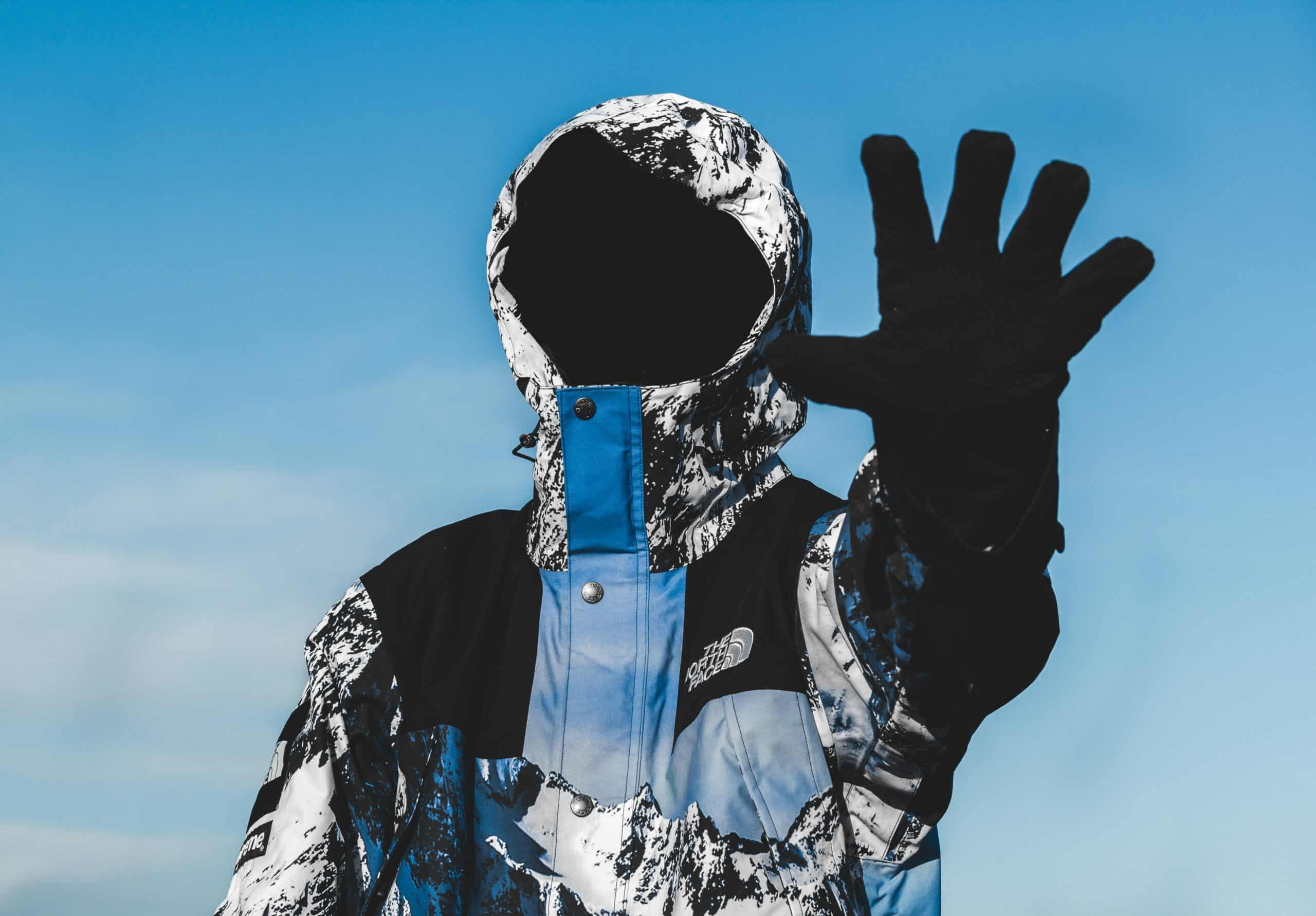
Cold hands in good gloves usually means your body is deliberately reducing blood flow to them, which no amount of insulation fixes. When your core temperature drops, circulation to the extremities narrows to protect the organs that matter more.
A Quick Note
This article covers gear and circulation generally rather than medical advice. Persistent cold hands, fingers that change color in mild cold, or any skin that turns white and waxy or feels hard all warrant medical attention rather than a gear change.
Quick Answer
Your hands are cold because your core is cold, your gloves are damp, or they fit too tightly. Adding a torso layer usually warms your hands faster than a thicker glove, since the problem is circulation rather than insulation.
Key Points
- Your body reduces blood flow to hands when the core cools
- Damp gloves lose most of their insulating value
- Tight gloves restrict circulation and make hands colder
- Wind removes heat far faster than still air
- Some people have a genuine circulation condition
- Warming the core is the fastest fix on the trail
Your Body Is Protecting Your Core
When your overall temperature starts dropping, blood vessels near the skin narrow to keep warm blood closer to your organs. Hands and feet lose supply first because they are furthest out and least essential.
This happens before you feel cold generally, which is why hands go numb while you still feel fine. It is a response rather than a failure.
That is the reason a thicker glove often changes nothing. Insulation holds heat in, and if very little warm blood is reaching your fingers, there is not much heat to hold.
Adding a layer to your torso reverses the signal. Once your core reads as warm enough, circulation to the extremities opens back up, and this frequently happens within ten minutes.
Your Gloves Are Probably Damp
Hands sweat during effort, and gloves trap that moisture. Damp insulation conducts heat away from your skin rather than holding it in.
The failure usually happens at a stop rather than while moving. You climb, your hands sweat inside the gloves, then you stand still and the moisture goes cold.
Waterproof gloves make this worse in some conditions, since a membrane keeping rain out also slows sweat getting out.
Carrying a spare dry pair is the practical answer, and it costs less than a heavier glove. Options sit in waterproof gloves for hiking.
Tight Gloves Make It Worse
A glove pressing on your hand restricts blood flow, which is the opposite of what you need. Gloves sized down for dexterity are a common cause of persistent cold hands.
The same applies to layering. A liner glove inside an outer that fits snugly on its own compresses everything, and the combination is colder than either alone.
Air trapped inside the glove is doing much of the insulating, and compression removes it.
Room to wiggle your fingers is the practical check. If you cannot, the glove is too small for the conditions.
Wind Is Doing More Than You Think
Moving air strips heat from any surface far faster than still air at the same temperature. On an exposed ridgeline that applies to your hands continuously.
Knit and fleece gloves pass wind almost completely, which is why a warm-feeling glove fails on a ridge. A windproof outer layer addresses that where more insulation does not.
Direction matters too. Hands on trekking poles are held out in front, exposed to whatever is blowing, rather than tucked at your sides.
Mittens help here because fingers share heat in one compartment rather than each being insulated separately.
What to Do on the Trail
Add a torso layer first
Before reaching for warmer gloves, put on a midlayer or zip up. Restoring core temperature opens circulation to the extremities, which is the actual problem.
Swing your arms
Large circular arm swings push blood into the hands mechanically. It looks odd and works quickly, which is why you see people doing it at cold summits.
Eat something
Producing heat requires fuel, and a body low on energy generates less. This is a common cause of getting cold late in a long day.
Change into dry gloves
Damp gloves will not recover on your hands. Swapping to a dry pair does more in a minute than anything else in the list.
When It Might Be More Than Cold
Some people experience Raynaud’s phenomenon, where blood vessels in the fingers narrow far more sharply than normal in response to cold or stress. Fingers turn white, then sometimes blue, then red as circulation returns.
That is a recognized condition rather than poor gear choice, and it responds to different management. Anyone whose fingers change color dramatically in mild cold is worth a conversation with a doctor.
Frostnip and frostbite are separate concerns. Skin turning white or waxy, numbness that stops being uncomfortable, and skin that feels hard are all signs to get out of the cold rather than push on.
Persistent cold hands indoors and at normal temperatures also warrants medical rather than equipment attention, since several conditions affect circulation.
The Order Things Go Wrong
Cold hands on a hike usually follow a sequence, and recognizing where you are in it tells you what to do.
It starts during the climb, when your hands sweat inside gloves that felt right at the trailhead. Nothing feels wrong yet, and the moisture is already there.
Then you stop, at a summit or a junction or to check a map. Heat production drops immediately while the damp gloves stay on, and within two minutes your fingers start reporting it.
Meanwhile your core has been cooling since you stopped moving, so circulation to the hands narrows at the same moment the gloves stopped working. Both problems arrive together, which is why it feels sudden.
The instinct is to put the hands in pockets and wait, which does very little because neither cause has changed.
Breaking the sequence early is easier than reversing it. Adding a layer as you stop rather than after you get cold, and swapping gloves before your hands are numb, both take seconds and prevent the whole thing. The wider approach sits in layering clothing for hiking.
Gear That Actually Helps
A windproof outer layer
Thin windproof shell gloves over a liner beat a thick knit glove on exposed ground, since wind is what strips the heat.
Mittens over gloves
Fingers sharing one compartment stay warmer at the same insulation weight. Overmitts pulled over thin gloves give you dexterity when needed.
Hand warmers at the wrist
Blood passes close to the surface at the wrist, so warming there affects the whole hand rather than one contact point. Options sit in hand warmers for cold weather hiking.
A spare dry pair
The cheapest genuinely effective item here. Damp gloves are the most common cause and dry ones are the direct fix.
Related Reading
- hand warmers
- waterproof gloves
- glove options generally
- base layers and core warmth
- layering systems
- cold weather gear
- winter headwear
Frequently Asked Questions
Why are my hands cold when the rest of me is warm?
Usually they are not. Your body narrows blood flow to the extremities before you feel cold generally, so cold hands often signal that your core is dropping.
Will thicker gloves fix it?
Often not. Insulation holds heat in, and if circulation to your fingers has narrowed there is little heat arriving to hold. A torso layer usually does more.
Why do my hands get colder after I stop?
Sweat from the climb goes cold in the gloves, and you stop generating heat. Adding a layer and swapping to dry gloves at the stop addresses both.
Are mittens warmer than gloves?
At the same insulation weight, yes. Fingers share heat in one compartment rather than each being insulated separately, at the cost of dexterity.
Can gloves be too tight?
Yes, and it is a common cause. Compression restricts blood flow and squeezes out the trapped air doing much of the insulating. You should be able to wiggle your fingers.
What is the fastest fix on the trail?
Add a torso layer, swing your arms in large circles, and eat something. All three address circulation and heat production rather than insulation.
When should I see a doctor?
If your fingers change color dramatically in mild cold, if hands are persistently cold indoors, or for any skin that turns white and waxy or feels hard, which needs urgent attention.
Sources
- Mayo Clinic. Raynaud’s Disease. https://www.mayoclinic.org/diseases-conditions/raynauds-disease
- Mayo Clinic. Frostbite. https://www.mayoclinic.org/diseases-conditions/frostbite
- Centers for Disease Control and Prevention. Cold Stress. https://www.cdc.gov/niosh/topics/coldstress/
Recommended Reading
See our note on planning a hiking route.
