
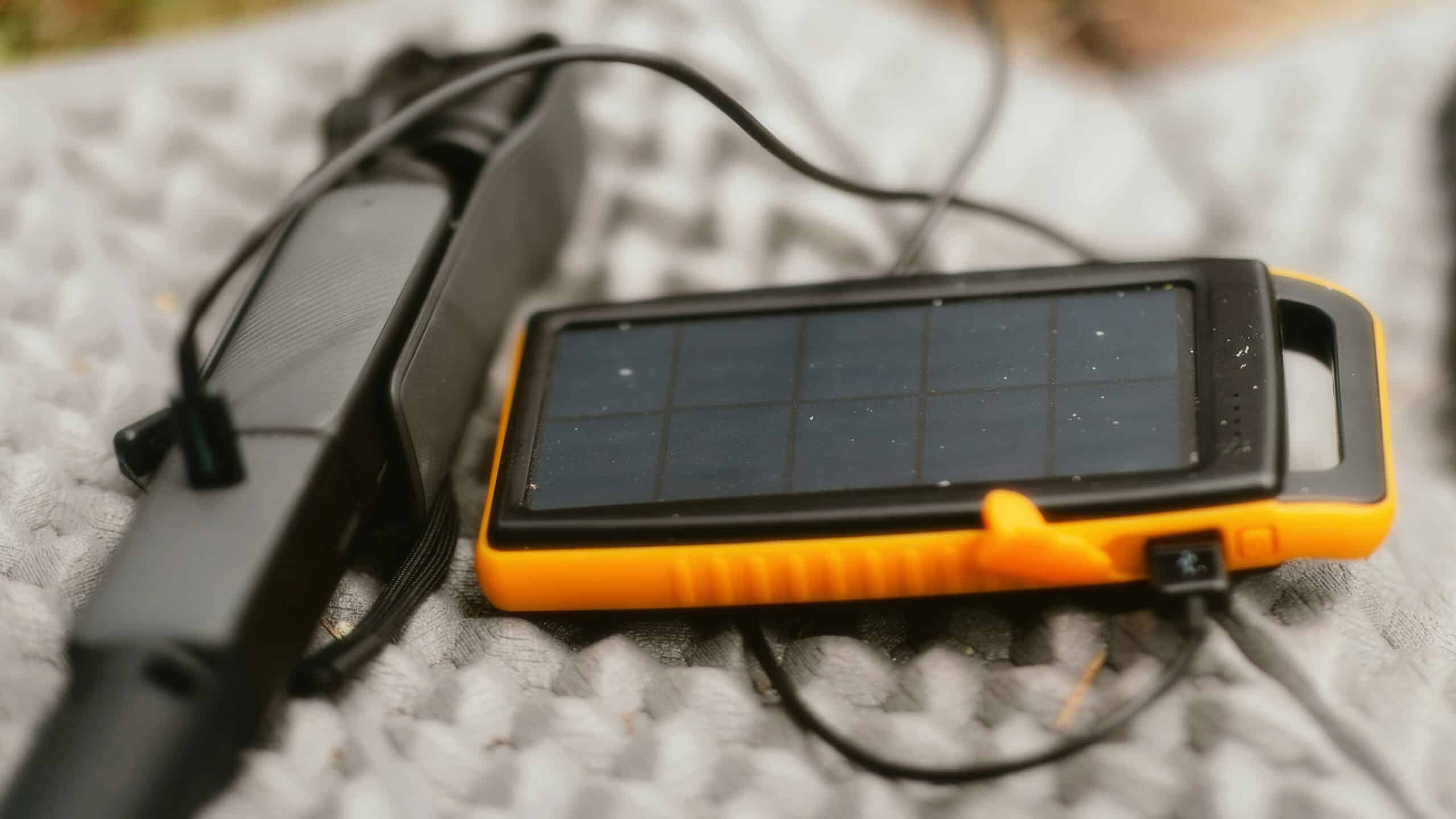
A dead phone on a multi-day hike is not just an inconvenience. Navigation apps, emergency contacts, weather alerts, and trail maps all run on battery. When that battery hits zero in the backcountry, the tools you depend on for safety and route-finding disappear with it. A portable solar charger solves that problem by harvesting free energy from the same sun you are hiking under, converting daylight into usable power for phones, GPS devices, headlamps, and any other USB-charged gear in your kit.
The challenge is that solar charger performance varies enormously based on panel efficiency, wattage output, and how well the design integrates into a hiking routine without adding burden. A heavy, slow solar charger that requires stopping and setting up adds friction that most hikers abandon after one trip. A lightweight, packable charger that clips to a pack and charges while walking becomes a seamless part of the kit. This guide covers the specifications that determine real-world trail charging performance and the five options that deliver it most reliably. Pair a solar charger with our guide to the best headlamps for hiking for a complete power management setup across your electronic trail gear.
What to Look for in the Best Portable Solar Chargers for Hiking
Panel wattage determines charging speed. A 5-watt panel charges a phone slowly, suitable for maintaining a partial charge across a full day of hiking but inadequate for charging a fully depleted phone in a reasonable time. A 10-watt panel charges a standard smartphone from dead to full in approximately 3 to 5 hours of direct sunlight. A 21-watt panel cuts that time to 1.5 to 3 hours. Higher wattage produces faster charging but adds panel surface area and weight.
Panel efficiency determines how much of the available sunlight converts to usable power. Monocrystalline panels, the standard in quality hiking solar chargers, convert 20 to 24% of sunlight to electricity. Lower-quality polycrystalline panels convert 15 to 17%. In partially cloudy conditions, the efficiency difference between panel types becomes more meaningful, monocrystalline panels maintain better output under diffuse light than polycrystalline alternatives.
Weight and packed size determine whether the charger actually goes in the pack. A solar charger that weighs over a pound competes directly with food, water, and shelter for the weight budget on longer hikes. Look for chargers under 14 ounces for 10-watt output and under 20 ounces for 21-watt output.
Durability and weather resistance matter because hiking environments are wet, dirty, and physically demanding. Look for splash-resistant or waterproof panel coverings, reinforced attachment points, and carabiner loops or grommets that allow pack attachment without tearing under trail movement.
Best Portable Solar Chargers for Hiking in 2026: Our Top 5 Picks
1. Anker 21W Solar Charger, Best Overall
Best Overall | Price: ~$50
Anker’s 21W Solar Charger earns the top spot through charging speed, panel efficiency, and the PowerIQ technology that optimizes output for the specific device connected, rather than delivering a fixed amperage regardless of device requirements. The three monocrystalline panels produce 21 watts of output in direct sunlight, enough to charge a standard smartphone fully in approximately 2 to 3 hours of optimal sun exposure during the hiking day.
Anker 21W, PowerIQ Technology That Matches Output to Your Device
PowerIQ detects the connected device’s optimal charging rate and delivers exactly that, preventing the undercharging that fixed-rate chargers produce with fast-charge capable devices and the potential overcharging that unregulated chargers can cause with sensitive electronics. The three-panel fold-out design hangs from a pack using the integrated carabiner loops without requiring removal for charging, the clip-and-charge trail integration that makes solar charging a seamless habit rather than a stop-and-set-up effort. At approximately $50, Anker delivers the charging performance and reliability that justify it as the default recommendation for most hikers.
Best for: Most hikers who want reliable high-output solar charging without stopping to set up, anyone who prioritizes charging speed and device compatibility across multiple electronics.
PROS:
- 21W output charges smartphones fully in 2 to 3 hours of direct sunlight
- PowerIQ optimizes output for each connected device
- Three carabiner loops for pack attachment while hiking
- Monocrystalline panels for high efficiency in varied light conditions
- Anker reliability and warranty support
CONS:
- Higher price at approximately $50
- Three-panel design is less compact than single-panel alternatives when folded
- No integrated battery, requires direct sun for charging output
2. BigBlue 28W Solar Charger, Best for Fast Charging
Best for Fast Charging | Price: ~$60
BigBlue’s 28W charger delivers the highest wattage output on this list, a specification that produces the fastest direct-sun charging times available at the hiking solar charger price point. Three USB ports allow simultaneous charging of multiple devices, phone, GPS, and headlamp battery simultaneously, without reducing individual port output below useful levels. The AmpFlex technology provides similar device-optimized output to Anker’s PowerIQ, preventing undercharging and protecting device electronics across the charging session.
BigBlue 28W, Three Ports That Charge Everything Simultaneously
The multi-device charging capability is the feature that separates BigBlue from single and dual-port competitors most meaningfully for hikers carrying multiple electronic devices. Charging a phone, a GPS unit, and a Bluetooth speaker simultaneously from one panel attachment point eliminates the rotation that single-port chargers require for multi-device kits. At approximately $60, the BigBlue sits at the top of the mainstream hiking solar charger price range, justified for hikers with multiple devices who want maximum simultaneous charging output.
Best for: Multi-device hikers who carry a phone, GPS, and additional electronics and want to charge everything simultaneously from one panel.
PROS:
- Highest wattage on this list at 28W
- Three USB ports for simultaneous multi-device charging
- AmpFlex device-optimized output technology
- Carabiner loops for pack attachment while hiking
- Fast charging times in direct sunlight
CONS:
- Highest price on this list is approximately $60
- Larger folded size than lower-wattage alternatives
- Heavier than lighter-output competitors
3. BLAVOR Solar Charger Power Bank, Best with Built-In Battery
Best with Built-In Battery | Price: ~$40
The BLAVOR combines a solar panel with an integrated 10,000mAh battery, a combination that addresses the primary limitation of panel-only solar chargers. Panel-only chargers require direct sunlight for output. A charger with an integrated battery stores solar energy during sunny hiking hours and delivers it on demand during shaded sections, at camp in the evening, or on overcast days when panel output drops below useful levels.
BLAVOR, The Integrated Battery That Solves the Cloud Problem
The 10,000mAh battery capacity provides approximately 2.5 full charges for a standard smartphone, enough backup power for a 3 to 4 day trip between resupply points when combined with daily solar input. The wireless charging pad on the back surface charges Qi-compatible devices without a cable, a convenience feature that reduces the cable management that multi-device hiking kits require. At approximately $40, the BLAVOR delivers integrated battery storage at a price that undercuts panel-only competitors with higher wattage output, making the trade-off, lower panel wattage in exchange for battery storage, worth evaluating based on your specific trail environment and sun reliability.
Best for: Hikers in variable sun environments, forested trails, cloudy climates, where direct sun availability is inconsistent and stored battery power bridges the output gaps that panel-only chargers cannot.
PROS:
- Integrated 10,000mAh battery stores solar energy for on-demand use
- Wireless Qi charging pad for cable-free device charging
- Lower price than panel-only high-wattage alternatives at approximately $40
- Rugged waterproof construction for trail use
- Dual USB ports plus wireless charging simultaneously
CONS:
- Lower panel wattage than panel-only competitors, slower direct solar charging
- Heavier than panel-only alternatives due to the integrated battery
- Battery adds bulk to the packed size
4. Goal Zero Nomad 10 Solar Panel, Best Premium Pick
Best Premium | Price: ~$80
Goal Zero is the most established brand in portable solar for outdoor use, and the Nomad 10 reflects that through build quality, weather resistance, and the ecosystem compatibility that allows it to charge Goal Zero’s Venture and Flip battery packs directly, the most seamless solar-to-battery-to-device charging integration available in the hiking solar category. The 10-watt output is lower than Anker and BigBlue, but the build quality and brand ecosystem justify the premium for hikers who want long-term reliability over maximum charging speed.
Best for: Goal Zero ecosystem users and hikers who prioritize long-term build quality and brand reliability over maximum charging wattage per dollar.
PROS:
- Goal Zero brand reliability and outdoor-proven build quality
- Weather-resistant construction for demanding trail environments
- Ecosystem compatibility with Goal Zero battery packs
- Monocrystalline panels for efficient, varied-light performance
- Daisy-chain compatibility for expanded panel output
CONS:
- Highest price on this list is approximately $80
- Lower wattage than Anker and BigBlue at the price premium
- Goal Zero ecosystem value is limited for non-ecosystem users
5. Nekteck 21W Solar Charger, Best Value Pick
Best Value | Price: ~$30
Nekteck delivers 21-watt monocrystalline panel output at approximately $30, the same wattage as the Anker at less than two-thirds of the price. The charging speed in direct sunlight matches the Anker’s performance in controlled conditions. The trade-offs versus Anker are a less refined device optimization system, slightly less durable panel attachment points, and less established brand warranty support. For budget-conscious hikers who want 21-watt output without the Anker price premium, Nekteck is the most practical alternative on this list.
Best for: Budget-conscious hikers who want 21-watt solar charging performance without paying the Anker brand premium.
PROS:
- 21W monocrystalline output matches Anker in direct sunlight
- Significantly lower price at approximately $30
- Carabiner loop attachment for pack hiking use
- Dual USB ports for simultaneous two-device charging
- Adequate weather resistance for standard trail conditions
CONS:
- Less refined device optimization than Anker PowerIQ
- Less durable attachment points under extended trail use
- Shorter warranty and less established brand support than Anker
Quick Comparison: Best Portable Solar Chargers for Hiking 2026
| Charger | Price | Wattage | Battery | Best For | Score |
|---|---|---|---|---|---|
| Anker 21W | ~$50 | 21W | No | Best overall | 9.3 |
| BigBlue 28W | ~$60 | 28W | No | Fast charging / multi-device | 9.0 |
| BLAVOR | ~$40 | 10W | 10,000mAh | Variable sun environments | 8.9 |
| Goal Zero Nomad 10 | ~$80 | 10W | No | Premium build quality | 8.8 |
| Nekteck 21W | ~$30 | 21W | No | Best value | 8.7 |
Our Verdict on the Best Portable Solar Chargers for Hiking
Anker 21W at $50 is the right starting point for most hikers, the PowerIQ optimization, 21-watt output, and carabiner loop pack attachment deliver the most practical combination of charging speed, device compatibility, and trail integration available at a mainstream price. Multi-device hikers who carry a phone, a GPS, and additional electronics should go straight to BigBlue 28W at $60, the three-port simultaneous charging eliminates device rotation that single-port chargers require. Hikers in forested or cloudy environments where direct sun is inconsistent should choose the BLAVOR at $40, the integrated battery stores energy during sunny periods and delivers it on demand when panel output drops. Goal Zero Nomad 10 at $80 is the right choice for Goal Zero ecosystem users and hikers who prioritize proven long-term build quality over maximum wattage per dollar. And budget-conscious hikers who want 21-watt performance without the Anker price premium should choose Nekteck at $30.
Frequently Asked Questions: Best Portable Solar Chargers for Hiking
How fast do solar chargers charge a phone on the trail?
At 21 watts in direct sunlight, a standard smartphone charges from dead to full in approximately 2 to 3 hours. At 10 watts, that time extends to 4 to 6 hours. Output drops 20 to 50% in partial cloud cover and further in shade, which is why direct sunlight panel placement during the hiking day matters significantly for charging speed. Clipping the panel to the back of a pack oriented toward the sun during south-facing trail sections maximizes charging time without requiring stops.
Do solar chargers work in cloudy weather?
Yes, but significantly more slowly than in direct sunlight. Monocrystalline panels maintain better output in diffuse light than polycrystalline alternatives, typically producing 30 to 50% of their rated wattage in overcast conditions. For hikers who frequently hike in cloudy environments, the Pacific Northwest, high-altitude routes with afternoon thunderstorms, a solar charger with an integrated battery like the BLAVOR stores energy during any available sun and delivers it during the periods of low or no panel output.
Are solar chargers waterproof?
Most hiking solar chargers are splash-resistant rather than fully waterproof, protected against light rain and trail moisture but not designed for submersion. Store the charger in a pack’s interior during heavy rain and clip it to the exterior during clear conditions. The Anker, BigBlue, and Nekteck are all splash-resistant. The BLAVOR offers the most robust waterproofing of the options on this list.
Can I charge a solar charger indoors through a window?
Very limited effectiveness. Standard window glass filters out a significant portion of the UV spectrum that solar panels use for energy conversion. A panel that produces 21 watts outdoors in direct sun might produce 3 to 5 watts through a window in direct indoor sun, useful for topping up an integrated battery but not for meaningful charging of depleted devices.
What devices can a hiking solar charger power?
Any device that charges via USB, smartphones, GPS units, headlamps with USB charging, Bluetooth speakers, earbuds, cameras, and satellite communicators. Devices that require more than 5 volts or non-USB charging protocols, laptops, some camera systems, are not compatible with standard hiking solar chargers. Check device charging specifications before purchasing a solar charger if compatibility with a specific device is a primary requirement.
More Camping Guides
Panels suit multi-day trips where a battery alone runs out. See our note on power banks for shorter hikes.
