
The most breathable hiking shoe is a non-waterproof one, because a waterproof membrane is a barrier by design and blocks the airflow that cools your foot. The best breathable hiking shoes for hot weather use open mesh uppers, drain quickly, and skip the membrane entirely. Our comparison of hiking shoes versus hiking boots covers why low-cut shoes start ahead in heat before you even look at the upper.
I hike in Arizona, and the hottest I have been out in is somewhere around 103 to 105 degrees. That was a summer hike with someone visiting, which is more or less the only reason I go out in that heat, since I avoid it the rest of the time.
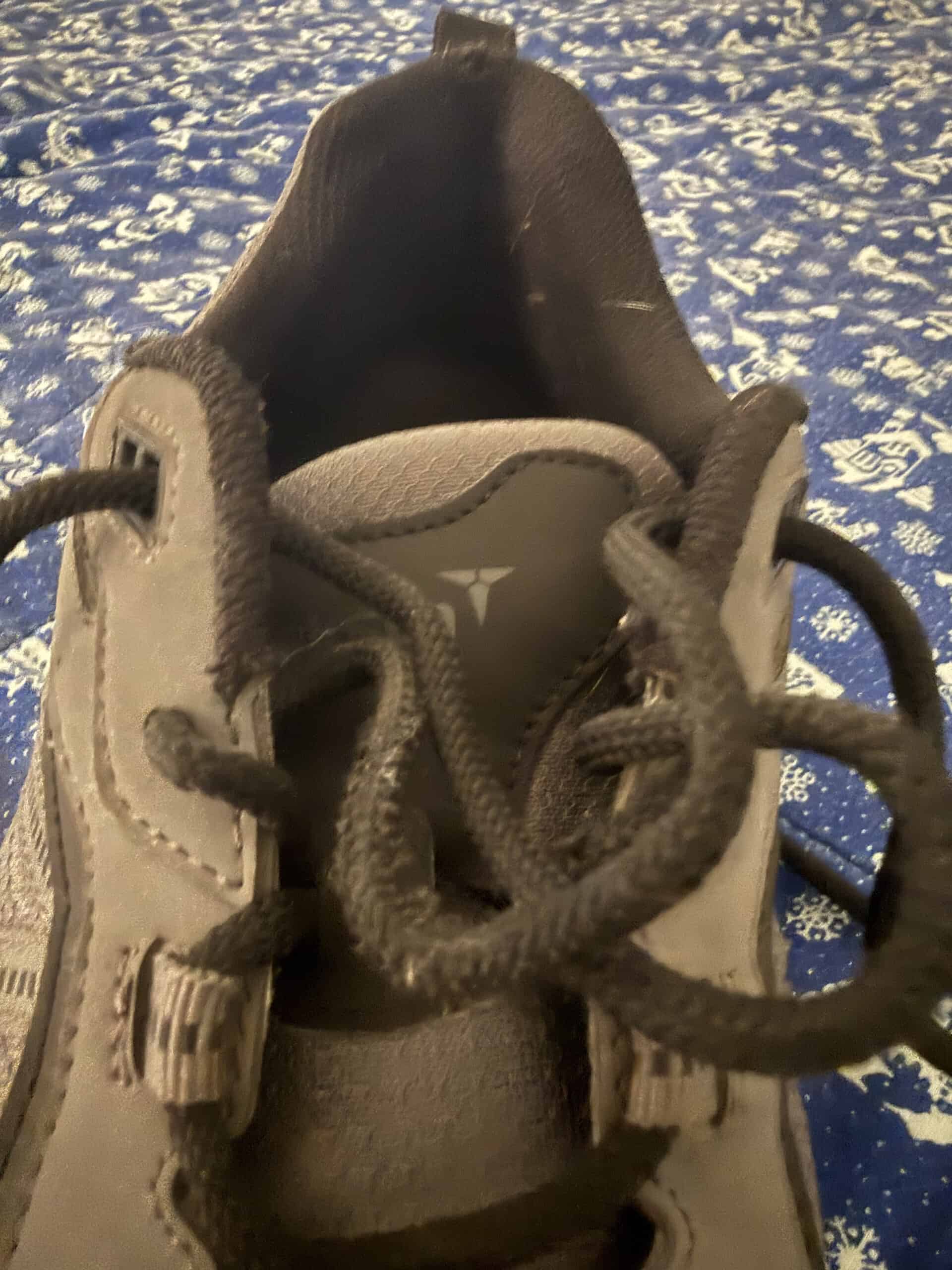
My own shoes are a breathable low-cut pair, and I switched to shoes rather than boots specifically for the airflow. Here is the honest part: my feet still get hot and sweaty. Breathability changes how manageable that is, not whether it happens.
Why Waterproof Membranes Fail in Heat
A waterproof membrane works by blocking liquid water from getting in while allowing vapor to pass out. That second half is far slower than people assume.
Sweat production on a hot climb outpaces what a membrane can move. The moisture stays inside, the foot stays wet, and wet skin blisters far more readily than dry skin.
Membranes also stop water leaving. A non-waterproof mesh shoe that gets soaked in a creek drains and dries within the hour, while a waterproof shoe holds the water against your foot for the rest of the day.
The rule of thumb is simple. Choose waterproof for cold and wet, and choose breathable for anything warm.
Quick Answer
Buy a non-waterproof mesh hiking shoe for hot weather, size it with room for swelling, and pair it with a thin merino or synthetic sock rather than cotton. Accept that your feet will sweat regardless. What breathability buys you is faster drying, fewer blisters, and a foot that does not stay soaked for eight hours.
How We Picked
This roundup rests on upper construction, published weights, membrane status and consistent owner feedback, alongside my own year in a breathable low-cut pair on Arizona trails.
The criteria that carried weight were how open the mesh actually is, whether the shoe has a membrane, drainage, and how much room the toe box leaves for feet that swell in heat.
Outsole grip stayed a real criterion, since heat and dry rock are usually the same trip. A shoe that ventilates beautifully and slides on slab is not a hot-weather shoe.
Durability got weighted down slightly, because open mesh always wears faster than a solid upper. That is the trade you are choosing to make.
Non-Waterproof Mesh Hiking Shoe
Why It Stands Out
The standard mesh-upper hiking shoe with no membrane is the answer for most hot-weather hiking. Air moves through the upper as your foot flexes, so every step pushes warm damp air out and pulls cooler air in.
These shoes also keep the protective elements that matter on rock, meaning a toe cap, a supportive midsole and a proper hiking outsole.
Worth Knowing
This is the category my own shoes fall into, so here is the observed version. Nearly a year, hundreds of miles across rocky Arizona hikes and heavy city walking, and they are still holding up with plenty of tread left.
My feet still get hot and sweaty on a summer hike. What the breathability does is keep them comfortable enough that heat is not the thing that ends the walk, and I would not go back to a warmer shoe. I am not certain mine are fully waterproof, incidentally, and in this climate that has never mattered.
Best for hot dry trails, desert hiking and anyone who has been miserable in membrane shoes. Skip it for cold weather, snow, or sustained wet ground.
Knit-Upper Hiking Shoe
Why It Stands Out
Engineered knit uppers move more air than woven mesh, because the knit is the ventilation rather than a panel set into a solid upper. They also flex with the foot instead of creasing.
Weight drops noticeably too, which matters on a long hot day when every extra ounce costs energy you would rather spend on the climb.
Worth Knowing
Knit uppers offer less abrasion resistance. Sharp rock and desert scrub will mark them faster than a reinforced mesh shoe.
Support is softer by nature. Heavier hikers and anyone carrying a pack often want more structure than knit provides.
Best for day hiking in heat, light loads and smooth to moderately rocky trails. Skip it for scree, heavy packs and abrasive terrain.
Wide-Fit Breathable Hiking Shoe
Why It Stands Out
Feet swell in heat, and they swell more over long distances. A wide-fit breathable shoe gives that swelling somewhere to go instead of turning it into pressure on the sides of the forefoot.
The wide fit is the single feature that keeps my own feet comfortable over long distances, and it is why I moved on from my previous pair. If your feet are wide to begin with, our roundup of hiking shoes for wide feet goes deeper on the fitting problem.
Worth Knowing
Wide models are less common and sell out in popular sizes. Buying ahead of a trip rather than the week before is worth the planning.
A wide shoe on a narrow foot creates its own problems, since the foot slides and rubs. Width should match your foot, not your hopes.
Best for wide feet, long days, and anyone whose forefoot aches by mile eight. Skip it if your current shoes already fit well across the ball of the foot.
Lightweight Trail Runner With an Open Mesh Upper
Why It Stands Out
Trail runners ventilate better than almost anything else you can put on a foot, because the upper is built for airflow first. They also dry fastest after a creek crossing.
For fast day hiking with a light pack, plenty of people find the cooling worth the reduced protection. Our guide to trail running shoes for beginners covers the category in its own right.
Worth Knowing
Underfoot protection is thinner. Sharp rock transmits through in a way a hiking shoe midsole would absorb.
Lifespan is shorter, often noticeably so. Expect to replace them sooner than a hiking shoe of equivalent price.
Best for light packs, fast hiking and smooth trail. Skip it for heavy loads, sharp rock or long approaches with weight on your back.
Ventilated Mid-Cut Hiking Shoe
Why It Stands Out
A mid-cut with a mesh upper and no membrane keeps grit, sand and small stones out of the shoe while still ventilating. On loose desert trails that is a genuine problem worth solving.
The extra height also helps with dusty scree, where low-cut shoes fill up on every descent.
Worth Knowing
Any added height traps some heat around the ankle. The trade is real, and it is why I stay in low-cut shoes for Arizona hiking.
Many mid-cut models come only in waterproof versions. Check the specification carefully, because the ventilated variants are the minority.
Best for scree, sand and loose rock in hot conditions. Skip it if your trails are clean and your priority is maximum airflow.
Budget Ventilated Hiking Shoe
Why It Stands Out
Breathability is one of the cheapest features to get right, because it comes from leaving material out rather than adding technology. Inexpensive mesh hiking shoes ventilate genuinely well.
For someone hiking a handful of times a summer, this is often the sensible purchase rather than a compromise.
Worth Knowing
Midsole quality is where budget shoes actually give ground. Cushioning packs out faster, which shortens usable life more than the upper does.
Outsole rubber is usually harder and less grippy on rock. That matters on dry slab, where grip comes from how much rubber contacts the stone rather than from lug depth.
Best for occasional hikers, second pairs and anyone unsure whether they will keep hiking. Skip it for high mileage or technical ground.
Breathable Hiking Shoes at a Glance
| Type | Best for | Trade |
|---|---|---|
| Non-waterproof mesh | Hot dry trails, all-round use | No protection in cold or wet |
| Knit upper | Maximum airflow, light loads | Abrades faster, softer support |
| Wide fit breathable | Feet that swell in heat | Limited model choice |
| Trail runner | Fast hiking, quick drying | Thin underfoot, shorter life |
| Ventilated mid-cut | Sand, scree and grit | Warmer at the ankle |
| Budget ventilated | Occasional summer hiking | Midsole packs out sooner |
What to Look For in a Hot-Weather Hiking Shoe
Does it have a membrane?
This is the first question and it settles most of the decision. Any shoe advertised as waterproof carries a membrane, and that membrane costs you airflow.
Look for the absence of a waterproofing name in the specification rather than the presence of a breathability claim.
How open is the mesh?
Hold the shoe up to a light. An upper you can see daylight through moves air, and one you cannot does not, whatever the marketing says.
Solid overlays across the whole forefoot are the usual culprit in shoes that claim ventilation and do not deliver.
Is there room for swelling?
Feet expand over a hot day. A shoe that fits perfectly in an air-conditioned shop can be tight by mile six.
Leave a thumb’s width at the toe and choose width honestly. Our guide on choosing hiking shoes covers fitting in more depth.
Will it drain?
Drainage matters even on dry trails, because a creek crossing or a hose-down at the trailhead is common. Mesh uppers with no membrane shed water in minutes.
Shoes with drainage ports do it faster still, though the mesh does most of the work.
Breathable Shoes or Hiking Sandals
Where shoes stay ahead
Shoes protect the toes, keep grit out, and give the foot structure over distance. On rocky ground that protection is the difference between an enjoyable hike and a bruised foot.
They also handle a pack better, since sandals give the arch far less support under load.
Where sandals win
Nothing ventilates like an open sandal, and for water-heavy hikes they are the obvious answer. Our roundup of hiking sandals for summer trails covers the good ones.
The catch is sun exposure on the top of the foot and no defence against sharp rock. Most people end up owning both and choosing by trail.
What Trips People Up
Buying waterproof shoes for summer
Waterproof is the default on shop shelves, so people buy it without deciding to. In heat it makes the foot wetter, not drier.
Wearing cotton socks
Cotton holds sweat against the skin and stays wet. Thin merino or synthetic socks move moisture out, and our roundup of hiking socks covers the difference.
Expecting breathable to mean dry
My feet still get hot and sweaty in genuinely breathable shoes. Breathability manages the problem rather than removing it, and expecting otherwise leads to disappointment with a perfectly good shoe.
Ignoring the heat itself
Footwear is a small part of hot-weather safety. Timing, water and shade matter far more, which is why how hot is too hot to hike is the more important read.
Recommended Reading
- How to carry water on a hot hike
- Hiking hats for sun protection
- Recognizing heat exhaustion on the trail
- When to replace hiking shoes
- Why you get blisters hiking
Breathable Hiking Shoes FAQ
Are waterproof hiking shoes bad in hot weather?
They are the wrong tool for it. A membrane blocks the airflow that cools your foot and cannot move sweat as fast as a hot climb produces it. The result is a foot that stays wet, and wet skin blisters more easily than dry skin.
What is the most breathable type of hiking shoe?
A low-cut, non-waterproof shoe with an open mesh or engineered knit upper. Trail runners ventilate even better, at the cost of underfoot protection and durability. Anything advertised as waterproof sits well behind all of them.
Will breathable shoes stop my feet sweating?
No. Feet sweat in heat regardless of the shoe, and mine still do on a summer hike. What breathability changes is how fast that moisture leaves, which means fewer blisters and a foot that dries out instead of staying soaked all day.
What socks should I wear with breathable hiking shoes?
Thin merino wool or a synthetic blend. Both move moisture away from the skin and keep working when damp. Cotton is the one to avoid, since it holds sweat against the foot and dries slowly.
Do breathable hiking shoes wear out faster?
The uppers do, since open mesh has less abrasion resistance than a solid upper. In practice the midsole and outsole usually decide when a pair is finished. Watch the tread and how the shoe feels rather than how the mesh looks.
Can I hike in hot weather in trail runners instead?
Yes, and many people do. They ventilate and drain better than hiking shoes. The trade is thinner protection underfoot on sharp rock and a shorter usable life, so it suits light packs and smoother trails best.
