
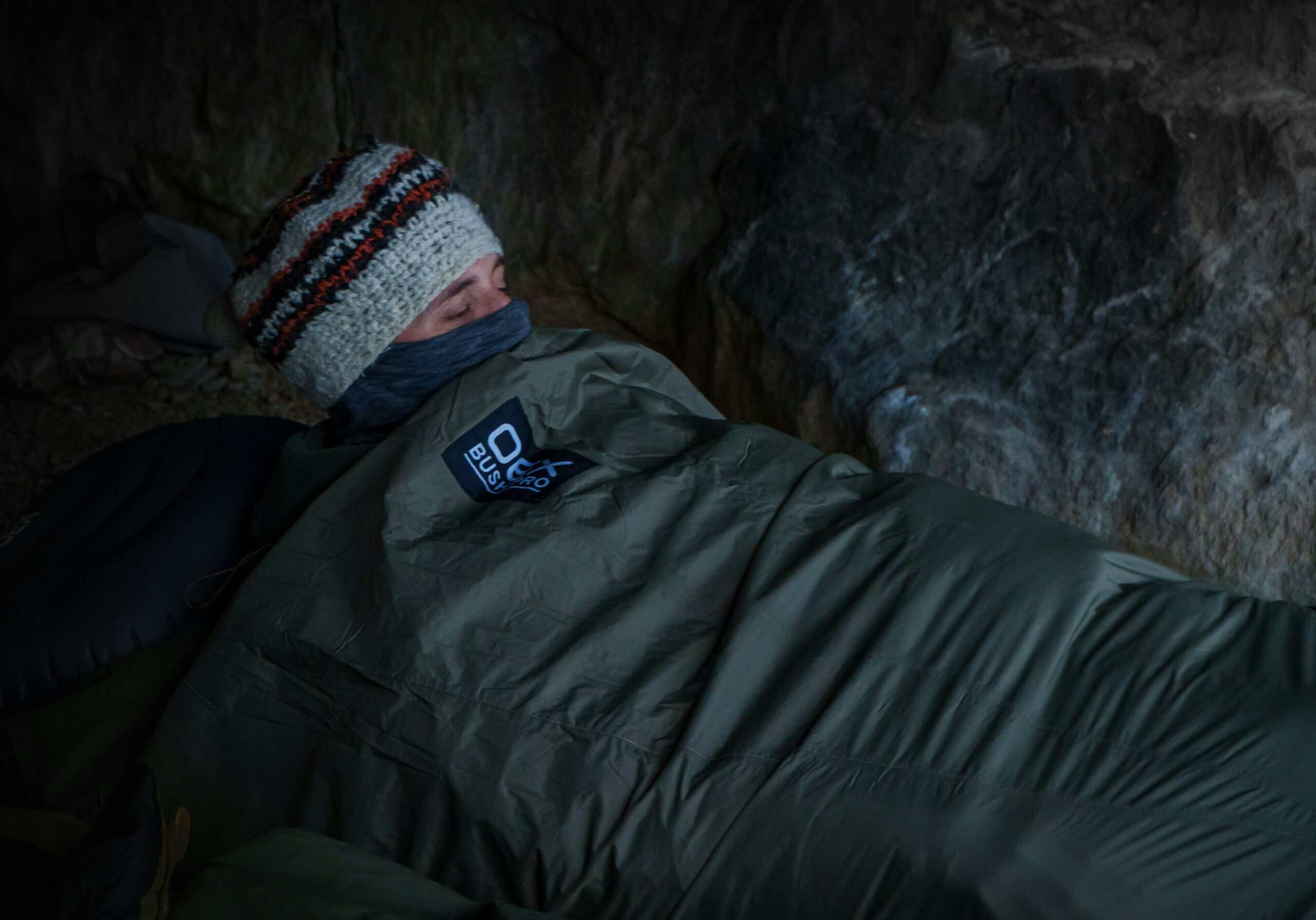
Wash a sleeping bag in a front loading machine or a bathtub, using cold water, a fill-specific cleaner, a gentle cycle, and at least two extra rinses, then tumble dry on the lowest heat with dryer balls until every clump breaks apart. The goal of any attempt to wash a sleeping bag is protecting loft, which is the trapped air that keeps a sleeper warm. Rush a step and the bag comes out flatter than it went in.
Most bags get washed far more often than they need to be. A liner and a little spot cleaning push a full wash back by years, which matters because every wash stresses the shell and the baffles. The same care logic covers the rest of a sleep system, including a packable sleeping pad.
Quick Answer
Use a front loader or a bathtub, never a top loader with a center agitator. Choose a down-specific wash for down and a mild detergent for synthetic, then run cold water on gentle with two extra rinses. Dry for hours on the lowest heat with clean tennis balls until no clumps remain.
Key Takeaways
- A sleeping bag rarely needs a full wash. Spot cleaning and a liner handle most of the grime.
- Agitators tear baffles. A front loader or a bathtub is the only safe option.
- Down needs a down-specific cleaner. Regular detergent strips the natural oils that hold loft.
- Never lift a soaked bag by one end. The weight rips the internal baffles apart.
- Store the bag loose in a big cotton or mesh sack, never compressed for months.
Step by Step
1. Try spot cleaning first
Check whether the bag actually needs a full wash. Most dirt sits on the hood, the collar, and the footbox where skin oils build up. Dab those spots with a damp cloth and a drop of mild soap, then air dry.
2. Read the care tag and pick the right cleaner
The tag names the fill and any shell treatment. Down bags need a down-specific wash that cleans without pulling out the natural oils. Synthetic bags accept a mild detergent or a technical cleaner made for outdoor fabrics.
3. Choose a front loader or a bathtub
A front loading machine tumbles the bag without twisting it. A bathtub works just as well and gives more control. Skip any top loader with a center agitator, since that post grabs fabric and tears baffle seams from the inside.
4. Wash cold on the gentle cycle
Set the machine to cold or lukewarm water and the gentlest cycle available. Use a small amount of cleaner, because excess soap clings to the insulation. Never add fabric softener, which coats fibers and flattens both fill types.
5. Rinse at least twice more
Leftover soap is the quiet loft killer. Run a minimum of two extra rinse cycles after the wash finishes. In a bathtub, drain and refill with clean water until no suds appear when the bag is pressed.
6. Move the wet bag with both arms
This is the moment most bags get destroyed. A soaked bag holds a startling amount of water and turns very heavy. Scoop it out with both arms, support the whole length, and never lift it by the hood or the foot.
7. Dry low and slow with dryer balls
Set the dryer to its lowest heat or the air setting. Toss in two or three clean tennis balls or wool dryer balls to break up clumps. Expect several hours, and pause now and then to pull clumps apart by hand.
8. Confirm the bag is bone dry
Squeeze the baffles all over and feel for cold, dense pockets. Any clump means moisture is still trapped inside. Keep drying until the fill feels even and airy everywhere, then let the bag rest open for a few more hours.
How Often Does a Sleeping Bag Really Need Washing?
Most bags need a full wash only after many nights of use, not after every trip. Body oils build up slowly, and airing the bag out at home removes a lot of that. Hang it open over a chair or a line for a day.
A sleeping bag liner is the single best delay tactic. The liner absorbs the oils, and a liner washes like a bedsheet. Swap liners between trips and the bag itself can go seasons without a machine wash.
Spot cleaning covers the rest, since the hood and collar collect the most grime. Storage habits then matter more than wash frequency. Anyone shopping for a replacement should read up on picking the right bag before assuming the old one is finished.
Down or Synthetic: What Changes in the Wash?
The fill type decides the cleaner, the drying time, and the margin for error. Down clusters trap air through tiny natural structures coated in oils. Ordinary detergent strips those oils, and stripped down never fully recovers its loft.
Down-specific wash exists for exactly that reason. It lifts dirt while leaving the natural oils in place. Use it sparingly, because down holds soap stubbornly and needs the extra rinses badly.
Synthetic fill is more forgiving, so a mild detergent or a technical cleaner works fine. It also dries faster and clumps less than down does. The full trade-off appears in this comparison of the two fill types.
Can a Sleeping Bag Be Dry Cleaned?
Never dry clean a down sleeping bag. The solvents used in dry cleaning dissolve the natural oils that keep down clusters springy. The bag comes back looking clean and feeling permanently flat.
Some synthetic bags survive dry cleaning, but the risk still outweighs the convenience. Solvents can also affect shell coatings and taped seams. A gentle home wash costs less and treats the materials better.
Why the Wet Lift Is the Riskiest Moment
A soaked sleeping bag weighs several times what a dry one does. All that water pools toward whichever end hangs lowest. Baffles are thin fabric walls sewn between the shell and the lining, and they cannot carry that load.
The fix is simple. Slide both forearms under the bag and cradle the whole length from tub to dryer. Press water out gently rather than wringing, since twisting does the same damage as hanging.
The same principle applies to any wet gear with internal structure. That is why the method in this guide to cleaning a hiking pack looks familiar.
How to Store a Sleeping Bag After Washing
Storage kills more sleeping bags than washing ever does. Compression is the culprit, because months inside a tight stuff sack crush the fill permanently. Down loses its ability to spring back, and synthetic fibers take a set.
Store the bag loose in a large cotton or mesh sack. Most bags ship with one, and a cotton pillowcase works as a stand-in. Keep that spot dry, shaded, and close to room temperature.
Save the stuff sack for the trail. Compress the bag only for transport, then let it loft as soon as camp is set. Bags for cold weather trips depend on that loft the most.
What Actually Ruins a Sleeping Bag
Fabric softener
Softener leaves a waxy film across every fiber it touches. That film mats down clusters together and glues synthetic fibers into flat sheets. The bag feels pleasant and insulates poorly.
Regular detergent on down
Standard laundry detergent is built to strip oils out of cotton. Down depends on its natural oils to stay resilient. Once stripped, the clusters go brittle and never return to full height.
A top loading agitator
The center post twists and yanks fabric through the whole cycle. Baffle walls are thin and stitched, so they give way first. The tearing stays invisible until fill starts drifting into cold spots.
Packing the bag away damp
A bag stored with any moisture inside grows mildew within days. Mildew stains the shell and rots down clusters from the inside. That loft loss is permanent, and the smell rarely washes out.
Long term compression
Months in a stuff sack flatten the fill under constant pressure. The bag looks fine when unpacked and simply fails to puff back up. This is the most common way a good bag quietly dies.
Related Reading
Anyone rebuilding a sleep system should look at the full picture. Start with the top camping bag picks, then check which pad insulation rating suits the season. A good camp pillow finishes the setup.
Frequently Asked Questions
How often should someone wash a sleeping bag?
Wash a sleeping bag only when it looks dirty, smells stale, or stops lofting the way it used to. That often means once every few seasons rather than once a year. A liner plus spot cleaning on the hood and collar pushes the full wash back much further and protects the baffles.
Can a top loading washing machine be used?
Only a top loader without a center agitator is acceptable, and a front loader remains better. The agitator post twists the bag hard through every cycle and tears the thin baffle walls inside. Those tears let fill migrate and create permanent cold spots, so a bathtub is the safer fallback.
What cleaner works for a down bag?
Use a down-specific wash sold for insulated gear, in a small amount, rinsed thoroughly afterward. These cleaners lift dirt without stripping the natural oils that let down clusters spring back. Regular laundry detergent is designed to remove oils, so it flattens down permanently.
How long does drying take?
Plan on several hours on the lowest heat setting, sometimes most of a day for a thick down bag. Add clean tennis balls or wool dryer balls to knock clumps apart as the drum turns. Pause regularly, pull stubborn clumps open by hand, and restart the cycle.
How can dryness be confirmed?
Squeeze the bag all over and feel for dense, cool pockets inside the baffles. Any clump means water is still trapped in the fill. Keep drying until the insulation feels even and airy from head to foot, then leave the bag open in a dry room for a few extra hours.
Is fabric softener ever safe?
Fabric softener is never safe on insulation. It coats fibers with a residue that mats down clusters and flattens synthetic fill, so the bag traps far less air. Dryer sheets cause the same problem and belong nowhere near a sleeping bag.
What is the best way to store a bag between trips?
Keep it loose in a large cotton or mesh sack in a dry, room temperature spot. Compression sacks are for carrying gear, not for storage, because months of pressure crush the fill permanently. Hikers weighing different shelter setups should plan storage space for the bag too.
