
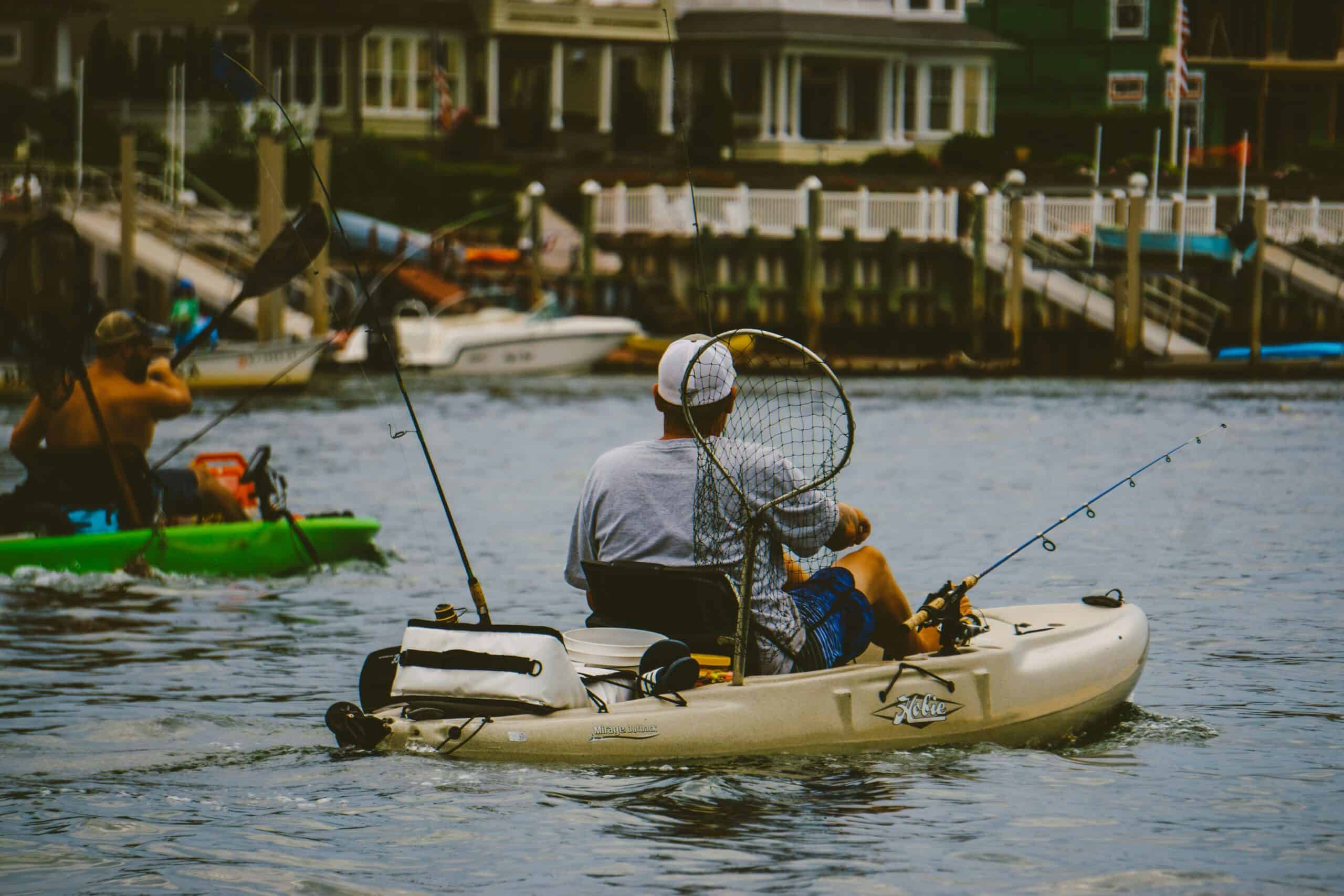
A loose tackle bag slides around the tankwell and tips over at the worst moment. A kayak fishing crate locks your gear, rods, and tackle into one secure, reachable station behind the seat. Which crate fits depends on your tankwell size, how many rods you carry, and whether you want hard or soft sides.
Quick verdict: For a rugged, modular setup, the YakAttack BlackPak Pro is the standard to beat. For the lowest cost, a milk crate with added rod holders still does the job.
How We Picked the Best Kayak Fishing Crates
We weighed build quality, rod-holder options, tankwell fit, storage layout, and how securely each crate rides. A crate carries your gear over chop and surf, so a sturdy, well-fitted box that stays put matters most.
We looked at complete crate systems and budget builds alike, since a simple milk crate still works for many anglers. The goal is organized, secure storage that suits your boat and budget.
With everything in its place, you spend more time fishing and less time digging through a bag. An organized deck also makes a kayak safer and easier to move around.
We also checked how well each crate lashes down, since a crate that shifts is a hazard. A box that rides quietly is one you stop thinking about.
We covered hard premium crates, soft-sided options, and DIY kits. To match the crate to your boat, see our guide to fishing kayaks for anglers.
1. YakAttack BlackPak Pro
Why It Stands Out
The BlackPak Pro is the benchmark crate, with a rigid build and included rod holders. Its modular lid and track-ready design accept a range of accessories. For a do-it-all crate, it leads the category.
Worth Knowing
It sits at the premium end of crate pricing. Confirm the size suits your tankwell before buying. The quality justifies the cost for frequent anglers.
This suits a dedicated kayak angler who wants a rugged, expandable station. Skip it if you fish occasionally and want to spend little. A tournament-minded angler carrying multiple rods and tackle trays fits the BlackPak best.
The track-ready lid accepts upgrades as your kit grows. Buy it once and it keeps pace with your rigging.
2. Wilderness Systems Kayak Krate
Why It Stands Out
The Kayak Krate offers a polished, feature-rich design from a respected kayak maker. It blends rod storage with organized tackle space. For a premium ready-made system, it is a strong choice.
Worth Knowing
Like other premium crates, it carries a higher price. Check the dimensions against your tankwell. The integrated features matter most to frequent anglers.
This suits an angler who wants a refined, all-in-one crate. Skip it if a basic crate already meets your needs. Someone wanting organized storage without building it themselves fits the Krate well.
The integrated layout means less DIY and a cleaner result. For anglers who would rather fish than build, that is the appeal.
3. Milk Crate with Rod Holders
Why It Stands Out
A sturdy milk crate fitted with PVC or clip-on rod holders is the classic budget build. It costs a fraction of a premium crate and does the core job. For thrifty anglers, it is the proven starting point.
Worth Knowing
You assemble and rig it yourself, which takes a little effort. It lacks the polish and modular extras of premium crates. Secure it well, since basic crates can shift in chop.
This suits a new or budget angler who wants function over features. Skip it if you want a finished, accessory-ready system. Someone rigging their first kayak on a tight budget fits this build perfectly.
You can add rod holders one at a time as funds allow. Few setups deliver more function per dollar.
Recommended read: Round out storage with our picks for kayak coolers and dry bags.
4. YakGear Angler Crate Kit
Why It Stands Out
The YakGear kit packages a crate with rod holders at a friendly price. It bridges the gap between a bare milk crate and a premium system. For ready-made value, it hits a useful middle ground.
Worth Knowing
Build is solid for the price rather than premium. Check the rod-holder count against your needs. The kit covers essentials without extras.
This suits an angler who wants a finished crate without the top-tier cost. Skip it if you want a fully modular, accessory-rich box. Someone upgrading from a bare crate to an organized kit fits it well.
It adds polish without the premium price tag. For a second season of fishing, it is a sensible step up.
5. Vibe Kayaks Fishing Crate
Why It Stands Out
The Vibe crate offers a capable mid-range option with practical storage. It balances features and price for everyday anglers. For a dependable middle choice, it works well.
Worth Knowing
It may offer fewer modular options than top crates. Confirm the fit for your tankwell. Features are practical rather than premium.
This suits an angler who wants more than a milk crate without going premium. Skip it if you want the most expandable system available. A weekend angler wanting tidy, reliable storage fits the Vibe well.
It covers the essentials without overcomplicating things. For regular outings, dependable beats flashy.
6. Plano Soft-Sided Kayak Crate
Why It Stands Out
A soft-sided crate offers flexible, padded storage that squeezes into odd tankwells. It often includes tackle trays and a zip-top to keep gear contained. For protected, adaptable storage, the soft style appeals.
Worth Knowing
Soft sides offer less rigid rod mounting than a hard crate. Keep it from soaking by stowing it dry. It suits anglers prioritizing organization over rod racks.
This suits an angler who values protected tackle storage and a flexible fit. Skip it if you need many rigid rod holders. Someone carrying lots of tackle trays in a compact tankwell fits the soft crate well.
The padded sides protect gear and squeeze into spaces a hard box cannot. For tackle-heavy anglers, organization wins out.
How to Choose a Kayak Fishing Crate
A few factors point you to the right crate. Work through these before buying.
Tankwell Fit
Measure your tankwell and match the crate footprint so it sits securely. A crate that is too big perches unstably, while a tiny one wastes space. Confirm dimensions before buying.
A crate that fits snugly will not rattle or slide as you paddle. Snug and secure beats roomy and loose every time.
Rod Holders
Decide how many rods you carry and whether you want built-in holders. Premium crates include them, while budget builds add them yourself. More holders mean more rods at the ready.
Think about how you actually fish before adding holders you will not use. Two or three well-placed holders suit most anglers.
Storage Layout
Look at how the crate organizes tackle trays, tools, and small gear. A smart layout keeps essentials reachable from the seat. Clutter slows you down on the water.
Keep your most-used trays and tools near the top for quick reach. A tidy layout saves fumbling at the moment a fish hits.
Hard or Soft Sides
Hard crates mount rods rigidly and shrug off knocks, while soft ones flex into odd spaces and pad gear. Choose based on whether rods or tackle storage matter more. Each style has clear strengths.
Many anglers end up with a hard crate for rods and a soft bag for overflow tackle. The two approaches can complement each other on a bigger boat. Pair either with a good life vest and a float plan.
Securing System
The crate must lash down so it cannot shift or launch in chop or surf. Look for tie-down points or track compatibility. A secure crate is a safe, quiet crate.
Test the lash by giving the crate a firm shake before you launch. If it moves, cinch it tighter until it sits dead still.
Hard vs Soft Crates
The two styles suit different anglers. Here is the quick split.
Hard Crates
A rigid crate mounts rods securely and takes abuse without complaint. It suits anglers who carry several rods and want a rugged base. The trade-off is a fixed shape and usually more cost.
Soft Crates
A soft-sided crate flexes into tight tankwells and pads delicate gear. It suits anglers focused on tackle organization. The limit is less rigid rod mounting.
Soft crates also pack down small for transport and storage. For anglers tight on space at home, that compactness is a real plus.
Common Kayak Crate Mistakes to Avoid
A few errors lead to lost gear or a cluttered deck. Watch for these.
Skipping the Tie-Downs
An unsecured crate can shift or even launch in surf and rough water. Always lash the crate to tie-down points before you paddle out.
Wrong Size for the Tankwell
A crate that does not fit perches unstably or wastes space. Measure your tankwell and match the crate footprint before buying.
Overloading the Crate
Packing too much raises the center of gravity and crowds the deck. Carry what you need and leave room to reach your gear.
An overloaded crate also makes the kayak feel tippy and slow. Pack lean and your boat handles better all day.
Letting Gear Stay Wet
Tackle and trays left soaking lead to rust and tangles. Rinse and dry your crate and gear after trips, especially in salt water.
A few minutes of cleanup keeps trays from rusting shut between trips. Your gear lasts longer and stays ready to fish.
Salt left to dry corrodes hooks, hardware, and trays over time. A quick freshwater rinse adds seasons to your gear.
Decision Matrix
Prices shift often, so confirm current cost before buying. This matrix maps common needs to the crate that fits.
| Your situation | BlackPak Pro | Milk crate build | Soft crate |
|---|---|---|---|
| Many rods, frequent trips | Best fit | Workable | Skip |
| Tight budget | Skip | Best fit | Workable |
| Lots of tackle trays | Workable | Workable | Best fit |
| Small or odd tankwell | Skip | Workable | Best fit |
Frequently Asked Questions
What is the best kayak fishing crate?
For a rugged, modular system, the YakAttack BlackPak Pro sets the standard, while a milk crate with rod holders covers budget builds. Soft crates suit tackle-heavy anglers. The best pick depends on your rods, tankwell, and budget.
What is a kayak fishing crate for?
It organizes rods, tackle, and gear into one secure station behind the seat. That keeps everything reachable and stops loose gear sliding around. A good crate turns a cluttered deck into an efficient setup.
Can I just use a milk crate?
Yes, a sturdy milk crate with added rod holders is a proven budget option. It does the core job for a fraction of the cost. You assemble and secure it yourself.
How do I secure a crate to my kayak?
Lash it to the tankwell tie-down points or accessory track so it cannot shift. A secure crate stays put in chop and surf. Never paddle out with an unsecured crate.
Hard or soft kayak crate?
Hard crates mount rods rigidly and take abuse, while soft crates flex into tight spaces and pad gear. Choose hard for rod storage and soft for tackle organization. Each suits a different priority.
What size crate do I need?
Measure your tankwell and match the crate footprint so it sits securely. Too large perches unstably, too small wastes space. Always check dimensions before buying.
How many rod holders should a crate have?
Match the rod-holder count to how many rods you carry, plus one spare. Premium crates include several, while budget builds let you add your own. More holders keep more rods at the ready.
Where can I learn more about kayak fishing gear?
Take Me Fishing and the REI Expert Advice library publish guidance on kayak fishing and rigging.
