
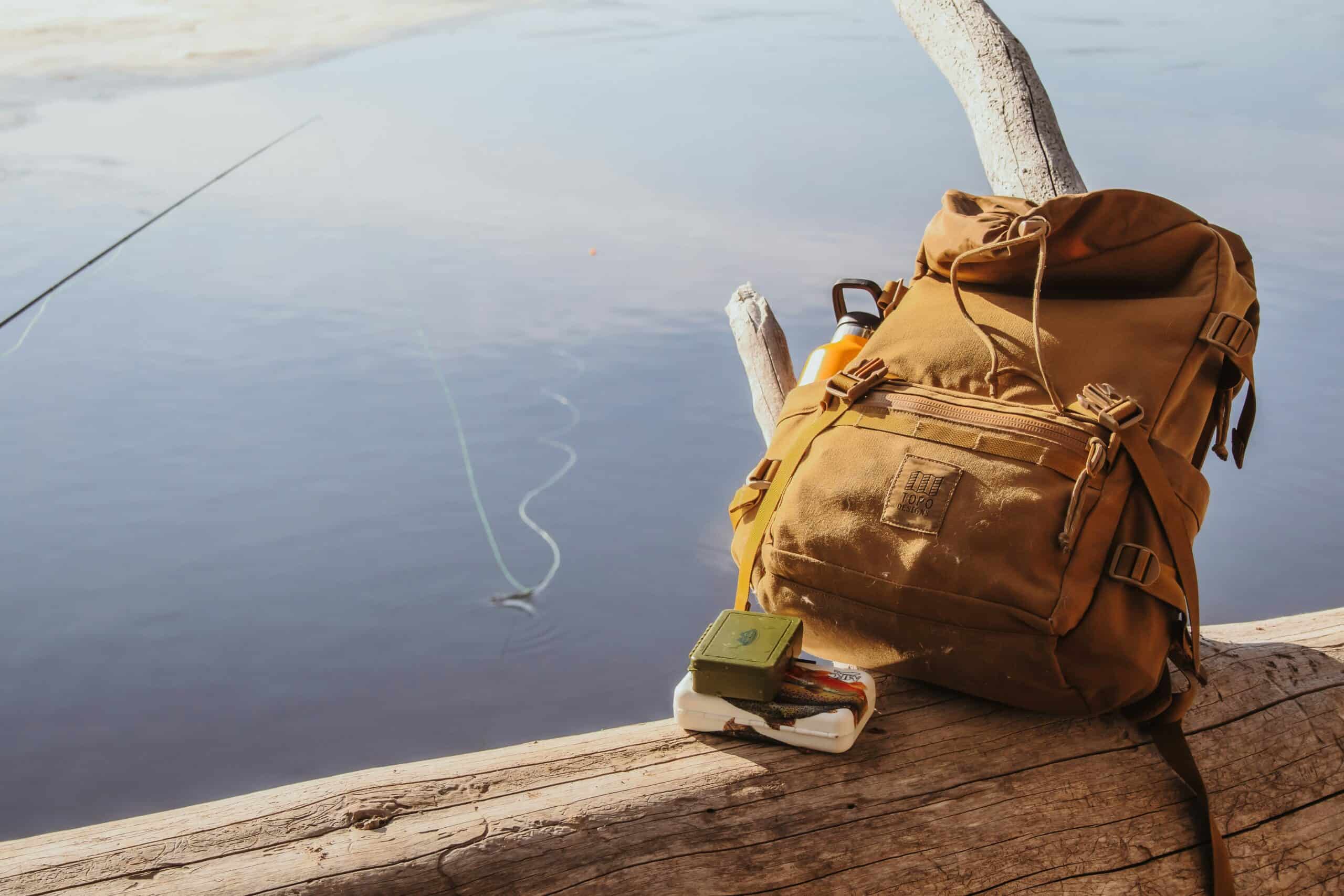
A tackle backpack carries your boxes, tools, and gear on your back so you can hike to a spot, fish from a kayak, or move along a bank without lugging a bulky box. The best tackle backpacks fit your tackle trays securely, keep gear organized and dry, and wear comfortably over a long day. The trade-offs that matter most are the tray capacity, the comfort and load carry, and weather resistance and durability. Below are six tackle backpacks worth buying, from tray-integrated packs to waterproof and budget options, with a plain guide to choosing the right one. For related gear, see our guides to the best fishing tackle boxes and fishing pliers and tools.
Quick Verdict
For most anglers, a tray-integrated tackle backpack is the right default: it keeps tackle organized and carries hands-free to any spot. Kayak and wet-weather anglers should choose a waterproof pack, those hiking to remote water want built-in rod holders, and light-and-mobile anglers will prefer a sling.
Why Trust This Guide
Independent picks, reader-supported through affiliate links at no cost to you. Selections draw on product research, manufacturer specs, and general angling gear guidance.
Key Takeaways
- Tackle backpacks carry gear hands-free, ideal for bank, kayak, and hike-in fishing.
- Tray-integrated packs keep lures and terminal tackle organized and grab-ready.
- Waterproof packs protect gear in kayaks and wet weather.
- Built-in rod holders free your hands for hiking to remote spots.
- Match capacity to your trip: bigger for all-day, a sling for light and mobile.
How We Picked the Best Tackle Backpacks
Picks were chosen on tray capacity and compatibility, carry comfort, weather resistance, and durability, then cross-checked against angler reviews and manufacturer specs. The goal was a short list spanning tray-integrated, waterproof, rod-carrying, and light sling options rather than six near-identical packs.
1. Tray-Integrated Tackle Backpack, Best Overall
A backpack that comes with several utility trays built into the main compartment is the best all-around choice, keeping your lures and terminal tackle organized and easy to grab. It is the design most bank and kayak anglers reach for.
Why It Stands Out
Included trays slot into the pack so your tackle stays sorted and secure while you move, and the main compartment plus side pockets hold pliers, line, and extras. Padded straps make it comfortable to hike to a spot. Everything travels together in one grab-and-go pack.
Worth Knowing
Confirm the tray size the pack uses so you can buy compatible spares, since sizes vary by brand. A loaded pack gets heavy, so comfortable straps matter. Fill the trays from our tackle box guide if you want extras.
Best for most anglers wanting organized, hands-free tackle storage. Skip only if you carry very little gear, where a sling or small box is enough.
2. Waterproof Tackle Backpack, Best for Kayak and Wet Conditions
A waterproof or water-resistant tackle backpack protects your gear from spray, rain, and the wet floor of a kayak, ideal for anglers who fish from the water or in bad weather.
Why It Stands Out
Sealed or coated fabric and water-resistant zippers keep tackle, phones, and tools dry in a kayak or a downpour. It is built for the splashes and rain that a standard pack shrugs off poorly. Peace of mind for on-water anglers.
Worth Knowing
Fully waterproof packs cost more and may have fewer external pockets to stay sealed. Check whether it is truly waterproof or just water-resistant for your conditions. Pair it with a fishing vest if you like tools within instant reach.
Best for kayak anglers and anyone fishing in wet weather. Skip if you only fish dry banks in fair weather.
3. Backpack With Rod Holders, Best for Hiking to Spots
A tackle backpack with built-in rod holders lets you carry rods hands-free while hiking to remote water, freeing your hands for the trail and other gear.
Why It Stands Out
Integrated rod tubes or straps secure your rods to the pack so you can scramble to a spot without holding them. This suits anglers who hike into backcountry ponds and streams. Hands stay free for balance and carrying.
Worth Knowing
Secured rods can catch on brush, so route them carefully on tight trails. Make sure the holders fit your rod size and reel.
Best for anglers who hike to remote fishing spots. Skip if you fish close to the car or from a boat.
4. Large-Capacity Tackle Backpack, Best for All-Day Trips
A high-capacity tackle backpack carries extra trays, layers, food, and water for full-day or multi-species trips where you need to bring everything.
Why It Stands Out
A bigger main compartment and more trays and pockets hold a wide selection of tackle plus personal gear for a long day out. It suits anglers who target several species or fish far from resupply. One pack covers the whole outing.
Worth Knowing
More capacity means more weight and bulk, so it is overkill for short sessions. Use the compression straps to stabilize a partial load. For the trip’s terminal tackle, see our fishing line guide.
Best for all-day and multi-species anglers carrying lots of gear. Skip for quick after-work sessions.
5. Budget Tackle Backpack, Best Value
An inexpensive tackle backpack covers the basics for a lower price, an easy way to get organized hands-free storage without a big outlay.
Why It Stands Out
Even a budget pack carries a few trays and your essential tools for far less, making the hands-free format accessible. The low cost is ideal for beginners or as a backup pack. Basic organization still beats a loose box.
Worth Knowing
Cheaper packs may use thinner fabric and less comfortable straps, so check the reviews for durability. Treat it as a solid starter rather than a lifetime pack.
Best for beginners and budget-minded anglers. Skip if you want waterproofing or premium comfort.
6. Sling-Style Tackle Pack, Best for Light and Mobile
A sling-style tackle pack sits across your back but swings to the front for access without taking it off, perfect for mobile anglers who carry minimal gear.
Why It Stands Out
The single-strap sling lets you rotate the bag around to grab a lure without removing it, keeping you moving along a bank. It carries a tray or two and the essentials in a compact form. Fast access is its strength.
Worth Knowing
Slings hold less than a full backpack and can strain one shoulder when heavy. Choose one if you travel light and value quick access over capacity. Keep a landing net clipped on for run-and-gun sessions.
Best for mobile, light-packing anglers who move often. Skip if you carry lots of tackle.
Tackle Backpack Types at a Glance
| Type | Best For | Capacity | Weather |
|---|---|---|---|
| Tray-integrated | Most anglers | Medium | Varies |
| Waterproof | Kayak, wet weather | Medium | Sealed |
| With rod holders | Hiking in | Medium | Varies |
| Sling | Light, mobile | Small | Varies |
How to Choose a Tackle Backpack
Match tray capacity to your tackle
Count how many utility trays you actually carry and buy a pack that holds them, with room for tools and line. Check the tray size the pack uses so spares are easy to find. Buying too small means leaving gear behind.
Prioritize carry comfort
A loaded tackle pack gets heavy, so padded, adjustable straps and a supportive back panel matter for hiking to spots. If you walk far or fish all day, comfort is worth paying for. Try it loaded if you can.
Consider weather resistance
Kayak and rainy-weather anglers need waterproof or water-resistant fabric and zippers, while dry-bank anglers can prioritize pockets and access. Match the pack’s weather protection to where and how you fish.
Common Tackle Backpack Mistakes to Avoid
Ignoring tray compatibility
Buying trays that do not fit your pack leaves gear rattling loose. Confirm the tray size your pack takes before stocking up on utility boxes.
Overloading the pack
Cramming in every lure makes the pack heavy and uncomfortable to carry far. Pack for the trip and species at hand rather than your entire collection.
Skipping weather protection on the water
A non-waterproof pack in a kayak invites soaked gear and a ruined phone. If you fish from the water, choose weather-resistant construction and a dry pocket for electronics.
Tray-Integrated, Waterproof, or Sling: Which Fits You
Tray-integrated for everyday organization
If you want one pack that keeps tackle sorted and carries hands-free to any spot, a tray-integrated backpack is the versatile default. Included trays and roomy pockets cover most bank and kayak trips.
Waterproof for on-water anglers
If you fish from a kayak or in the rain, a waterproof pack keeps tackle and electronics dry through spray and downpours. It is the pick when wet conditions are a regular part of your fishing.
Sling for light and mobile
If you cover ground and carry minimal gear, a sling swings to the front for fast access without coming off. It trades capacity for speed, suiting run-and-gun anglers who keep moving.
Recommended Reading
- Best Fishing Tackle Boxes
- Best Fishing Pliers and Tools
- Best Fishing Vests
- Best Fishing Nets and Landing Nets
- choosing fishing line
Frequently Asked Questions About Tackle Backpacks
What is a tackle backpack?
A tackle backpack is a pack designed to carry fishing tackle trays, tools, and gear on your back, leaving your hands free to hike, paddle, or move along a bank. Many come with utility trays built in for organization.
Are tackle backpacks worth it?
For anglers who fish from banks, kayaks, or hike to spots, a tackle backpack is worth it because it carries gear hands-free and keeps tackle organized. Anglers who fish from one spot near the car may prefer a traditional box.
How many trays does a tackle backpack hold?
Capacity varies, with most packs holding two to four utility trays plus pockets for tools and line, and larger packs holding more. Check the tray size and count before buying so it fits your tackle.
Are tackle backpacks waterproof?
Some are waterproof or water-resistant while others are not, so check the description if you fish from a kayak or in the rain. Waterproof packs protect gear and electronics from spray and downpours.
What size tackle backpack do I need?
Match the size to your trips: a medium pack suits most day trips, a large pack fits all-day or multi-species outings, and a sling works for light, mobile fishing. Avoid going bigger than you need, since a loaded pack gets heavy.
Can I carry rods on a tackle backpack?
Some tackle backpacks include rod holders or tubes that secure rods to the pack for hands-free hiking to spots. If you hike to remote water, look for a pack with built-in rod-carrying features.
How do I keep a tackle backpack organized?
Use labeled utility trays for different lure types and terminal tackle, keep tools in dedicated pockets, and pack for the trip rather than bringing everything. Consistent tray organization makes gear easy to grab on the water.
