
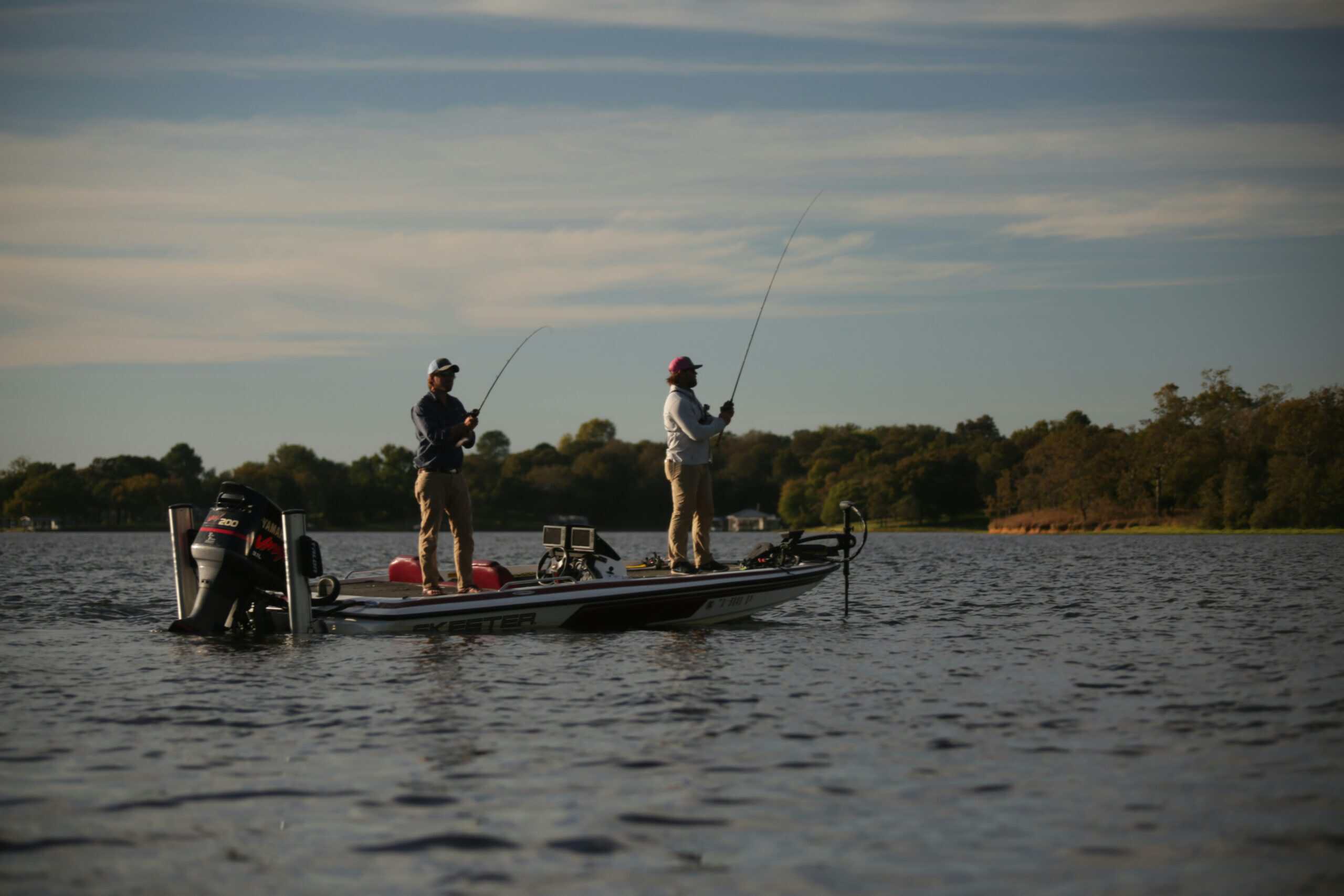
The best jigs for bass are matched to how and where you fish them: a flipping jig for heavy cover, a football jig for deep rock, a finesse jig for pressured fish, and a swim jig for grass. A bass jig is one of the most consistent big-fish baits in the sport because it mimics a crawfish or baitfish and can be fished slowly right where bass live. It sits alongside your other bass lure options as the go-to when you want a bigger bite. Here are the jig styles to carry and when each earns its keep. Our guide to how to catch bass is a natural next read.
Quick Verdict
Start with a flipping jig for cover and a football jig for deep rock, add a finesse jig for tough days and a swim jig for grass. Pair each with the right trailer, match skirt color to water clarity, and fish it slowly along the bottom. A jig rewards patience and a good hookset more than fast action.
Why Trust This Guide
Independent picks, reader-supported through affiliate links at no cost to you. Selections reflect how jigs are actually fished for bass and the head styles that cover different cover and depths, referencing the brands and designs anglers trust. Recommendations are based on real application, not marketing.
Key Takeaways
- Jig head style determines where each one works best.
- Flipping jigs handle heavy cover; football jigs work deep rock.
- A trailer adds bulk, action, and profile to any jig.
- Green pumpkin and black-blue cover most water clarities.
- Jigs reward a slow presentation and a strong hookset.
How We Picked These Jigs
We grouped picks by head design and application, since a jig’s head, weedguard, and weight decide the cover and depth it suits, then weighed hook quality and skirt design. Bass jigs from makers like Strike King, Booyah, and Z-Man span flipping jigs to bladed jigs, each built for a job. The point worth stressing: a jig catches bass by working slowly along the bottom or through cover with a lifelike crawfish profile, so matching the head to your cover matters more than any single color. Picks below cover the main situations.
Gear matters with jigs. Because the hooks are heavy and you are often fishing in cover, most jig fishing calls for a medium-heavy to heavy rod with enough backbone to drive the hook and pull fish out, paired with line matched to the cover. Finesse jigs are the exception, fished on lighter spinning gear. Seasonally, jigs produce all year: flipping shallow cover in spring, dragging deep rock through summer and winter, and swimming grass in the warmer months.
Flipping Jig
Why It Stands Out
A flipping jig is built to punch into heavy cover, with a stout hook, a sturdy weedguard, and a compact head that slips through wood, brush, and matted grass. It is the classic big-bass tool for pitching to laydowns and flipping bushes.
Worth Knowing
The heavy hook demands a powerful rod and a firm hookset to drive it home. Pair it with a craw-style trailer, and use heavier line since you are fishing in and around snags.
This is for the angler pitching and flipping to shallow cover, especially for a quality bite. Someone working a bank full of laydowns and bushes will do well with it. Skip a flipping jig on clean, open bottom, where a football or finesse jig presents better.
Football Jig
Why It Stands Out
A football jig has a wide head that resists tipping and crawls over rock, gravel, and hard bottom without wedging, making it the top choice for dragging deep structure. That head shape lets it stand up and mimic a feeding crawfish.
Worth Knowing
Football jigs excel on offshore rock and points, often in deeper water, so a longer rod and sensitive line help you feel the bottom and the bite. A craw trailer completes the crawfish look.
This suits the angler dragging deep rock, points, and ledges, particularly in summer and winter. Someone probing an offshore hump gets real value. Skip a football jig in heavy wood or grass, where its open head hangs up more than a weedless flipping jig.
Finesse Jig
Why It Stands Out
A finesse jig is a smaller, lighter profile that draws bites when bass are pressured, cold, or picky. Its subtle size and lighter wire hook get bites that a bulky jig cannot, which makes it a confidence bait on tough days.
Worth Knowing
The lighter hook pairs with lighter line and a more forgiving rod, and a compact craw or chunk trailer keeps the small profile. It is often fished on spinning gear for finesse presentations.
This is for the angler facing clear water, cold fronts, or heavily fished lakes where bass ignore aggressive baits. Someone salvaging a slow day benefits most. Skip a finesse jig in heavy cover or when chasing only the biggest fish, where a stouter jig is warranted.
Swim Jig
Why It Stands Out
A swim jig has a streamlined, pointed head designed to be retrieved through the water rather than dragged, swimming through grass and around cover like a fleeing baitfish. It covers water faster than a bottom jig while staying weedless.
Worth Knowing
Pair it with a swimbait or paddle-tail trailer for a swimming action, and keep it moving with a steady or pulsing retrieve. It shines around grass edges and shallow cover.
This suits the angler covering shallow grass and cover with a moving bait, bridging a jig and a spinnerbait. Someone working a grassy shoreline will like it. Skip a swim jig for slow, deep, bottom-dragging situations, where a football or flipping jig fits better.
All-Purpose Skirted Jig
Why It Stands Out
A standard skirted bass jig is the versatile everyday option, capable of being flipped, dragged, or hopped across a range of cover and depths. For an angler who wants one jig to learn on, this rounded-head design does a bit of everything.
Worth Knowing
It is a jack-of-all-trades rather than a specialist, so it gives up a little to purpose-built heads in extreme cover or depth. A medium weight around three-eighths to half an ounce covers most situations.
This is for the beginner or the angler wanting one adaptable jig for varied water. Someone still learning jig fishing gets a forgiving all-rounder. Skip it only when a specialized situation, like deep rock or matted grass, calls for a dedicated football or flipping head.
Bladed Jig (ChatterBait Style)
Why It Stands Out
A bladed jig pairs a jig head with a hard vibrating blade, giving off flash and thump that call bass in stained water and cover water quickly. It fishes like a hybrid of a jig and a spinnerbait and is a dependable fish-catcher through grass.
Worth Knowing
Z-Man’s ChatterBait popularized the style, and a paddle-tail or craw trailer boosts the action. Retrieve it steadily or with pauses, and let it deflect off cover.
This suits the angler covering water in stained conditions or around grass, wanting vibration and flash. Someone searching a stained, grassy flat benefits most. Skip a bladed jig in very clear, calm water where a subtle finesse presentation outperforms flash and noise.
Bass Jigs at a Glance
| Type | Best cover | Best for |
|---|---|---|
| Flipping jig | Heavy wood, grass | Big fish in cover |
| Football jig | Rock, hard bottom | Deep structure |
| Finesse jig | Open, clear water | Pressured, cold fish |
| Swim jig | Grass, shallow cover | Moving presentation |
| Skirted jig | Varied | All-around use |
| Bladed jig | Grass, stained water | Vibration and search |
How to Choose a Jig for Bass
Start with your cover and depth
Match the head to the situation: flipping jigs for heavy cover, football jigs for deep rock, swim jigs for grass. The head design is the first and most important decision.
Match the trailer
A trailer adds profile and action. Use a craw-style trailer for a bottom crawfish look and a paddle-tail for a swimming baitfish look, matching it to how you fish the jig.
Pick skirt color by clarity
Green pumpkin and other natural browns and greens suit clear water and imitate crawfish, while black-and-blue stands out in stained or muddy water. Those two color families cover most days.
Size the weight to depth and cover
Lighter jigs fall slowly for shallow or finicky fish, while heavier jigs get down in deep water or punch through matted cover. Match the weight to how deep and how thick you are fishing.
Jig vs Texas-Rigged Worm for Bass
When a jig wins
A jig offers a bigger profile and often a bigger bite, with a compact, weedless package that excels in cover and imitates a crawfish well. When you want quality over quantity, the jig shines.
When a Texas rig wins
A Texas-rigged soft plastic is often more subtle and can draw more bites on pressured or finicky fish, and it is inexpensive to fish through snaggy cover. If you want numbers or a finesse look, the Texas rig is the more forgiving option.
Common Jig Mistakes to Avoid
Fishing it too fast
A jig is usually a slow bait. Dragging and hopping it patiently along the bottom or through cover produces more than a quick retrieve, except for swim and bladed jigs.
Weak hooksets
Jig hooks are stout, so a firm hookset is needed to drive the point home, especially in cover with heavier line. A soft set leads to lost fish.
Skipping the trailer
A jig without a trailer loses profile and action. Add a craw or paddle-tail trailer to complete the bait and slow its fall.
Using one head everywhere
A football jig in wood or a flipping jig on clean rock underperforms. Match the head style to your cover and depth rather than forcing one jig to do everything.
Recommended Reading
- bass lures overall, where jigs fit in the lineup.
- crankbaits for bass, for faster, depth-specific search.
- catching bass as a beginner, for the bigger picture.
- bass fishing rods, including the heavier rods jigs call for.
Bass Jig FAQ
What is the best jig for bass beginners?
An all-purpose skirted jig around three-eighths to half an ounce is the best starting point, since it can be flipped, dragged, or hopped in varied water. Add a flipping jig for cover and a football jig for deep rock as you progress.
What trailer should I put on a bass jig?
Use a craw-style trailer for a bottom-crawling crawfish look and a paddle-tail for a swimming baitfish look on a swim jig. The trailer adds profile and action, so match it to how you are fishing the jig.
What color jig is best for bass?
Green pumpkin and other natural greens and browns work in clear water, imitating crawfish, while black-and-blue stands out in stained or muddy water. Those two families cover most conditions.
What size jig should I use?
Lighter jigs around a quarter to three-eighths ounce suit shallow or finicky fish, while half-ounce and heavier jigs get down deep or punch through cover. Match the weight to your depth and how thick the cover is.
How do you fish a bass jig?
Most jigs are fished slowly along the bottom, dragging and hopping them through cover and pausing often, since many bites come on the fall. Swim jigs and bladed jigs are the exception, retrieved steadily through the water.
Can you catch bass on a jig year-round?
Yes, the jig is one of the few baits that produces in every season. Flip shallow cover in spring, drag football jigs on deep rock through summer and winter, and swim a jig through grass in the warmer months. Adjusting the head style and retrieve to the season keeps a jig working all year.
Why do jigs catch big bass?
Jigs present a large, lifelike crawfish or baitfish profile right where bass hold, in cover and on the bottom, which appeals to bigger, more selective fish. Their weedless design also lets you fish the heavy cover where big bass live.
