
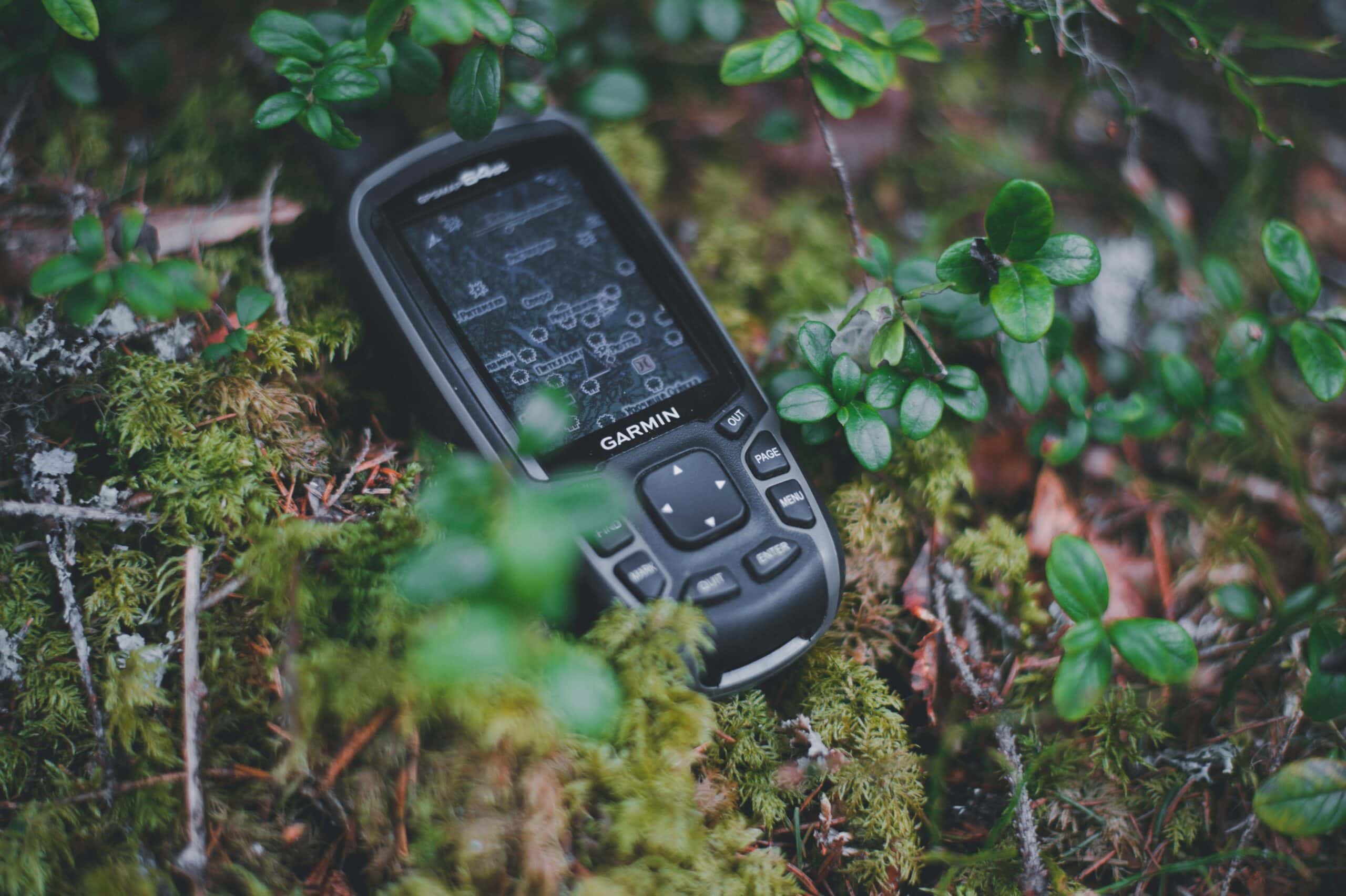
A satellite messenger sends short text messages and an SOS signal from places with no cell service, using satellites rather than towers. That distinction matters more than any feature comparison, because it determines whether the device works at all where you are going.
Two things separate these devices from each other: which satellite network they use, and what the subscription costs. Hardware differences are smaller than the marketing suggests, and the running cost over a few years usually exceeds the purchase price.
Quick Verdict
Iridium-based devices cover the whole planet including polar regions. Globalstar devices cost less and have gaps at extreme latitudes. Every messenger needs an active subscription to do anything, including SOS, and plans range from seasonal to annual with different message allowances.
Key Takeaways
- Satellite network determines where the device works
- Subscriptions are mandatory, including for SOS
- Two-way messaging beats one-way for confirming help is coming
- Battery life varies enormously with tracking intervals
- Clear sky view is required, so canyons and dense forest cause delays
- No device guarantees rescue or replaces trip planning
How We Picked
Network coverage came first, since a device that does not work where you hike is not a device. Iridium provides genuine global coverage and Globalstar has known gaps.
Subscription structure ranked next because it is the ongoing cost people underestimate. Annual plans cost less per month and seasonal plans suit anyone who hikes half the year.
Two-way messaging mattered more than we expected. Knowing your message was received, and receiving a reply, changes an emergency considerably compared with sending into silence.
We excluded phone-based satellite features from the main list, since availability, coverage, and cost vary by carrier and handset in ways a roundup cannot track accurately.
Two-Way Satellite Messengers
Why It Stands Out
Two-way devices send and receive messages, which means you can describe a situation and get an answer. In an emergency the difference between signalling for help and communicating about it is substantial.
They also handle routine check-ins, which reduces the chance that a late return triggers an unnecessary search.
Worth Knowing
Message allowances vary by plan and overage charges apply. Anyone messaging casually can spend more than expected on a cheap plan.
Typing on a small device is slow, and most pair with a phone over Bluetooth to use a proper keyboard, which means carrying both charged.
Best for anyone traveling solo or well outside cell coverage. Skip if you only need a distress signal, where a beacon is simpler and cheaper to own.
Compact Clip-On Messengers
Why It Stands Out
Small enough to clip to a pack strap and forget, which is what determines whether a device is with you when something happens. A messenger in the bottom of a pack is harder to reach after a fall.
Lighter units also make it realistic to carry one on day hikes rather than only on expeditions.
Worth Knowing
Smaller devices have smaller batteries and shorter runtimes, particularly with frequent tracking enabled.
Screens are minimal or absent on the smallest units, so composing messages requires a paired phone.
Best for day hikers and anyone who resists carrying extra weight. Skip for multi-day trips without a way to recharge.
Messengers With Built-In Navigation
Why It Stands Out
Combining messaging with GPS navigation replaces two devices with one. Topographic maps, routing, and waypoint navigation all sit alongside the satellite features.
For anyone already carrying a handheld GPS, the combined unit saves weight and one set of batteries.
Worth Knowing
Navigation features drain battery considerably faster than messaging alone, which changes the runtime maths on longer trips.
Map screens on these units are small compared with a phone, and phone apps handle mapping better for most people.
Best for replacing a separate GPS unit. Skip if you navigate by phone, where the extra cost buys duplication. Handheld options sit in handheld GPS for hiking.
Solar-Assisted Satellite Devices
Why It Stands Out
Built-in solar panels extend runtime on multi-day trips where recharging is impossible. For thru-hikes and expeditions that removes a real constraint.
Solar also keeps a device topped up during rest stops rather than requiring a dedicated charging session.
Worth Knowing
Small panels charge slowly and produce little in forest, cloud, or winter light. Solar extends battery life rather than replacing charging.
These units cost more and weigh more than equivalents without panels.
Best for extended trips in open terrain. Skip for weekend use where a full charge lasts the whole trip.
Portable Power Banks for Satellite Devices
Why It Stands Out
A messenger with a flat battery is nothing at all. A power bank is the cheapest insurance against that, and it also charges a headlamp and a phone.
Capacity in the ten to twenty thousand milliamp-hour range covers several device recharges without much weight.
You can see what changes when nobody is with you before deciding.
Worth Knowing
Cold reduces battery capacity substantially, so winter trips need more margin than the rated figure suggests.
Cable compatibility matters. A power bank with the wrong cable is dead weight, and older devices use connectors that newer cables do not fit.
Best on any trip longer than a full charge covers. Skip nothing, since this is the cheapest reliability improvement available.
Protective Cases and Mounts
Why It Stands Out
Pack straps and harness mounts keep a device in the open where it can see satellites, which is a functional requirement rather than convenience. A messenger inside a pack works poorly or not at all.
Cases also protect against the drops and scrapes that end a device’s usefulness partway through a trip.
Worth Knowing
Some cases block the antenna. Cases sold for a specific device are safer than generic ones.
Clip strength varies and a lost device is worse than a scratched one, so tethering matters more than padding.
Best for anyone carrying a messenger regularly. Skip generic cases where antenna interference is possible.
Satellite Messengers at a Glance
| Type | Best for | Main limitation |
|---|---|---|
| Two-way messenger | Solo trips, remote areas | Subscription and message costs |
| Compact clip-on | Day hikes, light carry | Short battery, no keyboard |
| With navigation | Replacing a GPS unit | Faster battery drain |
| Solar-assisted | Multi-day open terrain | Slow charging, more weight |
| Power bank | Any extended trip | Weight, cold performance |
| Case and mount | Keeping sky view | Some block the antenna |
How to Choose a Satellite Messenger
Check the network against your destination
Iridium covers the whole planet including polar regions. Globalstar costs less and has gaps at extreme latitudes, which matters for far northern or southern travel.
Price the subscription over three years
Running costs usually exceed the hardware price. Annual plans cost less monthly, and seasonal plans suit anyone who hikes half the year.
Decide whether you need replies
One-way beacons signal distress and receive nothing. Two-way messengers let you describe a situation and confirm help is coming, which is worth the extra cost for most people.
Match battery life to trip length
Tracking intervals affect runtime enormously. A device rated for days at ten-minute tracking may last weeks with tracking off.
Coverage Is Not the Same as Reception
Global coverage describes where satellites pass overhead. It says nothing about whether your device can reach one from where you are standing.
These units need line of sight to the sky. A narrow canyon shows a strip of sky rather than a dome, which cuts the window during which a satellite is reachable.
Dense forest canopy does something similar, and wet foliage absorbs more signal than dry. Messages sent under cover often go out eventually rather than immediately.
The practical response is moving to open ground before sending anything important, and leaving the device with a sky view rather than watching it. Most units keep retrying until the message goes.
Satellite Messenger Against Personal Locator Beacon
Messengers
Send and receive text, share location, and trigger SOS, and they need a subscription. The routine messaging is what most people use them for, with SOS as the feature they hope never to need.
Beacons
Send a distress signal on government emergency frequencies with no subscription, and nothing else. Simpler, cheaper to own, and no messaging at all. The comparison sits in personal locator beacons.
What Trips People Up
Assuming SOS works without a subscription
Satellite messengers need an active plan for every function including emergency use. A lapsed subscription means a device that does nothing when it matters.
Expecting instant messages
Messages route through satellites and a monitoring service, so delays of minutes are normal. Dense forest, canyons, and heavy cloud extend that further.
Carrying it inside a pack
These devices need a clear view of the sky. A messenger buried in a pack sends slowly or not at all, which defeats the purpose.
Treating it as a substitute for planning
A device summons help and does not prevent problems. Leaving a route plan with someone, carrying appropriate gear, and turning back when conditions demand it all matter more, covered in what to pack in a daypack.
Recommended Reading
- the simpler alternative
- dedicated navigation units
- navigation without batteries
- the wider kit
- other essentials
- carrying it all
- signaling for help
- navigating without gps
Frequently Asked Questions
Do satellite messengers work without cell service?
Yes, that is the point of them. They communicate through satellites rather than cell towers, which is why they function in backcountry areas with no coverage at all.
Do I need a subscription?
Yes, for every function including SOS. A device without an active plan cannot send anything, and lapsed subscriptions are a common and serious mistake.
What is the difference between a messenger and a beacon?
Messengers send and receive text and need a subscription. Beacons send only a distress signal on emergency frequencies with no subscription and no messaging.
How long do messages take?
Minutes rather than seconds, since messages route through satellites and a monitoring service. Dense forest, deep canyons, and heavy cloud all extend that.
Which satellite network is better?
Iridium covers the entire planet including polar regions. Globalstar costs less with gaps at extreme latitudes, which only matters for far northern or southern travel.
Can I use my phone instead?
Some newer phones offer satellite emergency features, and availability, coverage, and cost vary by carrier and handset. A dedicated device offers more consistent coverage and messaging.
Does a messenger guarantee rescue?
No. It communicates your position and situation to a monitoring service. Response depends on terrain, weather, local resources, and how far help has to travel, and none of that is within the device’s control.
