
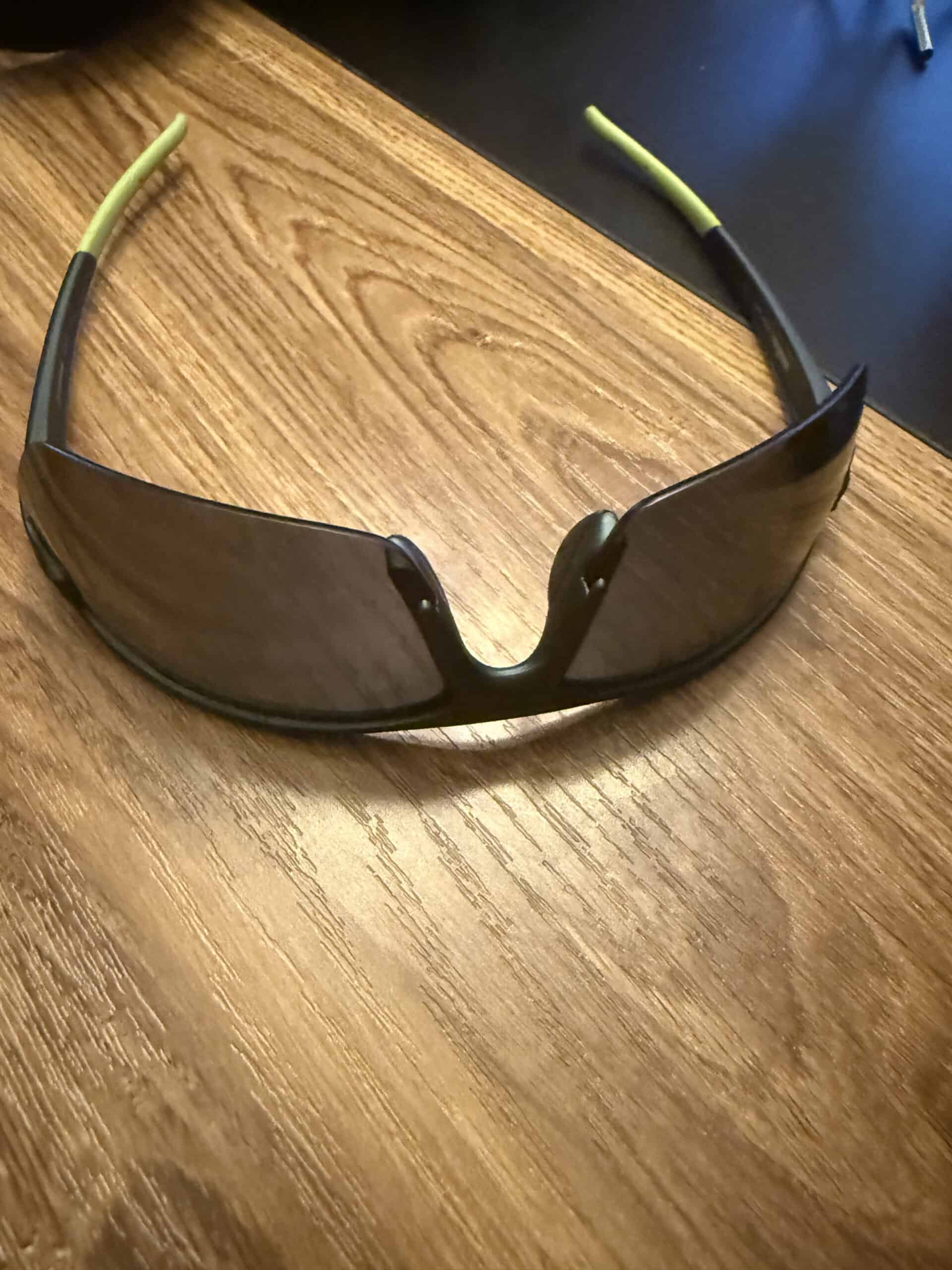
Fogging happens when warm moist air meets a lens cooler than the dew point of that air, and on a hike the source of the warm moist air is you. Sweat evaporating off your face rises straight into the gap behind the lens, and if the lens is even slightly cooler, it condenses.
That explains the timing, which is what confuses people. Sunglasses fog going uphill and clear on the flat, because that is when you are producing the most heat and moisture. Our roundup of hiking flashlights covers the frames that handle it.
Quick Answer
Warm moist air from your face condenses on a cooler lens. Ventilation is the real fix, airflow while moving helps, and anti-fog treatments work temporarily.
Key Points
- Fogging peaks on climbs, not in heat generally.
- Unvented frames trap the air that causes it.
- Stopping makes it worse than moving does.
- Anti-fog coatings wear off, especially if you wipe them.
- A hat brim changes the airflow more than people expect.
Why It Happens When It Does
Three things have to line up: warm moist air, a cooler surface, and no airflow to carry the moisture away. A climb supplies the first, an unvented frame removes the third, and the lens does the rest.
Mine fog on climbs specifically. They are an unbranded pair I have had for a couple of years with no ventilation at all, and the pattern is consistent enough that I can predict it.
Stopping is worse than moving. Walking generates airflow across the lens that carries moisture away, and the moment you stop to catch your breath, that airflow disappears while your face is still hot.
Cold mornings are worse again, because the lens sits colder relative to the warm air coming off your skin, and that wider gap is exactly what drives condensation.
Ventilation Is the Actual Fix
Frame gaps
Vents at the top of the lens or gaps at the sides let air move through as you walk, which is the only fix that works continuously rather than temporarily.
Frame shape
Wrap-around styles seal against the face and trap more air, which is why they can fog worse despite being better in other respects.
Lens standoff
Frames holding the lens further from your face leave more room for air to circulate.
Fit
Sunglasses sitting tight against the brow trap air at exactly the point where it rises off your face. Our roundup of compasses for hiking covers a related airflow factor.
Anti-Fog Treatments
These work by spreading condensation into a thin even film rather than droplets, so it does not scatter light. The moisture is still there; it just stops obscuring vision.
They are genuinely effective and they are temporary. Sprays and wipes last a session or two, and factory coatings last longer.
Wiping is what destroys them. Rubbing a lens with a shirt removes the coating, which is why people find anti-fog glasses stop working after a few weeks of casual cleaning.
Household remedies like soap or saliva work on the same principle and are considerably harder on lens coatings. Our roundup of winter goggles and eye protection covers gear built around this problem.
What You Can Do on Trail
Push them up onto your head during a climb and put them back on once you reach the top. Simple, entirely effective, and how most people genuinely deal with it in practice.
Slide them slightly down your nose to open an air gap. Less effective and it keeps them on your face.
Keep moving rather than stopping in still air. If you must stop, taking them off entirely lets both the lens and your face equalize.
And do not wipe a fogged lens with a shirt. Wet fabric on a warm lens smears rather than clears, and it damages any coating present.
Why Lens Temperature Matters
Condensation needs a surface cooler than the dew point of the air touching it, which means the lens temperature is half the equation and gets almost no attention.
Sunglasses that have been on your head warm up from body heat and fog less when you put them back on. The same pair pulled cold out of a pack fogs immediately, which is why the first few minutes after a break are the worst.
Early morning starts are the reliable version of this. Air temperature is low, the lens has been sitting in it, and your face is working hard on the first climb of the day.
Sun on the lens warms it and reduces fogging, which is part of why the problem eases as the day goes on rather than getting worse with heat as people expect.
The practical use of all that: keeping sunglasses somewhere warm rather than in an outside pack pocket genuinely helps on cold mornings. Our roundup of hiking boots for beginners covers other early-start gear.
Things That Make It Worse
A hat brim can redirect rising air straight into the lens gap, which is why some people find they fog more wearing one.
Buffs and face coverings pulled up over the nose channel breath upward directly at the lenses, and this is the single most reliable way to fog anything.
Sunscreen residue on a lens gives condensation something extra to cling to, which makes fogging appear worse than it actually is and is genuinely hard to clean off properly.
Humidity does the obvious thing, and desert hiking is easier on this front than anywhere coastal or wooded after rain. Our roundup of hats for sun protection covers the sunscreen side.
Prescription and Photochromic Considerations
Prescription lenses sit closer to the face in most frames, which reduces the air gap and makes fogging more likely rather than less.
Contacts avoid that entirely and are why a lot of people who hike hard switch to them.
Photochromic lenses have their own version of the problem: fogging while they are dark leaves you with both reduced light and obscured vision at once.
Anti-fog coatings can be applied to prescription lenses when ordering, and specifying it upfront is far better than treating them afterward.
When to Just Accept It
On a short climb, pushing them up for ten minutes is easier than solving the problem properly.
In genuinely humid conditions, no combination of ventilation and coating will keep a lens clear while you work hard, and expecting otherwise leads to buying things that do not deliver.
The realistic goal is reducing frequency rather than eliminating it. Vented frames plus a coating handles most hiking; nothing handles all of it.
Mine fog and I have lived with it for two years, which is a reasonable outcome for sunglasses that otherwise do the job. Our note on planning a hiking route covers the bigger decisions.
Sunglasses Fogging FAQ
Why do my sunglasses fog going uphill?
Climbing produces the most heat and moisture from your face, and that warm moist air condenses on a cooler lens. Mine do it consistently on climbs and clear on the flat.
Why is stopping worse than walking?
Walking generates airflow that carries moisture away from the lens. Stop, and that airflow disappears while your face is still hot and producing moisture.
What actually prevents it?
Ventilation built into the frame. Vents and side gaps move air across the lens continuously, which nothing applied to the lens can match.
Do anti-fog sprays work?
Yes, temporarily. They spread condensation into an even film rather than droplets. Sprays last a session or two, and wiping the lens removes the treatment.
Why did my anti-fog coating stop working?
Almost certainly wiping. Rubbing a lens with a shirt strips the coating, which is why factory anti-fog stops performing after a few weeks of casual cleaning.
Does wearing a hat make it worse?
It can, since a brim redirects rising warm air toward the lens gap. A buff pulled over the nose is far worse, channeling breath straight upward.
Can I use soap or saliva?
They work on the same principle and are harsher on lens coatings. Fine in a pinch, not something to do routinely on a lens you want to keep.
Is it worth buying anti-fog sunglasses?
Ventilation matters more than coating, so buy for the frame first. In genuinely humid conditions nothing keeps a lens clear while you work hard, and the realistic goal is fewer episodes rather than none.
Recommended Reading
See our note on sunglasses for hiking.
