
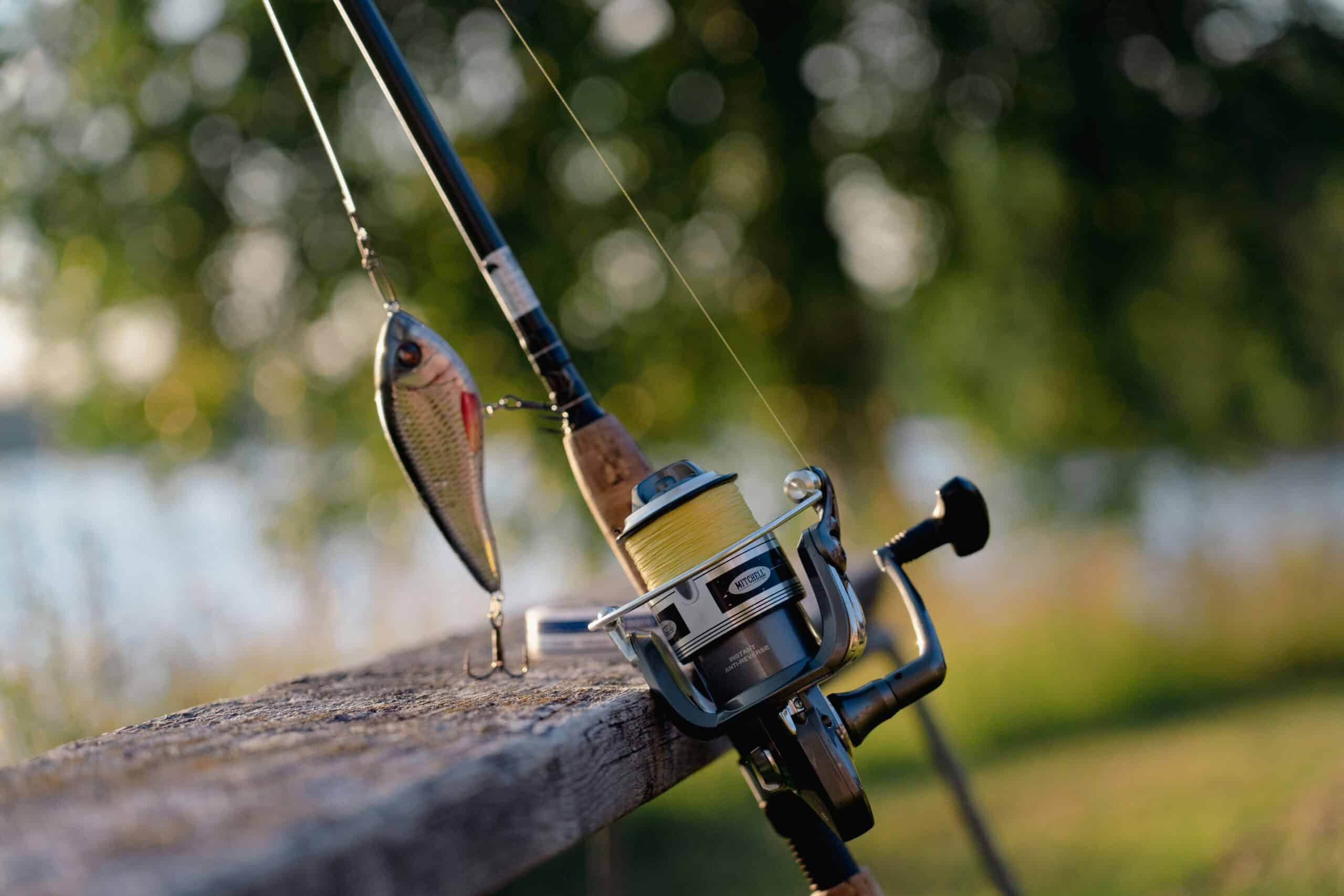
To clean a fishing reel, back off the drag, wipe the body with a damp cloth, remove and clean the spool, apply a drop of reel oil to the moving parts and light grease to the gears, then reassemble it and store it dry. This simple routine takes about ten minutes and keeps a reel smooth for years. Salt, sand, and grit cause far more reel failures than fish ever do.
Regular cleaning protects the drag, the bearings, and the gears, which are the parts that fail when neglected. Reel makers like Shimano and Penn recommend a rinse after every saltwater trip and a deeper clean on a schedule, because salt left on a reel corrodes from the inside out. Whether you fish a budget combo or one of the best saltwater spinning reels, the maintenance is the same.
Quick Verdict
Cleaning a fishing reel means a gentle exterior wipe, removing the spool to clear salt and grit, a drop of reel oil on the bearings and line roller, light grease on the gears, then reassembly and dry storage. Rinse after saltwater every time, deep-clean every few months, and avoid high-pressure water that drives grit inward.
Key Takeaways
- Always loosen the drag fully before cleaning to protect the drag washers.
- Use a damp cloth and mild soap, never a high-pressure hose, which forces grit into the bearings.
- Use reel-specific oil on bearings and the line roller, and light reel grease on the gears.
- Rinse and dry after every saltwater outing; do a deeper clean every few months or after heavy use.
- Dry the reel completely before storage to prevent corrosion and a gritty drag.
How to Clean a Fishing Reel Step by Step
- Gather your supplies. Fresh water, a soft microfiber cloth, cotton swabs, a soft brush, mild dish soap, reel oil, and light reel grease.
- Back off the drag and disassemble. Loosen the drag knob fully, then remove the spool and handle so you can reach the body.
- Wipe down the exterior. Use a damp cloth with a little mild soap to lift salt, dirt, and slime from the body, foot, and handle.
- Clean the spool and line roller. Swab the spool, line roller, and any crevices where salt and grit collect, the spots that seize a reel first.
- Lubricate the moving parts. Put a small drop of reel oil on the bearings and line roller, and a light film of reel grease on the main gear.
- Reassemble and store dry. Refit the spool and handle, reset the drag to a light setting, and let the reel air-dry fully before storage.
Why Cleaning Your Reel Matters
Cleaning protects the three parts most likely to fail: the drag, the bearings, and the gears. Salt and fine sand work into these moving parts and grind them down, which turns a smooth reel rough and eventually locks it up. A few minutes of care prevents an expensive repair or replacement.
Penn and other saltwater reel makers stress rinsing after every salt outing, because salt crystals left to dry pull moisture and corrode metal from inside the housing. Freshwater reels suffer less, but dust, dried slime, and bits of weed still foul the line roller and bail over time.
What Supplies Do I Need to Clean a Reel?
You need very little: fresh water, a soft cloth, cotton swabs, a soft brush, mild soap, reel oil, and light reel grease. The two products that matter most are the oil and grease, which should be reel-specific. Household oils like WD-40 are not designed as reel lubricants and can thin the grease and attract grit.
Reel manufacturers sell matched oil and grease, and using them on the right parts is the whole game. Oil goes where things spin fast, such as bearings and the line roller; grease goes where things mesh under load, such as the main and pinion gears.
How Do I Clean the Exterior Safely?
Wipe the reel down with a damp, lightly soapy cloth rather than blasting it with a hose. High-pressure water drives salt and grit past the seals and into the bearings, which is exactly what you are trying to avoid. A gentle wipe lifts surface salt without forcing it inward.
Work over the body, foot, handle knob, and bail or line roller, then wipe with a clean damp cloth to remove soap. Cotton swabs reach the tight spots around the spool and roller where grime hides.
Where Do Oil and Grease Go?
Use a drop of reel oil on fast-spinning parts and a light film of grease on load-bearing gears. The bearings, the line roller, and the bail mechanism take oil; the main gear and pinion take grease. Less is more, since excess lubricant attracts grit and gums up the action.
Apply oil sparingly with the tip of an applicator or a swab, then work the handle to spread it. For the gears, a thin smear is enough; a glob simply collects sand on your next trip.
How Often Should I Clean My Fishing Reel?
Rinse and dry after every saltwater trip, and do a deeper clean every few months or after heavy use. Saltwater is the harshest environment, so a quick freshwater rinse and wipe after each outing is non-negotiable. Freshwater anglers can stretch the interval but should still deep-clean a few times a season.
If the reel sounds gritty, feels rough, or the drag grabs unevenly, clean it sooner regardless of the calendar. Those symptoms mean grit has already reached the moving parts.
How Do You Clean Different Reel Types?
The core routine is the same across reel types, but the access points differ. Spinning, baitcasting, and fly reels each have their own trouble spots where salt and grit collect, so knowing where to focus saves time and protects the parts that matter.
Cleaning a Spinning Reel
On a spinning reel, the line roller and bail foul first, so swab around them carefully. Back off the drag, lift the spool, and wipe the spool shaft and underside. A drop of oil on the line roller keeps it spinning freely, which prevents line twist when you respool with a line spooler.
Cleaning a Baitcasting Reel
A baitcaster needs attention at the spool bearings and the levelwind that lays line evenly. Remove the spool, wipe it down, and put a tiny drop of oil on the spool bearings, since too much slows the cast. Keep grease off the bearings; it belongs on the gears instead.
Cleaning a Fly Reel
A fly reel is the simplest to service, with a removable spool and an exposed drag area. Rinse and wipe it after saltwater, swab the spool release and drag knob, and apply a light film of grease per the maker’s guidance. Sealed-drag fly reels need less internal attention but still benefit from a rinse.
What Are the Signs a Reel Needs Cleaning?
A reel tells you when it needs service through feel and sound. A grinding or gritty sensation when you turn the handle means dirt has reached the gears, while a drag that grabs unevenly or slips points to fouled drag washers. Catching these early keeps a small clean from turning into a repair.
A reel that suddenly feels stiff, sounds rough, or leaves your line twisting more than usual is asking for attention. After any sandy or saltwater outing, assume the reel needs at least a rinse and wipe. When in doubt, a quick clean is cheap insurance against a seized reel on your next trip.
How Do I Store a Reel for the Off-Season?
For long-term storage, clean the reel, back off the drag fully, and keep it somewhere cool and dry. Loosening the drag relieves pressure on the washers so they do not take a set over months of storage. A light coat of protectant on metal surfaces helps in humid climates.
Store reels where dust will not settle into the mechanism, ideally in a case or bag. Before the season starts, give each reel a quick inspection and fresh lubrication. A reel put away clean and dry comes out of storage ready to fish.
Common Reel-Cleaning Mistakes to Avoid
Spraying the Reel With High-Pressure Water
A pressure hose pushes salt and grit past the seals into the bearings. Use a gentle rinse or a damp cloth instead. The goal is to lift grime off the surface, not drive it deeper.
Cleaning With the Drag Tight
Working on a reel with the drag tightened presses the washers together and can damage them. Always loosen the drag fully first. Reset it to a light setting when you finish.
Using the Wrong Lubricants
Generic sprays thin out grease and attract dirt, leaving the reel worse off. Use reel-specific oil and grease on the right parts. The right products in small amounts last far longer.
Storing the Reel Wet
Sealing a damp reel in a bag or case breeds corrosion and a gritty drag. Let it air-dry completely first. Dry storage is half the battle in keeping a reel smooth; for your rods, a proper setup and storage routine matters too.
Recommended Reading
- Best Spinning Reels for Beginners
- Best Baitcasting Reels for Beginners
- Best Fishing Pliers and Tools
- How to Spool a Fishing Reel
- Spinning vs Baitcasting Reel
- choosing fishing line
How to Clean a Fishing Reel FAQ
How do I clean a fishing reel after saltwater?
Rinse it with a gentle stream of fresh water, wipe it down with a damp cloth, and dry it fully before storage. Avoid high-pressure water, which drives salt inward. Do this after every saltwater trip to prevent corrosion.
What can I use to lubricate a fishing reel?
Use reel-specific oil on bearings and the line roller, and light reel grease on the gears. Avoid generic sprays like WD-40, which thin the grease and attract grit. Manufacturers sell matched oil and grease for their reels.
How often should I deep-clean my reel?
Deep-clean every few months, or sooner after heavy use or any saltwater outing. Between deep cleans, rinse and wipe after each trip. Clean immediately if the reel feels gritty or the drag grabs unevenly.
Can I fully take my reel apart to clean it?
You can do a basic clean without full disassembly by removing the spool and handle. Full teardowns reach internal gears but risk losing small parts or misplacing washers. Beginners should stick to exterior cleaning and light lubrication.
Why is my reel gritty or stiff?
Grit usually means salt or sand has reached the bearings or gears. Clean and re-lubricate the reel, paying attention to the line roller and spool. If stiffness remains, the bearings may need deeper service.
Do freshwater reels need cleaning too?
Yes, though less often than saltwater reels. Dust, dried slime, and weed still foul the line roller and bail over a season. A few deep cleans a year keeps a freshwater reel smooth.
