
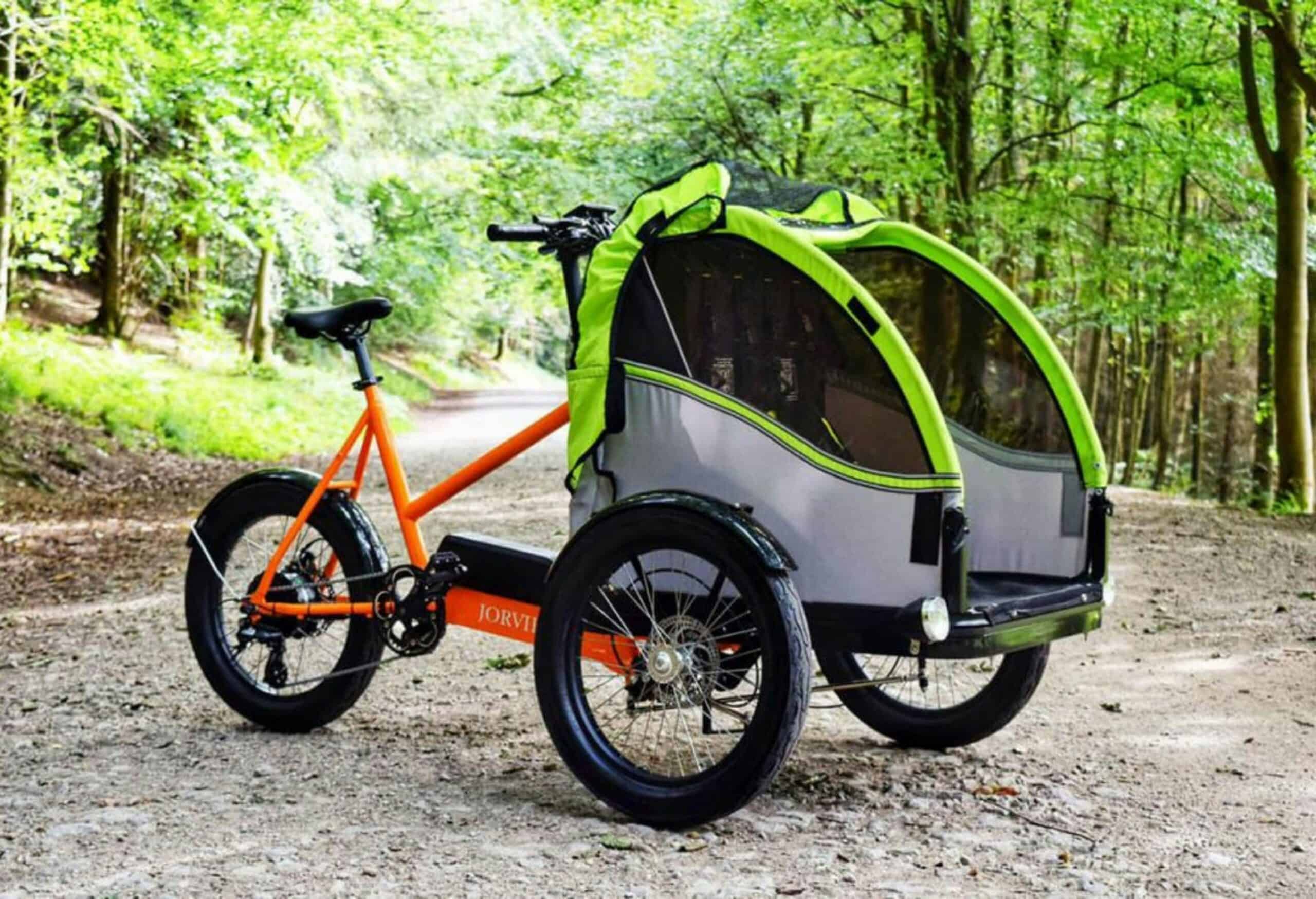
Pick a trailer by what you are actually hauling, because child trailers and cargo trailers solve different problems and rarely substitute well for each other. The best bike trailers for kids and cargo split into two families: wide two-wheel units that carry children or bulky loads at low speed, and narrow single-wheel units that track behind you on tight paths. Weight capacity is the first filter, track width is the second, and hitch type decides whether it fits your bike at all.
For most families, a convertible two-seat child trailer is the best single purchase, since it carries kids now and groceries later. Riders hauling gear rather than children should go single-wheel if trails are involved and two-wheel flatbed if roads are. The comparison below sorts the whole category by those three filters.
| Trailer Type | Typical Capacity | Track Width | Hitch Style | Best Surface |
|---|---|---|---|---|
| Two-seat child trailer | 90 to 100 lb | 30 to 34 in | Rear axle | Paved paths, gravel |
| Convertible child trailer | 75 to 100 lb | 29 to 33 in | Rear axle | Paved paths, sidewalks |
| Two-wheel flatbed cargo | 100 to 300 lb | 26 to 32 in | Rear axle | Roads, hardpack |
| Single-wheel cargo | 60 to 80 lb | Single track | Seatpost or axle | Singletrack, doubletrack |
| Enclosed cargo box | 75 to 150 lb | 28 to 32 in | Rear axle | Roads, paved paths |
| Hitch and adapter kits | Matches trailer | N/A | Varies | All |
Key Points
- Child trailers need a five-point harness and a rigid roll structure, not just a fabric shell.
- Track width decides which paths you can use, so measure gates and bridges on your regular routes.
- Single-wheel trailers follow your line and clear obstacles, which is why they dominate on trails.
- Rear-axle hitches are far more stable than seatpost hitches under heavy loads.
- Thru-axle bikes usually require a specific adapter, and it is often sold separately.
- A loaded trailer roughly doubles your stopping distance, so brakes matter more than usual.
How We Picked These Bike Trailers
We sorted the category by load type first. A trailer that carries a 40 pound child has different requirements than one carrying 200 pounds of firewood, and mixing those use cases produces bad recommendations. So each pick below targets a specific load.
Next we looked at hitch design. The hitch is the single most common failure point, and cheap plate hitches flex under side loads until the trailer wanders. Rear-axle hitches with a steel plate and a pivoting coupler scored highest.
We also weighted wheel size and bearing quality. Small plastic-bearing wheels drag badly and beat themselves apart on gravel, while 16 to 20 inch wheels with sealed bearings roll far better under load. Families who already ride with kids will recognize this from how much easier outings get when the gear stops fighting you.
Finally, we considered storage and transport. A trailer that folds flat fits in a trunk beside a standard hitch rack setup, while a rigid frame often needs a truck bed. That practical detail rules out plenty of otherwise good designs.
1. Two-Seat Child Trailers
Why It Stands Out
Two-seat child trailers are the workhorse of the category. They carry two kids or one kid plus gear, they sit low so the center of gravity stays manageable, and the good ones use an aluminum roll cage rather than a fabric-only shell. Capacity typically lands near 100 pounds.
The wide track also makes them stable. A 32 inch track resists tipping on cambered paths, which matters when your passengers shift weight without warning.
Worth Knowing
That same width is the main limitation. Many trail bollards, gates, and boardwalk railings sit narrower than 32 inches, so measure your regular routes before buying. A trailer you cannot get through a gate is a driveway ornament.
Check the harness carefully. Five-point harnesses hold a child in place during a tip, while three-point belts allow the torso to swing forward.
Best for: Families with two young children who ride paved paths and gravel rail trails. Skip it if your routes run through narrow singletrack or gated urban greenways.
2. Convertible Child Trailers
Why It Stands Out
Convertible models swap between bike trailer, stroller, and jogger with a wheel change and a handlebar. That flexibility is the reason they dominate family purchases, because one unit covers the bike path, the trailhead walk, and the errand run. You buy one thing instead of three.
Conversion kits have also improved. Most now use tool-free pins, so switching takes under a minute at the car.
Worth Knowing
Convertibility adds weight and cost. Expect a heavier empty trailer than a dedicated bike-only model, plus more moving parts to eventually loosen. Tighten the conversion pins periodically.
Stroller mode also demands good tires. Underinflated trailer tires push hard in push mode, so check pressure with the same pump you carry for your bike.
Best for: Parents who want one carrier for cycling, walking, and running with a child. Skip it if you only ever ride and want the lightest, simplest trailer available.
3. Two-Wheel Flatbed Cargo Trailers
Why It Stands Out
Flatbed cargo trailers carry the heaviest loads of anything you can tow with a bicycle. Capacities run from 100 pounds on light models up to 300 pounds on steel-framed utility versions. For hauling lumber, coolers, or bulk groceries, nothing else comes close.
The open deck also accepts awkward shapes. Anything you can strap down will ride, which enclosed trailers cannot match.
Worth Knowing
Loads must be balanced and tied properly. An unsecured heavy load shifting in a corner can pull the rear wheel sideways, and that happens fast. Use two ratchet straps minimum, crossed.
Braking becomes the real constraint. With 200 pounds behind you, stopping distance grows dramatically, so this is a poor match for a bike with worn rim brakes.
Best for: Utility hauling on roads and hardpack, including shuttle runs and bulk supply trips. Skip it if your bike has limited braking power or you ride steep descents with the trailer loaded.
4. Single-Wheel Cargo Trailers
Why It Stands Out
A single-wheel trailer tracks directly behind your rear tire, so it goes anywhere the bike goes. That makes it the only practical trailer for singletrack, rooty doubletrack, and narrow gates. It leans with the bike instead of fighting it.
Capacity sits around 60 to 80 pounds, which is plenty for bikepacking loads, tools, or a week of food. The narrow profile also means no width measurements to worry about.
Worth Knowing
These are unsuitable for children. There is no roll structure, no harness, and no side protection, so they are cargo only. Do not adapt one.
Single-wheel trailers also amplify tire choice. A worn trailer tire wanders on loose surfaces, so treat it like you would your own trail tire selection rather than an afterthought.
Best for: Bikepacking, trail hauling, and anyone whose routes include gates or narrow bridges. Skip it entirely for carrying kids or for loads over roughly 80 pounds.
5. Enclosed Cargo Box Trailers
Why It Stands Out
Enclosed trailers add a rigid or semi-rigid box with a lid, which keeps loads dry and contained. For grocery runs, tool hauling, or anything you would rather not strap down individually, that convenience is significant. Lids also lock on some models.
The box protects fragile items too. Eggs, electronics, and glass survive gravel far better inside a box than under a bungee.
Worth Knowing
Interior dimensions are the real spec, not stated capacity. A 150 pound rating means nothing if your load will not fit through the opening, so check the box dimensions against what you actually haul.
Weather sealing varies a lot. Fabric lids leak at the seams in sustained rain, while hard lids with gaskets stay dry.
Best for: Regular errand hauling where contents need protection from rain, dust, and road spray. Skip it if your loads are large, irregular, or taller than the box opening.
6. Hitches, Adapters, and Conversion Kits
Why It Stands Out
The hitch determines whether a trailer fits your bike, and it is the part most buyers overlook. Thru-axle bikes, boost spacing, and internal-gear hubs all need specific adapters. Buying the right one up front avoids a return.
Spare hitches are also genuinely useful. One per bike lets you move the trailer between bikes in seconds instead of swapping hardware.
Worth Knowing
Adapters are brand specific and rarely cross-compatible. Match the adapter to your trailer maker and your axle standard, then confirm the axle length. Generic parts here cause wobble.
Keep the hitch pin and clip with your on-bike tools. A lost clip ends the ride, so it belongs in the same kit as your trailside repair gear.
Best for: Households with multiple bikes, thru-axle frames, or a trailer that predates the current bike. Skip it only if your trailer and bike already pair with the included hardware.
What to Look For in a Bike Trailer
How much weight can a bike trailer carry?
Child trailers generally top out near 100 pounds including passengers and gear. Two-wheel cargo trailers run 100 to 300 pounds depending on frame material, and single-wheel trailers sit at 60 to 80. Stay well under the rating, because ratings assume smooth surfaces.
Which hitch type is more stable?
Rear-axle hitches win clearly under load, because they attach to the strongest point on the frame and keep the pivot low. Seatpost hitches are easier to install but transmit sway into the saddle. Use seatpost mounts only for light single-wheel loads.
What wheel size should you get?
Look for 16 inch wheels at minimum and 20 inch if you ride gravel. Larger wheels roll over irregularities instead of stopping against them, which cuts drag noticeably. Sealed bearings matter as much as diameter.
Does track width really matter?
It decides where you can ride. Measure the narrowest gate, bollard, or bridge on your usual routes, then subtract two inches for error. If your trailer is wider than that number, you will be lifting it over obstacles constantly.
Child Trailer vs Cargo Trailer
When the child trailer is the right buy
Choose a child trailer whenever passengers are involved, even occasionally. Roll cages, harnesses, and side impact structure are not features you can add later. Convertible models then handle cargo duty adequately between kid trips.
When the cargo trailer is the right buy
Choose a cargo trailer when the loads are heavy, dirty, or oddly shaped. Flatbeds accept far more weight than any child trailer, and single-wheel units go places a wide trailer cannot. Neither should ever carry a child.
Common Bike Trailer Mistakes to Avoid
Loading the back of the trailer
Weight belongs over or slightly ahead of the axle. Loading behind the axle lightens the hitch and lets the trailer fishtail, which gets dangerous above about 12 miles per hour. Shift heavy items forward and low.
Ignoring the brakes
A loaded trailer roughly doubles stopping distance on flat ground and more on descents. Fresh pads and clean rotors are the cheapest safety upgrade you can make. Ride with more following distance than feels necessary.
Skipping the flag and lights
Trailers sit below driver sightlines, especially behind SUVs. A tall flag plus a rear light makes the difference on road sections, and both cost very little. Riders who already run good lighting should add a dedicated trailer light rather than relying on the bike’s.
Treating tire pressure as optional
Trailer tires lose pressure faster than bike tires because nobody checks them. Low pressure creates drag, pinch flats, and rim damage under load. Check before every loaded ride.
Worth reading next: pair a trailer with the right helmet for everyone riding, sort out your on-body water and tool carry, review trail etiquette before towing on shared paths, add a computer to track loaded speeds and distance, and consider a wagon or gear cart for hauling once the bike is parked. Extra small items ride well in frame bags and on-bike storage.
Frequently Asked Questions
Which bike trailers for kids and cargo work for both jobs?
Convertible two-seat child trailers handle both best, since the seats fold or remove to open a cargo bay. Capacity stays near 100 pounds, which covers groceries and camp gear easily. Dedicated cargo trailers should never be adapted to carry children.
At what age can a child ride in a bike trailer?
Most manufacturers set a minimum around 12 months, tied to the child being able to sit up unsupported and wear a helmet. Check the specific model’s stated minimum rather than a general rule. Infant slings sold for some trailers have their own separate limits.
Do bike trailers fit every bike?
No. Thru-axle frames, boost rear spacing, and some internal-gear hubs need a specific adapter, and a few carbon frames exclude trailer use entirely. Confirm your axle standard and check the frame maker’s guidance before buying.
How fast can you safely ride with a loaded trailer?
Keep speeds moderate, especially with wide two-wheel trailers on cambered surfaces. Fishtailing risk climbs as speed increases and as load moves rearward. Descend with the brakes feathered rather than coasting fast.
Can you take a bike trailer on singletrack?
Only a single-wheel trailer, and only on trails without tight switchbacks or large obstacles. Two-wheel trailers hang up on ruts and cannot follow your line. Even single-wheel units add significant drag on climbs.
How do you store a bike trailer in a small space?
Look for models that fold flat by pulling two pins and removing the wheels. Folded child trailers hang on a garage wall hook or slide behind a car in a trunk. Rigid flatbed cargo trailers generally do not fold and need floor space.
Are used bike trailers worth buying?
Often yes for cargo trailers, since frames and wheels are simple and repairable. Be more careful with used child trailers, because harness webbing, buckles, and fabric degrade with sun exposure. Inspect all stitching and replace any hitch with visible cracks.
