
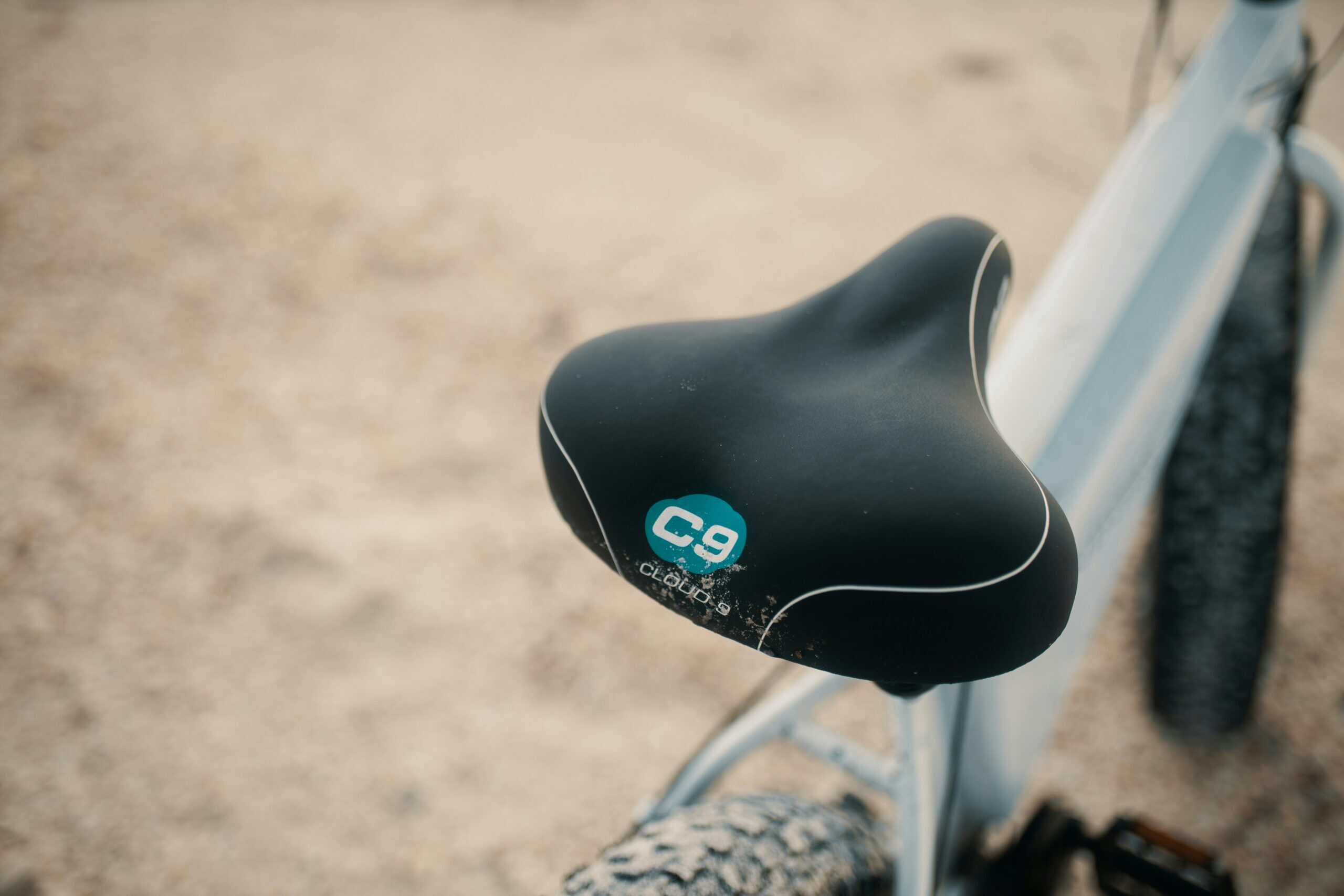
The saddle is the contact point riders most often ignore until it ruins a ride, and the fix is almost never just more cushioning. Comfort comes from matching the saddle’s width to your sit bones and its shape to how you ride, so weight lands on bone rather than soft tissue. The best mountain bike saddles get that fit right while standing up to crashes, mud, and seated grinding. These picks are research-based, spanning value to premium and different riding styles, with a fit guide to help you choose.
Disclosure: OutdoorHiking is reader-supported. If you buy through a link on this page, we may earn an Amazon commission at no extra cost to you. Our picks are based on independent research, not paid placement.
Quick Verdict
For most riders, the WTB Volt is the best all-around saddle, comfortable and well-priced in several widths. The Ergon SM is the ergonomic pick for pressure relief, and the DMR Stage 2 is the budget choice that still rides well.
Why Trust This Guide
These picks are research-based, drawing on independent testing of comfort, shape, fit options, and durability across riding styles, with sources cited. We have not field-tested every saddle ourselves and base the rankings on reviewer consensus and manufacturer specifications. Because saddle comfort is personal, we focus on fit guidance as much as the picks.
Key Takeaways
- Fit to your sit-bone width, not your body size; many saddles come in multiple widths.
- A relief channel or cutout reduces soft-tissue pressure and numbness.
- Flat saddles let you move around; curved saddles feel locked in.
- Rail material sets price and weight: steel is cheapest, titanium lighter.
- Trail saddles need tough covers and reinforced edges to survive crashes.
How We Picked the Best Mountain Bike Saddles
We weighed comfort and shape, fit options like multiple widths, pressure relief, durability, and value, drawing on independent testing. Since the right saddle depends on your anatomy, we chose standouts across shapes and budgets rather than crowning one universal winner. A saddle works alongside the rest of your contact points, so pair it with the right mountain bike shoes too.
1. WTB Volt: Best Overall
The WTB Volt is the saddle most reviewers hand to a rider when they do not know the bike or terrain. It strikes a Goldilocks balance of padding and support, with a slight central groove for pressure relief and several widths to match your sit bones.
Why It Stands Out
It is comfortable on long climbs and aggressive terrain alike, offered in multiple widths and rail materials, and priced fairly, which makes it the safe all-around choice. For most riders, it leads. Reviewers note it seems to get more comfortable over time.
Worth Knowing
The rear lacks reinforced corners, so it is worth keeping off the rocks in a crash. Like any saddle, the foam can compress over heavy long-term use.
Get the WTB Volt for dependable all-around comfort at a fair price. Skip it if you want a stub-nose race shape or the lightest possible saddle.
2. Ergon SM Pro: Best Ergonomic
The Ergon SM series is built around ergonomic fit, using sit-bone-width sizing and a pressure-relief design that supports the pelvis rather than relying on plush foam. The SM Pro is the most popular model, with the SM Enduro suited to gravity riding.
Why It Stands Out
The width-based sizing and pressure-relief groove target comfort where it matters, which suits riders prone to numbness on long rides. For ergonomic pressure relief, it is the pick. The support comes from shape, not just padding.
Worth Knowing
The firmer, shape-driven feel takes some getting used to if you expect a soft saddle. Choosing the right width is essential to get the benefit.
Choose the Ergon SM Pro for ergonomic, pressure-relieving support. Skip it if you prefer a soft, heavily padded feel.
3. SDG Bel-Air V3: Best for Technical Riding
The SDG Bel-Air V3 is a long-running favorite for technical and aggressive riding, with a flatter profile than past versions and a subtle raised tail. Its shape gives freedom to move and a place to push on steep climbs.
Why It Stands Out
The flat-but-shaped profile lets you shift weight freely on technical terrain while the raised tail helps on climbs, and it does not grab your shorts. For aggressive trail and enduro riding, it is the pick. It pairs power transfer with control.
Worth Knowing
The shape favors movement over plushness, so very long seated rides may want more padding. Pick the rail material that matches your weight and budget.
Get the Bel-Air V3 for technical riding with freedom to move. Skip it if you want maximum padding for long seated miles.
4. Specialized Power with MIMIC: Best Pressure Relief
The Specialized Power is a short-nose saddle with a wide cutout and MIMIC technology aimed at reducing soft-tissue pressure. It comes in several widths, making a good fit easy to find.
Why It Stands Out
The large cutout and multi-layer MIMIC padding target pressure relief and reduced numbness, and the short nose adds clearance for moving on the bike. For pressure relief, it is the standout. The wide size range helps dial in fit.
Worth Knowing
Reviewers find it best for short to medium rides, with very long sessions less comfortable for some. Originally a road design, it suits trail use when durable enough.
Choose the Power with MIMIC for strong pressure relief and easy sizing. Skip it if you ride very long seated days or want a longer nose.
5. WTB Koda: Best for Women
The WTB Koda was designed as a female-focused saddle with input from a marathon racer, though it turned out popular with men too. Its standout is a nose wide enough for comfortable seated climbing yet short enough not to snag shorts.
Why It Stands Out
The thoughtful nose design suits seated climbing and freedom of movement, and the gel-enhanced padding stays comfortable even without padded bibs. For women and many men, it is a strong pick. It comes in more than one width.
Worth Knowing
As a unisex-leaning design, fit still comes down to your sit-bone width, so measure before choosing. The padding favors comfort over the lightest weight.
Get the Koda for a comfortable, climbing-friendly saddle with a female-focused design. Skip it if you want a minimalist race saddle.
6. DMR Stage 2: Best Budget
The DMR Stage 2 is the value pick that still rides well, an affordable saddle with a generous pressure-relief channel and reinforced side panels for durability. It suits new riders who want comfort without a big spend.
Why It Stands Out
It offers a real relief channel and durable construction at a low price, holding up well in endurance testing, which makes it the budget standout. For value, it is the pick. The medium width suits most new riders.
Worth Knowing
It comes in a single medium width, so riders with narrow or wide sit bones may want a sized option. The finish is practical rather than premium.
Choose the DMR Stage 2 for comfortable, durable value. Skip it if you need a specific width or premium materials.
Mountain Bike Saddles at a Glance
| Saddle | Shape | Standout | Best for |
|---|---|---|---|
| WTB Volt | Slight curve | Balanced comfort | Best overall |
| Ergon SM Pro | Ergonomic | Width sizing | Pressure relief |
| SDG Bel-Air V3 | Flat, shaped | Freedom to move | Technical riding |
| Specialized Power | Short nose, cutout | MIMIC relief | Soft-tissue pressure |
| WTB Koda | Wide nose | Climbing comfort | Women and climbers |
| DMR Stage 2 | Medium | Value, durable | Budget |
How to Choose a Mountain Bike Saddle
Measure Your Sit-Bone Width
Comfort depends on your sit-bone width, not your body size, so a too-narrow saddle pinches and a too-wide one chafes. Many brands offer width options and simple measuring methods. Choosing a saddle a bit wider than your sit bones is the usual rule.
Match Shape to Riding Style
Flat saddles let you move around freely, which suits aggressive technical riding, while curved saddles give a locked-in feel for steady seated efforts. A raised tail helps when pushing on climbs. Pick the profile that matches how much you shift your weight.
Pressure Relief
A relief channel or cutout reduces pressure on soft tissue and helps avoid numbness on longer rides, which matters more the more you ride. If you get numbness, prioritize a cutout design. Persistent discomfort is worth a professional bike fit.
Rails and Durability
Steel and chromoly rails are the most affordable and durable, while titanium saves weight and adds a little flex, and carbon is lightest and priciest. For trail use, look for tough covers and reinforced edges that survive crashes. Match the rail to your budget and weight goals.
Build Out Your Mountain Bike Kit
- Best Mountain Bike Shoes
- Best Mountain Bike Helmets
- Best Mountain Bike Gloves
- Best Mountain Bike Lights
- Best Bike Hydration Packs
- Best Compression Socks
- Best Hiking Knee Braces
- Best Hiking Gloves
- Best Rain Jackets
Frequently Asked Questions
What is the best mountain bike saddle?
For most riders, the WTB Volt is the best all-around choice, comfortable and offered in several widths at a fair price, while the Ergon SM Pro leads on ergonomic pressure relief. The DMR Stage 2 is a strong budget pick. The best saddle is the one that matches your sit-bone width and riding style.
How do I know what saddle width I need?
Measure your sit-bone width, since that, not your body size, determines the right saddle, and choose one a bit wider than your sit bones. Many brands and bike shops offer measuring tools. A too-narrow saddle causes pressure, while a too-wide one causes chafing.
Does a more padded saddle mean more comfort?
Not necessarily, because too much soft padding can create pressure on soft tissue, while a well-shaped saddle supports your sit bones better. Fit and shape matter more than padding depth. Many comfortable saddles use medium padding plus a good shape.
What is a saddle cutout or relief channel for?
A cutout or central channel relieves pressure on soft tissue and helps prevent numbness, which is valuable on longer rides. If you experience numbness, a saddle with a relief channel is worth trying. Persistent issues call for a professional fit.
Are flat or curved saddles better for mountain biking?
Flat saddles let you move around and shift weight freely, which suits technical and aggressive riding, while curved saddles give a more locked-in feel for steady seated efforts. Choose based on how much you move on the bike. Many trail riders prefer a flatter profile.
What rail material should I choose?
Steel and chromoly rails are affordable and durable, titanium saves weight and adds a little comfort-giving flex, and carbon is lightest but priciest. For most riders, chromoly offers the best balance. Lighter rails mainly matter to weight-focused riders.
Can I use a road saddle for mountain biking?
Some riders use road-derived saddles like the Specialized Power for trail riding because of their pressure relief, as long as the model is durable enough for off-road abuse. Make sure it has tough materials and does not snag during movement. A trail-specific saddle is the safer default.
Why is my mountain bike saddle uncomfortable?
Common causes are the wrong width, poor saddle position, or a shape that does not match your anatomy, rather than too little padding. Check the width, level, and fore-aft position first, and consider a professional fit. Persistent pain or numbness is worth addressing rather than pushing through.
Your pedal setup matters just as much, so weigh clipless versus flat pedals for your riding.
