
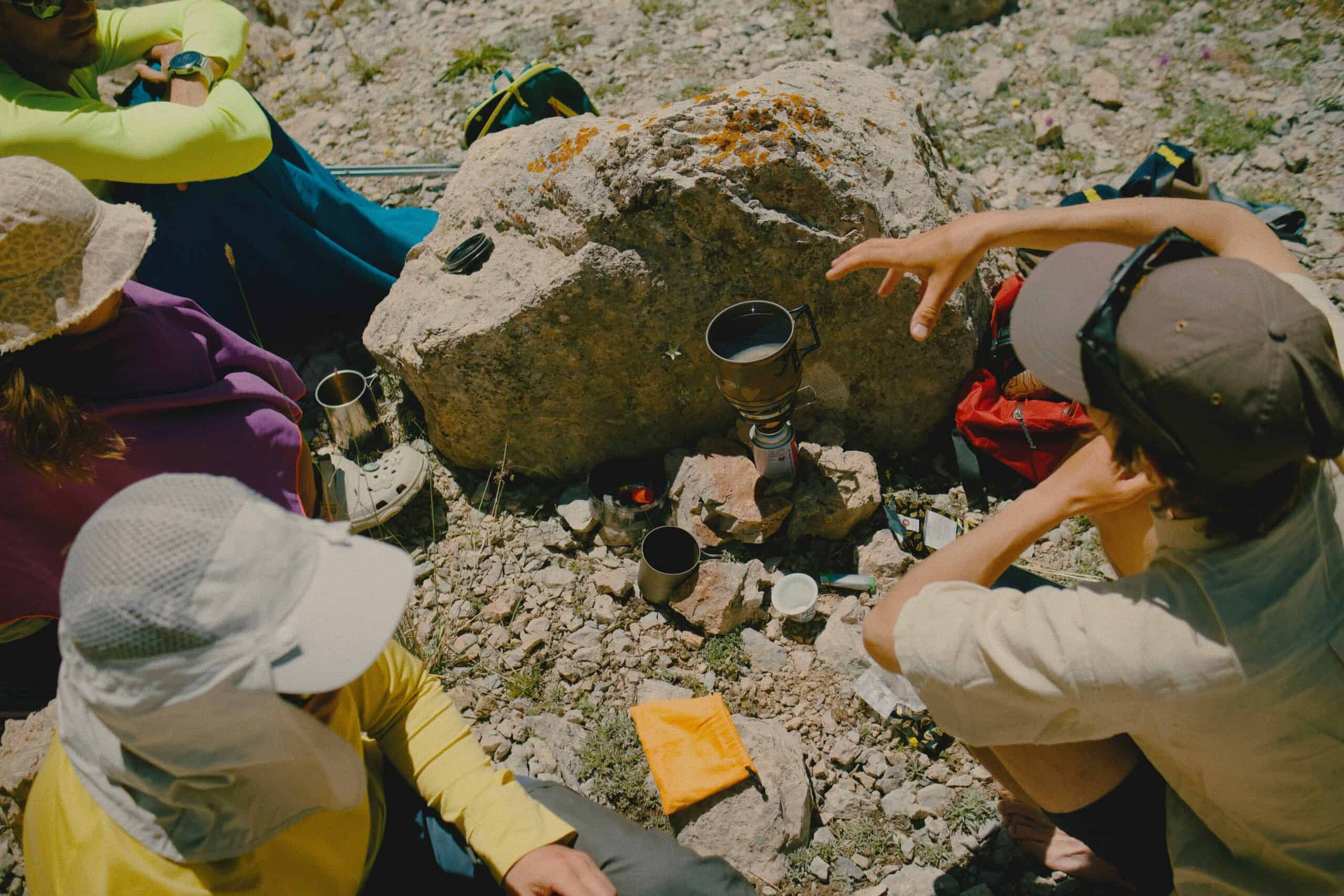
A stove is optional on short warm trips and close to essential once the weather turns cold, because hot food and hot drinks stop being a comfort and become a warmth and safety issue. Asking do you need a stove for backpacking really means asking how cold it will get and how long the trip runs. Those two answers settle most of it.
Stoveless hiking has a real following, and the weight saving is genuine. A stove, pot, and fuel form one of the larger blocks left in an otherwise trimmed kit, which is why the choice comes up in every discussion about cutting base weight. Still, weight saved only counts as a win if the rest of the trip keeps working.
Quick Answer
Leave the stove home for short trips in warm weather, where cold soaked meals and snack food cover the calories easily. Carry it for shoulder season, freezing nights, group travel, and any trip long enough that appetite starts to fade. Cold weather turns hot food from a luxury into part of the safety plan.
Key Takeaways
- Stove, pot, fuel, and lighter usually land in the same weight class as a warmer sleeping quilt.
- Cold soaking works, but only with foods that rehydrate without heat.
- Cold weather flips the decision. Hot drinks help rewarm a chilled hiker, and a stove can melt snow for water.
- A stove doubles as a water treatment backup, since boiling handles anything a clogged filter cannot.
- On group trips one shared stove serves several hikers, so the per person weight drops sharply.
- Food nobody wants to eat is weight carried for nothing.
Stove or stoveless by trip type
Trip type predicts this decision far better than any single gear weight does. The table below sorts the common cases.
| Trip type | Stove or stoveless? | Why |
|---|---|---|
| Single overnight, mild weather | Stoveless works | Only one dinner and one breakfast are involved. Cold food fatigue never gets a chance to build. |
| Long summer thru-hike | Stoveless is common | Resupply aisles are full of foods that soak well. Warm nights lower the need for hot calories. |
| Shoulder season trip | Stove strongly favored | Temperatures drop hard after sunset. A hot drink helps restore warmth before bed. |
| Anything below freezing | Stove essential | Cold food becomes genuinely hard to swallow. Water sources may be frozen solid. |
| Fastpacking or high mileage push | Stoveless often wins | Time in camp is short and weight matters most. Meals soak while the hiking continues. |
| Water source needs treating anyway | Stove earns a second job | Boiling treats water when a filter clogs or freezes. That redundancy has real value. |
| Group trip | One shared stove | Weight splits across several packs. Everyone still eats hot. |
| Morale matters more than weight | Carry the stove | A hot meal closes a hard day properly. Comfort outranks grams on this kind of trip. |
Trip type sorts the stove question faster than a gear spreadsheet does.
What a stove and fuel really cost in pack weight
The stove itself is rarely the heavy part. A small canister burner weighs very little, and an alcohol setup weighs less again. The weight arrives with everything the stove requires.
A cook pot, a lid, a long handled spoon, a windscreen, an igniter, and the fuel all ride along. Fuel is the part that scales with trip length, so a week out costs more than a weekend does. Careful pot and burner choices trim some of that weight.
Going stoveless removes the whole cluster at once, which is why the saving feels dramatic. A single wide mouth jar or a freezer bag replaces the entire cook system. That is the honest appeal, and it is not a small one.
The trade shows up on the food side instead. Stoveless meals often lean on denser, oilier ingredients to keep calories up. Total pack weight sometimes lands closer than expected once the food bag gets weighed.
Cold soaking: what it is and which foods work
Cold soaking means rehydrating food in cool water over time instead of cooking it. A sealed container holds the food and water while the hiker keeps walking. By camp, the meal is soft enough to eat.
Some foods handle this beautifully. Instant potato flakes, couscous, ramen, instant refried beans, and quick oats all soften without heat. Powdered milk, instant hummus, and tuna packets round out a workable rotation.
Other foods simply refuse. Regular pasta, rice, lentils, and most dried beans stay unpleasantly firm no matter how long they sit. Freeze dried meals vary widely, and many turn into a gritty disappointment.
Soak times run from a few minutes for potato flakes to an hour or more for couscous and beans. Colder water slows everything down, which matters more than most hikers expect. Building a menu around these limits takes planning, and a structured approach to trail menus makes the difference between a good system and a grim one.
The calorie problem nobody plans for
Food that gets carried and not eaten is the worst weight in any pack. Stoveless menus fail here more often than they fail on nutrition. Appetite, not arithmetic, is usually the breaking point.
Cold mush loses its appeal fast on longer trips. Day three tastes different from day one, and day seven can be genuinely hard. Hikers who ration poorly then arrive at camp underfed and cold.
A strong snack rotation buys a lot of tolerance here. Variety in texture and flavor keeps intake up when hot meals are off the table. Calorie dense snack food often carries a stoveless menu further than the soaked meals do.
Why you need a stove for backpacking in cold weather
Cold weather is where this stops being a preference and becomes a real decision. Appetite drops in the cold, and cold food makes that worse. A hot meal gets eaten when a cold one gets picked at.
Hot drinks do something a snack cannot. Warm liquid helps a chilled hiker recover core warmth from the inside, which speeds up the process on a rough evening. That function alone justifies the stove for many shoulder season trips.
Below freezing, the stove takes over water supply as well. Streams ice over, and melting snow becomes the only reliable source. No stoveless system replaces that capability.
Sheltered cooking also matters more in cold and wind, which ties the stove question to site selection. Understanding how to pick a sheltered campsite affects how well any stove performs. Wind steals heat from a burner faster than most hikers realize.
Group trips, water treatment, and the honest case for carrying one
Group travel changes the math completely. One stove and one pot can feed several hikers, so the per person weight falls well below what a solo hiker carries. Splitting fuel across packs softens it further.
Water treatment overlaps too. Boiling handles biological contamination reliably, which makes a stove a genuine backup when a pump clogs or a hollow fiber element freezes. That said, boiling is slow and fuel hungry compared with the convenience of a dedicated hiking filter, so treat it as insurance rather than a primary plan.
Then there is morale, which resists every spreadsheet. A hot dinner after a long wet day restores something that calories alone do not. Plenty of experienced hikers carry a stove knowing full well the weight math argues against it.
That is a legitimate choice, not a failure of discipline. Enjoyment keeps people out on trail, and trips that feel miserable get cut short. Anyone weighing the trade should start with the lightest backpacking stove options before writing the idea off.
What a trip type table cannot decide for you
A table sorts typical cases, but three personal factors move the line. Appetite in the cold varies more between hikers than any chart can show. Some people eat well at low temperatures and some stop eating almost entirely.
Tolerance for cold food is just as individual. A few hikers happily eat soaked couscous for a week without complaint. Others find it unbearable by the second evening.
Trip length shifts everything as well. A stoveless overnight asks nothing of anyone, while a two week stretch tests both patience and appetite. The sensible approach is to try stoveless on a short warm trip first.
That experiment answers the question honestly. It also costs nothing, since a jar and a spoon are all the gear required. The result applies to that hiker rather than to hikers in general.
Recommended Reading
Hikers who decide to cook usually want a pot that actually suits the stove, and the overview of camp cooking gear is a sensible starting point. Anyone building a full kitchen from scratch can compare complete cookware bundles instead of buying piece by piece. For the stoveless route, the food choices matter far more than the hardware, so start with the guide to trail snacks and calorie dense food.
Do you need a stove for backpacking: FAQ
Do you need a stove for backpacking on a single overnight trip?
No, a single overnight in mild weather is the easiest trip to do stoveless, since only one dinner and one breakfast are involved. A soaked meal, a good snack supply, and a cold coffee substitute cover everything needed. Overnights also make the ideal place to try the stoveless approach before committing to it on a longer route.
How much weight does going stoveless actually save?
The saving comes from removing the whole cook system rather than just the burner, since stove, pot, lid, windscreen, fuel, and spoon all disappear. A jar and a long spoon replace the lot. Fuel grows with trip length, so longer trips save more, though part of that gain returns as denser, oilier stoveless food.
Is cold soaking safe?
Cold soaking is safe when the food and the water are both safe to begin with. Use treated water, keep the container clean, and stick to foods meant to be eaten without cooking. Soaking kills nothing, so it cannot rescue questionable water, and warm weather speeds spoilage enough to argue for shorter soaks.
What foods cold soak well and what foods do not?
Instant potato flakes, couscous, ramen, quick oats, and instant refried beans all soften reliably in cool water. Powdered milk, instant hummus, and pouch tuna mix in easily, while regular pasta, rice, lentils, and dried beans stay stubbornly firm. Freeze dried meals give mixed and often disappointing results.
Can a stove replace a water filter?
Boiling treats biological contamination effectively, so a stove works as a genuine backup. It makes a poor primary system though, because it burns fuel, takes time, and leaves the water hot. Filters are faster and lighter for routine use, so the sensible arrangement pairs a filter for daily water with the stove as insurance.
At what temperature does a stove become necessary?
There is no exact threshold, but the decision usually flips somewhere in shoulder season conditions. Once nights get properly cold, appetite drops and hot food becomes much easier to finish. Below freezing a stove moves into essential territory, since water sources ice over, and wind and damp shift that line earlier still.
Is a stove worth carrying just for hot drinks?
For some trips, yes. A hot drink helps a chilled hiker recover warmth in a way no snack matches, and it improves a cold wet evening considerably. On a warm summer route that benefit is mostly comfort, but in shoulder season or wet conditions hot drinks alone can justify the weight.
