
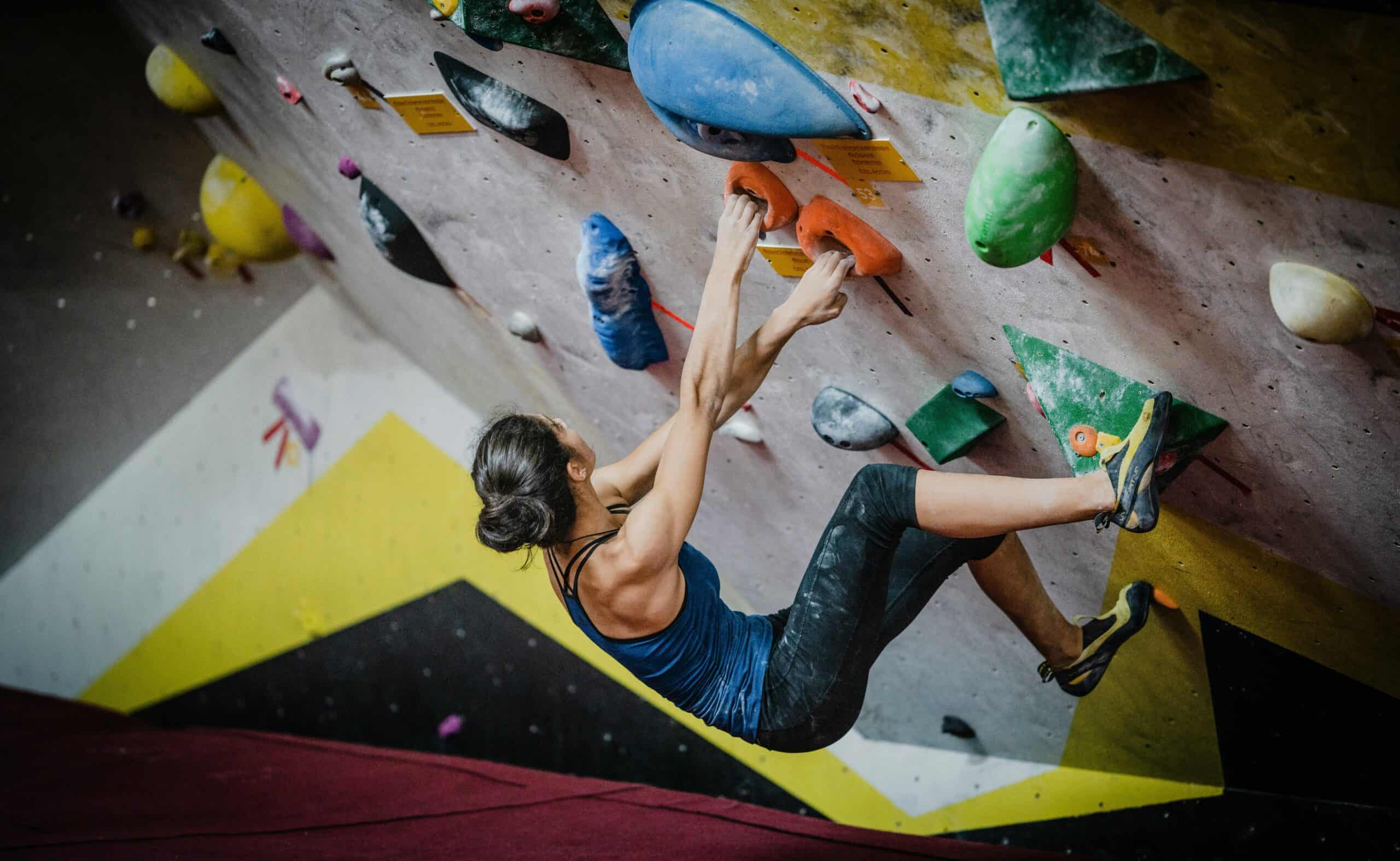
A climbing gym has done a large amount of work on your behalf that is invisible until you climb outside. The route is marked, the holds are obvious, the anchors are inspected, the landing is padded, and somebody has already decided the route is safe.
Outdoors none of that exists. The rock does not indicate where the route goes, nobody has checked the anchor this morning, and the ground below is whatever the ground is. That difference in decision-making is far larger than the difference in climbing movement. Our note on climbing shoes for beginners covers the equipment side.
A Safety Note
Moving from gym to outdoor climbing requires instruction rather than experience alone. Anchors, rock assessment, route finding, rappelling, and hazard recognition are separate skills that gym climbing does not teach. Take a course or go with a qualified instructor for your first outdoor sessions.
Quick Verdict
Indoor climbing suits learning movement, training consistently, and climbing year-round. Outdoor climbing is what the sport is for, and it demands skills the gym does not develop.
What the Gym Handles For You
Route finding is the clearest example of all. Colored holds tell you exactly where to go and which features count, and outdoors the rock offers no marking whatsoever. Working out where a route actually goes is a skill in its own right, and one that takes real time to develop.
Anchors and protection are inspected and maintained by gym staff on a fixed schedule. Outdoors, bolts age, hangers work loose, and assessing whatever fixed gear you find is simply part of the climbing.
Falls are managed entirely by design, with padded flooring and deliberately clean fall zones. Outdoors the consequence of any fall depends on whatever terrain happens to be below you at that moment.
Weather simply does not exist indoors at all, which removes rain, cold, heat, wind, and the daylight limit in a single stroke. Our roundup of hiking gloves covers dressing for the outdoor version. Our roundup of climbing helmets covers one of the outdoor requirements.
At a Glance
| Indoor | Outdoor | |
|---|---|---|
| Route finding | Marked holds | Read the rock |
| Protection | Inspected and maintained | Assess it yourself |
| Falls | Padded, managed | Depends on terrain |
| Weather | Irrelevant | Decides the day |
| Grades | Generally softer | Generally stiffer |
| Helmet | Rarely required | Standard |
The Movement Is Genuinely Different
Gym holds are shaped to be gripped and positioned to be reachable. Rock is not shaped for anything, and the useful features are frequently not obvious until you are on them.
Footwork matters more outdoors because holds are smaller, less positive, and often smeared rather than stood on. Gym climbers frequently find their feet are the weak point on first contact with rock.
Rock type changes almost everything too. Granite, limestone, and sandstone all demand different techniques, and a climber comfortable on one can feel lost on another.
Endurance differs as well. Outdoor routes are frequently longer than any gym wall, and multi-pitch climbing introduces a completely different pacing where you may be on the rock for hours rather than minutes. Our note on climbing harnesses for beginners covers the rope systems.
Grades Do Not Transfer
Indoor grades are generally softer than outdoor ones, and a climber comfortable at a given grade in a gym should expect to climb below that outdoors initially.
That is not a failure, and treating it as one causes people to push into terrain they should not be on. Dropping several grades on first contact with rock is normal.
Gyms also set routes to be climbable, since an unclimbable route wastes wall space. Rock has no such obligation and includes sections that simply do not suit certain body types.
Our note on belay devices covers the systems.
What the Gym Cannot Teach
Anchor assessment
Judging whether fixed gear is sound, and building anchors where none exists, is a skill with no gym equivalent.
Rock quality
Recognizing loose blocks, hollow flakes, and friable rock is learned outdoors with guidance and cannot be practiced indoors.
Rappelling
Descending under your own control is a common cause of climbing accidents and is a specific skill requiring instruction.
Objective hazards
Rockfall, weather changes, approach and descent routes, and wildlife are all part of outdoor climbing and absent from a gym. Our roundup of approach shoes covers getting there and back.
What Indoor Climbing Is Genuinely Better For
Training consistently is the strongest case. A gym is available in any weather, at predictable times, with no approach walk, which means volume that outdoor climbing cannot match.
Learning movement is more efficient indoors, since you can attempt the same sequence repeatedly with a safe fall and immediate feedback.
It is also where you find partners. Climbing is a partnered activity for most disciplines, and gyms are where those partnerships form.
And it is a lower barrier by a wide margin. Rental gear, no travel, no weather dependency, and a course that gets you climbing in an afternoon. Our roundup of chalk and chalk bags covers the small purchases.
Access and Etiquette Outdoors
A gym is a business you pay to enter. An outdoor crag is land somebody owns, often with access arranged between climbers and landowners over decades.
Seasonal closures for nesting birds are common and legally enforced in many areas. Ignoring one can close a crag for everybody, permanently.
Parking, approach paths, noise, and waste all matter more than they feel like they should, because access agreements depend on climbers being tolerable neighbors.
Chalk marks, damaged vegetation, and altered rock are the physical version of the same issue. The gym cleans up after you; outdoors nobody does. Organizations like the Access Fund exist specifically to maintain these relationships, and checking local guidance before visiting is part of climbing outside. Our roundup of daypacks covers carrying it in and out.
Making the Transition
Instruction comes first, whether that means a formal course, a hired guide, or an experienced mentor who is genuinely qualified to teach rather than simply being experienced themselves.
Start on well-established sport routes below your gym grade, in good weather, with plenty of daylight. Top roping outdoors before leading is the usual progression.
Add a helmet, which is standard practice outdoors and rarely required indoors. Rockfall from above and hitting your head in a fall are both real.
Our roundup of hiking first aid kits covers what to carry along. Learn the local ethics and access rules too. Outdoor climbing happens on land with owners, wildlife restrictions, and seasonal closures, and the community depends on climbers respecting them.
Indoor vs Outdoor Climbing FAQ
Is outdoor climbing harder?
Generally yes, in several senses. Grades run stiffer, holds are less obvious, footwork demands more, and there is no marking to tell you where the route goes. Expect to climb below your gym grade at first.
Can I go outside after gym climbing?
Not without instruction. Anchors, rock assessment, route finding, and rappelling are separate skills the gym does not teach, and they are the ones that matter most for safety.
Why do gym grades feel easier?
Indoor routes are set to be climbable and consistent, and indoor grading is generally softer. Rock has no obligation to be reasonable, and outdoor grading developed independently.
Do I need a helmet indoors?
Most gyms do not require one, and outdoors it is standard because of rockfall from above and head impact in a fall. A helmet belongs with the transition outside.
What is the biggest surprise moving outside?
Usually footwork. Gym holds are positive and positioned; rock features are small, subtle, and frequently smeared rather than stood on, which exposes footwork as the weak point.
Is indoor climbing worth doing at all?
Considerably. It builds movement efficiently through repetition, allows consistent training in any weather, and is where most people find the partners that outdoor climbing requires.
Does rock type matter?
A great deal. Granite, limestone, and sandstone reward different techniques, and a climber comfortable on one can feel genuinely out of their depth on another.
Should I start indoors or outdoors?
Indoors, for almost everyone. The barrier is far lower, rental gear removes the purchasing question, and the movement skills transfer even though the decision-making skills do not.
Sources
- American Alpine Club. Climbing education and Accidents in North American Climbing. https://americanalpineclub.org/
- Access Fund. Climbing area access, ethics, and stewardship. https://www.accessfund.org/
- Climbing Wall Association. Indoor climbing industry practices. https://www.climbingwallindustry.org/
Recommended Reading
See our note on the gear you need to start climbing.
