
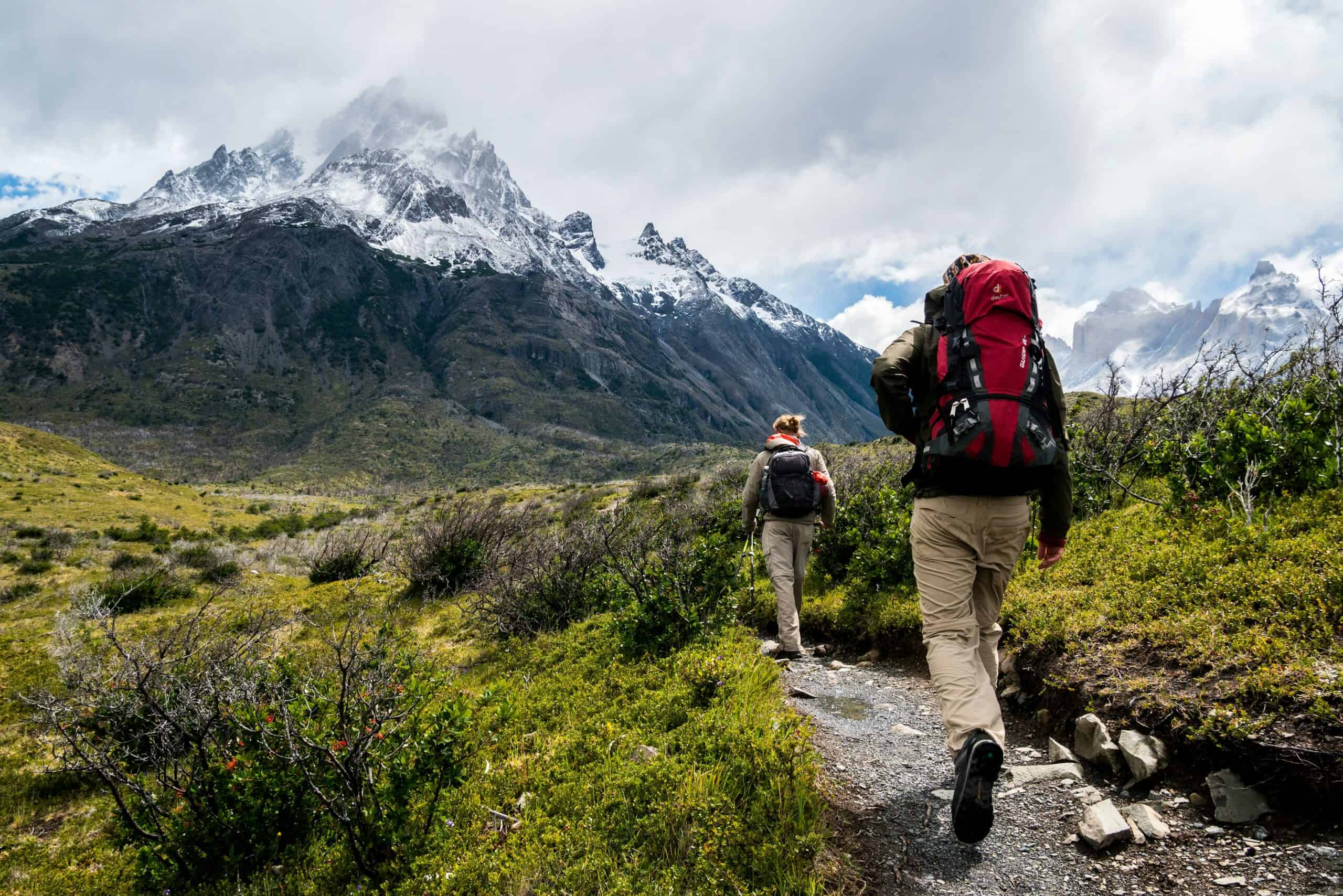
You’ve been hiking for 30 minutes, and your shoulders are already burning. The straps are cutting into your trapezius muscles, the weight feels like it’s all pulling you backward, and you can hear something jangling every time you take a step, probably your stove banging against your water bottles. Your hip belt was tight when you left the trailhead, but somehow the pack has slipped up your back so that none of the weight is actually on your hips anymore. By mile 3, your lower back is aching, and you’re starting to remember why you always come home from backpacking trips feeling older than when you left.
The problem almost certainly isn’t your fitness level or the specific backpack you bought. It’s how you packed it. The same pack with the same contents, loaded correctly, can feel 30-40% lighter than the same pack loaded incorrectly. That’s not an exaggeration, weight distribution affects perceived load in ways that are genuinely physiological, and experienced backpackers can carry 40-pound packs comfortably for 15 miles while novices struggle with 25-pound packs for 5 miles. The difference is technique.
Most hikers never learn systematic packing because it seems intuitive. You have stuff, you have a bag, you put the stuff in the bag. How hard could it be? But backpack design and human biomechanics interact in specific ways that reward systematic packing and punish random stuffing. This guide walks through the science of why weight distribution matters, the specific zones within your pack and what belongs in each, the packing sequence that produces the best results, and the common mistakes that wreck hiking comfort.
If you’re shopping for a backpack itself, or need complementary gear, our guides on best hiking backpacks under $100, best rain covers for backpacks, and best lightweight sleeping pads for backpacking cover the equipment side of the equation.
Why most hikers pack their backpacks wrong
Random packing feels logical. You put small items in small spaces, large items in large spaces, and fill in the gaps. Heavy stuff goes wherever it fits.
The problem: human spines aren’t designed to carry weight this way. Your vertebrae, discs, and supporting musculature evolved to handle loads carried close to your center of gravity at approximately mid-back height. Weight distributed randomly throughout a pack creates torque forces on your spine, shoulders, and hips that multiply perceived weight dramatically.
Experienced backpackers know this. Rangers, thru-hikers, and military personnel who carry heavy loads for long distances all use systematic packing methods because the alternative is injury.
Why weight distribution matters more than pack weight itself
The human body handles weight differently depending on where that weight sits. Understanding this explains why packing technique matters so much.
Your center of gravity determines efficiency
Your body’s natural center of gravity sits approximately at the level of your navel, slightly forward of your spine. When you walk, your muscles work to keep your center of gravity over your feet so you don’t tip over.
Adding weight to your body shifts this center of gravity. If the added weight is close to your natural center (tight against your back, at mid-back height), your body adjusts with minimal additional muscular effort. If the added weight is far from your natural center (hanging low, positioned away from your back, high above your shoulders), your body must work significantly harder to maintain balance.
The difference is measurable. Weight held at 6 inches from your spine requires roughly 3x more muscular work than the same weight held at 2 inches from your spine. Over an 8-hour hiking day, this compounds to dramatic fatigue differences.
Hip belts transfer weight from the shoulders to the legs
Modern backpacks include hip belts specifically because your legs can carry weight more efficiently than your shoulders. A properly-adjusted hip belt transfers approximately 70-80% of pack weight from your shoulders to your hips, where it loads your strongest leg muscles directly.
But hip belts only work when the weight is positioned correctly within the pack. A hip belt can’t transfer weight that’s concentrated at the top of the pack, that weight is acting through the shoulder straps regardless of how tight your hip belt is.
Proper packing positions the heaviest items where the hip belt can actually carry them: approximately mid-back height, close to your spine. This allows the full biomechanical benefit of hip belt weight transfer.
Pack sway compounds fatigue
When your pack shifts or sways during movement, you use additional muscular effort to stabilize yourself. Over thousands of steps, this stabilization cost becomes substantial.
Well-packed backpacks don’t sway. The weight sits tight against your body, moves with your movements, and doesn’t require stabilization effort. Poorly packed backpacks sway with every step, even small movements compound into measurable fatigue by the end of the day.
Compression straps on the pack exist specifically to prevent this sway, but they only work if the pack is packed densely enough to be compressed. A half-empty pack with loose contents sways regardless of strap tightness.
The three-zone packing system
Experienced backpackers divide their packs into three functional zones based on weight distribution and access frequency. Understanding these zones is the foundation of proper packing.
Bottom zone: light, bulky, not-needed-during-day items
The bottom of your pack should contain light, bulky items you won’t need until you reach camp. Positioning these items at the bottom serves two purposes: they provide a stable foundation that doesn’t shift during movement, and they’re conveniently positioned when you unpack at camp.
Typical bottom zone contents include: sleeping bag (often in its own compression sack), sleeping pad if it’s the inflatable type that compresses small, sleeping clothes you won’t need until bedtime, and camp shoes for relaxing after hiking.
The keyword is “light.” Heavy items at the bottom of the pack create the swing-back effect, where the pack pulls you backward as you walk. Keep the bottom zone limited to items that weigh less than 5-6 pounds collectively.
Middle zone: heavy items close to your back
This is the most important zone for weight management. Heavy items positioned close to your back, at mid-back height, load most efficiently on your spine and can be transferred to your hips through the hip belt.
Middle zone contents typically include: water (very heavy, 2.2 pounds per liter), food (4-5 pounds per day for multi-day trips), cooking equipment, fuel, and any dense, heavy gear like climbing hardware or camera equipment.
The specific positioning matters. Heavy items should sit tight against the pack frame (or against your back if the pack is frameless), not float in the middle of the pack volume. Pack them first, then surround them with lighter items that fill the remaining space.
Top zone: frequently-accessed items
The top of the pack should contain items you’ll need throughout the hiking day, rain gear, snacks, sunscreen, headlamp, first aid supplies, and extra layers.
Accessibility is the priority here. You want these items where you can reach them without unpacking the rest of the bag. Many packs have a dedicated top lid (sometimes called the “brain”) for these items, which is ideal for smaller, accessible items.
Don’t put heavy items at the top. Even essential items that are heavy (like a full liter of water) should go in the middle zone and be accessed less frequently, rather than being made convenient at the cost of weight distribution.
Exterior attachments for emergency-access items
Some items need to be accessible instantly, trekking poles when not in use, water bottles for sipping without stopping, a rain cover, and sometimes a tent if pack size requires exterior storage.
External attachment points on quality packs include side pockets (for water bottles), front panel attachment (for tents or sleeping pads), and tool loops (for trekking poles or ice axes). Use these for items that need instant access, not for overflow storage.
Center of gravity positioning summary
Think of the pack as having a center of gravity just like your body does. The closer your pack’s center of gravity sits to your body’s center of gravity, the more efficient your hiking.
Rule of thumb: heaviest items at mid-back height, against your spine. Light items above and below. External items only for instant-access needs.
The detailed packing sequence
Knowing the zones is the foundation; knowing the sequence is what makes packing systematic and repeatable. Here’s the order to pack in for maximum efficiency.
Step 1: Lay everything out visible
Before anything goes in the pack, lay out every item you’re bringing on a groundcloth or bed. This serves multiple purposes: you verify nothing is missing, you check for items you thought you packed but didn’t, and you can visualize your packing strategy.
Experienced backpackers do this even on familiar trips. The 30 seconds of layout saves hours of “did I pack my stove” worry during the hike.
Step 2: Start with the bottom zone
Place your sleeping bag at the bottom of the pack. If it’s in a compression sack (it should be for most trips), the compression sack goes in whole rather than being unpacked first.
Add any sleeping-related items that are light but bulky: your sleeping pad if it compresses small, camp clothes, and extra socks if you’re bringing them. Fill the bottom zone to approximately 1/4 to 1/3 of the pack’s volume.
Don’t overpack the bottom zone. Save space for the middle and top zones that need more room.
Step 3: Position water against your back
Water is the heaviest item most backpackers carry, 2.2 pounds per liter for pure water, and most backpackers carry 2-3 liters minimum. Positioning water correctly affects more perceived weight than any other single decision.
Place your water reservoir or water bottles tightly against the pack panel that will be against your back. Most quality packs have a dedicated water reservoir sleeve for this purpose. If you’re using water bottles, position them standing upright against the back panel.
This positions your heaviest item exactly where hip belts can transfer the weight to your legs. You’ll feel the difference immediately if you’ve been packing water in side pockets (a common mistake that positions weight 8-10 inches from your spine).
Step 4: Add food adjacent to water
Food is usually the second-heaviest category for multi-day hiking, 4-5 pounds per day for most hikers. Pack food adjacent to the water, continuing the “heavy items in the middle zone” principle.
Use a food storage bag or bear canister if required (check local regulations). The canister goes in the middle zone, against the water. Food bags can be smaller and fit into gaps around the water and canister.
Bear canisters are bulky and hard to work around. For trips requiring canisters, consider choosing packs with external bear canister pockets or planning food contents to minimize canister volume. Our best bear canisters for backpacking guide covers options.
Step 5: Add cooking equipment and fuel
Cooking equipment, stove, pot, utensils, fuel canister, goes in the middle zone around the food. Group these items together; you’ll typically need them all at once when cooking.
Dedicated cooking ditty bags (small stuff sacks for cooking equipment) keep the pieces organized and prevent them from rattling against each other. This also protects fuel canisters from damage that could cause leaks.
Position fuel canisters upright to prevent leaks if the valve is accidentally depressed. Don’t pack canisters at the very bottom where the weight of other items could depress the valve.
Step 6: Fill gaps with medium-weight items
With water, food, and cooking equipment in the middle zone, fill any remaining gaps with medium-weight items: extra clothing layers, camp items, and toiletries.
These items should occupy any spaces around the heavy items rather than creating pockets of empty space. Dense packing prevents shifting during movement.
Step 7: Add top zone accessible items
The top lid of your pack (if it has one) holds your frequently-accessed items. Typical contents: a snack, sunglasses, a headlamp, a first aid kit (small version for common issues), sunscreen, bug spray, and your phone if you’re not carrying it on your body.
Organize these so you can find specific items without unpacking everything. Small stuff sacks keep categories organized: “hygiene stuff sack,” “first aid stuff sack,” “snack stuff sack.”
Step 8: Position rain gear for instant access
Rain gear needs instant access. If rain starts, you want to be in rain gear within 30-60 seconds, not 3-5 minutes.
The best position is at the very top of the main pack compartment, just under the top lid. Alternatively, a dedicated rain cover for the pack (which protects everything rather than requiring jacket-only rain response) goes in an external pocket or at the top.
Our best rain covers for backpacks guide covers cover options.
Step 9: Attach external items
External attachments, water bottles in side pockets, trekking poles in tool loops, tent on front panel if it doesn’t fit inside, get attached last.
Tighten all compression straps after everything is attached. This eliminates shift and sway during hiking.
Step 10: Adjust hip belt and shoulder straps
Put the pack on before hitting the trail. Loosen all straps, adjust the hip belt so the padded portion sits on your iliac crests (the hip bones), then tighten. Tighten shoulder straps until they’re snug but not taking weight. Adjust the load lifters (the straps connecting the top of the shoulder straps to the top of the pack) to pull the pack against your back.
A properly-fitted loaded pack has: 70-80% of weight on your hips via the hip belt, shoulder straps snug but not load-bearing, pack body tight against your back, and no sway during walking motion.
Common packing mistakes and their fixes
Several specific mistakes consistently appear in novice backpacker packing. Here are the most common errors and their corrections.
Mistake: Heavy items at the bottom
Most common error. Novices pack sleeping bags at the top because they’re soft and seem to fit there, then put heavy items at the bottom “where they feel stable.”
Why it fails: Heavy items at the bottom create a backward-pulling force that strains your back muscles continuously. The pack pulls you into a constant slight backward lean.
Fix: Heavy items go in the middle zone, against your back. Sleeping bag goes at the bottom (it’s light and bulky, and doesn’t need accessibility during hiking).
Mistake: Water in side pockets
Convenience trap. Side pockets look ideal for water because you can reach bottles while hiking. So novices put all their water weight in side pockets.
Why it fails: Side pockets position water 8-12 inches from your spine, which multiplies the effective weight significantly through leverage. A 2-liter water bottle in a side pocket feels like 3-4 liters of weight at your spine’s perspective.
Fix: Use a water reservoir (bladder) with a drinking tube routed through a shoulder strap. Keep the reservoir in the main compartment, against your back. For bottles, position one in a front-of-hip pocket for sipping access and keep reserves in the main compartment.
Mistake: Everything in one giant lump
Novices sometimes stuff items randomly without using stuff sacks or organization systems. Items settle during hiking, creating lumpy, uneven weight distribution.
Why it fails: Random stuffing causes weight to shift during movement, pack sway, and the inability to find specific items without unpacking extensively.
Fix: Use 4-6 small stuff sacks to organize by category. Sleeping gear in one sack, cooking in another, clothes in another, hygiene in another. Colored sacks make identification faster.
Mistake: Trying to fit everything inside
Novices sometimes stuff their packs completely full with items bulging against the top closure, making it impossible to close properly.
Why it fails: Overstuffed packs don’t compress properly, which causes sway. The closure doesn’t seal, letting rain in. And there’s no room for accessible items at the top.
Fix: Pack to approximately 90% capacity. Use external attachment points for bulky items like sleeping pads. If you can’t fit everything comfortably, your pack is too small or you’re bringing too much stuff.
You can size the pack before working out how to load it before deciding.
Mistake: Forgetting accessibility during hiking
Novices pack everything based on what fits rather than what they’ll need during the day. Then they spend 20 minutes per break unpacking to find snacks or sunscreen.
Why it fails: Lost hiking time, frustration, and often ending up using less sunscreen/snacks because they’re too much work to access.
Fix: Identify 8-10 items you’ll need during the day (snacks, sunscreen, hat, sunglasses, headlamp for sudden early darkness, small first aid, water purification tablets). These all go in the top zone or hip belt pockets. Plan this before packing anything.
Mistake: Wet items packed with dry items
Novices pack wet clothing or wet tent fabric in the same compartments as dry items. The moisture transfers over hours of hiking.
Why it fails: Dry items (especially sleeping bag and clothes) become damp from contact with wet items. Wet sleeping bags are dangerous in cold conditions because wet down/synthetic materials lose their insulation properties.
Fix: Use a dry bag for wet items, or an external attachment for wet tents. A dry bag is typically a waterproof stuff sack with a roll-top closure. $15-25 for an appropriately-sized one.
The weight reduction approach
Beyond better packing, many hikers carry significantly more weight than necessary. Reducing base pack weight has cumulative benefits throughout the day.
The base weight concept
“Base weight” is the weight of your pack and gear, excluding consumables (food, water, fuel). Your base weight is what you carry even before you add the items that shrink during a trip. Packing decisions get sharper once the base weight idea is part of the planning. A spare canister nobody burns is dead weight, so run the fuel math first.
Ultralight backpackers achieve base weights of 10-12 pounds. Lightweight backpackers target 15-18 pounds. Standard backpacking weights range from 20 to 25 pounds. Heavy packers often run 30+ pounds base.
Lower base weight isn’t about suffering, it’s about choosing gear specifically for weight efficiency. A 2-pound sleeping bag versus a 4-pound sleeping bag saves 2 pounds for the same function.
Items where weight reduction produces the most value
Several gear categories offer disproportionate weight reduction potential:
Shelter: Ultralight tents weigh 2-3 pounds versus standard tents at 5-6 pounds.
Sleeping bag: Down bags weigh 2-3 pounds versus synthetic bags at 4-5 pounds for comparable warmth ratings.
Pack itself: Ultralight packs weigh 1.5-2.5 pounds versus traditional packs at 4-6 pounds.
Cooking system: Alcohol stoves with titanium pots weigh 2-3 ounces versus full cooking kits at 1-2 pounds.
Clothing: Multi-purpose clothing items versus single-purpose alternatives save cumulative weight.
The consumables efficiency approach
Consumables weight (food, water, fuel) can also be optimized, though with more constraints.
Food: Calorie-dense foods (nuts, cheese, chocolate, freeze-dried meals) provide more calories per ounce than hydrating foods (fresh fruit, canned items). Target 100-120 calories per ounce for hiking food.
Water: Plan water refill stops rather than carrying excessive water. Each extra liter you carry is 2.2 additional pounds. Know your route’s water sources.
Fuel: Calculate actual fuel needs based on cooking plans rather than bringing extra. A 4-ounce fuel canister provides 60-90 minutes of burn time for most stoves.
For multi-day meal planning specifically, our backpacking meal planning guide covers food optimization.
The pre-hike checklist
Before hitting the trail, run through this final checklist to verify proper packing.
Packing verification
Weight check: Weigh your loaded pack on a scale. Most hikers should carry 15-20% of their body weight for day hikes and 25-30% for multi-day trips. Overweight packs require rest stops more often.
Balance check: Put the pack on and see if it pulls you to one side. Uneven weight distribution usually indicates items packed primarily on one side. Redistribute for balance.
Sway check: Walk 20-30 steps. Does the pack move more than you do? If it sways, compress the contents tighter. Well-packed packs move as a single unit with your body.
Accessibility check: Pretend you need rain gear immediately. Can you access it in under 30 seconds without unpacking other items? If not, reposition rain gear.
Weight distribution check: Is the hip belt actually bearing 70-80% of the weight? You should feel most of the pack’s weight at your hips, not your shoulders. If your shoulders feel loaded, your middle zone needs heavier items or the hip belt needs better positioning.
Essential items verification
Run through the 10 Essentials as a mental checklist:
- Navigation (map, compass, phone with GPS app)
- Sun protection (sunscreen, hat, sunglasses)
- Insulation (extra clothing layers)
- Illumination (headlamp with extra batteries)
- First aid supplies
- Fire (matches, lighter, firestarter)
- Repair kit and tools (small multi-tool, duct tape)
- Nutrition (extra food beyond minimum needs)
- Hydration (water + purification method)
- Emergency shelter (space blanket or bivvy)
These items are the minimum for safety, not optimization. Verify each is packed and accessible before leaving the trailhead.
The post-hike review
After each hike, review how the packing worked. This feedback loop is how you improve systematically over time.
What worked well
Note the items that were easy to access when needed. Repeat this positioning on future trips.
Identify items where weight distribution felt right, middle zone heavy items, water against your back, stable hip belt transfer. These approaches should become automatic.
What could improve
Note any items that were hard to access. Move these to better positions next trip.
Identify any points where the pack felt poorly balanced or swayed excessively. Consider whether the issue was packing sequence, specific items, or pack size.
Note any items you brought but didn’t use. These are candidates for leaving home on future trips, reducing base weight.
Equipment evaluation
After several trips, evaluate whether your specific gear serves you well. Backpacks can be the wrong size or design for specific body types. Sleeping bags can be wrong temperature ratings. Stoves can be overcomplicated for your cooking style.
Our best hiking backpacks under $100 guide covers pack options for different body types and trip lengths if you’re considering equipment upgrades.
The mental model shift
The single most valuable insight for new backpackers: packing is a skill, not a chore. Like knife work in cooking or gear maintenance for cyclists, packing is a specific skill that improves with deliberate practice and attention.
Treat packing as deliberate practice
Each trip is an opportunity to refine your technique. Don’t pack randomly and hope it works, pack systematically and evaluate what happened.
The first few trips, allow 20-30 minutes for packing. Over time, packing becomes 10-15 minutes as the sequence becomes automatic.
Systematic beats random
Random packing sometimes works by accident. Systematic packing works reliably. The investment in learning the system pays back for years of hiking trips.
Weight reduction compounds
Each pound you eliminate from your base weight benefits every trip for the rest of your hiking career. Lightweight gear is more expensive upfront but provides value across thousands of miles of use.
Balance matters more than raw weight
A well-balanced 30-pound pack feels lighter than a poorly-balanced 20-pound pack. Prioritize balance before weight reduction, a lighter but unbalanced load is worse than a heavier, balanced load.
Special situations
Different trip types require specific packing adaptations beyond the general principles.
Day hiking
Day hiking packs are smaller (20-30 liters) and carry less weight. The same principles apply, but with less complexity.
Focus on: water position (main compartment against back), quick-access items (top and hip belt pockets), and rain gear for changing conditions. Skip the sleeping bag and cooking gear sections, day hikes don’t need them.
Multi-day backpacking
Multi-day trips require full three-zone packing with attention to consumables that shrink over time (food gets lighter as you eat it). Start with food in the middle zone; as days pass, the balance shifts.
Consider packing each day’s food in its own small bag at the top of the food section. You’re accessing today’s food without disturbing the rest.
Winter and cold-weather hiking
Winter packing requires additional accessibility for layering. You’ll add and remove layers more frequently, so keep insulation layers in positions where they’re quick to reach.
Pack a dry bag specifically for spare clothing. If you fall into water or get wet from snow, dry clothes are essential for preventing hypothermia.
Technical terrain (scrambling, rock hopping)
Technical terrain adds movement complexity that poorly-packed packs handle badly. Ensure maximum compression and minimum sway before tackling scrambling sections.
Consider packing slightly less in your top lid for these sections, higher loads cause more balance issues on technical terrain.
Our verdict
The best backpack packing system follows three simple principles: heavy items in the middle zone against your back, light bulky items at the bottom and top, and frequently-accessed items accessible without unpacking. Master these three principles, and 80% of packing mistakes disappear.
The specific sequence, bottom zone (sleeping gear), middle zone (water/food/cooking), top zone (accessible items), external attachments (emergency-access items), produces packs that feel 30-40% lighter than randomly-packed alternatives.
The payoff extends beyond comfort. Well-packed packs reduce injury risk, improve hiking speed, extend your endurance on long days, and make multi-day trips genuinely enjoyable rather than grinding endurance tests. The time invested in learning systematic packing (maybe 5-10 trips before it becomes automatic) pays back across decades of hiking.
The broader point: backpack packing is where hiking effort amplifies or multiplies. Poor packing makes every step harder; good packing makes every step easier. Given that a hiking day involves 15,000-30,000 steps, the difference compounds into measurable fatigue variations. You can’t out-fitness bad packing, but good packing makes hiking feel dramatically more accessible. Learn the system once, and every hike for the rest of your life benefits.
Frequently asked questions
Where should heavy items go in a backpack?
Heavy items belong in the middle of the pack, positioned against your back, at approximately mid-back height. This positioning allows your hip belt to transfer 70-80% of pack weight to your legs, which are your strongest muscles for weight-bearing. Heavy items at the bottom create a backward pulling force; heavy items at the top cause balance problems. The middle zone against your back is the biomechanically efficient position.
How tight should my hip belt be?
The hip belt should be snug enough to transfer weight from your shoulders to your hips, you should feel most of the pack’s weight at your hips rather than your shoulders. If your shoulders are bearing significant weight, the hip belt is too loose or positioned incorrectly. The belt should sit on your iliac crests (hip bones), not on your waist above the hip bones. Too tight is possible but less common than too loose.
How much should my backpack weigh?
For day hiking, aim for 15-20% of your body weight (so a 150-pound hiker carries 22-30 pounds). For multi-day backpacking, 25-30% of body weight is the upper limit for sustainable carrying. Ultralight backpackers can sometimes exceed this safely, but novices should stay closer to 20%. If you can’t meet these targets, reduce gear or consider equipment upgrades for weight efficiency.
Where should I pack my water?
In a water reservoir (hydration bladder) with the drinking tube routed through your shoulder strap, positioned in the main pack compartment against your back. This is the most efficient position because it keeps the heaviest single item closest to your spine. If using water bottles instead, position them upright in the main compartment against your back rather than in side pockets.
How do I keep my backpack from swaying?
Pack densely so items don’t shift during movement. Tighten compression straps after packing to pull the pack tight against your body. Ensure heavy items are in the middle zone against your back rather than far from your spine. Properly adjust all three strap systems (hip belt, shoulder straps, load lifters). Sway indicates weight distribution problems or loose packing.
What should I pack for easy access during hiking?
Keep these items accessible: snacks (every 60-90 minutes), water (for sipping throughout the day), sunscreen, hat, sunglasses, headlamp, small first aid kit, rain gear, and map/navigation. These go in the top lid, hip belt pockets, or external attachment points where you can reach them without unpacking. Plan this positioning before packing the rest of the bag.
How long does it take to properly pack a backpack?
Novices take 30-45 minutes the first few times. Experienced backpackers take 15-20 minutes. Ultra-experienced thru-hikers can pack in 10 minutes after practice. The time varies with trip complexity, day hiking packs faster than multi-day trips. Don’t rush the process while learning; speed comes with practice.
Should I pack my sleeping bag at the bottom of the pack?
Yes, for most hikers. Sleeping bags are light but bulky, making them ideal bottom zone items. They don’t need accessibility during hiking (you won’t use them until camp). And bottoming out the pack with a stable item prevents the lumpiness that heavy items at the bottom would create. Exceptions: if your sleeping bag gets wet from pack contents below it (unlikely with proper packing), or if your pack design specifically recommends otherwise.
More Hiking Guides
- hiking backpack versus daypack
- trekking poles versus hiking staff
- tackle backpacks
- how to fit a pack to your body
- why a pack hurts your shoulders
- planning a hiking route
Related: do hiking backpacks last.
Navigation tools belong somewhere reachable rather than buried. Baseplate compasses and declination covers what to carry.
