
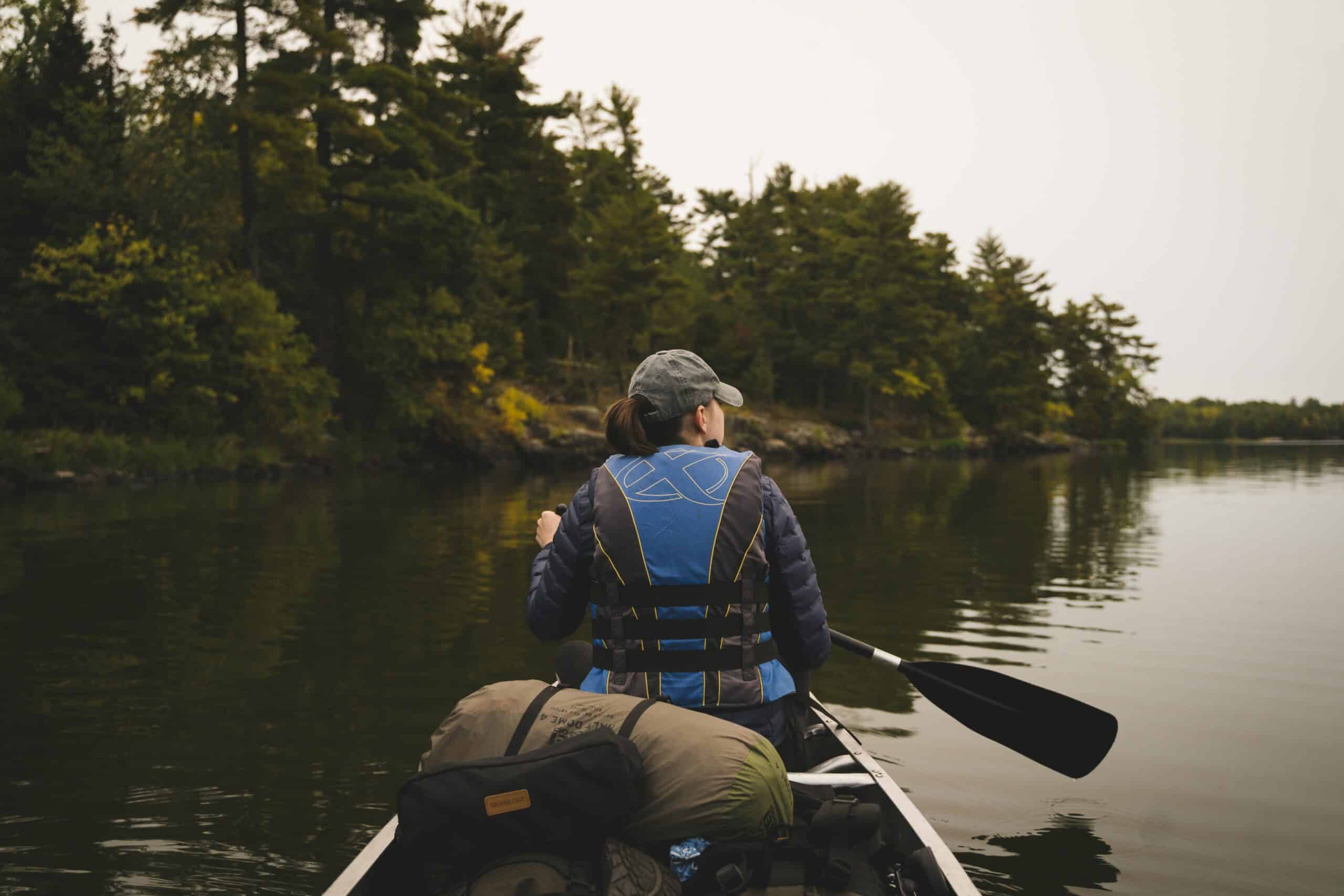
The best dry bags for kayaking solve a problem that ruins kayaking trips. Standard backpacks soak through within 30 minutes of paddling. Plastic bags tear on the first portage. Cheap dry bags labeled waterproof leak through the seams when they get tested. Quality dry bags actually deliver on the waterproof promise, your phone, camera, dry clothes, and food stay dry through a full day of paddling, splashing, and accidental capsizes.
Most kayakers buy dry bags incorrectly. They pick whatever is cheapest at the outdoor store and assume waterproof labels mean what they say. The first capsize or rainstorm proves otherwise. Quality dry bags cost more upfront but deliver actual waterproofness through years of hard use. The cost-per-year math favors quality dry bags significantly when you factor in replacing cheap alternatives every season.
Quality kayaking dry bags solve three problems at once. The roll-top closure creates a genuine waterproof seal rather than a water-resistant approximation. Heavy-duty material survives abrasion from kayak hulls, rocks, and gear contact. Sized correctly, the bag fits within hatch compartments or attaches securely to deck rigging. Get those three traits right, and the dry bag becomes a multi-decade kayaking tool rather than an annual replacement.
If you’re building out a complete kayaking setup, our best insulated water bottles for hiking and best hiking water bottles guides cover hydration gear that works for paddling trips.
What to Look for in a Kayaking Dry Bag
Roll-top closure design determines actual waterproofness.
The roll-top closure is the defining feature of dry bags. The user folds the bag opening down 3 to 5 times, then clips the buckle to secure the rolled section. The folding compresses air out and creates a waterproof seal that submersion testing actually validates.
Quality roll-tops require 3 minimum folds for waterproof performance. Some manufacturers claim 1 or 2 folds work. They don’t, testing shows water seeps through after partial submersion with insufficient folds. Always do 3 folds minimum, regardless of the manufacturer’s claims.
The buckle closure type matters too. Single-buckle closures secure quickly but leave one side of the roll less compressed. Dual-buckle closures take 5 extra seconds to secure but apply even compression across the entire fold. For deep-water use or whitewater paddling, dual-buckle closures provide more reliable seals.
Avoid zipper closures labeled “waterproof.” Even premium waterproof zippers eventually leak under sustained submersion or repeated use. Roll-top is the only proven design for actual kayaking conditions. Secured gear makes recovering from a flip far less stressful when the boat goes over.
Material thickness affects durability and weight.
Dry bag materials range from lightweight 70-denier nylon to heavy-duty 1000-denier vinyl. The number describes thread thickness, higher denier means thicker, more abrasion-resistant material.
For day kayaking and weekend trips, 200 to 400-denier nylon hits the right balance. Light enough to pack easily. Durable enough to survive contact with kayak hulls, rocks, and rigging. Most quality day-use dry bags fall in this range.
For multi-day expeditions or whitewater use, 500+ denier materials handle the increased abrasion. The weight penalty is meaningful (a 20L expedition bag in 500-denier weighs roughly twice a 200-denier equivalent), but the durability is essential when bags get dragged across rocks during portages or contact whitewater rocks during runs.
Size matters for kayak compatibility and gear organization.
Dry bag sizes are measured in liters. Common sizes range from 5L for phones and small electronics to 65L for multi-day expedition gear.
For most kayakers, the right answer is multiple smaller bags rather than one large bag. A 5L bag for phone and wallet. A 10L bag for dry clothes. A 20L bag for food and overnight gear. Multiple bags fit into kayak hatches better than one large bag (which often won’t fit through hatch openings). Multiple bags also limit damage if one fails, a single leaky bag affects only the gear inside it, not your entire trip’s kit. Our guide to sleds and pulks for winter gear hauling picks that up.
Sit-on-top kayakers benefit from larger bags that attach to deck rigging via clips. Sit-inside kayakers benefit from medium bags that fit through hatch openings into bow and stern compartments.
Carry method determines portability.
Dry bags come in three main carry configurations. Simple roll-top bags have no straps, they sit in the kayak or get carried by the rolled handle. Backpack-style dry bags have shoulder straps and a back panel for carrying during portages. Daypack dry bags include hip belts and frame structure for longer carries.
For most kayaking, simple roll-top bags work fine. Portages are short and infrequent. Backpack-style dry bags add weight and complexity without proportionate benefit unless you do regular portages or use the bag for hiking between paddles.
For expedition kayaking with significant portaging, full backpack-style dry bags justify the extra weight. The Sea to Summit Big River and Watershed Chattooga represent the premium expedition category.
The 5 Best Dry Bags for Kayaking in 2026
#1, Sea to Summit Big River Dry Bag
Best Overall Kayaking Dry Bag | Price: ~$30 (20L)
The Sea to Summit Big River is the dry bag professional kayak guides recommend most often as the everyday workhorse. It earns the top spot through 420-denier ripstop nylon construction, fully welded seams, and the build quality that survives years of expedition use.
Why Sea to Summit Sets the Standard for Kayakers
The 420-denier ripstop nylon hits the sweet spot between weight and durability. Lighter materials work for casual use but tear on rocks and gear contact during real kayaking. Heavier materials add significant weight without proportionate durability benefit for day kayaking. The 420-denier balance survives years of hard use without a weight penalty.
The seams are fully welded rather than stitched. Stitched seams require seam-sealing tape that eventually fails, water seeps through stitch holes after repeated use. Welded seams form continuous waterproof barriers without weak points. Sea to Summit’s welded construction is the durability feature that separates premium dry bags from cheap alternatives.
The roll-top closure includes a stiffened band that maintains the rolling pattern reliably. Cheap dry bags lose their rolling pattern over months of use, requiring more force to create proper folds. The Big River maintains the same rolling shape after years of use.
The Big River comes in sizes from 3L (phone bag) to 65L (expedition main bag). Most kayakers eventually own 3 to 4 different sizes covering different gear categories. The price scales reasonably with size, a 20L Big River runs approximately $30, a 65L runs approximately $60.
PROS:
- 420-denier ripstop nylon balances weight and durability
- Fully welded seams eliminate stitch-hole leaks
- Stiffened roll-top maintains shape over years of use
- Sizes from 3L to 65L cover all gear categories
- Industry standard for serious kayakers
- 5-year warranty against manufacturing defects
CONS:
- Premium price compared to budget alternatives
- No backpack straps for portaging
- Single color options for some sizes
- Requires careful rolling for full waterproofness
Best for: Most kayakers who want long-term, reliable dry bags, particularly serious day paddlers and weekend campers who need bags that last decades.
#2, Watershed Chattooga Dry Bag
Best Premium Submersion-Rated Dry Bag | Price: ~$140
The Watershed Chattooga is the premium dry bag for kayakers who need genuine submersion-proof performance. The patented ZipDry closure system, 1000-denier urethane-coated nylon, and U.S. Coast Guard testing make it the right choice for whitewater paddlers and expedition kayakers who need bags that survive complete submersion.
Submersion-Rated Construction for Serious Conditions
The Watershed Chattooga is one of the few dry bags that actually perform under sustained submersion. Most roll-top dry bags resist water from splashes and brief submersion, but eventually leak if held underwater for minutes. The Chattooga’s ZipDry closure creates a true watertight seal that survives complete submersion for hours.
The 1000-denier urethane-coated nylon survives whitewater abrasion that destroys lighter dry bags. Whitewater kayakers report using Chattooga bags for 10+ years through aggressive class IV and V conditions before any wear shows.
The closure mechanism is unique to Watershed, a heavy-duty waterproof zipper combined with a fold-over flap. The zipper provides the primary seal. The flap protects the zipper from abrasion and adds redundant protection. The combination delivers waterproofness that no roll-top design can match for true submersion conditions.
The trade-offs match the premium category. The Chattooga is heavier and more expensive than roll-top alternatives. The zipper requires periodic lubrication to maintain seal performance. Day kayakers in calm water don’t need the submersion rating that justifies the price. Whitewater paddlers and expedition users get clear value from the upgrade.
PROS:
- True submersion-proof performance
- 1000-denier urethane-coated nylon for extreme abrasion resistance
- ZipDry closure system seals more reliably than roll-tops
- U.S. Coast Guard tested
- 10+ year lifespan in extreme conditions
- Made in USA
CONS:
- Premium price at approximately $140
- Heavier than roll-top alternatives
- Zipper requires periodic lubrication
- Overkill for casual day kayakers
Best for: Whitewater kayakers, expedition paddlers, and anyone whose gear must survive complete submersion, particularly those carrying expensive electronics or critical survival gear.
#3, NRS Bill’s Bag
Best Expedition Dry Bag | Price: ~$110 (110L)
The NRS Bill’s Bag is the expedition-sized dry bag that paddlers buy for multi-day raft trips and extended kayak expeditions. The 110-liter capacity, padded backpack straps, and 22-ounce vinyl-coated polyester construction make it the right choice for trips requiring large gear hauls.
Expedition Capacity for Multi-Day Trips
The 110-liter capacity holds enough gear for 5+ day expeditions. Sleeping bag, tent, full clothing kit, food for the week, cooking equipment, and personal items all fit in a single Bill’s Bag. The volume eliminates the need for multiple smaller bags during long trips.
The 22-ounce vinyl-coated polyester is the heaviest material on this list. The weight is intentional, vinyl-coated material handles the abrasion of rafting more aggressively than nylon-based dry bags. River trips involve constant contact with rocks during loading, unloading, and rough portaging. The vinyl construction survives these conditions for years.
The padded backpack straps make portaging the loaded bag manageable. A 110L bag fully loaded weighs 40 to 60 pounds, which is unreasonable to carry without proper straps. The hip belt distributes weight effectively for portages of 200+ yards. Without the harness system, loading and unloading the bag becomes the limiting factor rather than the trip itself.
The trade-offs match the expedition focus. The Bill’s Bag is too large for day kayaking. The vinyl-coated polyester is heavier than nylon alternatives. The price is higher than for smaller bags. For day kayakers, smaller Sea to Summit Big River bags fit better. For expedition users, the Bill’s Bag is the standard.
PROS:
- 110L capacity for multi-day expeditions
- 22-ounce vinyl-coated polyester for extreme abrasion
- Padded backpack straps for portaging
- Hip belt distributes the loaded weight
- NRS reputation for paddling gear quality
- Built for raft and expedition use
CONS:
- Too large for a day of kayaking
- Heavier than nylon alternatives
- Premium price for occasional expedition use
- Single closure point limits redundancy
Best for: Multi-day raft trips, expedition kayakers, and anyone needing single large-capacity dry storage, particularly trips that exceed what 4 to 5 smaller bags can handle.
#4, Earth Pak Original Dry Bag
Best Mid-Range Dry Bag with Backpack Straps | Price: ~$30 (30L)
The Earth Pak Original is the mid-range dry bag with built-in backpack straps. The 500-denier PVC construction, including shoulder straps and waist belt, and IPX7 waterproof rating make it the right choice for kayakers who do significant portaging or hike-to-paddle trips.
Backpack Functionality at Mid-Range Pricing
The included shoulder straps and waist belt convert the dry bag into a functional backpack. The padded back panel provides comfort during longer carries. For paddle-and-hike adventures where you kayak to a launch site then hike from there, the integrated carry system eliminates the need for a separate hiking pack.
The 500-denier PVC material handles standard kayaking abrasion. The construction sits between casual day-use bags and premium expedition bags. The IPX7 waterproof rating means the bag handles full submersion in shallow water (up to 1 meter for 30 minutes). Real-world performance handles capsizes and brief immersions reliably.
The included phone case is a thoughtful touch. The clear waterproof phone case attaches to the dry bag exterior for accessible phone use during paddling. Many paddlers want phone access for navigation, photos, or emergency calls, but don’t want to constantly open the main dry bag. The dedicated phone case solves this.
The trade-offs match the mid-range category. The PVC material is heavier than premium nylon alternatives. The seams are heat-welded but not as refined as Sea to Summit construction. The included accessories are functional rather than premium. For buyers wanting backpack functionality without paying expedition prices, the Earth Pak hits the right value point.
PROS:
- Built-in backpack straps and waist belt
- Included a clear phone case
- 500-denier PVC handles standard abrasion
- IPX7 waterproof rating
- Affordable mid-range price
- Multiple size options
CONS:
- Heavier than premium nylon alternatives
- Seam construction is not as refined as that of premium bags
- PVC material is less weight-efficient than welded nylon
- Phone case loses clarity over the years
Best for: Kayakers who do significant portaging or paddle-and-hike trips, particularly those who want backpack functionality without paying expedition prices.
#5, Outdoor Products All-Purpose Dry Bag
Best Budget Dry Bag | Price: ~$15 (20L)
The Outdoor Products All-Purpose Dry Bag is the budget dry bag that delivers basic waterproofness at the lowest practical price. The PVC tarpaulin construction, roll-top closure, and lowest price on this list make it the right choice for casual kayakers who need adequate dry storage without premium pricing.
Adequate Performance at Entry-Level Pricing
The PVC tarpaulin construction handles splashes, light rain, and brief immersions. The roll-top closure with a single buckle creates a functional waterproof seal when properly rolled. For day kayaking in calm water, the All-Purpose Dry Bag delivers acceptable protection at less than half the price of premium alternatives.
The 20L size handles a day’s gear for most paddlers, extra clothing, lunch, phone, wallet, and basic supplies. Multiple sizes from 5L to 55L cover most use cases. The price scales reasonably with size, making it practical to buy multiple sizes for gear organization.
The trade-offs match the budget price. The construction quality sits below premium alternatives. The seams are taped rather than welded, which can fail after 1 to 2 years of regular use. The single-buckle roll-top is less reliable than dual-buckle alternatives for sustained submersion. The expected lifespan is 2 to 4 seasons of casual use.
For kayakers who fish or paddle a few times per year, the cost-per-use math favors budget dry bags significantly over premium alternatives. For frequent paddlers, the premium options pay for themselves in lifespan.
PROS:
- Lowest price on this list is approximately $15
- PVC tarpaulin construction for basic waterproofness
- Multiple sizes from 5L to 55L
- Roll-top closure with single buckle
- Adequate for casual day kayaking
- Wide retail availability
CONS:
- Taped seams are less durable than welded ones
- Single-buckle closure less reliable for submersion
- Lifespan of 2 to 4 seasons under regular use
- PVC construction degrades faster in UV exposure
Best for: Casual kayakers, occasional paddlers, and budget-conscious buyers who want functional dry storage without premium pricing.
Quick Comparison: Best Dry Bags for Kayaking in 2026
| Dry Bag | Price | Material | Size | Best Use | Score |
|---|---|---|---|---|---|
| Sea to Summit Big River | ~$30 (20L) | 420-denier ripstop nylon | 3L-65L | All-around day and weekend kayaking | 9.5 |
| Watershed Chattooga | ~$140 | 1000-denier urethane nylon | Various | Whitewater and submersion-critical | 9.4 |
| NRS Bill’s Bag | ~$110 (110L) | Vinyl-coated polyester | 110L | Multi-day expeditions | 9.2 |
| Earth Pak Original | ~$30 (30L) | 500-denier PVC | Various | Portaging and paddle-and-hike | 9.0 |
| Outdoor Products All-Purpose | ~$15 (20L) | PVC tarpaulin | 5L-55L | Casual and occasional use | 8.5 |
How to Choose the Right Kayaking Dry Bag
The right dry bag depends on your kayaking conditions, frequency, and gear protection needs.
Match material to your kayaking conditions.
Calm water kayakers can use any material on this list. The Outdoor Products budget bag handles flat-water conditions adequately. Whitewater and rough-water kayakers should choose 500-denier or heavier materials, Earth Pak, NRS Bill’s Bag, or Watershed Chattooga. The abrasion from rocks and aggressive paddling destroys lighter materials within months.
Match size to your trip length.
Day kayakers need 10 to 20-liter bags for personal gear. Weekend paddlers need 30 to 50-liter bags or multiple smaller bags. Multi-day expedition kayakers need a 65 to 110-liter capacity. Most kayakers eventually own 3 to 4 different sizes covering different gear categories rather than one large bag.
Match the carry system to your portage needs.
Casual paddlers without portages can use simple roll-top bags without backpack features. The Sea to Summit Big River and Watershed Chattooga provide handles only. Paddlers who portage occasionally benefit from backpack-strap bags like the Earth Pak. Expedition paddlers with frequent portages need padded harness systems like the NRS Bill’s Bag for managing loaded weight.
For broader outdoor recreation, our best hiking water bottles and best insulated water bottles for hiking guides cover hydration gear that pairs well with kayaking trips.
Our Verdict
The Sea to Summit Big River Dry Bag at $30 for 20L is the right kayaking dry bag for most paddlers. The 420-denier ripstop nylon, fully welded seams, and stiffened roll-top deliver a decade-plus lifespan with reliable waterproofness. The size range from 3L to 65L means buyers can build a complete dry-bag system from a single brand.
Whitewater kayakers and expedition paddlers should choose the Watershed Chattooga at $140 for the true submersion-proof performance. The price premium pays for itself when gear must survive class IV+ conditions or sustained submersion. Multi-day expedition users should add the NRS Bill’s Bag at $110 for the 110L capacity that smaller bags can’t match.
Kayakers who portage frequently or do paddle-and-hike trips should choose the Earth Pak Original at $30 for the integrated backpack straps. Casual paddlers and budget-conscious buyers should choose the Outdoor Products All-Purpose at $15 for adequate functionality at the lowest practical price.
The bigger principle is multiple smaller bags rather than one large bag. Most kayakers benefit from owning 3 to 4 different sizes, a 5L for phone and electronics, a 10L for clothes, a 20L for food and gear, and a larger bag for overnight or expedition use. The multi-bag approach fits better in kayak hatches, limits damage if one bag fails, and provides better gear organization than single-large-bag approaches.
For complete outdoor recreation setups, our best hiking backpacks under $100 guide covers gear that complements kayaking for trips combining both activities.
Frequently Asked Questions
What is the best dry bag for kayaking in 2026?
The Sea to Summit Big River Dry Bag is the best overall kayaking dry bag for most paddlers. The 420-denier ripstop nylon handles real-world abrasion, the fully welded seams eliminate the stitch-hole leaks that plague cheaper alternatives, and the size range from 3L to 65L lets buyers build a complete dry-bag system. For whitewater kayakers and expedition paddlers needing true submersion-proof performance, the Watershed Chattooga at $140 provides the premium tier of waterproofness.
How do I roll a dry bag correctly?
Roll the open end of the bag down at least 3 times before clipping the buckle. Press air out of the bag during rolling. Each fold should overlap the previous fold completely. Insufficient folds (1 or 2) leave gaps where water can seep through the rolled section, even when the buckle is clipped. After 3 to 5 folds, clip the buckle securely. The combination of multiple folds and buckle compression creates the waterproof seal that defines the dry bag function.
Are dry bags submersible?
Standard roll-top dry bags resist splashes and brief immersion but eventually leak under sustained submersion. Most roll-top dry bags from quality brands (Sea to Summit, NRS, Earth Pak) handle 5 to 15 minutes of submersion before water seeps through. For true submersion-proof performance, specialized dry bags like the Watershed Chattooga use waterproof zipper closures rather than roll-tops. These submersion-rated bags handle hours of underwater immersion without leaks.
What size dry bag do I need for kayaking?
Most day kayakers need 10 to 20-liter dry bags for personal gear. Weekend paddlers benefit from 30 to 50 liters of total dry storage. Multi-day expedition kayakers need 65 to 110 liters. The better question is multiple bags rather than single bag size, owning 3 to 4 different sizes (5L for phone, 10L for clothes, 20L for food, 35L+ for overnight gear) provides better organization, easier kayak hatch fitting, and limited damage if one bag fails.
How long do dry bags last?
Quality dry bags from Sea to Summit, NRS, and Watershed last 8 to 15+ years of regular kayaking use. The Watershed Chattooga specifically reports 10+ year lifespans even in whitewater conditions. Mid-range dry bags like the Earth Pak last 4 to 7 years. Budget dry bags like the Outdoor Products All-Purpose last 2 to 4 seasons. Lifespan depends on material thickness, UV exposure, abrasion frequency, and storage practices. Storing dry bags rolled and dry between uses extends lifespan significantly.
