
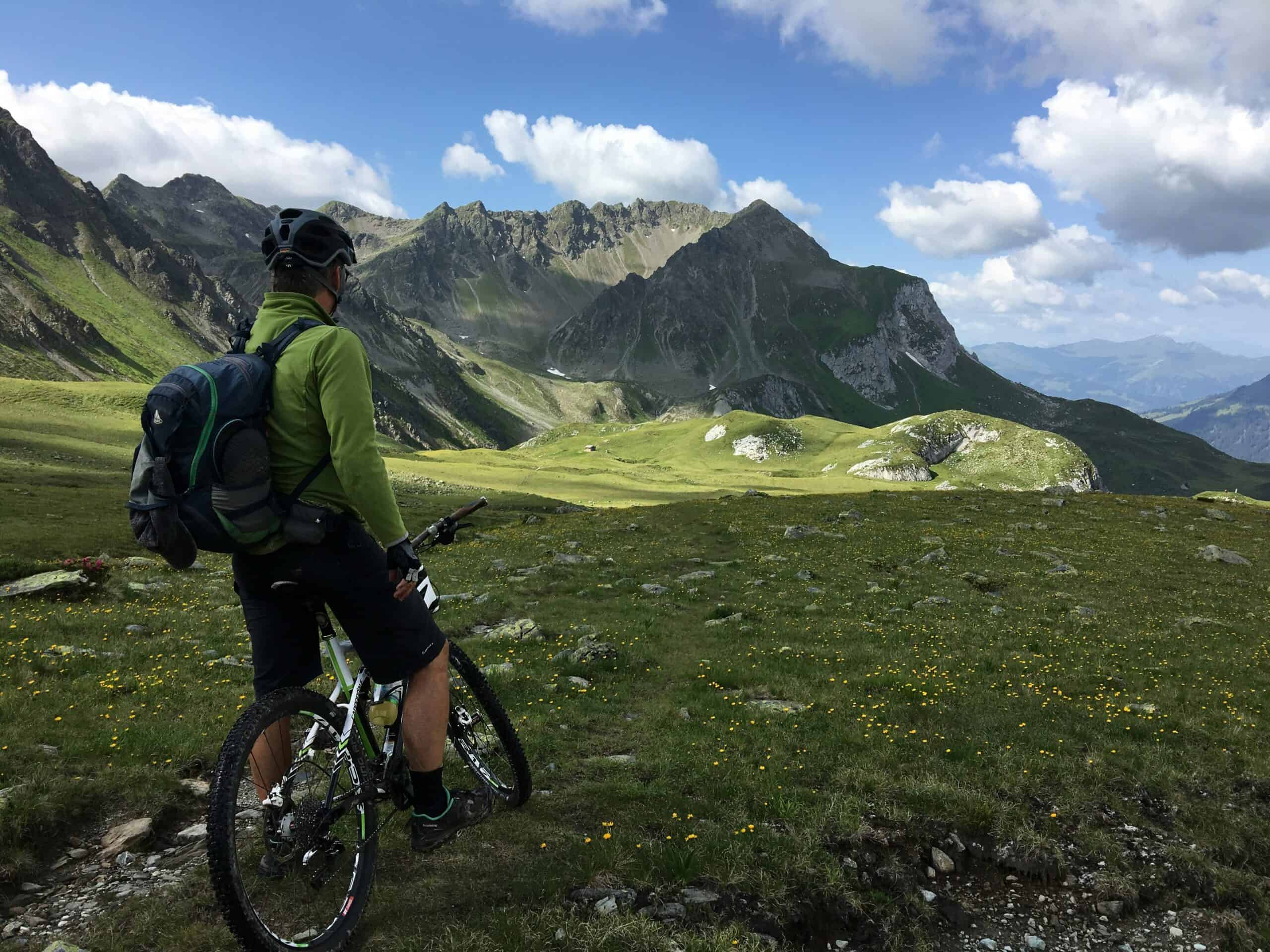
Almost everything that ends a ride early is a puncture, a broken chain, or running out of water. Carry for those three and the rest of the list is a long way behind in likelihood.
The other constraint is that weight you carry on a bike is weight you notice, so a pack loaded for every eventuality gets left at home on the day you need it. Our roundup of frame bags and storage covers where it goes. Hauling changes the calculation, and a trailer for kids or cargo shifts the weight off your back entirely.
A Safety Note
Tell someone your route and expected return time before riding alone, particularly somewhere without phone coverage. A mechanical or a crash a long way from a road is a serious situation, and nobody looks for a rider whose plans they do not know.
Quick Answer
Spare tube, tire levers, pump, multi-tool, quick link, water, food, phone, and a small first aid kit. Everything else depends on distance, weather, and how remote you are.
The Repair Kit
Spare tube and levers
The right size for your wheels, even running tubeless, since a tear too large to plug means fitting a tube.
Pump or CO2
A pump always works. CO2 is faster and finite, so carrying a pump as backup covers a wasted cartridge.
Multi-tool with a chain breaker
Allen keys handle most adjustments, and the chain tool is what turns a snapped chain from a walk into a five-minute stop.
Quick link
Weighs nothing and is the difference between a repaired chain and a broken one. Matched to your chain speed. Our roundup of trailside repair tools covers the specifics.
Water and Food
Running out of water is among the most common reasons a ride gets cut short, and mountain biking in heat consumes considerably more than most people plan for.
Bottles are simpler and lighter overall. A hydration pack carries considerably more and lets you drink while riding technical sections where taking a hand off the bars is not an option.
Food starts mattering past roughly the ninety-minute mark. Something in a jersey pocket that survives being sat on and crushed beats anything that needs careful handling.
In remote terrain a way to treat water extends your range considerably for very little weight. Our roundup of hydration packs covers the carrying options.
Everything above fits comfortably in a hip pack or strapped to the frame.
First Aid
Mountain biking produces a predictable injury profile: abrasions, cuts, and the occasional impact injury. A kit sized for that is small.
Adhesive dressings, a couple of larger sterile pads, tape, gloves, and antiseptic wipes cover the common cases and fit in a jersey pocket.
A compression bandage is worth adding for anything remote, since it handles both a significant bleed and a joint injury.
Knowing basic first aid matters more than what you carry, and a short course is worth considerably more than an extra dressing. Our roundup of first aid kits covers pre-assembled options.
Clothing You Are Not Wearing
A packable windproof or light waterproof is the highest-value item here. Riders generate heat while moving and lose it fast when stopped, and a mechanical means standing still in whatever the weather is doing.
That effect is much stronger than people expect. A rider comfortable at speed can be genuinely cold within ten minutes of stopping in wind.
Light gloves in cold conditions and a thin layer for descents both fold small enough to be worth carrying.
In changeable mountain weather this stops being optional. Our roundup of gloves covers the hand side.
Navigation and Communication
A phone covers both navigation and communication for most rides, and it remains a single point of failure with a battery that empties considerably faster in cold weather.
Downloading offline maps before leaving is the step people skip, and it matters precisely where coverage disappears.
A battery pack is small insurance for long rides, particularly if the phone is also running a tracking app.
Genuinely remote riding justifies a satellite messenger, which works where phones do not and is the difference between a long walk and a rescue. Our roundup of satellite messengers covers those.
Check the Kit, Not Just Carry It
A repair kit that lives permanently on the bike is the right approach and it creates its own failure: nobody checks it.
Spare tubes perish, and one that has been folded in a saddlebag through two summers can split as it inflates. Replacing the spare annually is cheap insurance.
Mini pumps develop leaks at the seal and CO2 inflator heads corrode, both of which are discovered at the worst possible moment. Testing the pump occasionally takes a minute.
Sealant dries out in tubeless setups over months, so a tire that sealed punctures perfectly last season may have nothing wet left in it. Checking sealant levels seasonally is part of the same habit.
Riding Alone
Solo riding changes the calculation, because there is nobody to lend you a tube or ride out for help.
Tell someone the route and an expected return time, every time. It is the single measure determining whether anyone starts looking, and it is also the one most often skipped on a familiar local loop.
Carry more than you would in a group, since group riding effectively pools equipment and a solo rider has only what is on the bike.
Ride within your limits more conservatively than you would with company. The consequence of a crash is different when the nearest person is unaware you are out. Our note on signaling for help covers what happens if it goes wrong.
Scaling to the Ride
| Ride type | Add |
|---|---|
| Short local loop | Repair kit, water, phone |
| Half day | Food, first aid, windproof |
| Full day | More water, extra layer, battery pack |
| Remote or alone | Satellite messenger, compression bandage, emergency blanket |
| Cold or wet | Waterproof, warm gloves, spare base layer |
Building up from the short-ride list rather than down from a maximal one keeps the pack honest.
Building the list up from a short local ride rather than paring it down from everything you own keeps the weight honest, and weight on a bike is weight you feel on every climb.
Where to Put It
A hydration pack carries the most and puts weight on your back, which some riders dislike on technical descents.
Hip packs have become popular for exactly that reason, keeping weight lower and off the shoulders while carrying enough for a normal ride.
Frame bags, tool straps, and storage compartments inside the frame keep weight on the bike, which is the lowest-impact option and limits capacity.
Many riders combine them: repair kit strapped to the bike permanently, water and food in a hip pack. The permanent part matters, since a repair kit that lives on the bike never gets forgotten. Our roundup of riding shorts covers pocket options.
What to Carry FAQ
What is the minimum for a short ride?
Spare tube, levers, pump, multi-tool with a chain breaker, quick link, water, and a phone. That covers the three things most likely to end a ride.
Do I need a tube if I run tubeless?
Yes. Sealant handles small punctures and a plug kit handles medium ones, and a tear too large for either means fitting a tube to get home.
Hydration pack or bottles?
Bottles are lighter and simpler; a pack carries more and lets you drink on technical ground. Hip packs are a middle option keeping weight off your shoulders.
How much water?
More than you expect in heat, and enough that running out is not the thing that turns you around. Somewhere to treat water extends range cheaply on remote rides.
What first aid do I actually need?
Dressings, sterile pads, tape, gloves, and wipes cover the abrasions and cuts that make up most riding injuries. Add a compression bandage for remote rides.
Why carry a jacket if it is warm?
Because a mechanical means standing still. Riders generate a lot of heat moving and lose it quickly stopped, and a packable windproof weighs almost nothing.
Is a satellite messenger worth it?
For genuinely remote riding, yes. They work where phones have no coverage, which is exactly the situation where a crash or a mechanical becomes serious.
Where should I carry it all?
Repair kit strapped to the bike permanently so it never gets forgotten, and water and food in a hip pack or hydration pack depending on distance.
Recommended Reading
See our note on mountain bike chain lube and cleaning, and mountain bike helmets, and mountain bike knee pads, and mountain bike lights, and mountain bike pedals, and mountain bike saddles, and mountain bike shoes, and mountain bike tires for trail riding, and fixing a flat on the trail, and mountain bike trail etiquette, and what tire pressure for mountain biking.
