
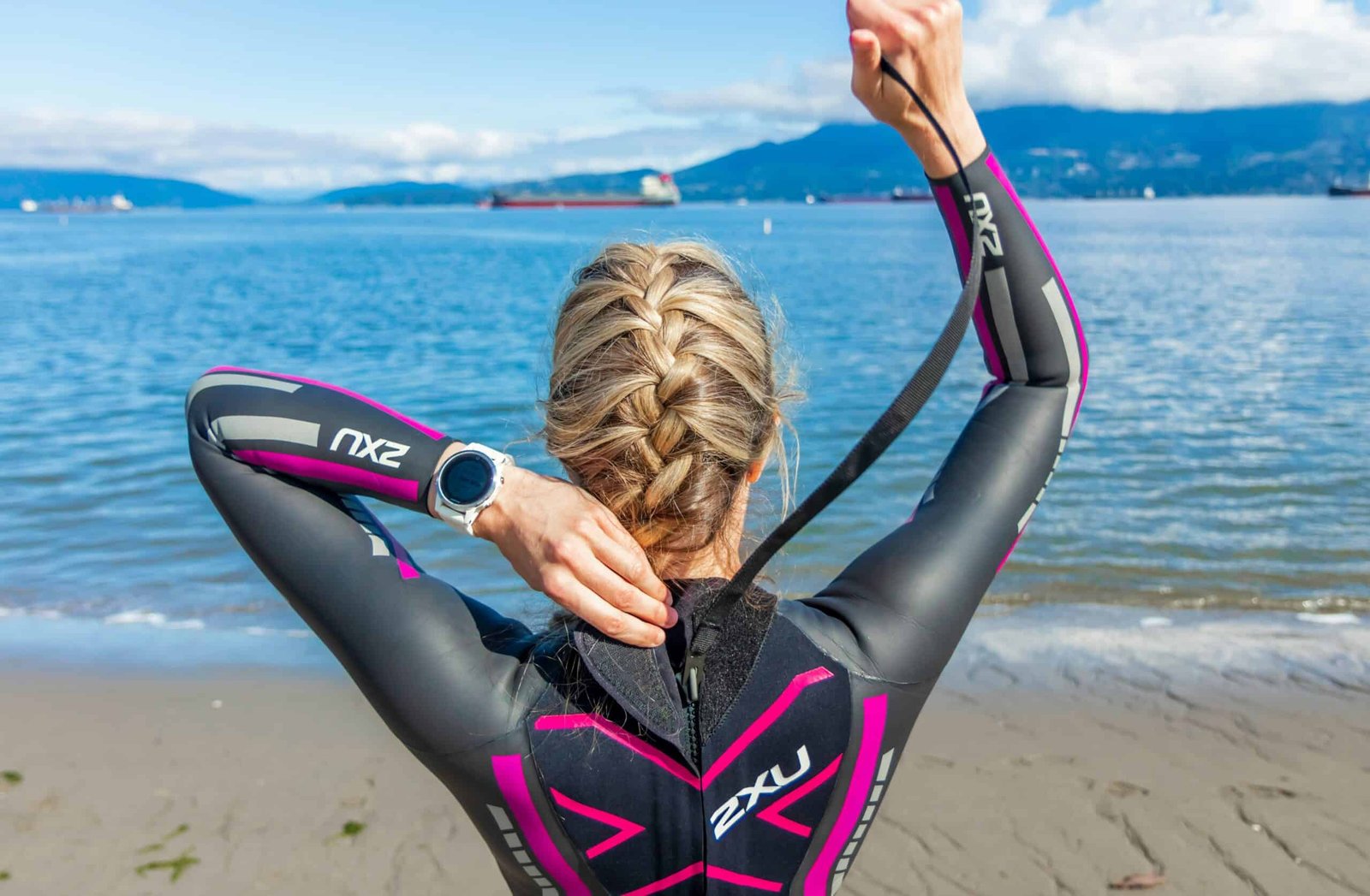
Choosing between the best wetsuits and drysuits for paddling comes down to one rule that catches out almost every new kayaker: dress for the water temperature, not the air temperature. A warm spring afternoon over cold water is the most dangerous combination there is, because nothing about the day feels threatening until you are in it.
A capsize in cold water takes your breath away within seconds and your hand strength within minutes. Immersion wear is what buys back that time.
So this is safety gear that happens to be clothing. It sits alongside the kayak life vests you already wear rather than replacing any part of that.
Quick Verdict
A 3/2mm full wetsuit is the right default for cool water paddling and covers most of the shoulder season. For genuinely cold water, a drysuit with layers underneath is the only answer that keeps working, and it costs accordingly. A paddling jacket over a sleeveless suit is the flexible middle ground most people end up in.
Key Takeaways
- Water temperature decides what you wear, not the forecast.
- A wetsuit works by trapping a thin warmed layer, so fit is everything.
- A drysuit keeps water out entirely and relies on what you wear underneath.
- Paddling suits need shoulder mobility that surfing suits do not prioritize.
- Hands and feet lose function before your core does.
- Practicing a recovery in the gear you wear is the part people skip.
How We Picked
We sorted by water temperature range, because that is the only specification that decides whether a garment is appropriate or dangerous. Within each band we then looked at mobility, since a suit that restricts your stroke gets left at home.
Then we weighted how well each option layers, as paddling conditions change through a day far more than the water temperature does.
We have not swum in these suits or measured their insulation, so nothing here reports on warmth we experienced. Thermal tolerance also varies a lot between people, which is why no chart substitutes for local advice.
1. A 3/2mm Full Wetsuit, Best Overall
Why It Stands Out
Three millimeters through the core and two in the limbs is the balance point between warmth and being able to paddle properly. It covers cool water through most of spring and autumn without the cost or bulk of a drysuit.
Full coverage also protects against sun, hull abrasion and the odd scrape on a launch.
Worth Knowing
A loose wetsuit flushes cold water through and does very little, so fit matters more than thickness. Suits cut for surfing can also bind across the shoulders on a forward stroke.
Neoprene is warm out of the water too, which makes a hot day uncomfortable.
This suits cool water paddling and shoulder seasons. Skip it for genuinely cold water. Best for: one suit that covers most of the paddling year.
2. A Sleeveless Farmer John Wetsuit, Best Mobility
Why It Stands Out
Leaving the arms bare removes the one restriction paddlers notice most, while still insulating the core and legs. It is the traditional kayaking cut for exactly that reason.
Layering a paddling jacket over the top adds warmth and wind protection without losing the arm freedom.
Worth Knowing
Bare arms lose heat quickly in the water, so this is a cool water garment rather than a cold water one. Shoulder sunburn is also a real nuisance on long days.
A long sleeve top underneath helps, and sun hoodies and UPF clothing work well for that.
This suits kayaking, canoeing and paddle boarding in cool water. Skip it in cold water. Best for: a full stroke with a warm core.
3. A Paddling Jacket, Best Layer
Why It Stands Out
A splash top with adjustable neck and wrist closures blocks wind and spray, which is where most on-water chill comes from on a mild day. It layers over anything and packs small enough to carry when unused.
Cut for paddling, the sleeves let your arms travel without the hem pulling out of place.
Worth Knowing
A splash jacket is not immersion protection and fills with water in a capsize. Treat it as comfort rather than as a safety layer.
Latex seals keep more water out and perish over a few seasons, so neoprene seals suit casual use better.
This suits mild days, wind and spray. Skip it as your only cold water protection. Best for: staying warm without adding neoprene.
4. A Paddling Drysuit, Best for Cold Water
Why It Stands Out
A drysuit keeps water out entirely, so your insulation is whatever you choose to wear underneath and stays dry through a swim. That makes it the only format that works across genuinely cold water and long immersion.
Adjusting the layers underneath also gives it a far wider temperature range than any wetsuit.
Worth Knowing
Drysuits are expensive, and a torn seal or a failed zipper removes the protection completely. Seals need care and eventual replacement, which is an ongoing cost.
They also need practicing in, because a flooded suit behaves differently in a recovery. Getting back in a kayak after flipping is the skill to rehearse.
This suits cold water, winter paddling and open crossings. Skip it for warm lake days. Best for: staying dry when the water is genuinely cold.
5. Neoprene Boots and Gloves, Best Extremities
Why It Stands Out
Hands and feet chill first and cost you grip and balance before you notice the rest of you cooling. Neoprene boots also protect your feet on a rocky launch, which a suit does nothing about.
Losing hand strength is the part that turns a capsize into a problem, so gloves earn their place.
Worth Knowing
Thick gloves dull the feel of the paddle and cause blisters where the shaft rubs. Pogies, which wrap the shaft rather than the hand, are the alternative worth knowing about.
Boots have to fit inside the hull, and a bulky sole will not clear a tight footwell.
This suits any cool water paddling. Skip gloves if blisters bother you more than cold. Best for: keeping grip and balance in cold water.
6. A Quick-Dry Base Layer, Best Underneath
Why It Stands Out
A synthetic or wool base layer stops neoprene chafing, adds warmth under a drysuit and dries fast when it does get wet. Cotton does the opposite of all three.
A long sleeve version also handles the sun exposure that open water adds to a day.
Worth Knowing
Thick base layers under a tight wetsuit restrict movement and reduce the warmth they add. Keep them thin under neoprene and save the insulating layers for a drysuit.
Having dry clothes waiting at the car matters as much, and dry bags for kayaking are how they get there.
This suits every option above. Skip cotton entirely. Best for: the layer that makes the rest work.
Paddling Immersion Wear at a Glance
| Option | Water | Mobility | Immersion Protection |
|---|---|---|---|
| 3/2mm full wetsuit | Cool | Good | Yes |
| Sleeveless farmer john | Cool | Best | Core and legs |
| Paddling jacket | Mild | Excellent | No |
| Drysuit | Cold | Good | Yes, fully |
| Neoprene boots and gloves | Cool to cold | Varies | Extremities |
| Quick-dry base layer | Any | Excellent | No |
How to Choose Between a Wetsuit and a Drysuit
Start from the water temperature
Cool water suits neoprene, and cold water needs a drysuit, regardless of how pleasant the air is. A warm day over snowmelt is the classic trap.
Fit before thickness
A snug thinner wetsuit outperforms a loose thicker one, because flushing water is what removes the warmth. Try it on and reach forward as if paddling.
Shoulder and torso mobility
Paddling rotates the torso and extends the arms repeatedly, which is a different demand from most water sports. A suit that binds will tire you out and make a recovery harder, which matters as much as the kayak paddle you choose.
How far from shore you go
A short paddle along a bank is a different risk from an open crossing where a swim lasts much longer. Distance from help should move you toward more protection, not less.
Whether you paddle alone
With a group, someone can help you back onto the boat within a minute or two. Alone, the clock runs on your own hand strength, and that is the argument for dressing warmer than the day seems to need.
Solo paddling also rewards gear you can manage without help, including a suit you can get into unassisted. Back-zip drysuits are harder on your own than front-entry ones.
Neoprene Against a Drysuit
Neoprene is simple and cheap
There are no seals to perish, no zipper to fail and nothing to maintain beyond rinsing it, which suits occasional paddlers well. It is warm out of the water and has a narrow usable temperature band.
A drysuit is versatile and demanding
Changing the layers underneath covers a huge range of conditions, and it is the only option for cold water, at a much higher price with seals to look after. Anyone paddling through winter ends up there, which is also when what to do if your clothes get wet in winter stops being academic.
Common Mistakes to Avoid
Dressing for the air temperature
This is the mistake that causes the most trouble, because a warm day over cold water feels entirely safe from the seat. Check the water, not the forecast.
Buying a surfing suit for paddling
Surf suits prioritize a sealed fit over shoulder travel, which fights the forward stroke. Paddling-specific cuts give the arms room where it matters.
Treating a splash jacket as immersion wear
It blocks wind and spray and does nothing once you are in the water. The protection has to be underneath it.
Never practicing a swim in the gear
Immersion wear changes buoyancy, movement and how a recovery feels, and the first time should not be an accident. Launching and landing a kayak is worth rehearsing in the same kit.
Recommended Reading
Worth reading next: kayak against canoe, since how wet you get in the first place depends on which one you are sitting in.
Paddling Wetsuit and Drysuit FAQ
What are the best wetsuits and drysuits for paddling
A 3/2mm full wetsuit covers cool water and most of the shoulder season, and a sleeveless farmer john gives better arm freedom in the same conditions. For genuinely cold water a drysuit with layers underneath is the only option that keeps working through a swim.
How do I know which one I need
Go by water temperature rather than air temperature, and factor in how long a swim would last where you paddle. Local clubs and outfitters know the thresholds for their water better than any general chart.
Can I just wear a rain jacket instead
No, because a rain jacket keeps spray off and provides nothing once you are in the water. Immersion protection is a different category of garment.
How tight should a wetsuit be
Snug everywhere with no loose pockets at the lower back or behind the knees, since water flushing through is what steals the warmth. It should feel tight on land and comfortable once wet.
Do I still need a life vest
Always, because neoprene adds some buoyancy and is not a flotation device. A drysuit can trap air and change how you float, which makes a proper vest more important rather than less.
How long do drysuit seals last
Latex seals perish over a few seasons and need replacing, while neoprene seals last longer and let in a little water. Rinsing after use and storing out of sunlight extends both.
What about paddle boarding
The same rule applies, and falling in is more likely on a board than in a kayak. Our roundup of inflatable paddle boards covers the craft side.
How do I care for neoprene
Rinse it in fresh water after every use, dry it inside out away from direct sun, and hang it on a wide hanger rather than folding it. Heat and sunlight are what break neoprene down fastest.
